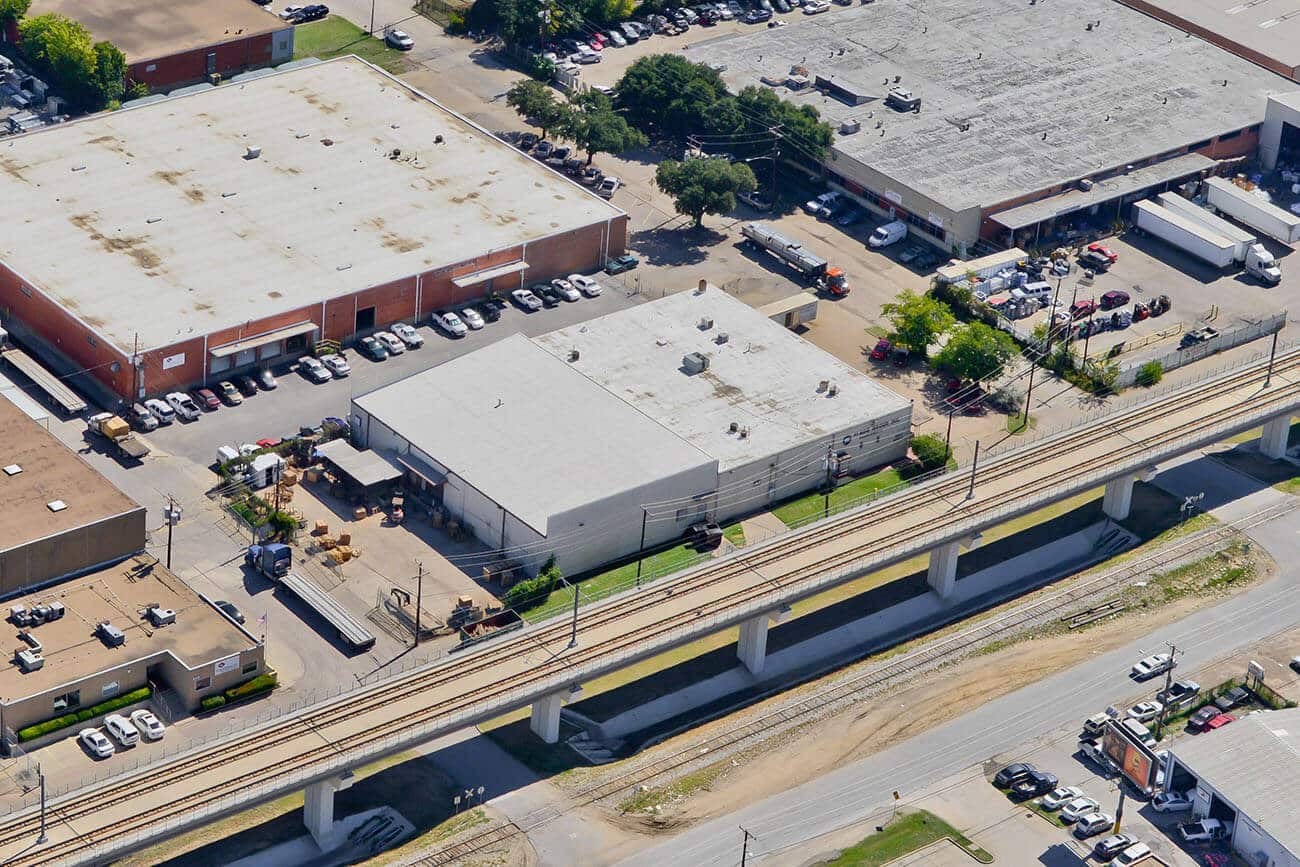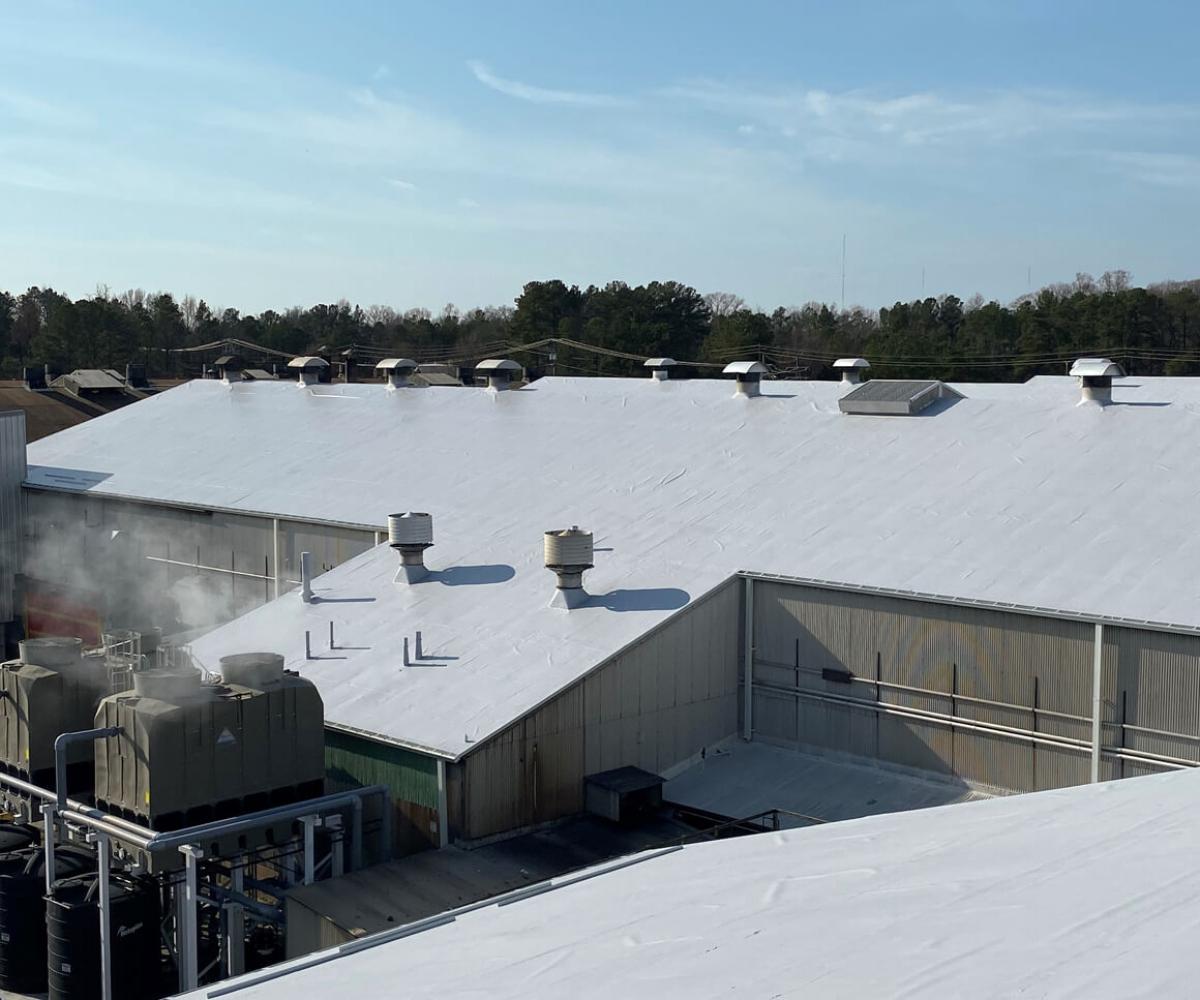
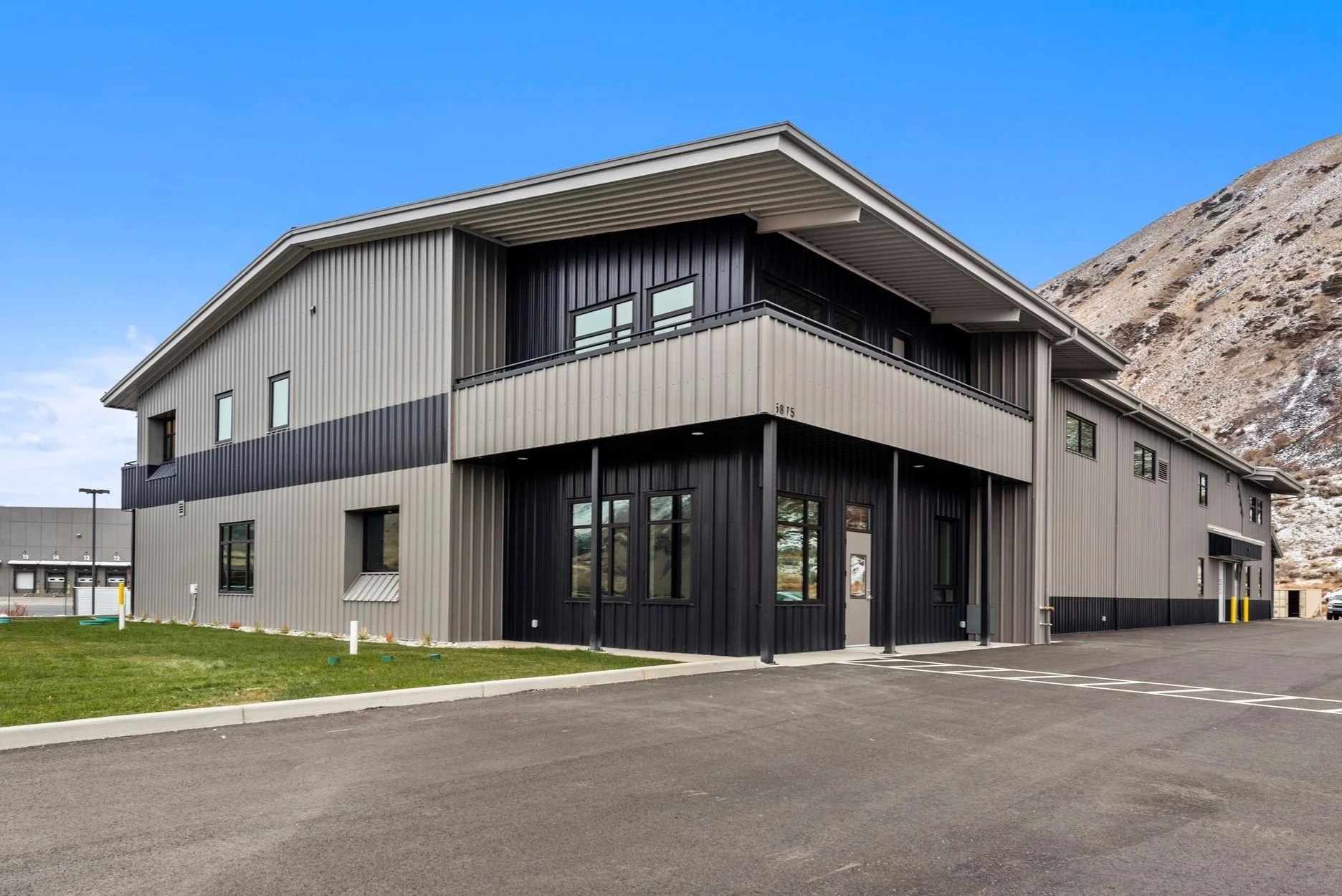
Memphis is the historic capital of the American cotton trade. The cotton exchange district Downtown, the cotton warehouses along the riverfront, and the commodity storage and trading operations that serve the Delta agricultural region create a roofing environment defined by large-span storage buildings, high humidity, and commodity-exposure conditions that most commercial roofing contractors do not encounter.
The Memphis Cotton Exchange operated at Front Street and Union Avenue for over a century as the center of American cotton trading. The buildings that served the cotton trade - warehouses, compress facilities, and commodity storage structures - are among the oldest commercial buildings in the city. Many have been converted to other uses; some still serve commodity storage functions for the Delta agricultural operations that continue to anchor the Mid-South economy. The roofing challenges on these buildings reflect their construction era, their modification history, and the specific moisture and humidity conditions of cotton and commodity storage.
Beyond the historic downtown district, the Delta agricultural region that Memphis serves extends south into the Mississippi and Arkansas Delta - one of the most productive agricultural regions in North America. Commercial storage buildings, grain elevators, cotton gin facilities, and agricultural commodity warehouses across the greater Delta region create a roofing demand that we serve from our Memphis base. These facilities share a common characteristic: they are large-span, lightly conditioned buildings where roof failure directly exposes commodity inventory to water damage.
Cotton and Commodity Storage Roofing Specifics
Cotton compress and storage facilities generate interior humidity conditions that are among the most challenging commercial roofing environments in the South. Raw cotton bales absorb and release moisture as ambient humidity changes - in a warehouse full of cotton bales, interior relative humidity can approach saturation during Memphis's wet spring months. A roofing system in this environment must be specified with vapor control that prevents moisture from migrating into the insulation assembly from the interior.
The compress operations - mechanical presses that compress cotton bales from gin-packed density to shipping density - generate process vibration that transmits through the building structure to rooftop connections. We inspect compress-building rooftop fastener conditions and equipment mounting hardware as part of every maintenance inspection and report vibration-induced connection loosening before it becomes a displacement failure.
Dust and fiber exposure from cotton and commodity operations coats rooftop drainage surfaces. Cotton fiber accumulates in drain baskets and on membrane surfaces near roof drains, restricting drainage and accelerating membrane deterioration in the ponding zone. We include drain clearing and fiber removal as a standard step in every maintenance inspection on cotton and commodity storage buildings.
Historic Cotton District Buildings
The Front Street and Cotton Row buildings in Downtown Memphis are among the city's most significant commercial historic properties. The Memphis Cotton Exchange building at Front and Union has been converted to office use - its roofing system has been updated from the original construction, but the historic masonry parapet walls and the building's position in the Front Street Historic District create constraints on how roofing system changes are specified and documented.
Warehouse-conversion projects in the cotton district - buildings that once served cotton storage and are now being converted to commercial, hospitality, or creative-office use - frequently encounter deferred maintenance roofing systems that need replacement as part of the conversion scope. These conversions are often historic tax credit projects, which means the roofing replacement may require SHPO review if the roof contributes to the building's historic character. We flag this requirement early in the conversion-scope process and provide system documentation for SHPO review submissions.
The structural characteristics of cotton warehouse buildings - long-span timber or metal deck roofs, heavy masonry walls that have settled over decades, and drain configurations that were designed for gravity-flow rather than modern drain codes - create scope complexity that generic commercial contractors are not prepared for. We assess structural deck condition, drain configuration, and masonry parapet settlement condition as primary scope inputs on cotton district warehouse buildings before specifying any roofing system.
Delta Agricultural Commercial Roofing
Agricultural buildings across the Delta region - grain storage, farm equipment buildings, cotton gin facilities, and commodity warehouses in the Arkansas and Mississippi Delta communities served from Memphis - share a common profile: large roof areas, minimal interior climate control, high interior humidity during harvest and storage seasons, and limited access to specialized roofing contractors from local markets. We extend our service area into the Delta for agricultural facility clients who need the documentation and warranty standards that local markets cannot provide.
Grain storage facilities present chemical-exposure conditions at rooftop ventilation systems - grain off-gassing and fumigation chemicals can degrade standard membrane flashings at ventilation penetrations. We specify chemical-resistant flashing materials at ventilation penetrations on grain storage buildings, confirmed against the specific chemicals used in the facility's fumigation program.
The Arkansas Delta - accessible via the I-40 Mississippi River bridge or the I-55 bridge at West Memphis - is an active part of our Delta agricultural service area. West Memphis's commercial district and the agricultural facility cluster along the Arkansas Delta highway system represent roofing demand that we serve on a scheduled-visit basis. For facilities in the Delta service area, emergency response timelines are longer than Memphis-metro response - we set realistic expectations at the service agreement level, not after a leak event requires response.
Cotton warehouse, agricultural storage, or Delta commercial facility?
Our project managers work across the Memphis cotton district and extend service into the Arkansas and Mississippi Delta for agricultural commercial clients. We produce condition documentation and scopes that hold up to commodity-owner capital planning standards.