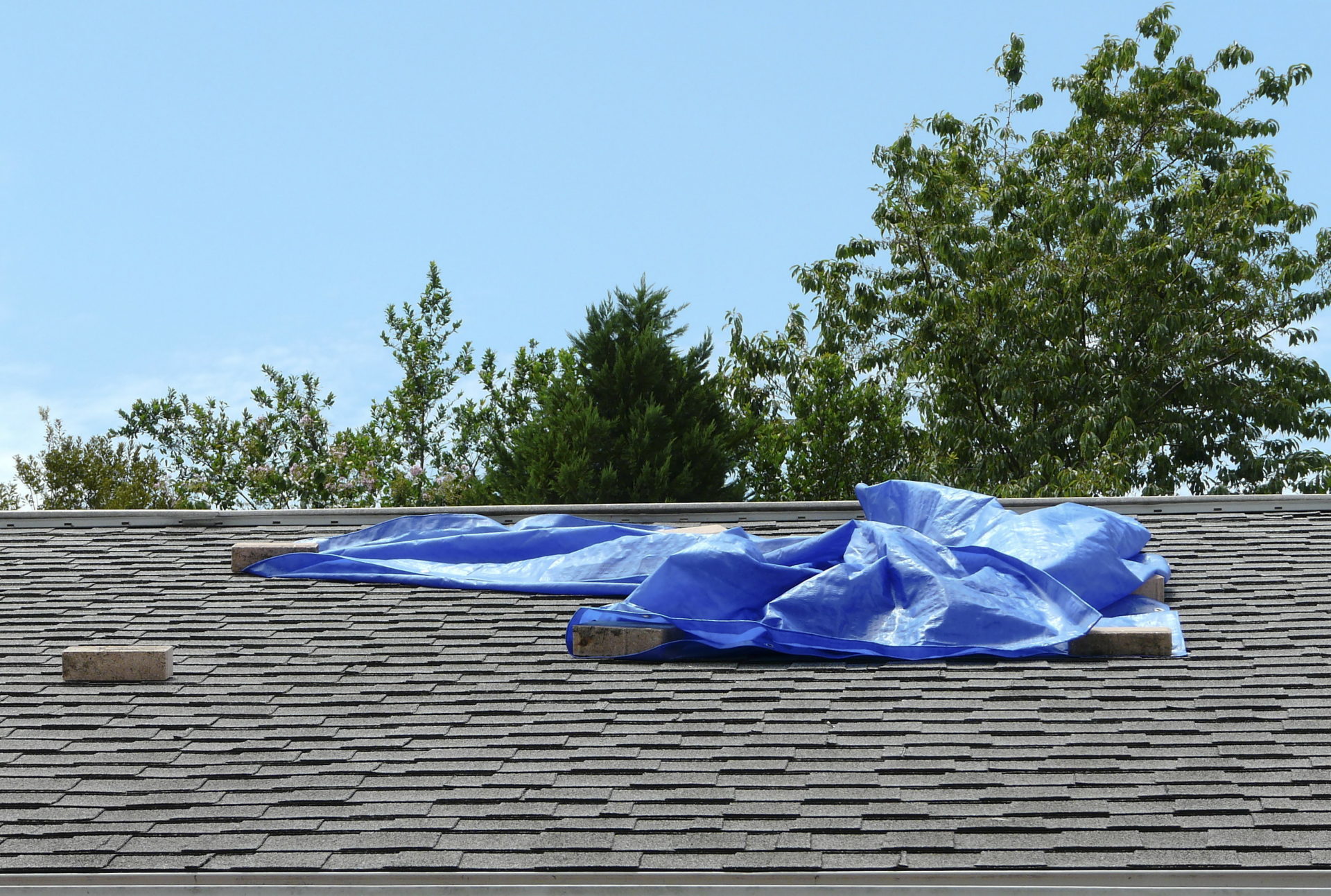
Many of our repair clients come to us after another contractor quoted a full replacement. We verify that recommendation with moisture cores and a full-surface inspection. When replacement is the right answer, we say so - with the core data to back it up. When targeted repair extends useful roof life another eight to twelve years at a fraction of replacement cost, we scope it that way and document why.
Common Memphis Flat Roof Failure Modes
Parapet flashing separation driven by alluvial soil movement: This is the single most common failure mode we see on Memphis commercial buildings constructed before 2005. The silty clay loam that underlies most of the Memphis metro - laid down over millennia by the Mississippi River - expands with rainfall and shrinks through dry spells. Buildings in Midtown, Downtown near the river bluffs, and in lower-lying areas of South Memphis move more than buildings on the slight elevation of the Germantown ridge. Parapet walls move with the building, and standard flashing details from the 1980s and 1990s did not include slip-sheet details that allow for that movement. The result is a vertical crack at the base of the parapet counter-flashing, usually water-visible after the first heavy spring rain. Repair scope: remove the compromised flashing run, install a new base flashing with a slip-sheet detail, terminate at a surface-embedded metal counter-flashing that rides the wall movement without transmitting stress to the membrane.
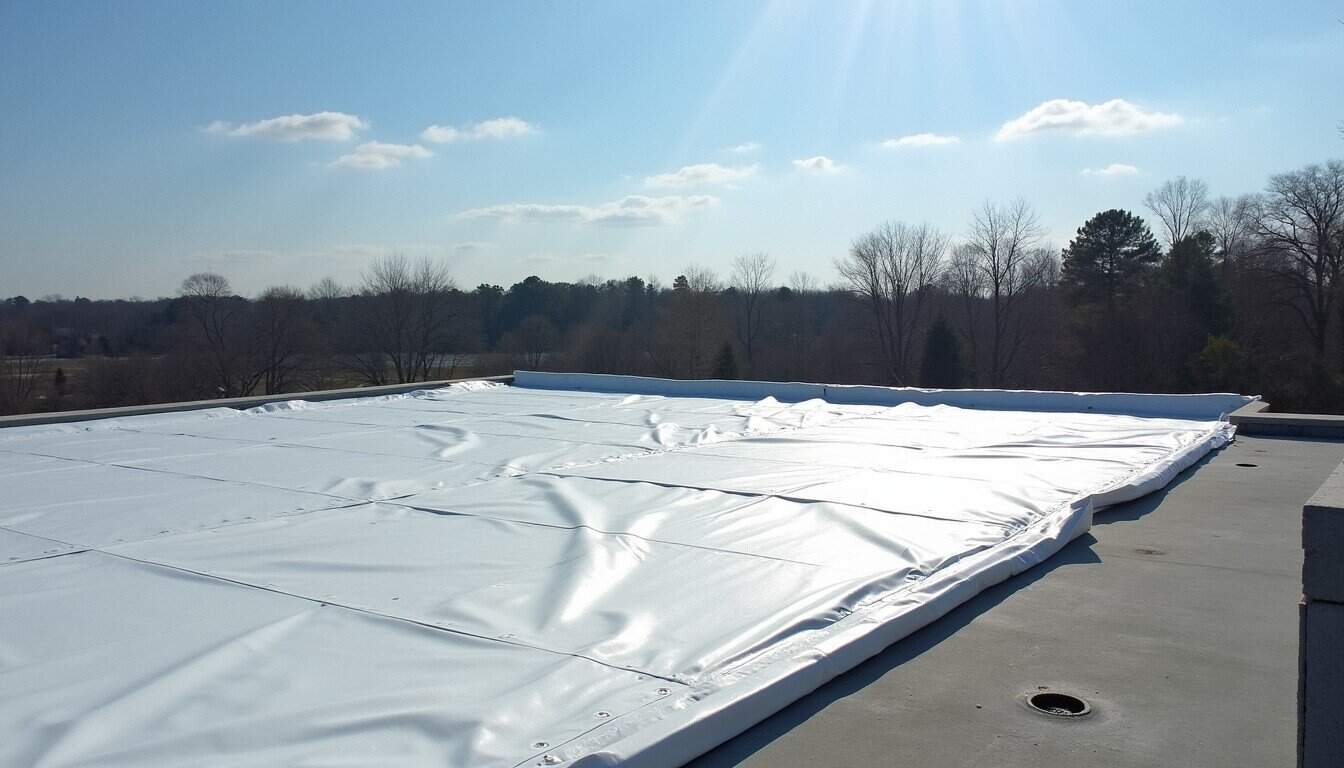
Seam separation on TPO and EPDM at high-stress zones: Heat-welded TPO seams and factory-tape EPDM laps fail at installation defects or at locations where membrane stress concentrates - drain sumps, equipment curb corners, and perimeter zones where wind-uplift loads peak. Memphis's spring storm systems - the same weather pattern that produced the 2008 Super Tuesday tornado outbreak, which tracked directly through Shelby County - generate sustained wind loading that reveals perimeter seam vulnerabilities on poorly welded systems. Repair scope: clean and prep the failed seam zone, apply compatible seam repair tape or re-weld with a calibrated heat-gun at manufacturer-specified temperature, probe-test every linear foot at five-pound test-wheel pressure before closeout.
Drain body failure and ponding accumulation: Memphis averages 54 inches of annual rainfall, and the spring storm pattern delivers a significant share of that in short high-intensity events. Many commercial buildings along the Beale Street and FedExForum entertainment corridor - converted warehouse buildings that date to the early twentieth century - have undersized drain bodies and drain-to-storm connections that were adequate for the original building use but cannot handle concentrated ponding from modern roof loads. Ponding water sits longer here than in drier markets; even 48-hour standing water accelerates membrane degradation at the contact line. Repair scope: core-cut around the drain body, replace with a correctly sized cast-iron or PVC drain and compatible membrane ring, re-flash with a two-ply reinforced sump per manufacturer specification, verify connection to the storm line is clear and unobstructed.
How We Determine Repair vs. Replace
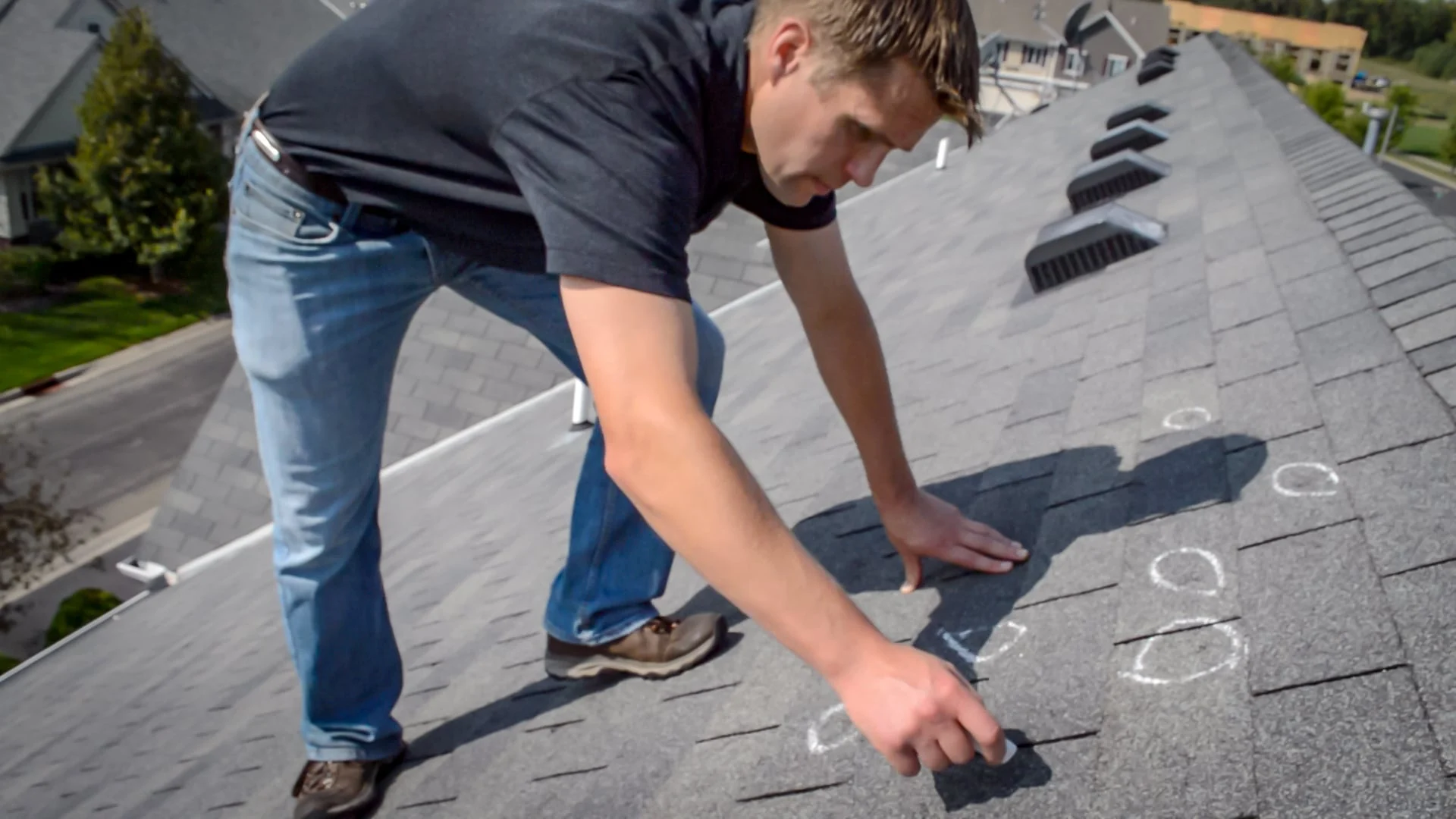
We pull moisture cores in five to ten representative locations on every roof where we suspect insulation saturation - sagging membrane field, interior ceiling staining, or any roof over fifteen years old with no documented maintenance history. Memphis's humid subtropical climate - average July dewpoint of 70°F, sustained summer humidity, and 54 inches of annual rain - means wet insulation is a realistic finding on a high percentage of roofs we inspect. If more than 25% of cores read wet, recovering or repairing over saturated insulation traps the moisture, voids any new warranty applied on top, and produces re-failure within three to five years. In that case, replacement is the honest recommendation and we state it plainly in the written scope.
When cores read dry and the damage is localized - a parapet run of 30 to 60 linear feet, a cluster of failed seams near one drain, a single penetration field - targeted repair is the right call and we scope it that way. Our repair scopes are fixed-price after the inspection walk. If we open an area and encounter additional damage that changes the scope, we stop, photograph it, and contact the building owner before proceeding. There are no line-item surprises on our invoices.
Documentation We Deliver at Repair Closeout
Every repair we close out with a photo-keyed map of repair locations on the roof plan, before-and-after photos at each repair point, product data sheets for every material installed, and a written service record filed in the building's roof asset record. For buildings near the St. Jude Children's Research Hospital campus on Lamar Avenue or within the Medical District's tightly regulated facilities portfolios, our documentation meets the compliance records standard those facility teams require.
For buildings on our maintenance contracts, repair documentation feeds into the annual roof condition report - so the asset owner tracks condition over time rather than receiving a stack of disconnected invoices. This running record supports manufacturer warranty claims, insurance documentation, and capital planning cycles at the building's next ownership transition.