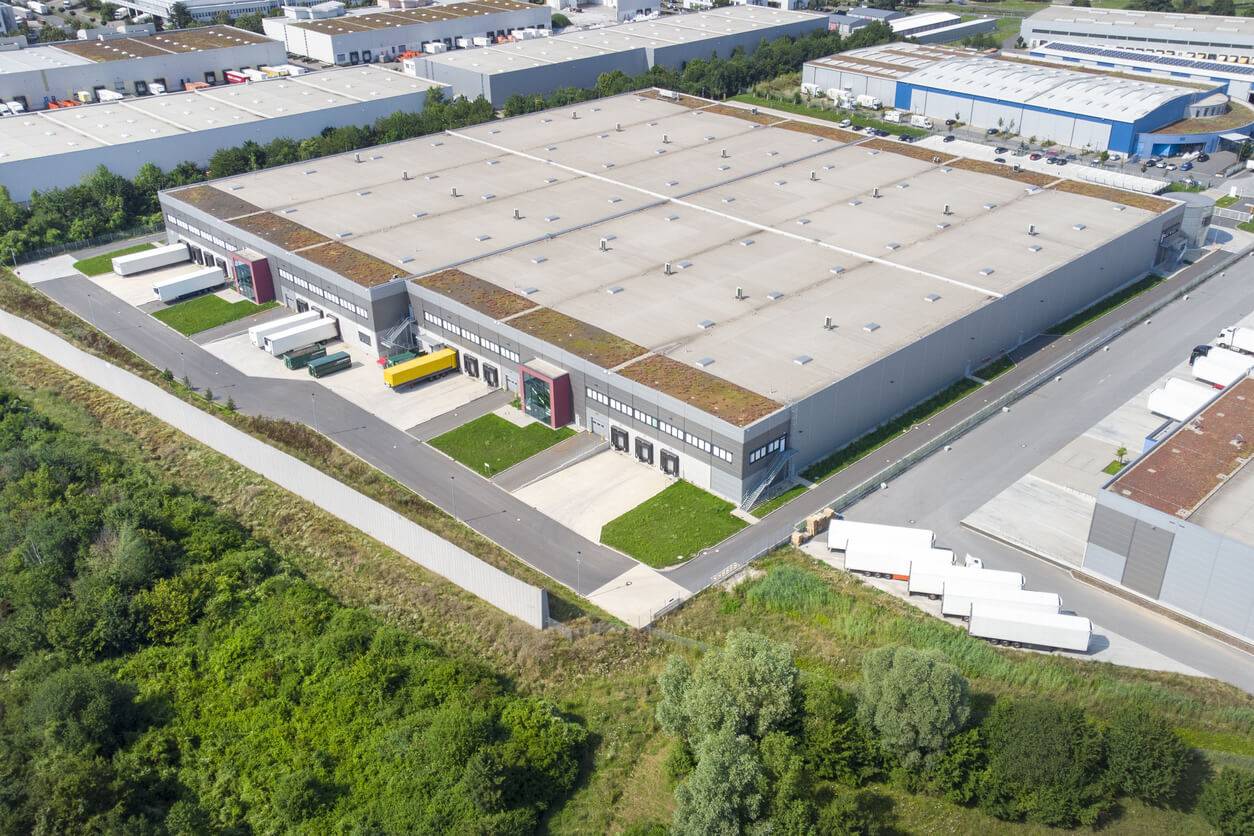
Memphis is the freight capital of the world, and the roofs above its industrial infrastructure are doing serious work. FedEx's World Hub at Memphis International Airport processes over four million packages on a peak night, and the facility complex that supports that operation - sorting buildings, aircraft maintenance hangars, fuel storage, ground support equipment structures - spans millions of square feet of low-slope roofing that runs under constant operational load. The broader Memphis industrial market is centered on that fact: Amazon, UPS, and dozens of third-party logistics operators have planted major distribution facilities along the I-55/I-40/I-240 industrial spine because no city in North America routes freight more efficiently. Every one of those facilities has a roof that needs professional attention.
Memphis gets 52 inches of rain per year, which is substantial - more than Seattle, though it falls in harder, more concentrated events rather than chronic drizzle. Four inches of annual snowfall sounds manageable until you factor in the ice storms that this market is prone to. Memphis ice storms are the kind that collapse older metal-framed industrial buildings with undersized structural systems, and they come with less warning than a typical snowstorm. We've been on roofs after Memphis ice events where the ice load on a standing-seam metal roof or a built-up ballasted system exceeded design capacity by a meaningful margin. We account for ice accumulation scenarios when we're specifying roofing systems in this market, not just snow load figures.
Questions Owners Ask
Can you work around an active fulfillment or distribution operation?
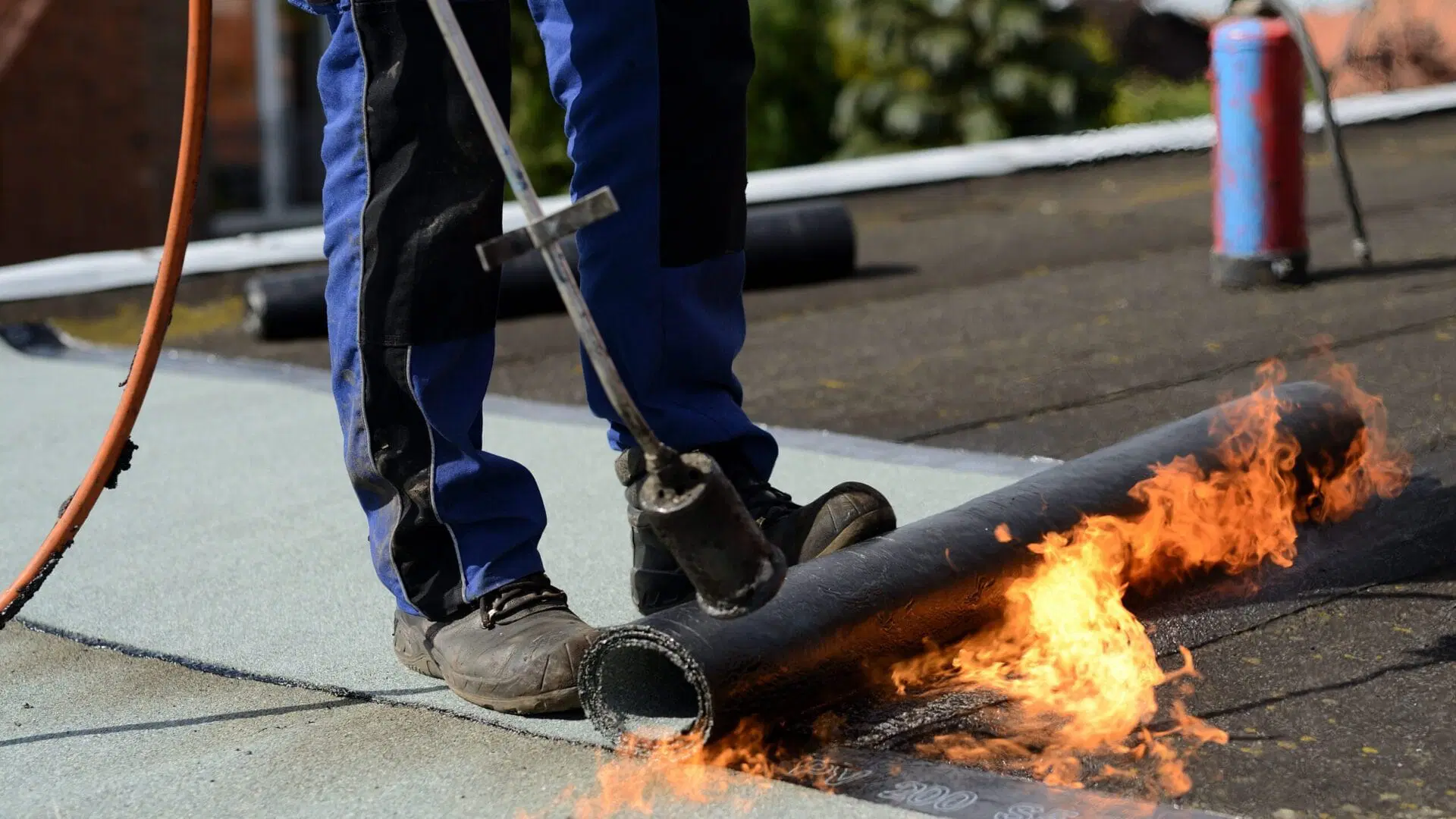
Operating around active fulfillment and distribution facilities is standard practice for us in Memphis. It requires a detailed pre-construction coordination meeting with facility operations, a daily work plan that maps crew locations and material staging to areas clear of active operations, watertight temporary membrane protection installed every evening before crew departure regardless of forecast, and a clear communication protocol for weather events that require emergency demobilization. We designate a project superintendent with direct-line contact to the facility operations manager throughout the project. Hot-work operations - torch applied systems, equipment cutting - require additional coordination and often shift scheduling to periods of lower interior activity to reduce ignition risk documentation requirements.
How much load does ice actually add to an industrial roof?
Ice has significantly higher density than snow - a one-inch accumulation of ice weighs about five pounds per square foot, versus one pound or less for the same depth of fresh snow. Ice storms in Memphis can deposit two to four inches of ice across an entire roof surface in a matter of hours. The problem compounds when gutters and internal drains freeze: water that cannot drain ponds behind the ice dam and adds to the load, and if the drain finally breaks free suddenly, the rapid drainage can create thermal and pressure shocks at drain connections. Older flat-membrane systems with ballasted aggregate are particularly vulnerable because the ballast acts as a retention point for ice accumulation. We document ice load scenarios in our specification work for Memphis industrial projects and assess structural capacity before recommending heavy ballasted systems.
What roofing systems hold up on President's Island industrial buildings?
President's Island industrial facilities need roofing systems that handle chemical and particulate exposure, vibration, and high-humidity riverfront environments. Fully adhered TPO or PVC single-ply membranes are our standard recommendation for these buildings because the fully adhered bond eliminates the gaps at mechanical fastener points where grain dust and chemical particulates infiltrate and accumulate. All penetrations get gasketed or fully sealed terminations rather than lap-sealed details. For buildings with heavy conveyor or elevator vibration, we pay extra attention to flashing terminations and seam integrity at structural transition points, which are the areas most likely to see fatigue-related movement. We recommend annual inspections on all President's Island industrial roofs given the exposure environment.