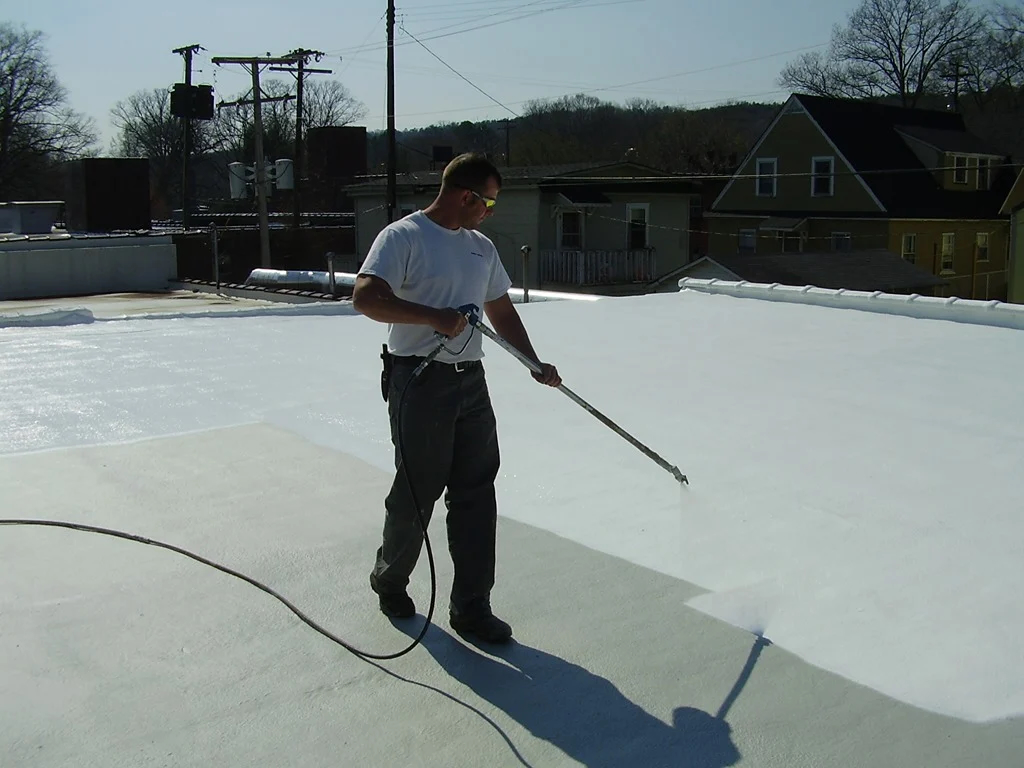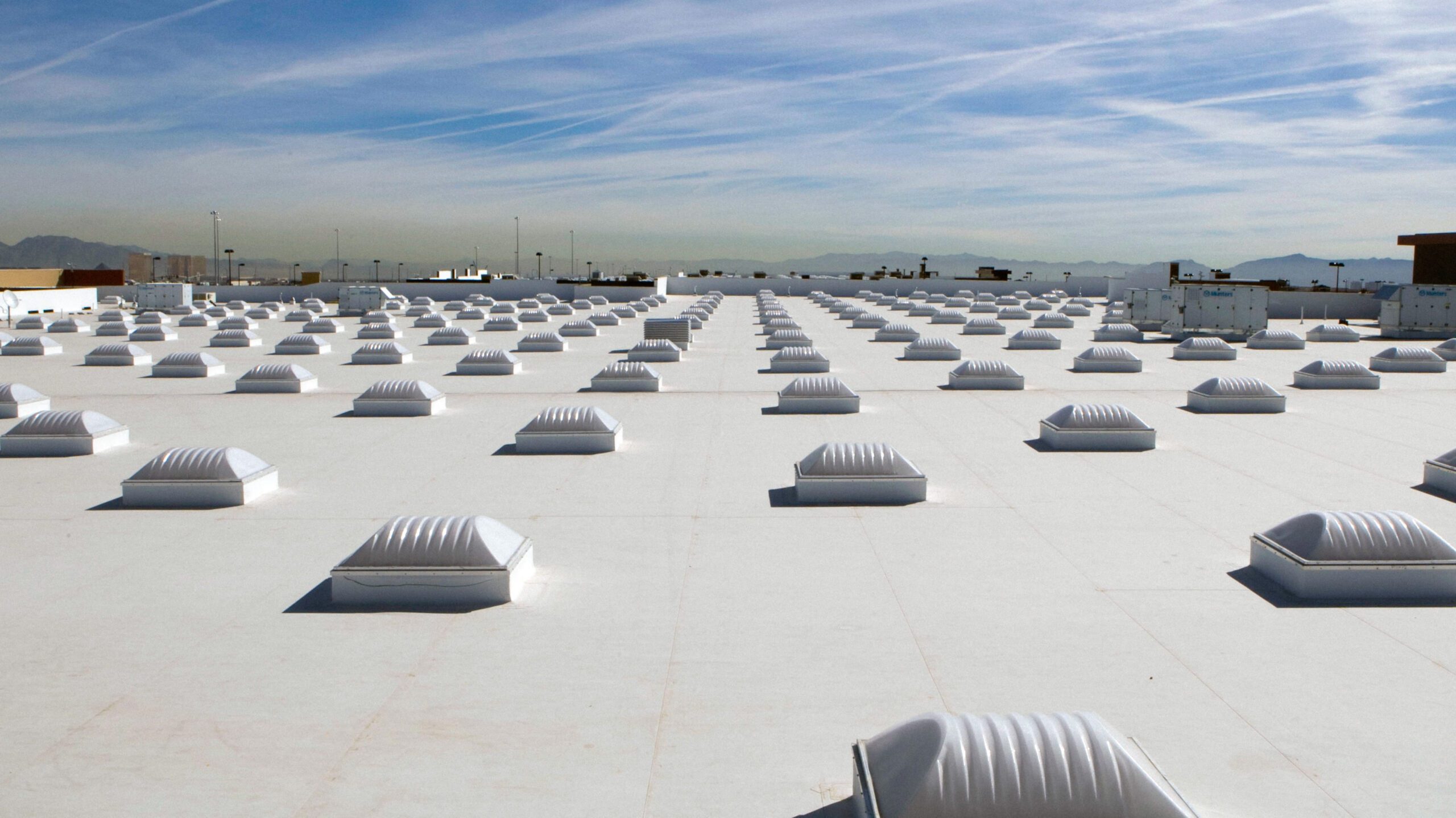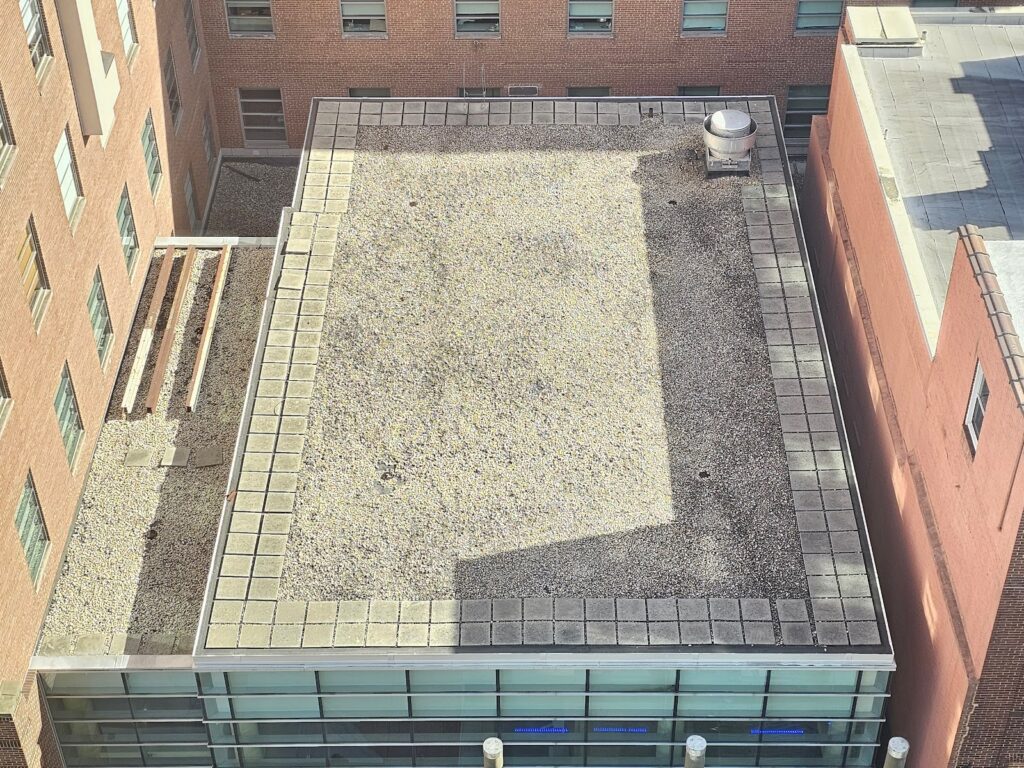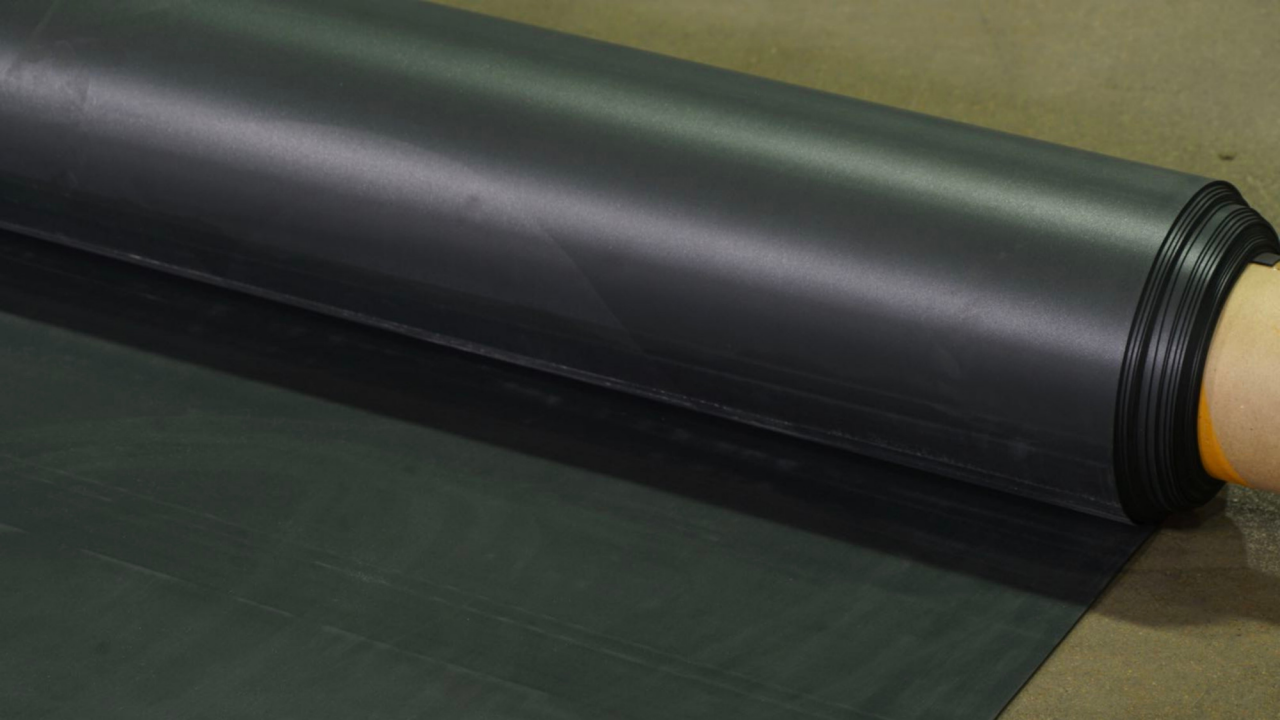
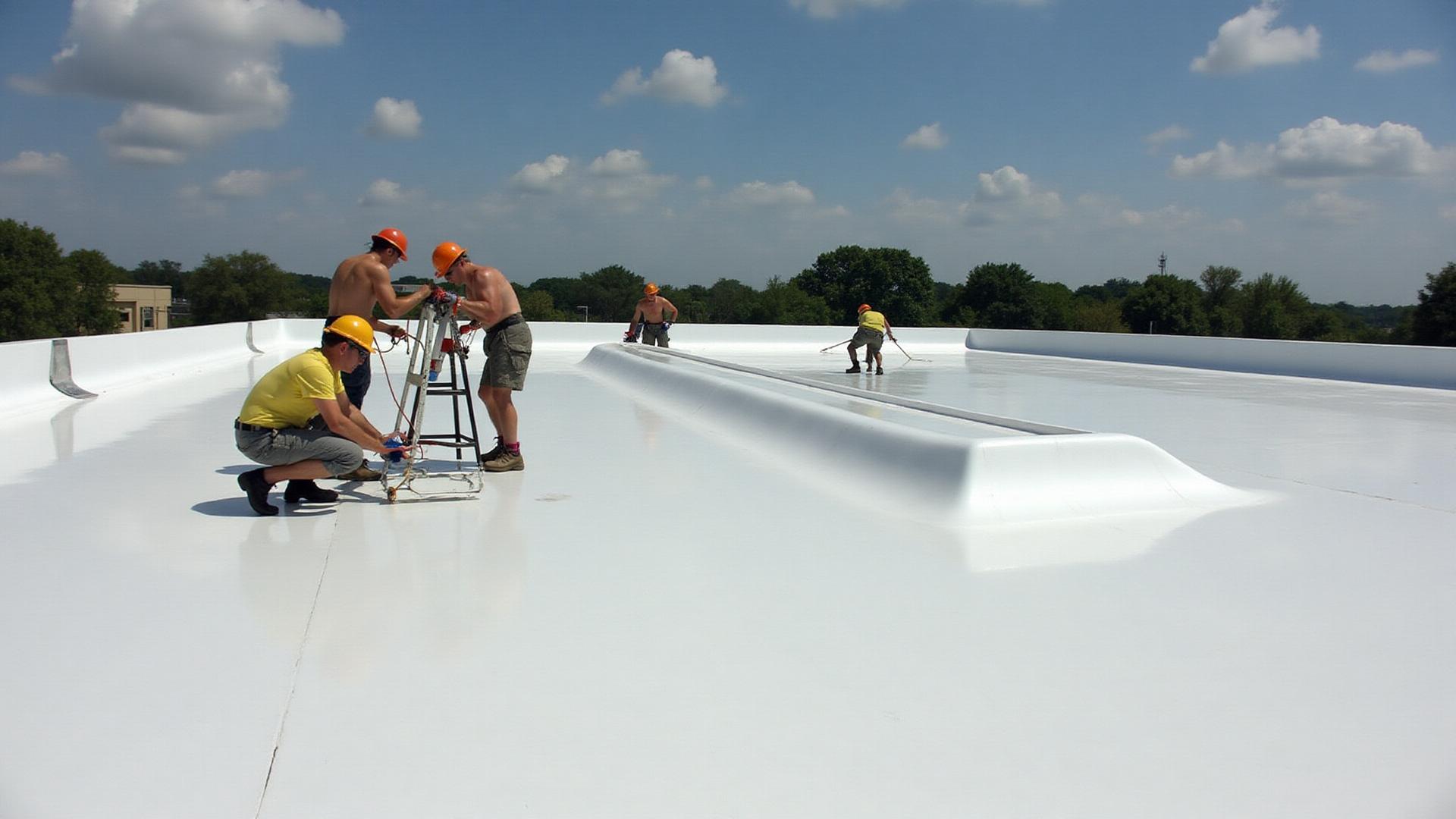
TPO is the dominant single-ply membrane installed on Memphis commercial flat roofs - its reflective white surface, heat-weldable seams, and 20-year NDL warranty path make it the default specification for most Memphis reroof and new construction projects.
Memphis rooftops run hot. On a July afternoon a dark membrane can hit 165°F while the ambient air reads 97°F - and the HVAC systems inside the building respond to every degree of that heat gain. TPO's reflective white surface cuts roof surface temperatures by 40 to 50 degrees under peak summer conditions, which directly reduces cooling loads on the high-tonnage units that Memphis buildings depend on through a humid subtropical summer that runs effectively from May through September.
We specify TPO on more Memphis commercial projects than any other single-ply system, and the reason is not brand loyalty - it is that the system's combination of heat weldability, UV resistance, and cost per installed square is the best fit for the buildings We see most often in this market: warehouse and distribution buildings around the Aerotropolis, mid-size office buildings along the Poplar corridor, medical office buildings near the Memphis Medical District, and light industrial in the Southeast Memphis logistics cluster. The seam system is where TPO earns its keep - heat-welded seams, when prepared and tested correctly, hold through Memphis's dramatic thermal cycling without the adhesive degradation that older EPDM seam-tape systems experienced.
60-mil vs. 80-mil TPO for Memphis Buildings
60-mil TPO is the standard specification for Memphis commercial buildings in normal-use categories - warehouse, retail, office, professional services. Every major manufacturer's 60-mil product carries a 20-year NDL warranty path, and the installed cost per square is the most competitive of any current commercial flat roofing option. This is what I put on the majority of projects in the Aerotropolis distribution zone and along the Poplar corridor.
80-mil TPO makes sense when two conditions apply: heavy rooftop mechanical traffic or an owner who wants the extended warranty term. Cargo facilities near Memphis International Airport, where maintenance crews access rooftops frequently for HVAC and refrigeration equipment servicing, benefit from the additional puncture resistance. Some manufacturers extend to 25-year NDL on 80-mil. The cost premium over 60-mil is typically in the $0.25-0.45 per square foot range installed - owners who plan to hold the asset for 20+ years usually find the math favorable.
Membrane thickness does not substitute for seam quality. We test every seam on every Memphis TPO project with a 5-pound test wheel at closeout. A thin membrane with properly prepared, fully probed seams outperforms a thick membrane with contaminated welds every time - and Memphis's high ambient humidity is the specific threat to seam quality here, because organic residue on stored rolls bonds to the membrane surface and compromises weld adhesion if not cleaned with a solvent wipe before welding.
Attachment Methods and Memphis Climate Considerations
Mechanically attached TPO is the default for Memphis commercial projects. Membrane fastened through the insulation into the structural deck on a pattern engineered against the building's IBC 2021 wind-uplift zone and exposure category - most Memphis commercial buildings land in Exposure B, with exceptions for structures near the river bluffs, the flat open terrain west of Memphis International, and high-rise buildings Downtown. Mechanical attachment is the least humidity-sensitive installation method, which matters on a job site where the dewpoint can sit at 72°F in August.
Fully adhered TPO delivers the cleanest aesthetic and the highest uplift resistance, but adhesive application in Memphis's summer humidity requires active scheduling management. Most TPO adhesives specify application below 50% relative humidity for optimal cure - a condition Memphis does not reliably provide from May through September. We schedule fully adhered work for low-dewpoint windows, confirm conditions at the deck surface before applying adhesive, and use solvent-based adhesive formulations rated for higher-humidity applications when the project timeline does not allow weather selection.
Ballasted TPO is rarely appropriate for Memphis commercial work. The structural load - typically 10-12 pounds per square foot of ballast - exceeds the deck capacity of most commercial buildings here without structural reinforcement, and the system creates a future maintenance burden when accessing the membrane requires moving ballast.
Memphis-Specific TPO Failure Modes We Inspect For
Drain flashing failures drive a disproportionate share of Memphis TPO leak calls. The city averages 54 inches of rain per year, with spring storms capable of depositing two to four inches in a few hours - this volume stresses drain-to-membrane transitions beyond what the flashing details on many older installations were sized to handle. On every TPO inspection I walk drain to drain first, looking for fishmouthing at the clamping ring, membrane lifting at the boot, and evidence of pooling that has been sitting against the flashing rather than draining.
Parapet wall flashing separation is the second high-frequency failure mode on Memphis TPO roofs. The Mississippi River alluvial subsoil - silty clay loam - expands and contracts seasonally with moisture, producing horizontal structural movement at parapet walls that shows up as terminated-edge separation and counterflashing gaps. Buildings Downtown and in the Medical District on older slab construction show this movement most clearly. We specify flexible counterflashing details at all parapets on new TPO work and document parapet separation as a priority item on every annual maintenance walk.
Membrane chalking and surface erosion from UV exposure accelerates on roofs where ponding water sits between drain events. Memphis's flat terrain and the common undersloped drains on 1990s-era commercial decks create ponding conditions that are not always obvious until a roof walk after a heavy rain. We document ponding locations against the drain layout and address slope-correction with tapered insulation on any replacement scope where ponding is documented.