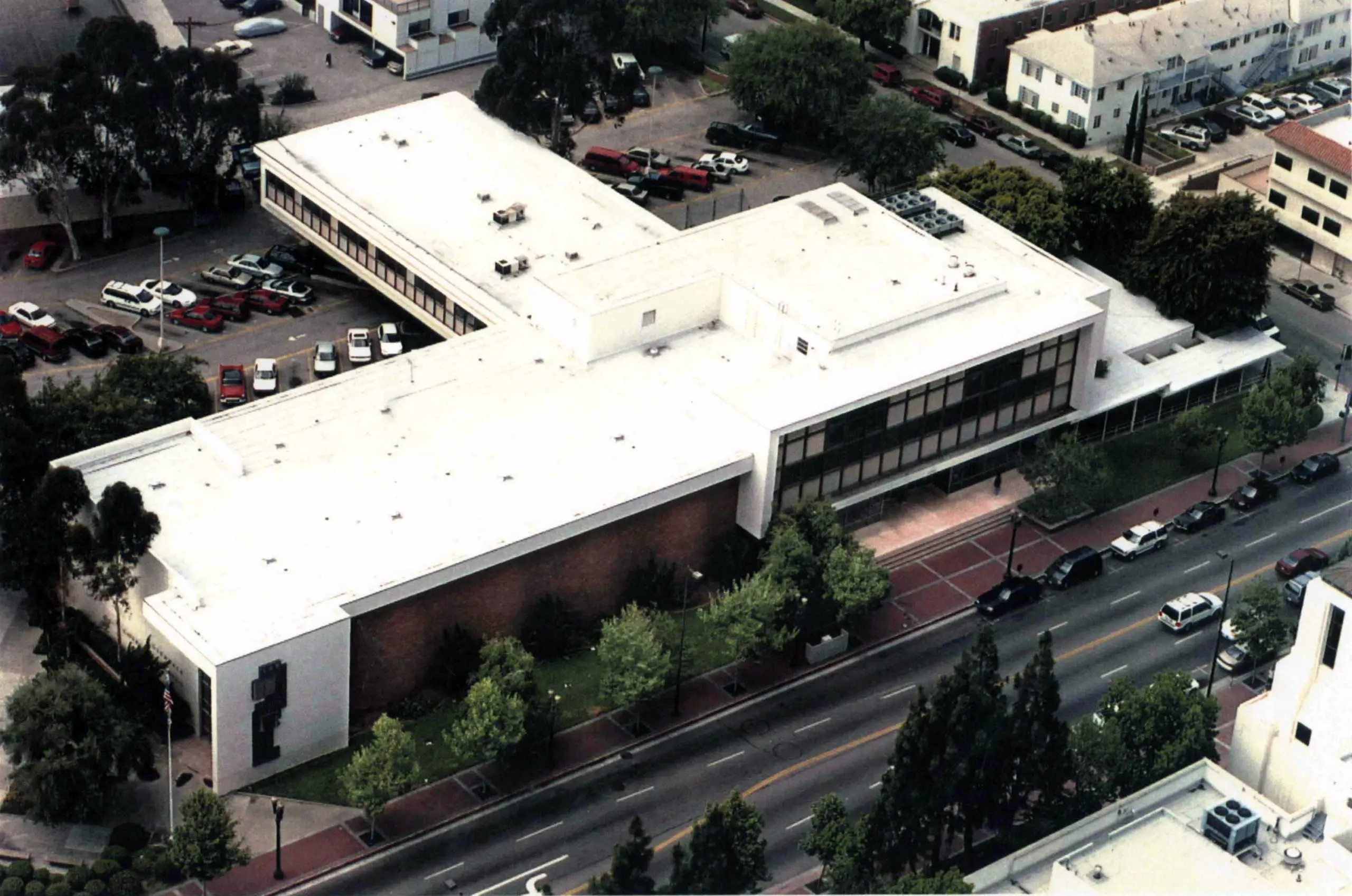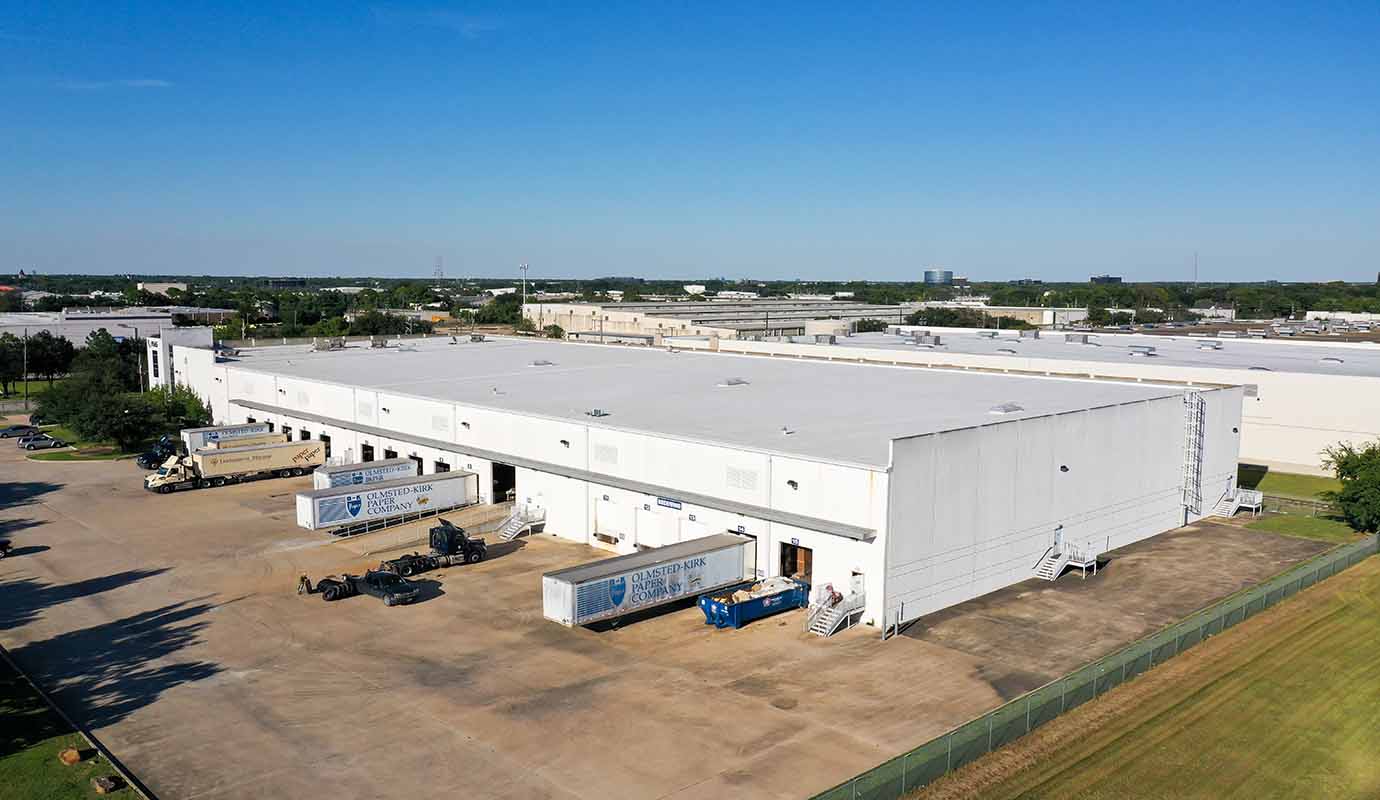
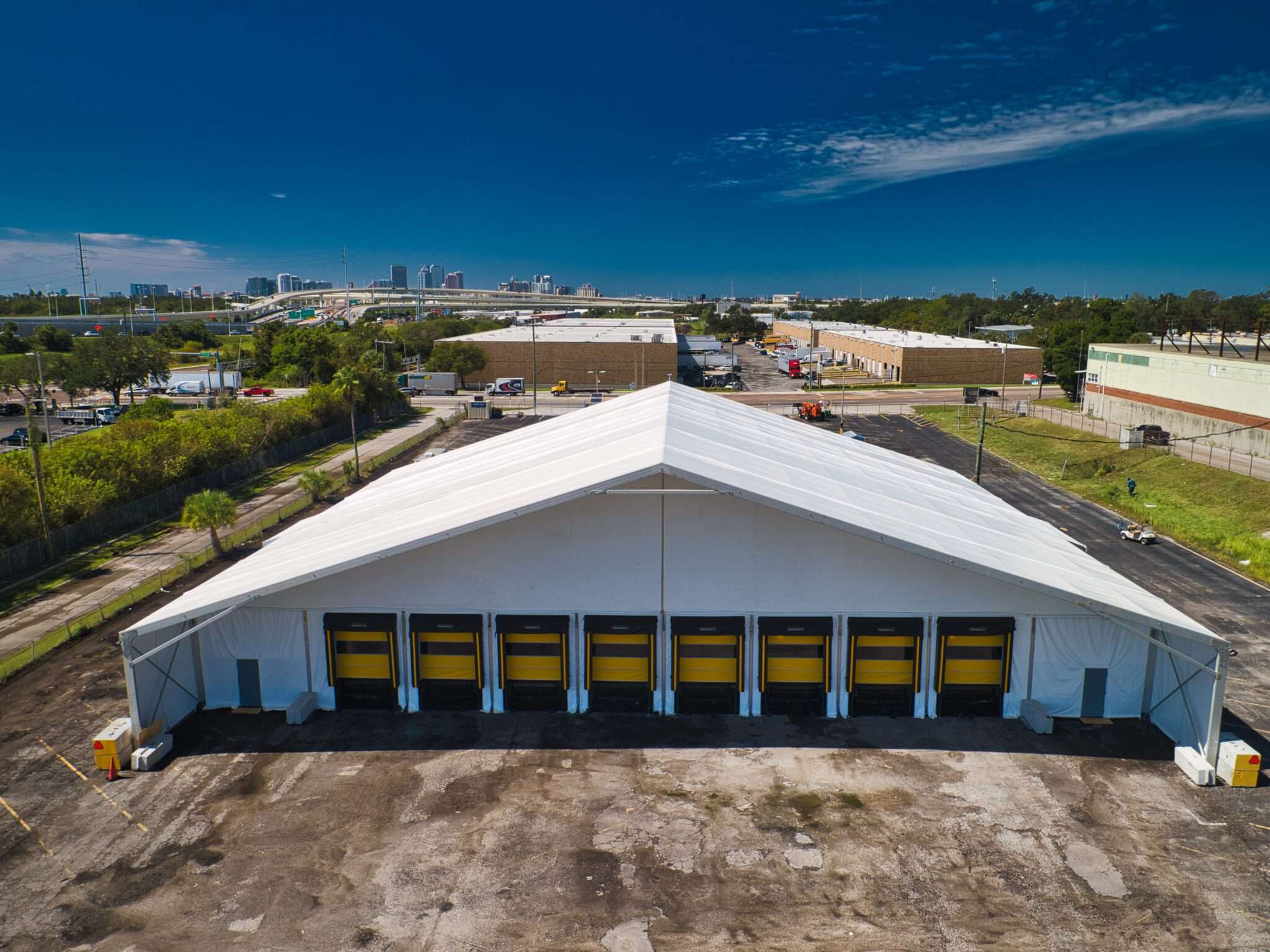
The Olive Branch and Southaven corridors along I-55 have become one of the most active distribution center markets in the mid-South. We maintain roofing service routes across this cluster - including IKEA Memphis DC and the surrounding national-brand DCs that have built out the DeSoto County logistics market.
DeSoto County, Mississippi - directly south of Memphis across the state line - has absorbed a substantial share of the Memphis-metro distribution center buildout over the past 20 years. Lower land costs, Mississippi's favorable business climate, and direct I-55 access have made Olive Branch and Southaven a preferred location for national retailers and third-party logistics operators building regional DCs. IKEA's Memphis distribution center in Olive Branch is among the largest single-tenant DC operations in the mid-South - its roof footprint alone exceeds what most general commercial contractors see in a year.
These distribution facilities share a common roofing challenge: massive roof areas, minimal slope, high roof-traffic from maintenance crews servicing HVAC and dock equipment, and a tenant operating model that makes unplanned downtime expensive. A leak that shuts down a pick-and-pack operation or damages inventory is not just a maintenance cost - it is a supply chain disruption event. We scope and maintain distribution roofs with that operational reality as the primary design constraint.
Large-Format DC Roof Scope Management
Distribution centers in the Olive Branch corridor routinely have roof surfaces of 500,000 to 1,000,000+ square feet on a single building. Managing a replacement or major repair project on a roof this size requires a different project management approach than a 50,000-square-foot commercial office: section-by-section production scheduling, daily dry-in discipline to protect active inventory below, and a production team large enough to sustain meaningful daily progress without sequencing gaps that delay the dry-in schedule.
We size our production crews to the building's section-sequencing requirement rather than to a standard crew template. A 200,000-square-foot DC replacement gets a crew structured to produce and dry-in 10,000-15,000 square feet per day - enough to complete meaningful sections within each workday, small enough to maintain dry-in integrity. The production schedule is built against that rate and adjusted for weather-window availability before the contract is signed.
Section sequencing for occupied DCs also requires coordination with the facility's inventory management. Rack rows beneath active tear-off sections need to be cleared or covered during production. We work through the facility manager to establish section sequencing that aligns roofing production windows with inventory rotation cycles - not just the roofing production efficiency.
Olive Branch and Southaven DC Market Specifics
DeSoto County permitting: Mississippi's commercial building permitting process differs from Tennessee. DeSoto County's building department handles commercial roofing permits for Olive Branch and Southaven addresses. Permit timelines are typically 5-10 business days for standard commercial roofing replacement. We pull permits for all replacement work regardless of property owner instruction - a DC without a permit record on its reroof is a liability during due-diligence if the facility trades.
Weather patterns south of Memphis: Olive Branch and Southaven sit at the northern edge of the Mississippi gulf climate zone - they receive similar rainfall to Memphis proper (50-55 inches annually) but can see weather fronts that track north from the Gulf of Mexico without the storm warning lead time that northwest-originating systems allow. Spring production windows require active forecast monitoring, and we maintain emergency dry-in materials at every active project in this corridor.
The I-55 corridor's DC cluster: Multiple national retailers and logistics operators have built DC facilities along the I-55/Stateline Road corridor between Southaven and the Tennessee line. We maintain service routes across this cluster. Facilities on our maintenance contract in this zone get same-day emergency response for leak events - we are already running crews in the corridor on maintenance days.
Dock-Door and Loading Bay Roofing Specifics
Loading dock overhangs are among the highest-maintenance roof areas on any distribution building. The overhang structure takes mechanical damage from trailer impacts, accumulates debris in the roof-to-wall junction above the dock doors, and is routinely overlooked in annual maintenance inspections because it requires a ladder setup rather than a roof-level walk. We include dock-overhang inspection as a standard item in every DC maintenance walk - condition assessment, drainage path confirmation, and flashing condition at the wall-to-overhang junction.
Trailer wash and dock apron drainage: Some Olive Branch and Southaven DCs operate trailer wash facilities adjacent to the dock apron. Chemical runoff from trailer washes can degrade standard EPDM and TPO flashings at the base of dock-wall flashings within 3-5 years. Where we identify trailer-wash adjacency during inspection, we specify chemical-resistant TPO or PVC flashing details at the dock-wall base rather than the standard EPDM detail.
Dock equipment vibration: Dock levelers, dock seals, and heavy forklift traffic inside the building create structural vibration that stresses roof-to-wall connections at dock bays over time. We inspect connection hardware at dock-wall parapets as part of every DC maintenance walk and report connection-hardware conditions that warrant repair before they become displacement failures.
Distribution center roofing scope in Olive Branch or Southaven?
Our project managers serve the DeSoto County DC corridor with the same documentation and project management standards we apply to Memphis proper. We pull permits and produce closeout packages that hold up at due-diligence.