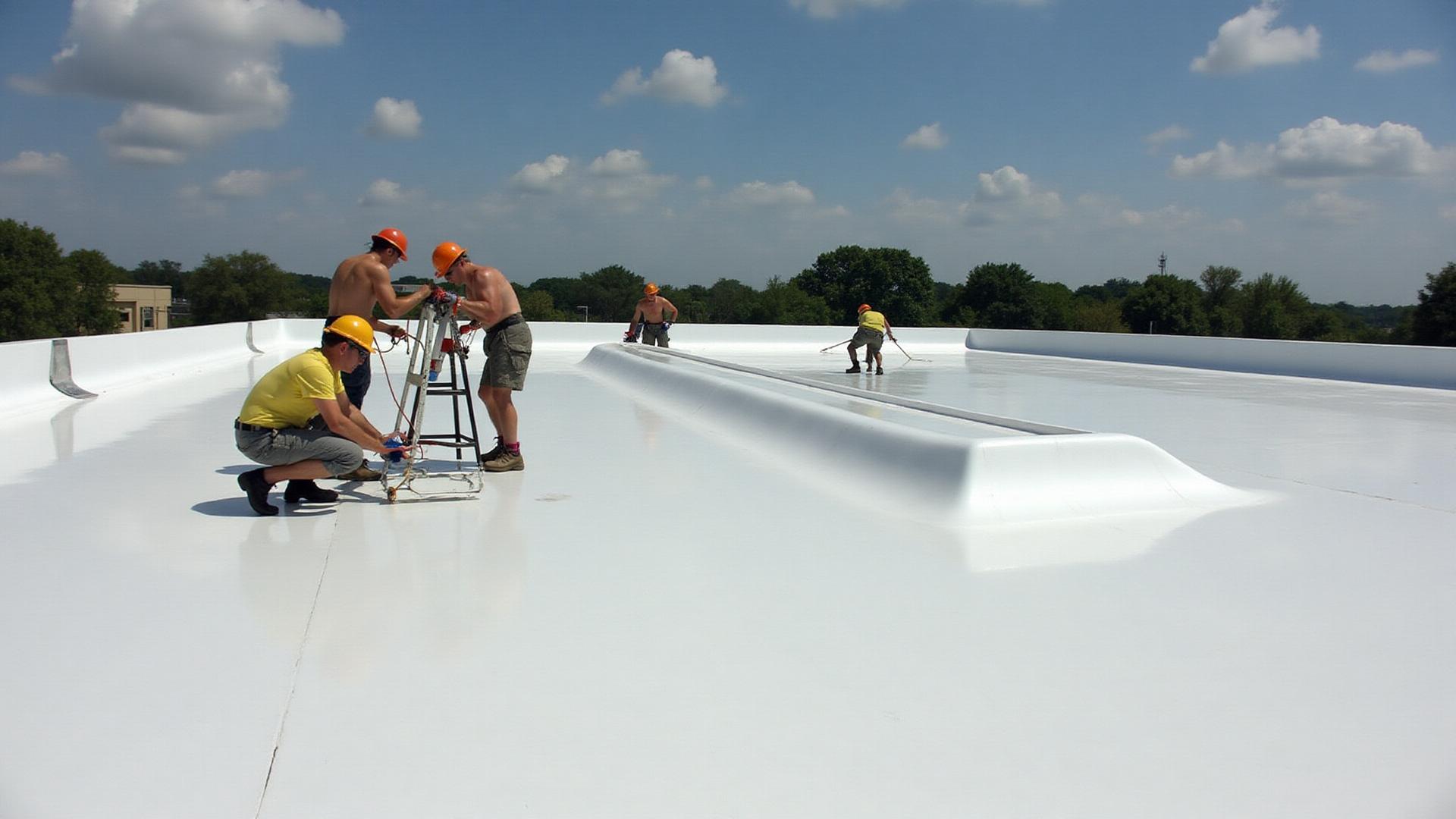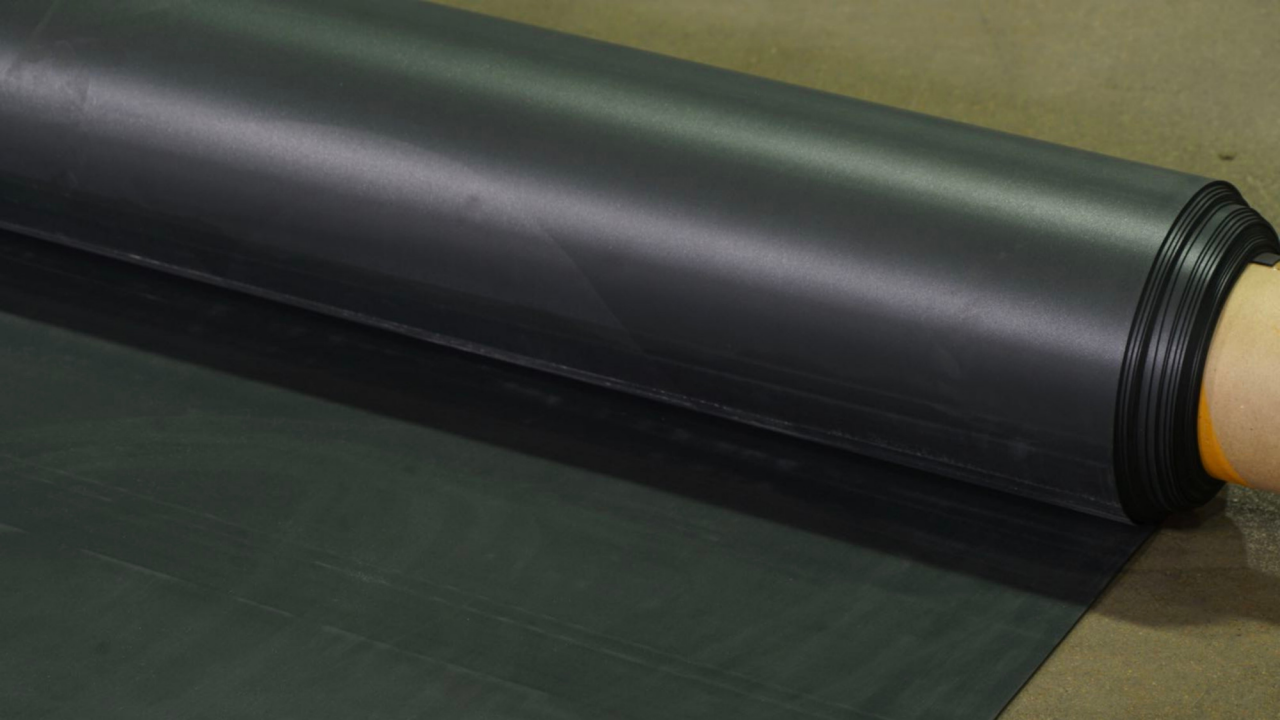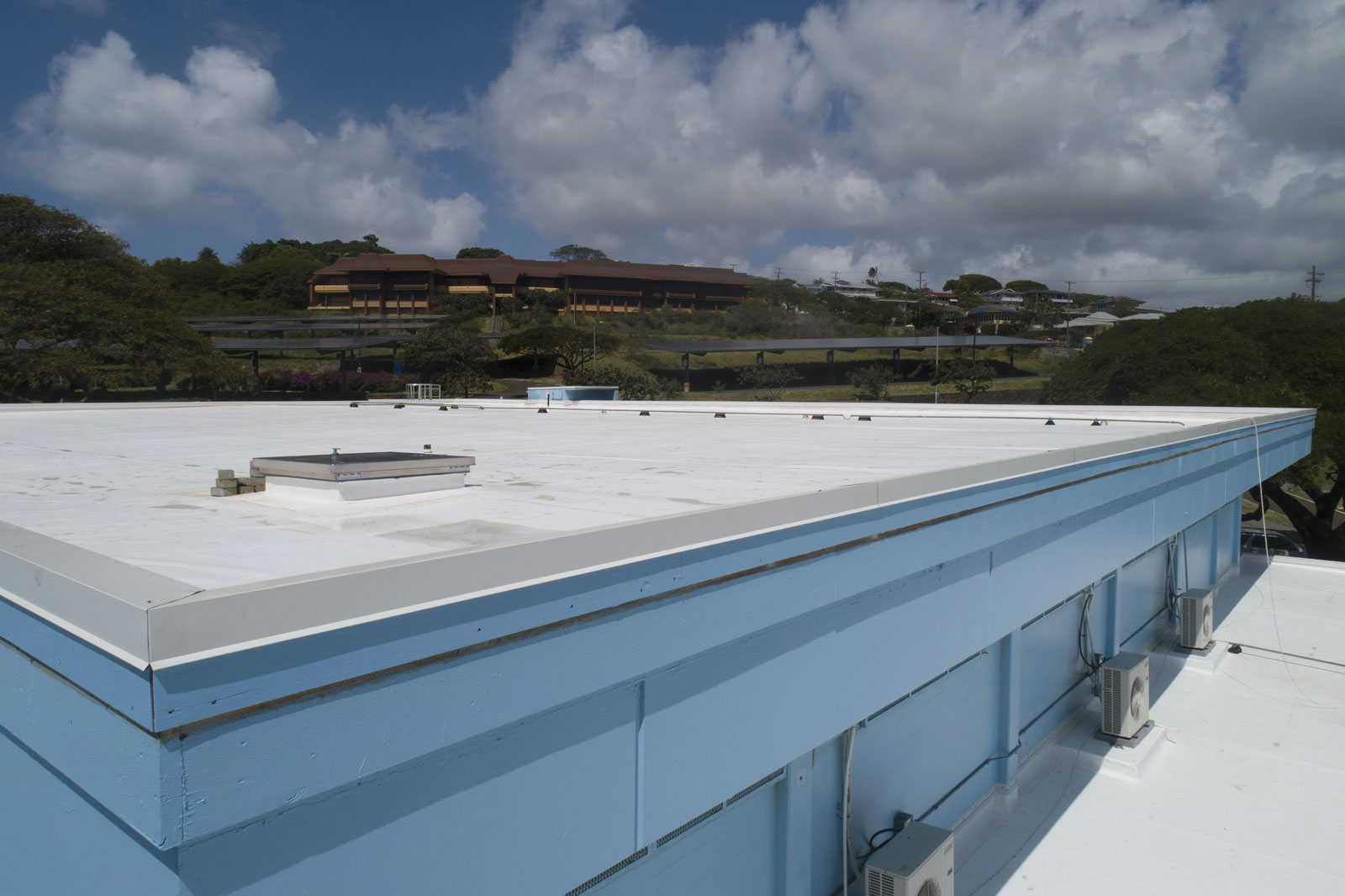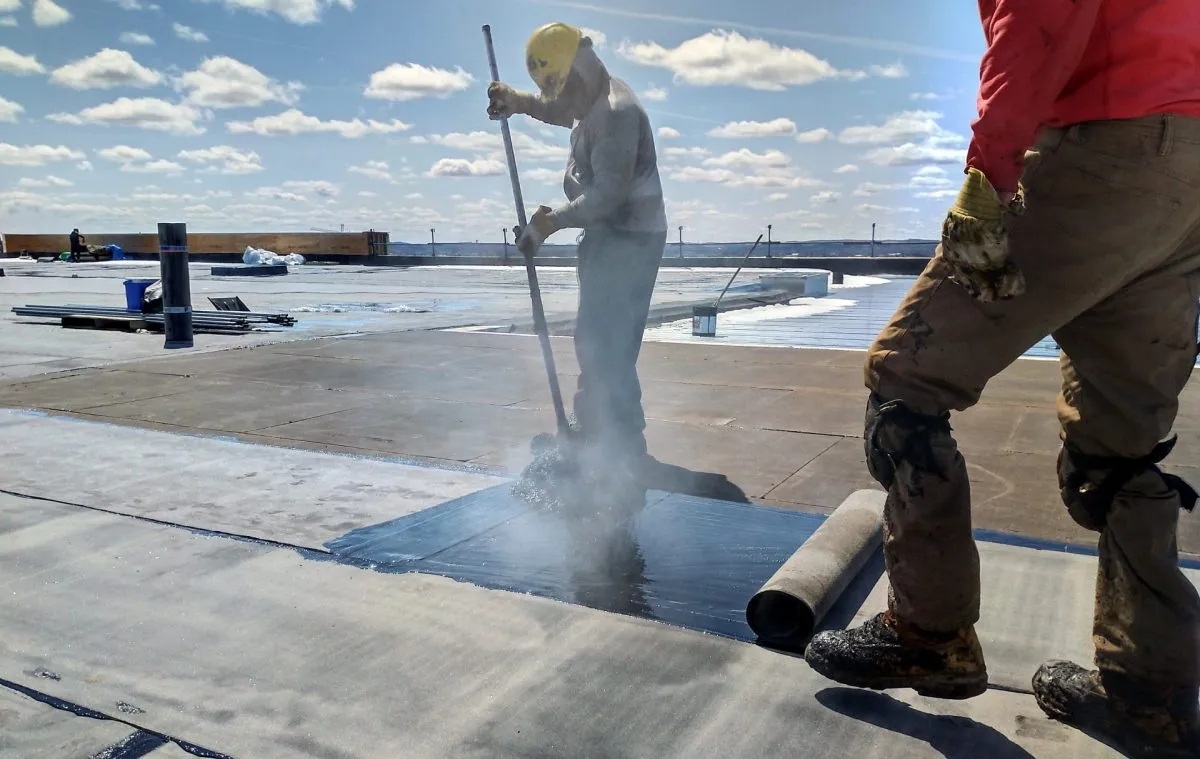
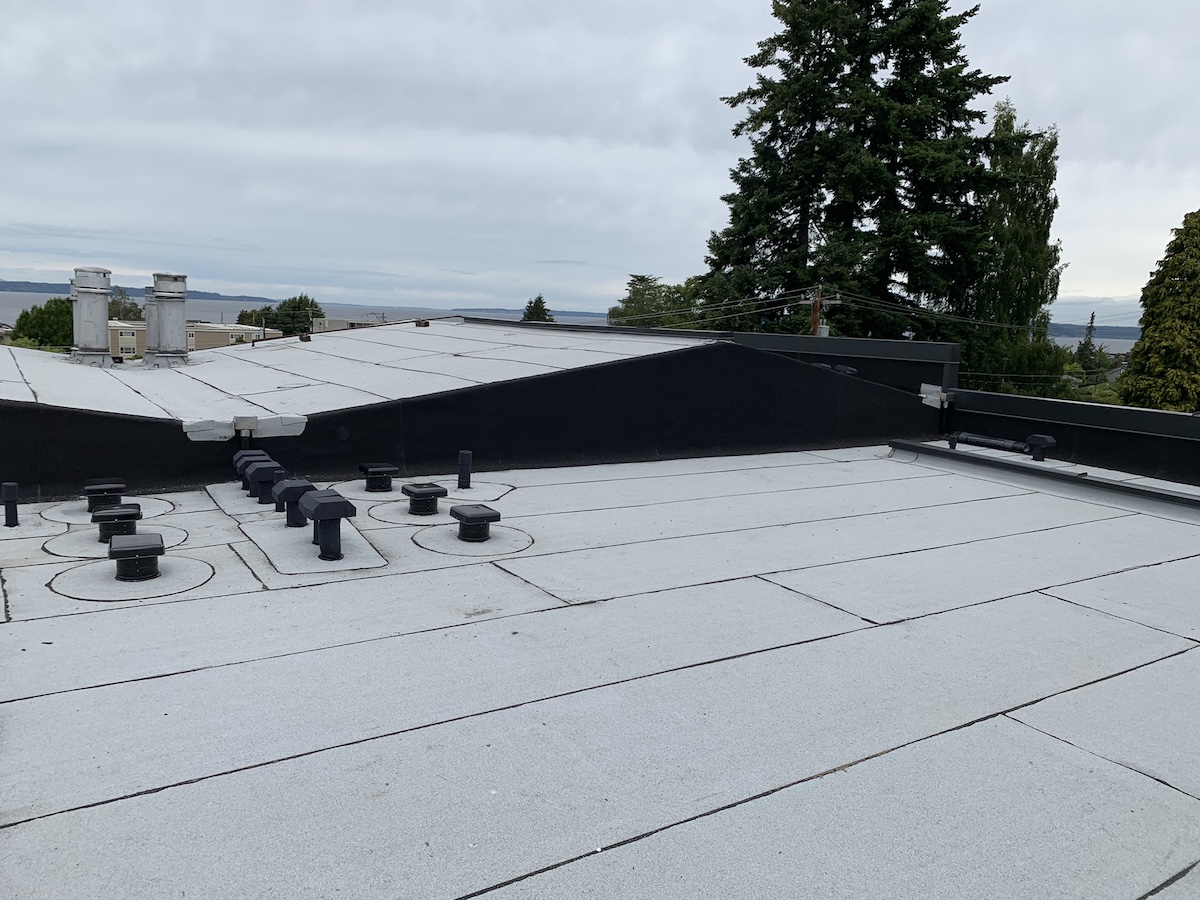
Modified bitumen systems bridge the gap between built-up roofing and modern single-ply - durable, field-repairable, and the correct choice for Memphis buildings with existing BUR or mod-bit systems where a compatible recover is more cost-effective than full replacement.
Modified bitumen was the industry's answer to the limitations of traditional built-up roofing - a factory-manufactured, polymer-modified asphalt sheet that could be installed faster than BUR, repaired more easily in the field, and engineered to perform through the temperature extremes that BUR aggregate and asphalt handled poorly. In Memphis, the commercial building stock from the 1980s and early 1990s carries a large inventory of original modified bitumen systems - two-ply and three-ply systems, torch-applied and cold-adhesive, running on metal deck and concrete substrates across the industrial and commercial corridors.
The recovery and replacement market for aging Memphis modified bitumen is active. Buildings in the Southeast Memphis industrial zone, the older warehouse corridors off Lamar Avenue, and the Mid-South commercial stock near the old railroad freight yards are reaching first major reroof cycles. Many of these roofs have been repaired multiple times without a documented scope - layers of cold-applied patch material over delaminating plies, drain retrofits that were installed without addressing the surrounding flashing, and insulation boards that have been wet and re-dried multiple times.
APP vs. SBS Modified Bitumen in Memphis Conditions
APP (atactic polypropylene) modified bitumen is torch-applied. The torching process fuses the membrane to the substrate and between plies - when done correctly, it creates a monolithic system with no adhesive layer to degrade. APP systems perform well in high-UV environments and have better resistance to surface erosion than SBS in direct sunlight. The torch-applied installation method requires hot-work permits on most Memphis commercial properties, particularly in the Medical District and any building with a suppression system - I coordinate permits before mobilization.
SBS (styrene-butadiene-styrene) modified bitumen is more flexible at low temperatures than APP - the rubber-modified asphalt bends rather than cracks in cold conditions. SBS can be installed with cold adhesive or heat welding rather than open flame, which expands the application environments where it can be used. For Memphis buildings where hot-work permitting is complicated - active medical floors, occupied office buildings, facilities with sensitive electronic equipment - SBS with cold-adhesive application avoids the torch entirely.
Granule-surfaced versus smooth-surfaced: Most modified bitumen cap sheets are granule-surfaced - the granules protect the asphalt from UV degradation. Smooth-surfaced cap sheets exist but require a flood coat of aluminum coating or an additional protective layer, adding maintenance cost. We specify granule-surfaced cap sheets as the default on all Memphis mod-bit work; smooth cap with aluminum coating is used only where the project scope specifically requires it.
Modified Bitumen Recover vs. Replacement Decision
The recover decision on Memphis modified bitumen hinges on three questions: Are the existing plies adhered to each other? Is the insulation dry? Is the deck structurally sound? If all three answers are yes, a single-ply recover over the existing mod-bit system - TPO, EPDM, or an additional modified bitumen cap sheet - can deliver another 15-20 years of service at roughly half the capital cost of full replacement.
Interply delamination is the specific failure mode We see most often on aging Memphis mod-bit systems. The combination of high summer temperatures - which soften the asphalt at the interply adhesion layer - and the thermal cycling driven by Memphis's dramatic seasonal temperature range produces delamination that starts at edges and penetrations and works inward. I check adhesion between plies by probing the cut edge of moisture-core locations and by checking any previous repair areas where ply separation is visible.
Deck condition is the variable that most often changes the recover-vs-replace answer. Memphis commercial buildings on older concrete deck - many of the 1970s-80s institutional buildings in the Medical District and the municipal buildings Downtown - sometimes show concrete deck spalling or rebar corrosion that must be addressed before any new roofing system is applied. We document deck condition at every core pull and at any deflection points or drain areas where deck movement is visible.
Repair Work on Existing Memphis Modified Bitumen Systems
Spot repair on mod-bit systems is feasible and cost-effective when the failure is localized - a failed drain boot, a parapet flashing separation at a single corner, a membrane blister over a wet insulation board. I use manufacturer-compatible patch material, match the ply count of the surrounding system, and confirm core temperatures above 50°F before applying cold-adhesive patches, since adhesive cure below that threshold is unreliable in Memphis's winter months.
Blister repair is a common Memphis mod-bit repair item. Blisters - air or moisture-vapor pockets between plies - form when membrane installation occurred over a damp substrate or when vapor drive from the interior pushes moisture into the membrane system. I cut open blisters, confirm whether the cavity is dry or has absorbed moisture, dry the area if needed, and patch with compatible material. If blistering is widespread across the field, it indicates a systemic installation issue, and We document it as a replacement indicator rather than a repair opportunity.
Drain replacement on Memphis mod-bit roofs is a frequent standalone scope item. The original cast-iron drains on 1970s-80s commercial buildings are often undersized for current drainage calculations, corroded at the bowl, and flanged with mod-bit that has lost adhesion at the clamping ring. We specify replacement with current-standard drain bodies and two-ply reinforced flashing, confirmed against the drainage calculation for the tributary area, on any drain that is leaking or structurally compromised at the flange.
Modified bitumen scope for a Memphis commercial building?
We will assess ply adhesion, insulation condition, deck integrity, and drain function, and produce a written scope - recover or replace - with cost band and manufacturer warranty path.