Documented inspections with a deliverable you can actually use - a zone-keyed photo log with scope columns that tells your maintenance team and your capital planner what is happening on the roof and what needs to happen next.
Most commercial roof inspections in Memphis end with a one-page summary and a handful of unlabeled photos. That document is worthless six months later when a parapet flashing fails and the manufacturer warranty team asks for documentation of prior condition. It is equally worthless at budget season when a facilities director needs to defend a capital request for roof replacement to a building owner who has never been on the roof.
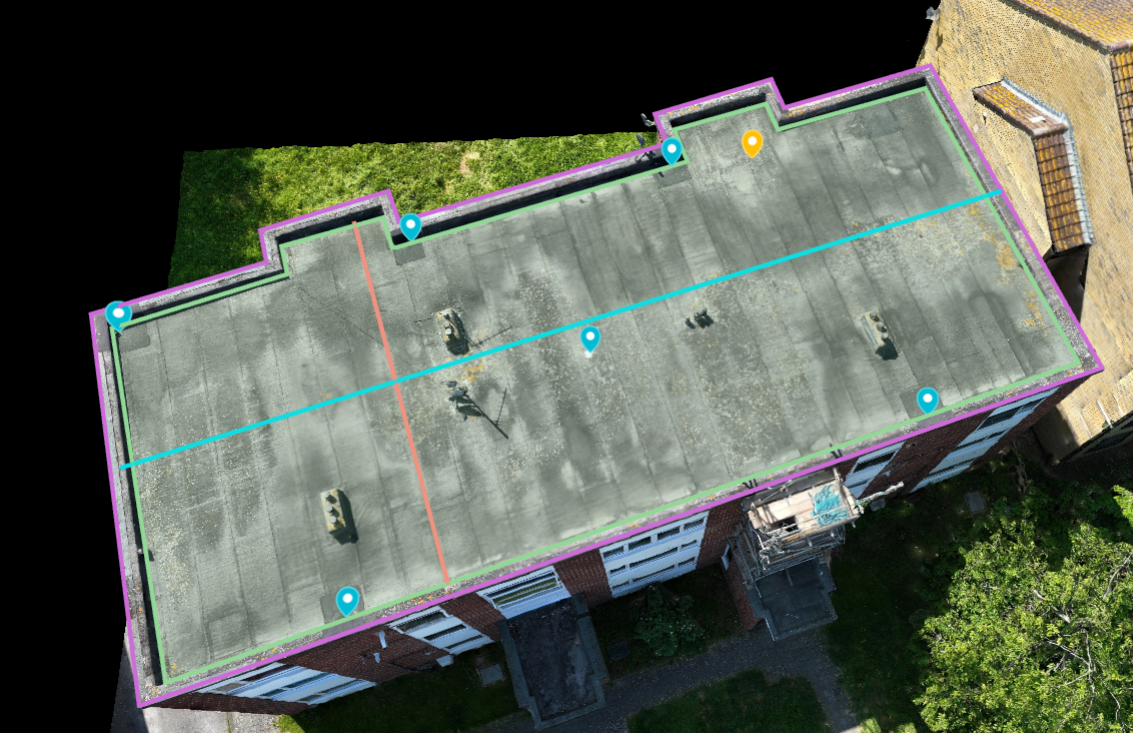
Our inspection protocol is focused on a specific deliverable: a zone-keyed log that maps every roof section, documents every defect by zone number, and records a scope column distinguishing between monitor, repair-now, and budget-for-replacement. Every photo is keyed to the zone diagram. Every inspection builds on the prior one, so the building owner accumulates a condition timeline rather than a series of disconnected snapshots.
What We Walk and What We Photograph
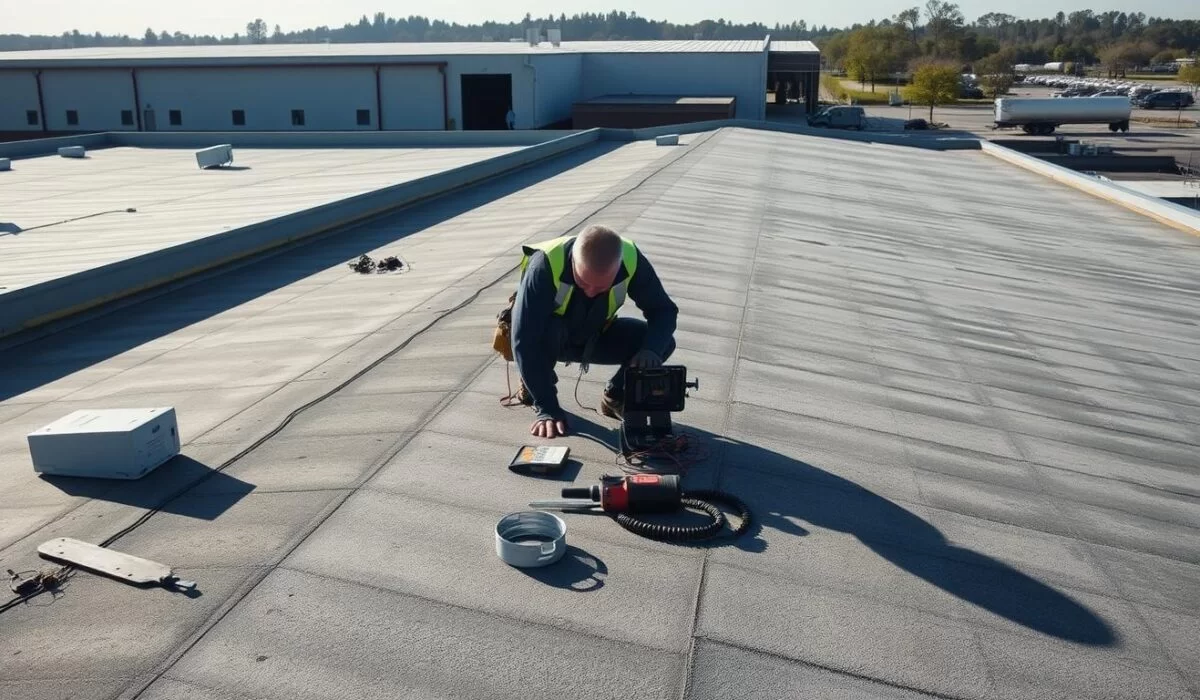
Field membrane: Every visible membrane defect gets photographed - blisters, open seams, membrane tenting over insulation ridges, alligatoring on modified bitumen, surface erosion, and any penetration in the field membrane. We do not spot-photograph. We walk every zone in the roof diagram and photograph its current condition, including zones that are in good condition, because the absence of defect is also documentation that becomes useful in warranty claims and ownership transitions.
Flashing at every transition: Parapet flashings, penetration flashings, HVAC curb flashings, expansion joint flashings, pitch pans - every transition is photographed individually and logged against the zone. Memphis's 54 inches of annual rainfall means flashing failures generate leaks faster than in drier markets, and flashing failure is also where most manufacturer warranty denials originate when the owner cannot produce documentation that the flashing was in acceptable condition before the event.
Drains: We photograph every drain surface, clear debris, and document standing water patterns. Memphis's Mississippi River alluvial subsoil causes seasonal structural movement that displaces drains over time. We note drain elevation relative to the surrounding membrane and flag any drain holding water at inspection - ponding is a specific warranty exclusion and a membrane life accelerant in any climate, but particularly in Memphis where the standing water from heavy spring rains can persist for days.
The Deliverable - Zone-Keyed Log and Scope Columns
Every inspection produces a zone diagram with numbered zones mapped to the building's actual roof layout, a photo log organized by zone number, and a condition matrix with scope columns. The scope columns are: (1) No action - document and monitor; (2) Repair now - repair within 30 days to prevent further deterioration or warranty exposure; (3) Budget for replacement - this area is at or past serviceable life and should be in next year's capital plan.
The zone diagram is the document that survives ownership transitions. Memphis's commercial real estate market - particularly the industrial and logistics inventory in the Aerotropolis and the Lamar Avenue corridor - sees frequent portfolio trades. When a building changes hands, the new owner's due-diligence team gets the full inspection history, not just the latest report, and can see how conditions have changed across the full record. That continuity is not possible with single-inspection summary reports.
When an Inspection Escalates to Moisture Survey
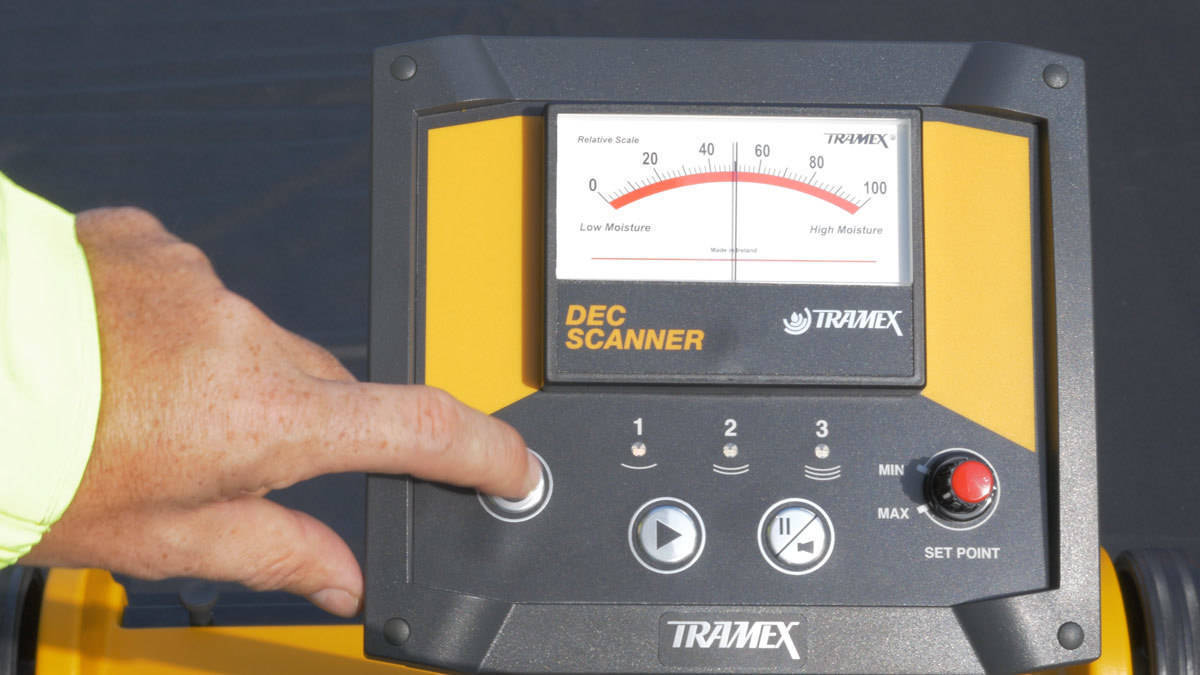
Visual inspection has a hard limit: a membrane can appear acceptable from the surface while the insulation below is saturated over a significant area. We escalate from visual inspection to moisture survey when we observe membrane conditions consistent with active water migration into the insulation - membrane tenting, insulation board ridging visible through the field membrane, soft substrate underfoot near drains - or when interior leaks reported by the tenant do not correlate to visible surface defects.
Memphis's humid subtropical climate means wet insulation is more common here than in arid or even mid-humidity markets. On Memphis roofs over 15 years old that we inspect and then core, we find saturated insulation on a high percentage. We tell the building owner before scheduling the moisture survey what we found during the visual inspection that triggered the recommendation. The decision to proceed belongs to the owner - we explain what the moisture data would provide and why it matters for the specific capital decision at hand.
Schedule a documented inspection for your Memphis commercial roof.
We walk the roof, produce a zone-keyed photo log with scope columns, and deliver a report you can use for capital planning, warranty support, or insurance documentation. Call 901-808-8931 or use the form below.