Recurring maintenance contracts for Memphis commercial roofs - semi-annual or annual inspection cadence, documented visits, and manufacturer warranty maintenance compliance built into every visit.
A commercial roof maintenance contract in Memphis either means something specific or it means nothing. The kind that means nothing: a contractor shows up once a year, walks the roof for 20 minutes, patches a split or two, and invoices for a maintenance visit without producing the documentation the manufacturer warranty desk will accept. The owner pays every year and the warranty lapses anyway because the submission format, content requirements, and filing deadline were not met.
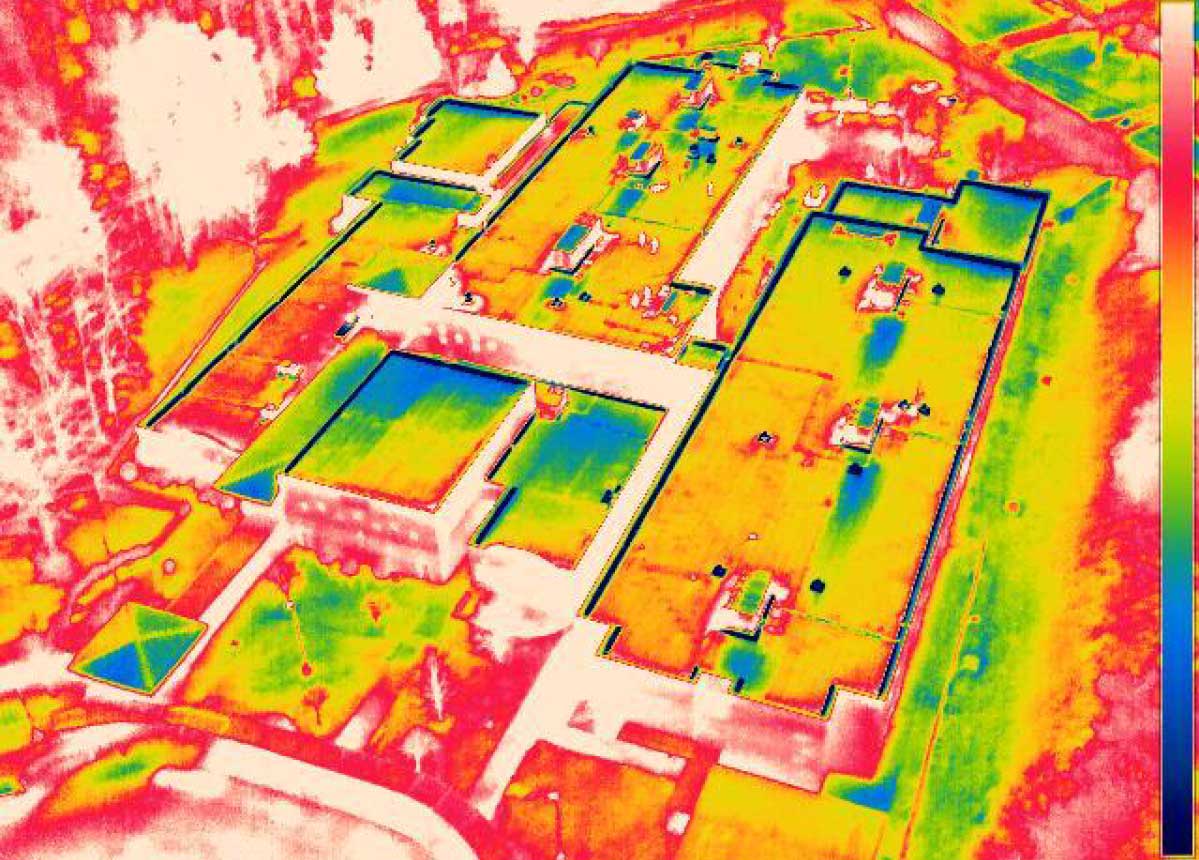
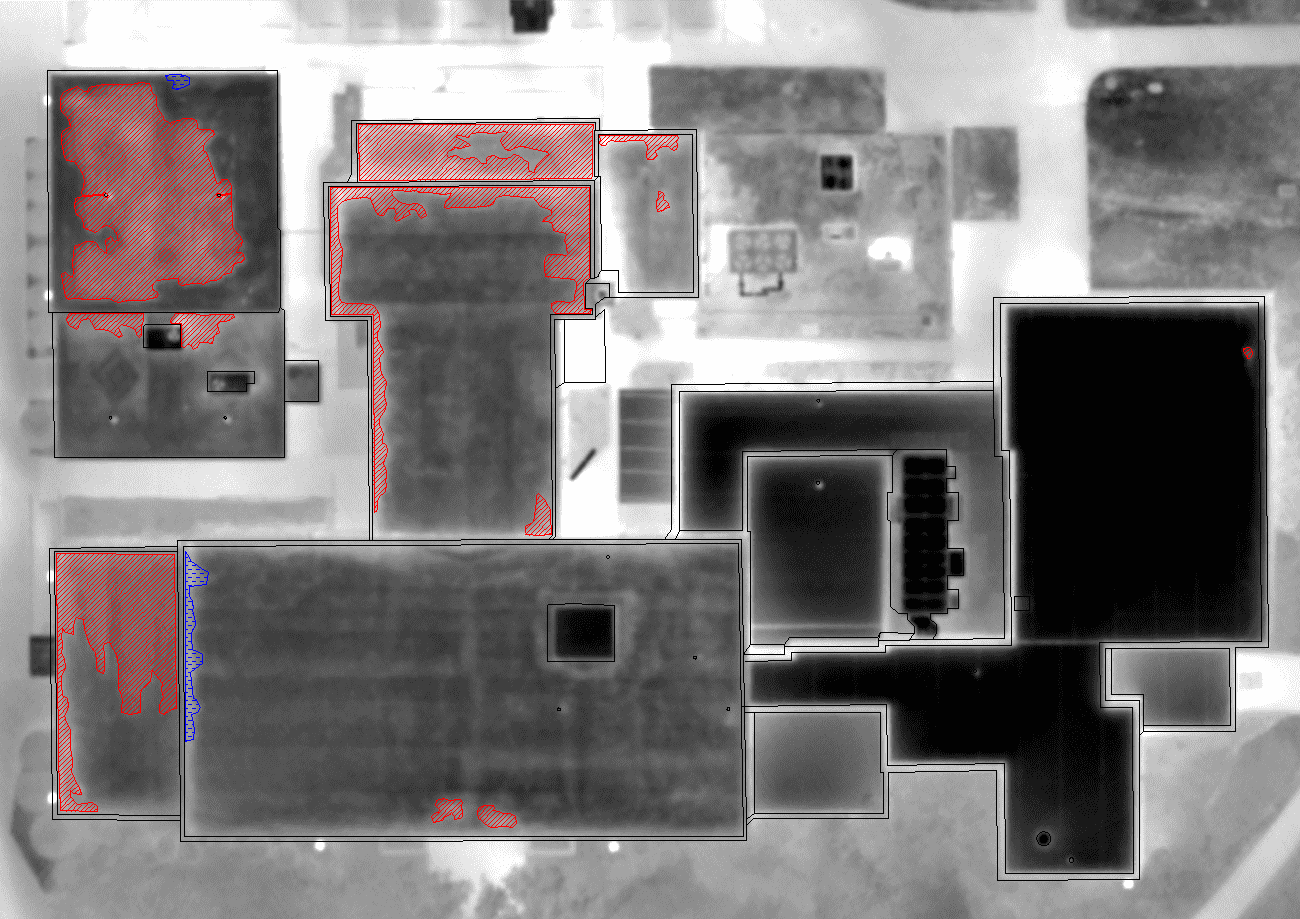
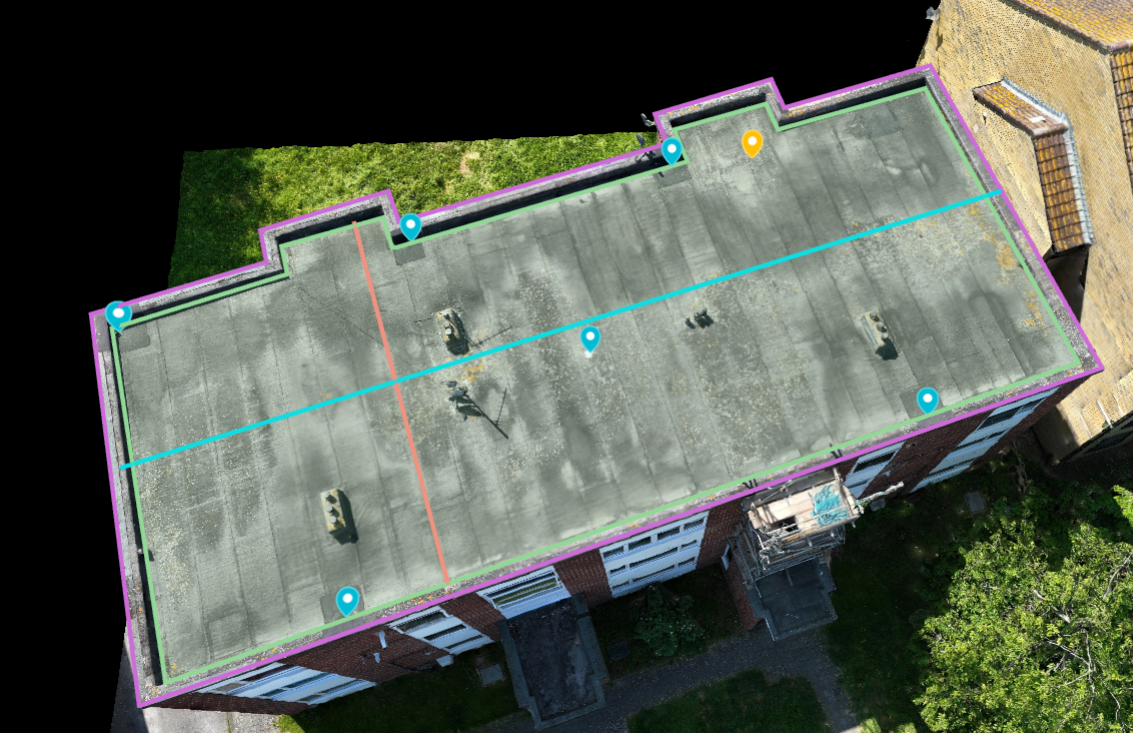
The maintenance program we run is focused on documentation first. Every visit produces a zone-keyed condition report referenced to the building's permanent roof diagram, a photo log organized by zone, a repair summary with before-and-after photographs, and a manufacturer maintenance submission in the exact format the warranty desk requires. For Memphis owners with multiple buildings on the program, the documentation format is consistent across every property - same zone diagram convention, same photo organization, same report structure - so a Bartlett industrial building and an East Memphis medical office building produce reports that the facility team reads the same way.
Semi-Annual vs. Annual Cadence - Choosing the Right Program
Most manufacturer NDL warranties require documented inspection at minimum once per year. Some require semi-annual visits. We default to semi-annual for Memphis commercial buildings beyond the manufacturer requirement because the climate creates two distinct damage windows that benefit from separate documentation cycles.
The spring visit (March or April) documents baseline condition after the winter thermal cycle, clears any debris that has accumulated in drains through the dormant season, verifies that parapet flashings survived the clay-movement stresses of winter, and establishes the pre-storm condition baseline that matters for any warranty or insurance claim arising from the April-through-June severe weather season. Memphis's position in the Gulf moisture track means intense spring storm events are not anomalous - they are the expected operating environment, and a documented pre-storm baseline is the documentation that makes a claim defensible.
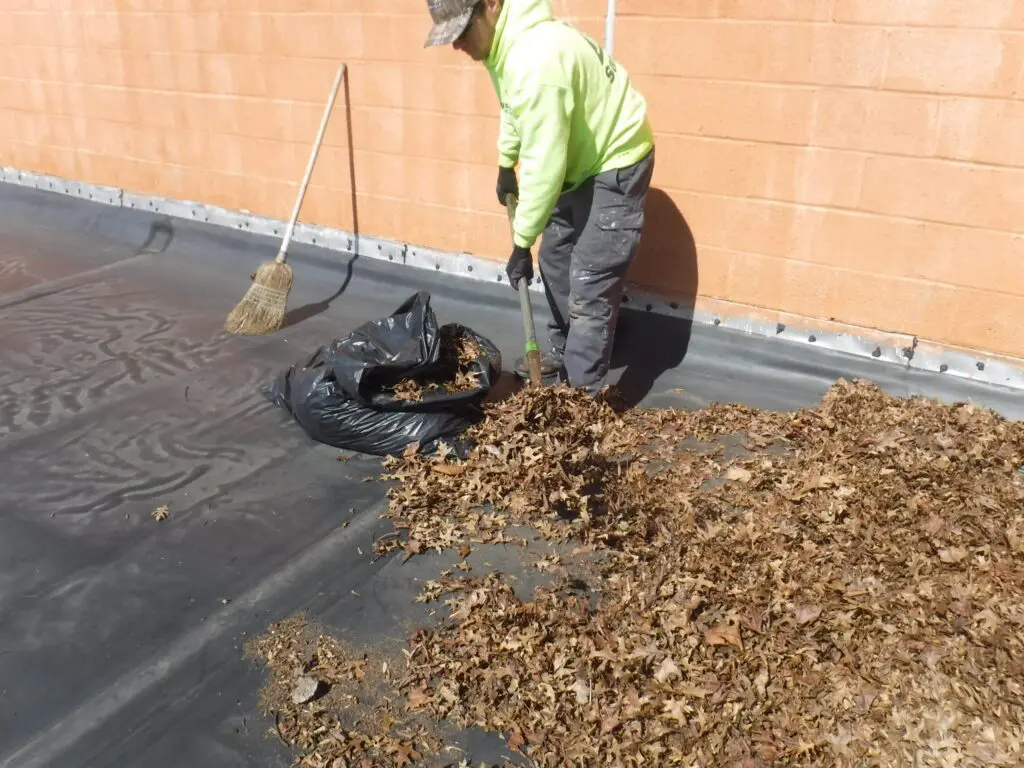
The fall visit (October or November) follows the summer heat-stress period when Memphis rooftop surface temperatures regularly exceed 160°F on dark membranes and 120-130°F on reflective TPO. This visit documents any membrane deterioration that appeared during the summer, checks seam condition at high-traffic equipment zones, and clears the drainage system before the winter rainfall pattern settles in. Annual-only programs miss one of these two windows and leave the building with a gap in its condition record that matters at the worst possible moment.
What We Deliver on Each Visit
Condition report: Zone-by-zone assessment covering field membrane condition (seam integrity, surface chalking, puncture damage, lap adhesion), flashing condition at all penetrations, drain bodies, parapet returns, and curb tops, rooftop equipment observations as they affect the roof system (missing or deteriorated curb flashings, improperly routed condensate lines, abandoned penetrations left open), and drainage system status (drain screen condition, ponding zones identified and measured, scupper condition). Every observation is keyed to the zone diagram and accompanied by a photograph taken at the time of the visit.
Repair scope: Any condition requiring immediate attention is scoped and priced on the same visit. We separate active leak risks from warranty-jeopardizing conditions from cosmetic deterioration. Memphis facility managers receive a tiered repair list so the budget can sequence work rather than treating every flagged item as equally urgent.
Manufacturer submission: For buildings on an active NDL warranty, we complete and submit the manufacturer's required maintenance form within the filing window after each visit. We retain submission confirmation from the manufacturer's warranty desk and include it in the visit package delivered to the owner. This is the documentation step that most maintenance programs fail to execute correctly.
Emergency Response Priority for Maintenance Contract Clients
Memphis emergency dry-in calls for maintenance contract clients are dispatched ahead of non-contract calls. The spring severe weather season - when fast-moving convective cells can drop two inches in forty-five minutes over Shelby County - generates multiple simultaneous emergency calls. Contract clients on the inner corridors (Downtown, Midtown, South Main Arts District, the Medical District along Madison Avenue) get crews on-site within four business hours. Suburban corridors including Germantown, Bartlett, and Cordova are same-day.
Emergency dry-in calls within a maintenance contract do not consume the maintenance visit. A tarp-and-dry-in call in May and the scheduled spring maintenance visit are separate line items. We invoice the emergency response at our standard rate; the maintenance contract continues on its scheduled cadence. Clients on maintenance contracts are not penalized for calling us when the building needs immediate attention.
Looking for a Memphis commercial roof maintenance program?
We will inspect your building, document current condition, identify any warranty maintenance gaps, and propose a cadence that keeps every manufacturer warranty intact and every drain functioning. Call 901-808-8931 or use the form.