
Flex roofs in Memphis carry years of tenant changes nobody wrote down
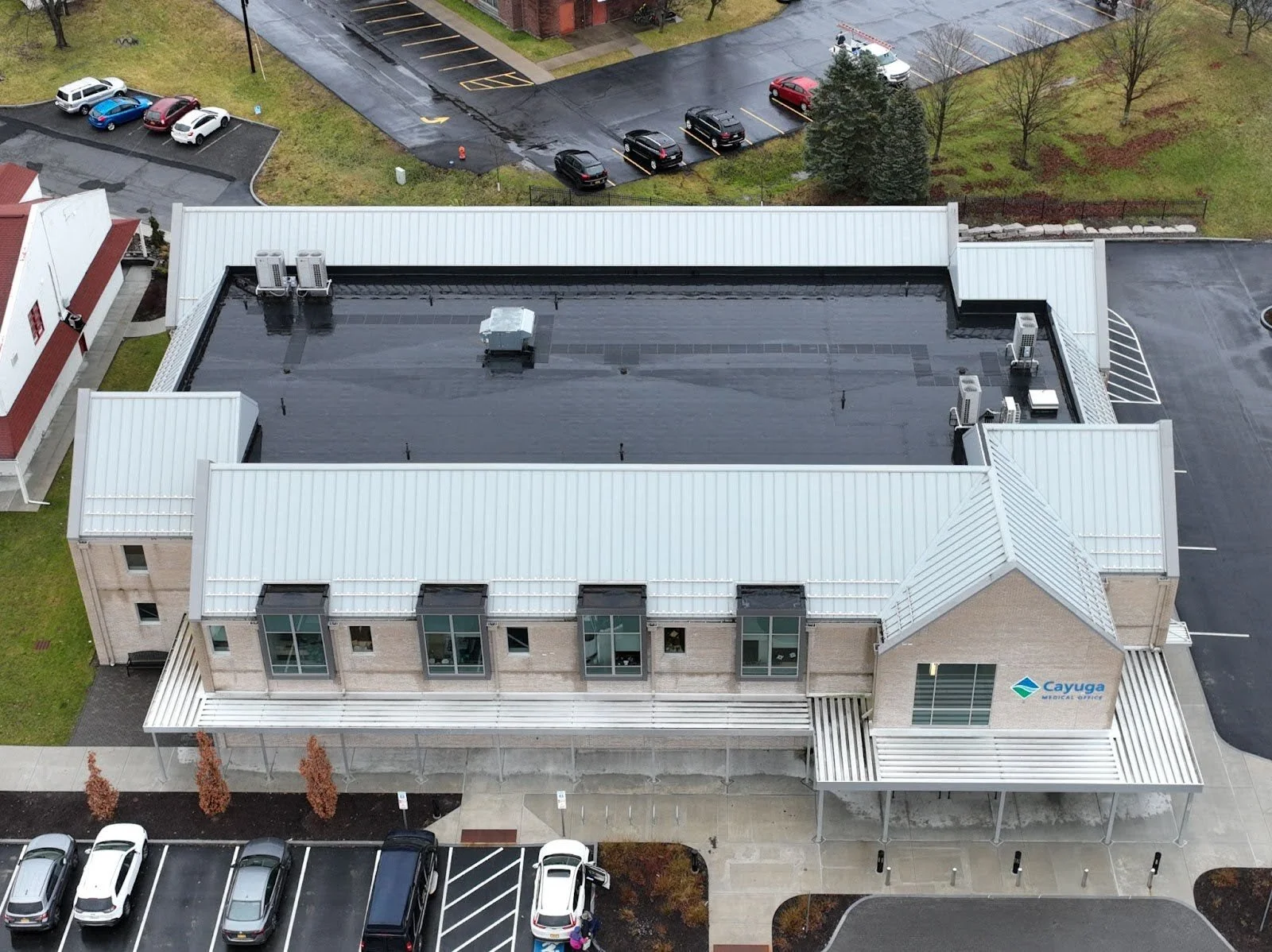
A flex building is rarely one thing. The bay on the north end might run a screen-printing shop, the middle might be a contractor's warehouse-and-office, and the south end might be a small e-commerce fulfillment tenant who took the space last spring. Every one of those tenants put something on the roof or punched through it: a new rooftop unit for an added office buildout, an exhaust fan over a spray booth, a data conduit, a vent for a break room. We have walked flex roofs off Brooks Road and Raines Road where the penetration count doubled over fifteen years and not one of those additions showed up in the building file. That is the defining roofing problem of multi-tenant flex, and it is where we start every project.
Before we price anything, we walk the whole roof and build a penetration inventory. We photograph each curb, pipe boot, conduit run, and abandoned opening, then map it against the original drawings when the owner has them. Abandoned penetrations from a tenant who left two leases ago are a classic flex failure point. The departing tenant pulls their rooftop unit, somebody slaps a cap or a piece of membrane over the open curb, and it survives one season before it starts feeding water into the deck. We find those, document them, and fold the remediation into the scope so it does not become a warranty fight after the new membrane is down.
Why Memphis has so much flex inventory in the first place
Memphis sits at the intersection of five Class I railroads, the Mississippi River, and the busiest cargo airport in North America at the FedEx World Hub. That logistics gravity pulled in decades of small and mid-size industrial development, and a lot of it took the flex form: a low-slope shell, demising walls a landlord can move, and bays a tenant can lease as warehouse, light assembly, or showroom-plus-storage. You see it densely along the Lamar Avenue and Getwell corridors in southeast Memphis, across the Hickory Hill and Raines Road submarkets, and in the older flex parks that ring the Memphis International Airport perimeter. As newer big-box distribution pushed south into the DeSoto County industrial belt around Olive Branch and Southaven, a large share of the legacy flex stock inside Shelby County aged into reroof territory at the same time.
That matters for how we spec. A 1980s tilt-wall flex building on Getwell is a different animal from a 2015 pre-engineered metal building out near Olive Branch. The first usually wants a tear-off or recover with mechanically attached TPO over fresh polyiso; the second may be a candidate for a coated-metal or retrofit system that buys years without a full deck-up replacement. We confirm deck type and core the assembly before we recommend either one, because the wrong call on a flex roof gets expensive across the whole tenant roster, not just one unit.
Multi-tenant penetrations are the whole ballgame
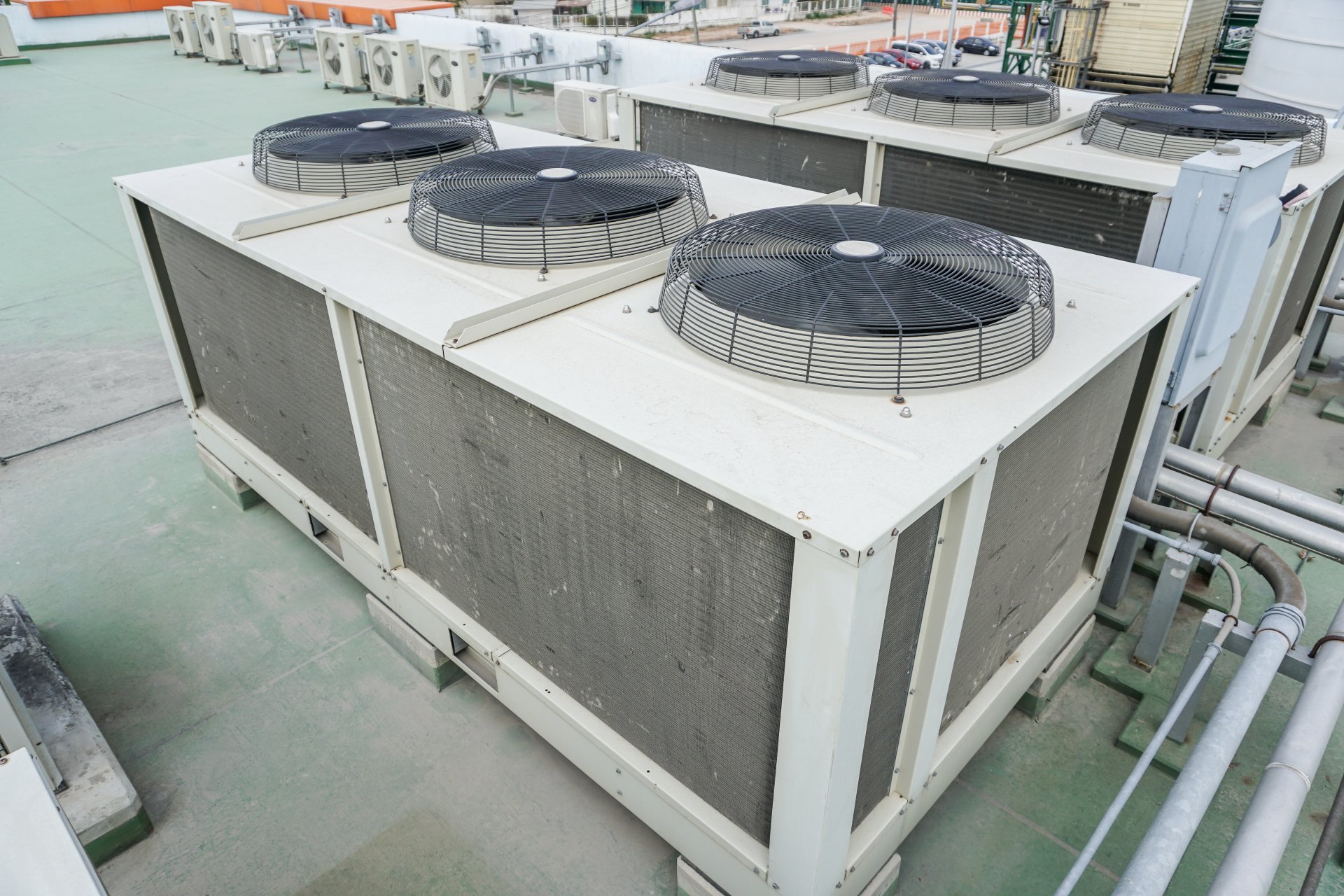
The reason flex roofing is harder than a single-occupant warehouse is density and disorganization, not size. On a single-user box, the mechanical layout follows one plan. On a flex roof, you have ten different HVAC service contractors who have each been up there over the years, every one of them tying into the membrane on their own schedule with their own detailing standards. We treat each penetration as its own flashing item and bring all of them up to the manufacturer's current detail, because a warranty is only as good as its weakest curb.
Where a single tenant has loaded up a bay with added rooftop units, we also check that the structure was ever designed to carry it. Flex landlords approve tenant improvements without always looping in a structural review, and we have found rooftop equipment sitting over framing that was never sized for it. We flag that for the owner rather than roofing over a problem and leaving it for the next crew.
Working around bays that never all empty at once
A flex building almost never goes dark. While one bay sits vacant between leases, the units on either side are running, shipping, and expecting their tenants to show up to a dry space. Our sequencing starts from a bay-by-bay occupancy map and the lease-contact list the property manager gives us. We identify which tenants have live rooftop equipment we cannot interrupt, which bays are empty, and which tenants have noise or dust sensitivity, then phase the work so each section is dried in the same day it is opened.
Tenants hear about the schedule through the property manager, not from a crew member in the parking lot. That keeps the messaging clean and keeps us from getting pulled into a dozen side conversations that derail production. Vacant bays get extra attention on the front end, too, because empty units accumulate roof debris and clogged drains faster than occupied ones nobody is watching.
We photograph and map every penetration on the roof during the pre-bid walk, compare it to the original drawings if they exist, and identify any opening that is non-standard, abandoned, or improperly sealed. Those get remediated before new membrane goes down, so they are part of the priced scope rather than a surprise after closeout.