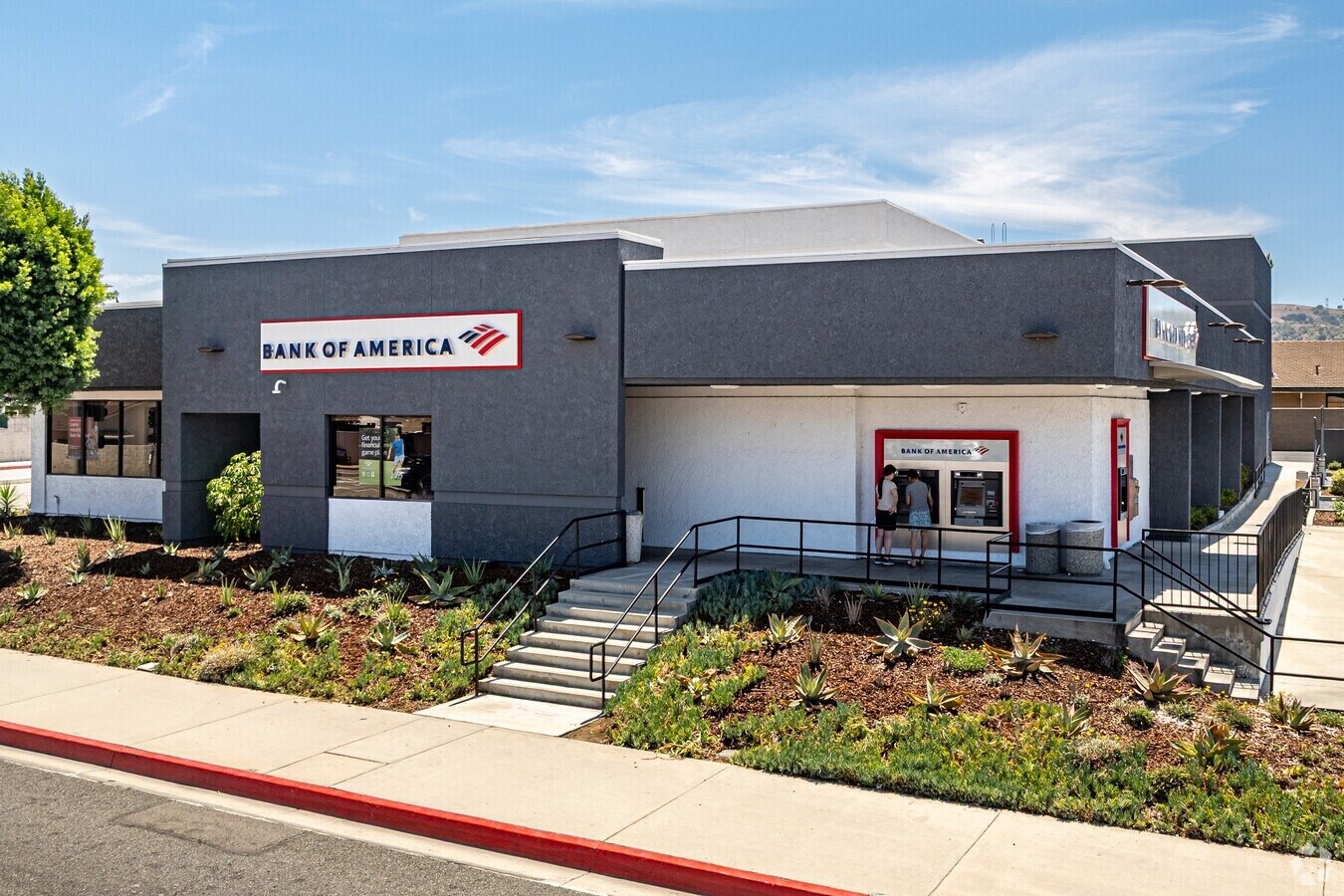
Small roof, high stakes
A bank branch does not have much roof. What it has is a small, highly visible flat roof sitting directly over the things a financial institution can least afford to get wet: a vault, a server or network room, a cash-handling area, and a customer-facing lobby. The square footage is modest, but the consequence of a leak is not. Water staining a branch ceiling during business hours is not just a repair, it is a customer-confidence problem in a building whose entire purpose is to project stability. So we approach a bank roof the way the institution approaches its own operations: low tolerance for surprises, tight control over access, and everything documented.
The visibility cuts the other way, too. A branch roof is often seen from the drive-through lane, the parking lot, and the street, so the appearance of the parapet, the coping, and the rooftop equipment screening matters in a way it would not on a hidden warehouse roof. We keep the finished work clean because on a bank it is part of the storefront.
The drive-through canopy is where banks actually leak
Across the bank work we do, the chronic leak is almost never in the open field of the roof. It is the drive-through canopy. That canopy ties into the main building at a transition detail that takes a beating: it heats and cools and moves on its own cycle separate from the building, it catches wind-driven rain off the lanes, and over the years the connection where the canopy roof meets the wall works loose. Standard retail flashing details were never built for that kind of differential movement, and replacing the field membrane does nothing to fix it. We treat the canopy-to-building transition as its own scope item, evaluate it separately, and re-flash it with a detail designed for the movement it actually sees. The ATM kiosk enclosures, night-deposit penetrations, and signage attachments around the drive-through get the same individual treatment.
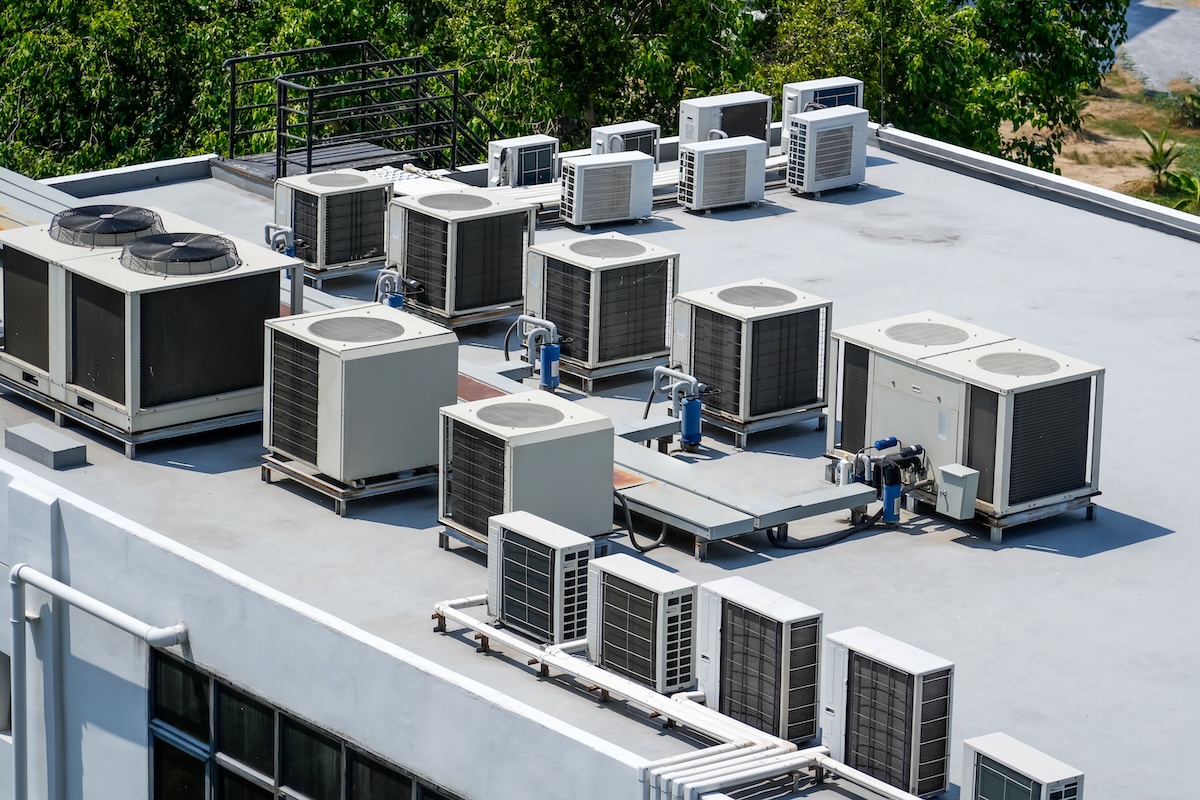
Beyond the canopy, a small bank roof can carry more penetrations than its footprint suggests. Generator and transfer-switch room exhaust, precision air conditioning for the server room, and security equipment all punch through the membrane, and each one becomes a flashing item we document and bring to current detail before new membrane goes over it.
Security access shapes the schedule before the roof does
Financial buildings control who gets on the property and who goes near sensitive areas, and that governs the roofing job more than the membrane choice does. Contractor badging, escort requirements for vault-adjacent zones, and security-camera documentation of crew activity are standard at bank-owned properties. We build that coordination into the bid schedule and the crew credentialing from the start, so the security timeline is a known quantity rather than a cost that appears after the contract is signed. Where the work sits over a vault, we identify the vault location from the drawings before we mobilize, sequence that roof zone into approved windows, and confirm with the security team that no active vault operations are affected by vibration or temporary access changes.
Memphis is a real financial center, from corporate towers to neighborhood branches
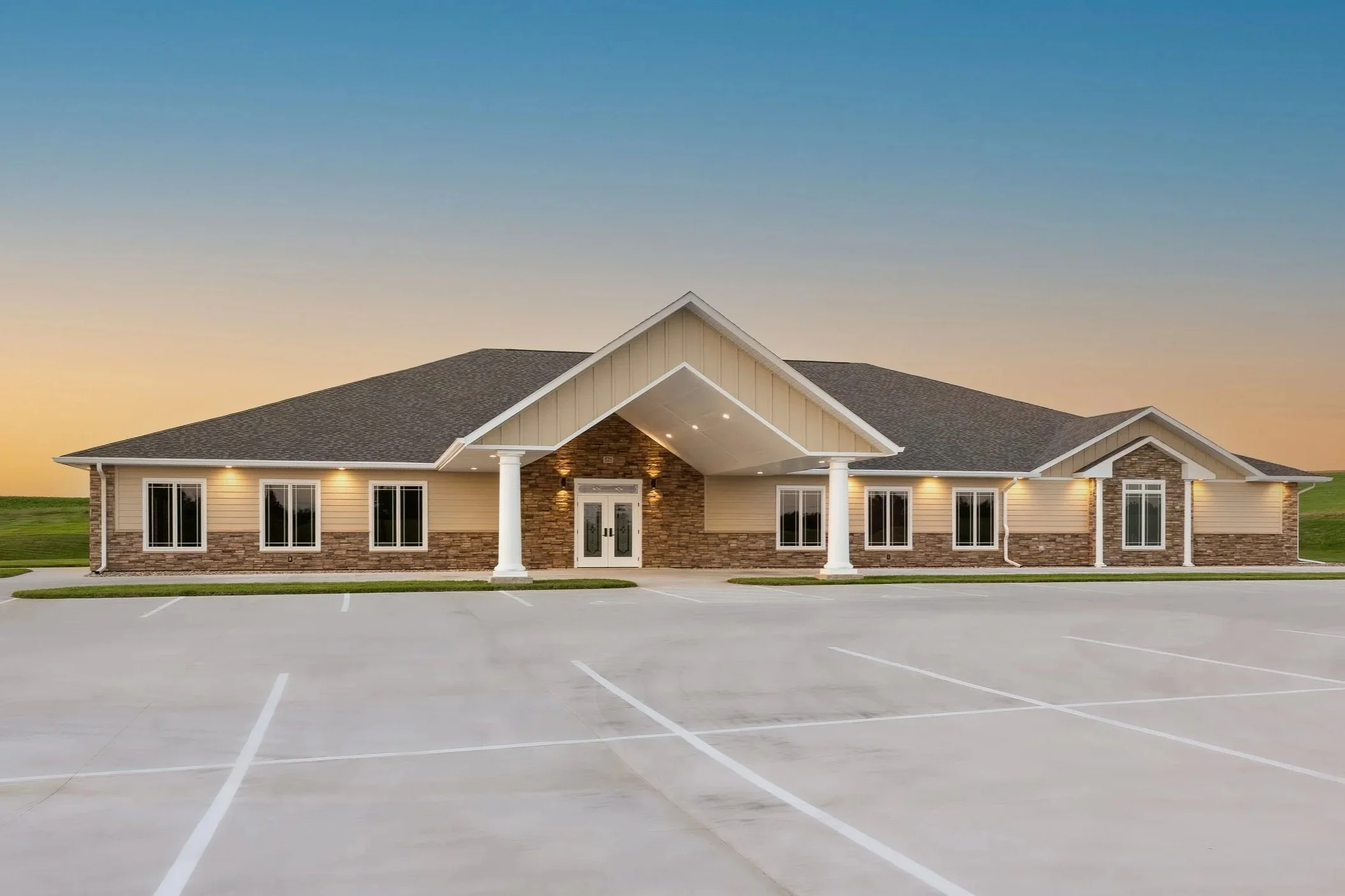
Memphis carries a deeper banking presence than a metro its size usually would, and the building stock runs the full range. First Horizon, headquartered downtown, anchors a corporate financial footprint, and the major national banks and a strong roster of regional and community banks and credit unions operate branches across the metro. That shows up as three different roofing problems. Downtown you have Class A financial office space with larger low-slope roofs. Along the East Memphis Poplar corridor, the metro's financial and professional spine, you find both mid-rise financial offices and pad-site branches. And out along Germantown Parkway, Winchester, and the Southaven and Olive Branch retail corridors, you have a dense field of small drive-through branches on commercial pads. We scope each to what it is, whether that is a downtown office roof or a 3,000-square-foot suburban branch with a leaking canopy.
We work the off-hours and the multi-site programs
Branches run Monday through Saturday, so we concentrate active tear-off and installation in off-hours and weekends and confirm daily dry-in before the branch opens each morning. We coordinate work windows, noise limits during customer-service hours, and security escorts with the branch manager and corporate facilities. Many Memphis financial institutions own multiple branches under a centralized real-estate group, and we run those portfolio programs with standardized scoping, documentation, and pricing across the locations and a single project-management contact for the facilities team. We work inside national-account vendor frameworks for the large banks and directly with community banks and credit unions managing their own properties.
The canopy moves on its own thermal cycle, separate from the building, and the transition where it meets the wall loosens over time while catching wind-driven rain off the lanes. We re-flash that transition with a detail built for differential movement and treat it as a standalone scope item, because replacing the field membrane never addresses it.
Yes. We locate vault and equipment rooms from the drawings before mobilizing, sequence those zones into approved windows, and confirm with security that no active operations are affected by vibration or access changes during the work.