AutoZone's corporate headquarters at One AutoZone Park in downtown Memphis is among the most visible Class A office addresses in the mid-South, and the company's commitment to maintaining a premier building environment in one of the South's most important commercial real estate markets reflects the standard that Memphis office building owners aspire to. Memphis's office market spans downtown towers, the East Memphis Poplar Avenue corridor, and suburban Germantown and Collierville campuses, and each of these sub-markets faces the same core roofing challenges: Tennessee's hot and humid summers, significant spring and fall rainfall, occasional tornado-season wind events, and moderate winter freeze events that stress sealants and exposed metal components.
Occupied building protocols in Memphis require specific attention to the city's long, hot summer season. From May through September, Memphis office buildings run air conditioning at near-maximum capacity, and any rooftop HVAC unit shutdown for curb re-flashing during business hours on a hot day will drive tenant space temperatures up quickly. The practical constraint is that most HVAC curb work on Memphis office buildings must be scheduled for pre-dawn hours during the summer season. Fall and spring shoulder seasons offer more flexibility - October through April in Memphis includes the mild periods when short daytime HVAC shutdowns are tolerable. A contractor who does not have a specific plan for managing these shutdowns is not ready to work on an occupied Memphis Class A building.
Office Building Roofing in Memphis, TN Scope Notes
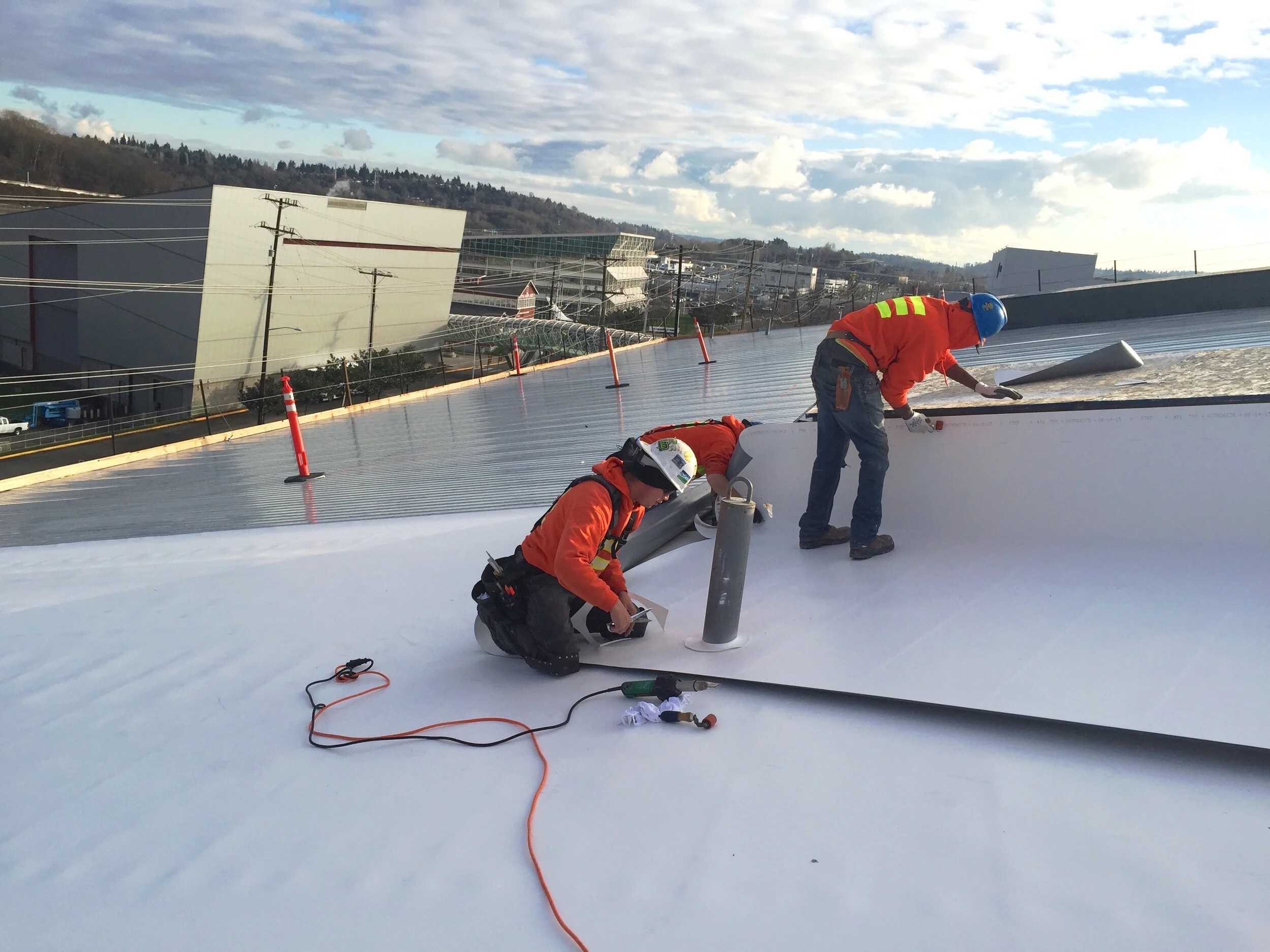
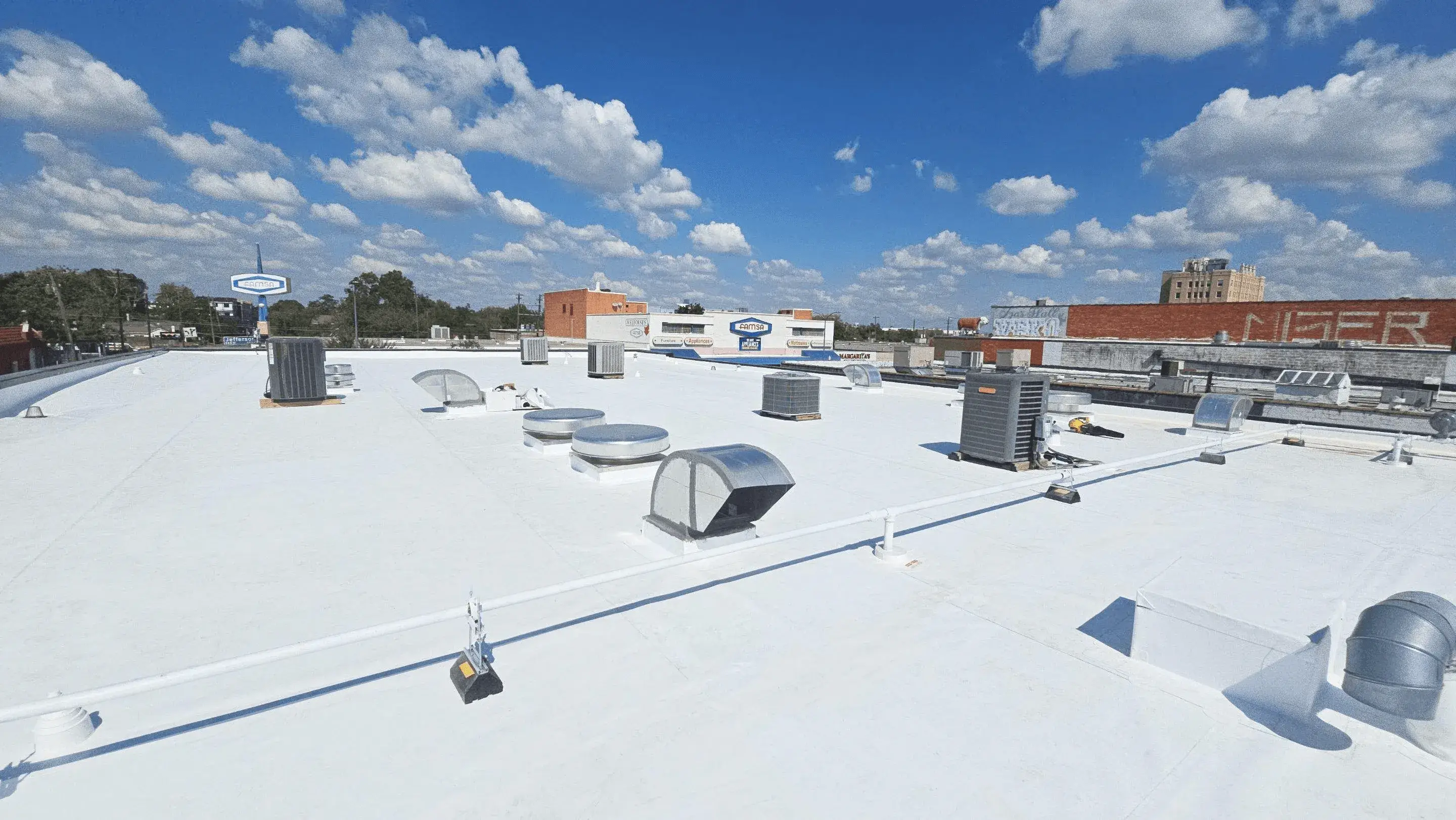
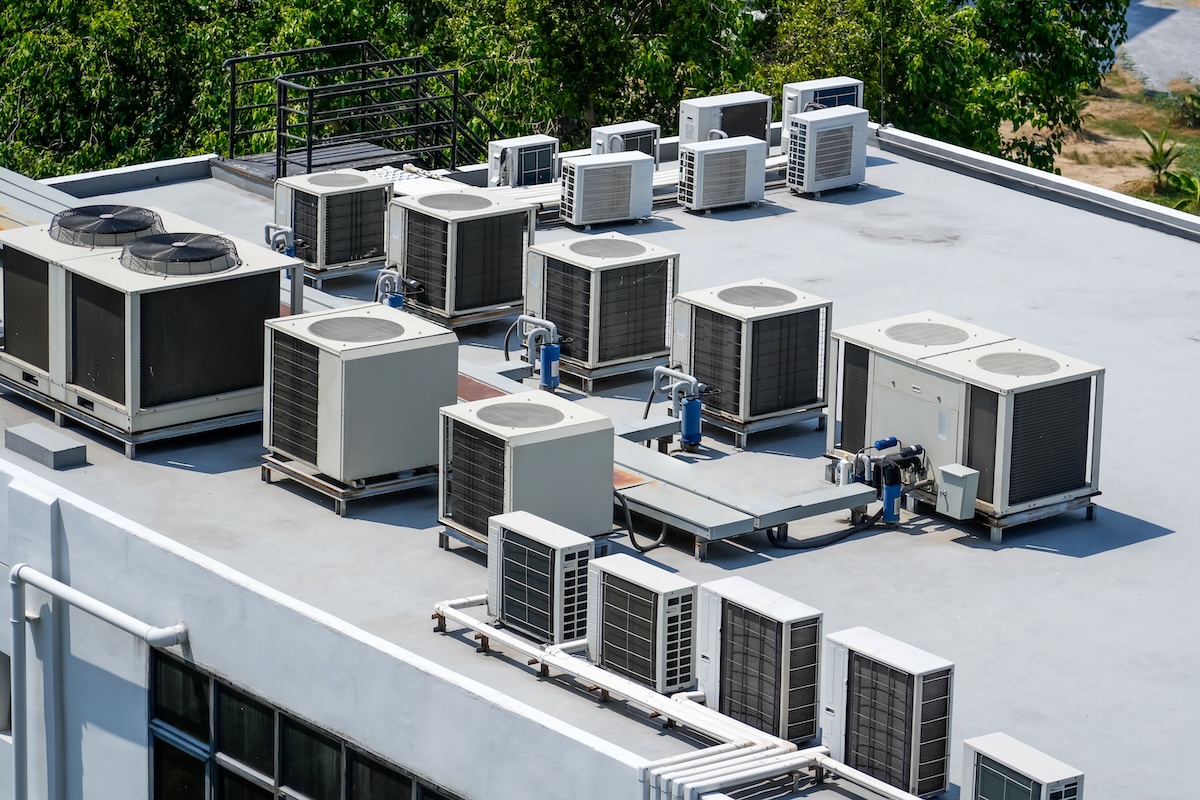
HVAC coordination in Memphis office buildings must account for the rooftop mechanical density that is common in Class A commercial buildings in a warm climate. Memphis buildings have high cooling loads that are often served by multiple large packaged rooftop units plus multiple smaller split-system units for server rooms and specialized spaces. The curb and flashing work associated with each unit is different - large packaged units need custom-fabricated curb flashings that match the non-standard curb dimensions, while smaller split-system condensers need pipe boot and refrigerant line set flashing that must allow for future service access. A roofing contractor who does not distinguish between these different penetration types in their proposal is not adequately planning the project.
Green roof options for Memphis office buildings have gained interest as major employers in the city - FedEx, AutoZone, and the major hospital systems - have developed formal sustainability programs. Memphis's annual rainfall of 54 inches supports green roof plantings with minimal supplemental irrigation, and the city's MSD (Memphis Light, Gas and Water) stormwater utility structure creates a financial incentive for on-site retention. Native Tennessee prairie and woodland edge species adapted to Memphis's humid subtropical climate are the recommended planting specification for semi-intensive green roofs. LEED v4 credits from green roof installation can make the difference between LEED Silver and Gold certification in the competitive Class A Memphis office market.
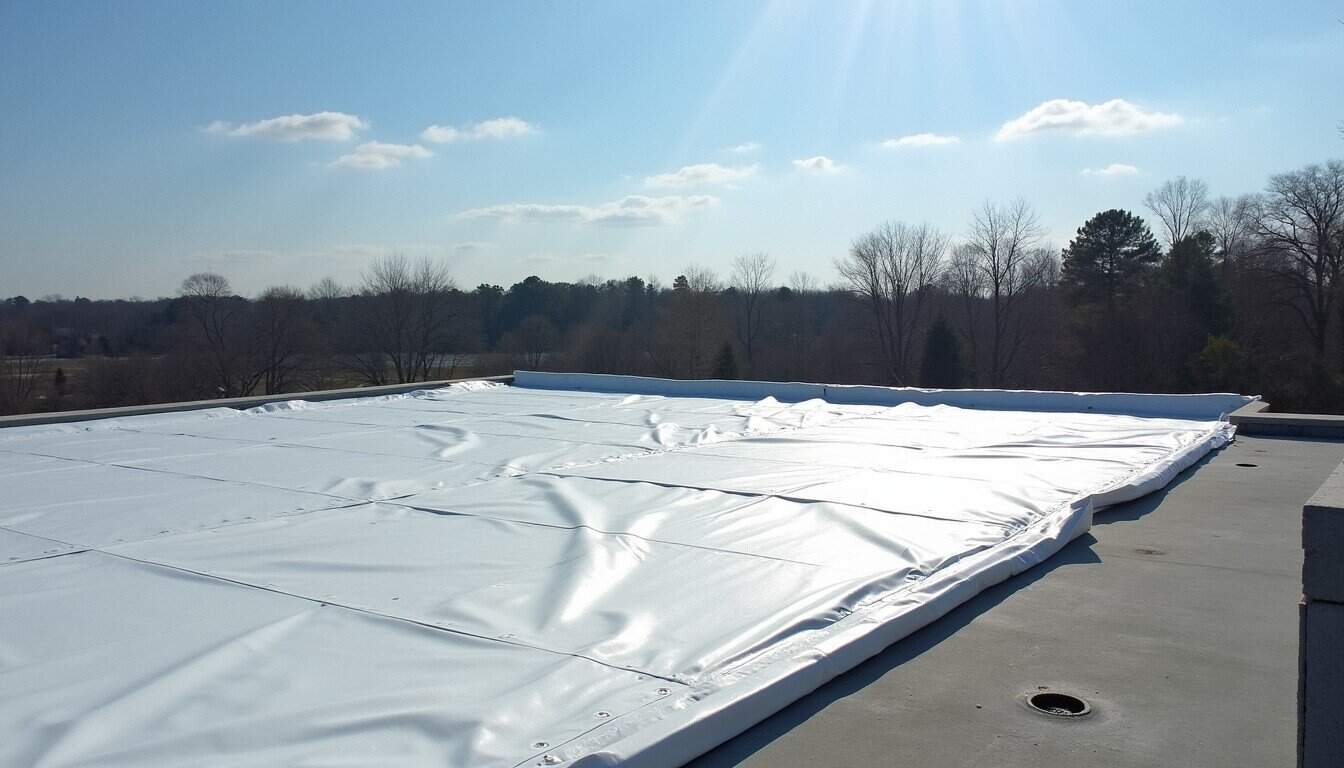
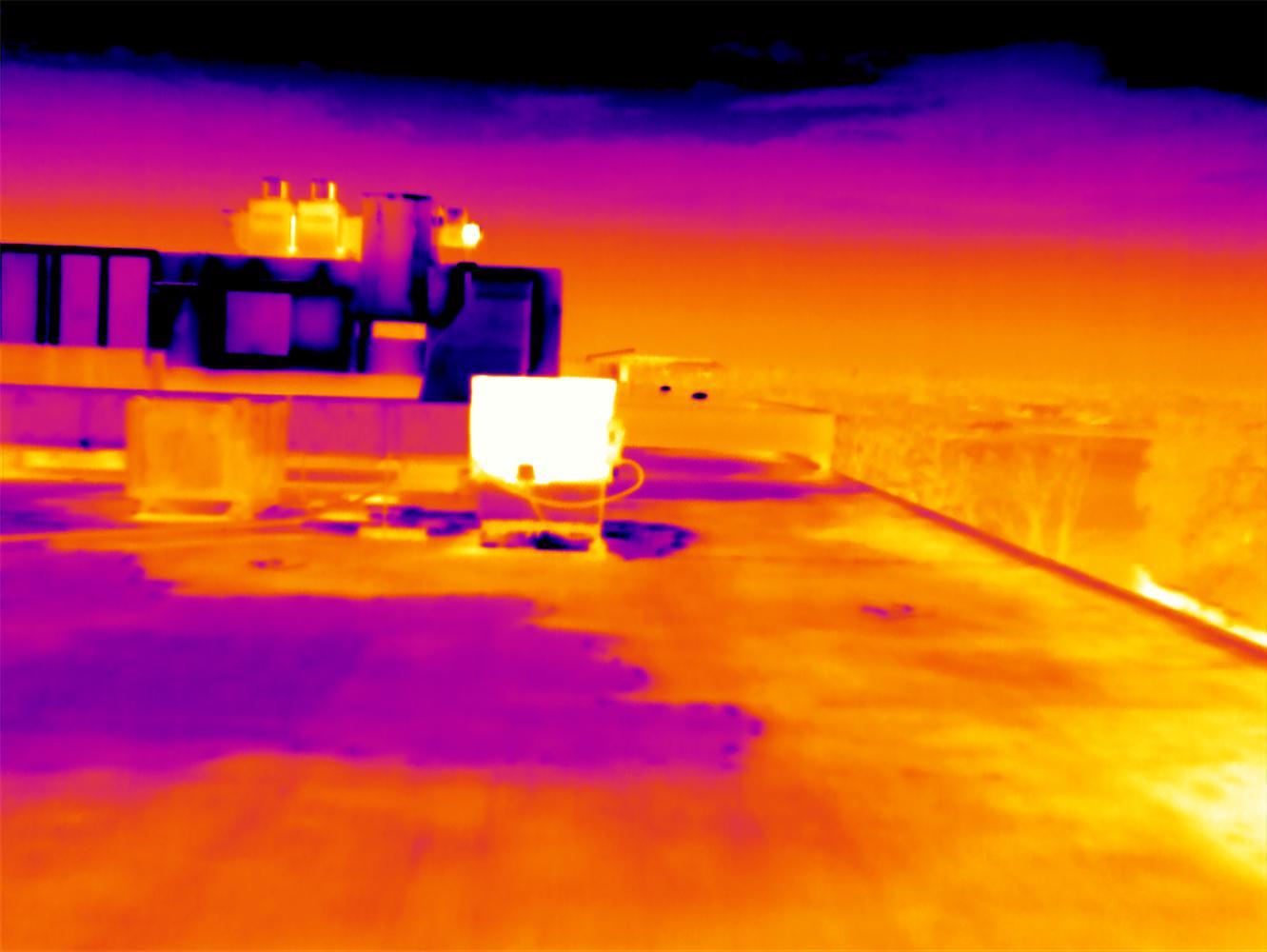
Tennessee's commercial energy code requires R-25 minimum for low-slope commercial roof assemblies in Climate Zone 3A, which covers the Memphis metro. For Class A office buildings pursuing ENERGY STAR certification, the assembly typically targets R-25 to R-30 with white TPO or white PVC membrane. Memphis Light, Gas and Water (MLGW) does not currently offer a formal cool roof rebate program, but the energy cost reduction from a reflective membrane in Memphis's long, hot summer is real and measurable - 10 - 18% reduction in peak cooling energy on comparable buildings is a typical finding in mid-South climate zone studies.
Lease obligations for Memphis multi-tenant office buildings include Tennessee-specific provisions as well as standard commercial lease terms. Tennessee's commercial landlord-tenant framework does not have the same statutory specificity as some other states, which means lease provisions govern most of the rights and obligations related to construction work. Before scheduling re-roofing on a multi-tenant Memphis office building, the building owner should have their property manager conduct a lease audit to identify all tenants with provisions relevant to roofing work, then develop a notification and coordination plan that complies with each applicable provision.
Parapet walls on Memphis office buildings, particularly the brick and limestone office towers in the downtown historic district, require detailed inspection before specifying counterflashing repairs. Memphis's moderate freeze-thaw cycling - not as severe as northern markets but occurring 30 - 40 times per year - causes cumulative damage to masonry mortar joints at parapet copings. Water that penetrates deteriorated masonry joints can freeze and expand during cold snaps, progressively worsening the damage. A comprehensive re-roofing project on a historic Memphis downtown office building should include masonry evaluation at the parapet level as a standard pre-project scope item.
Contractor selection for Memphis office building roofing should prioritize firms with specific Class A commercial experience in the mid-South market. Memphis contractors who have worked on the downtown towers and the East Memphis office corridor understand the coordination complexity and the local building official requirements. Manufacturer certification from Carlisle, GAF, Firestone, or Johns Manville is the baseline qualification; occupied-building references from comparable mid-South projects are the differentiator. A contractor who can point to completed re-roofing projects on AutoZone Park or comparable Class A Memphis buildings is demonstrating the right caliber of experience.
Cost benchmarks for Memphis office building roofing run from $12 - $18 per square foot for a standard TPO or PVC project on a typical Class B Memphis office building, to $17 - $24 per square foot for Class A downtown buildings with complex coordination and masonry parapet work. Green roof semi-intensive additions run $19 - $29 per square foot with Tennessee native plantings. Annual maintenance contracts for Memphis Class A properties run $0.15 - $0.25 per square foot, including pre-storm-season inspection and drain clearing for both the spring tornado season and the fall leaf-deposit period.