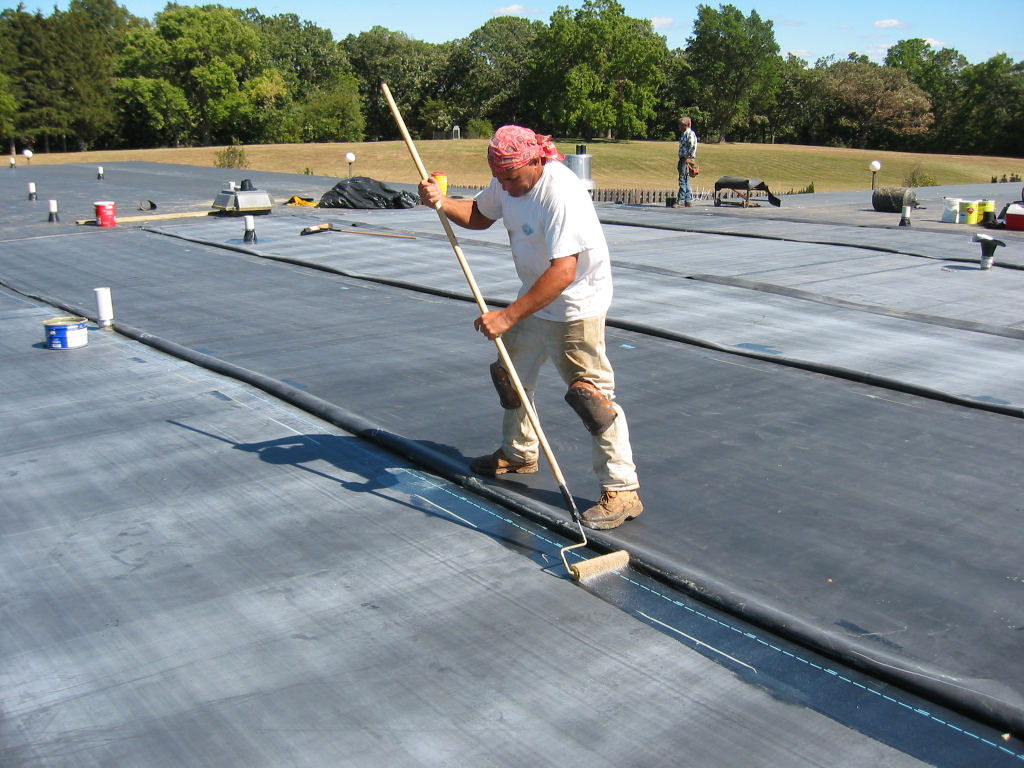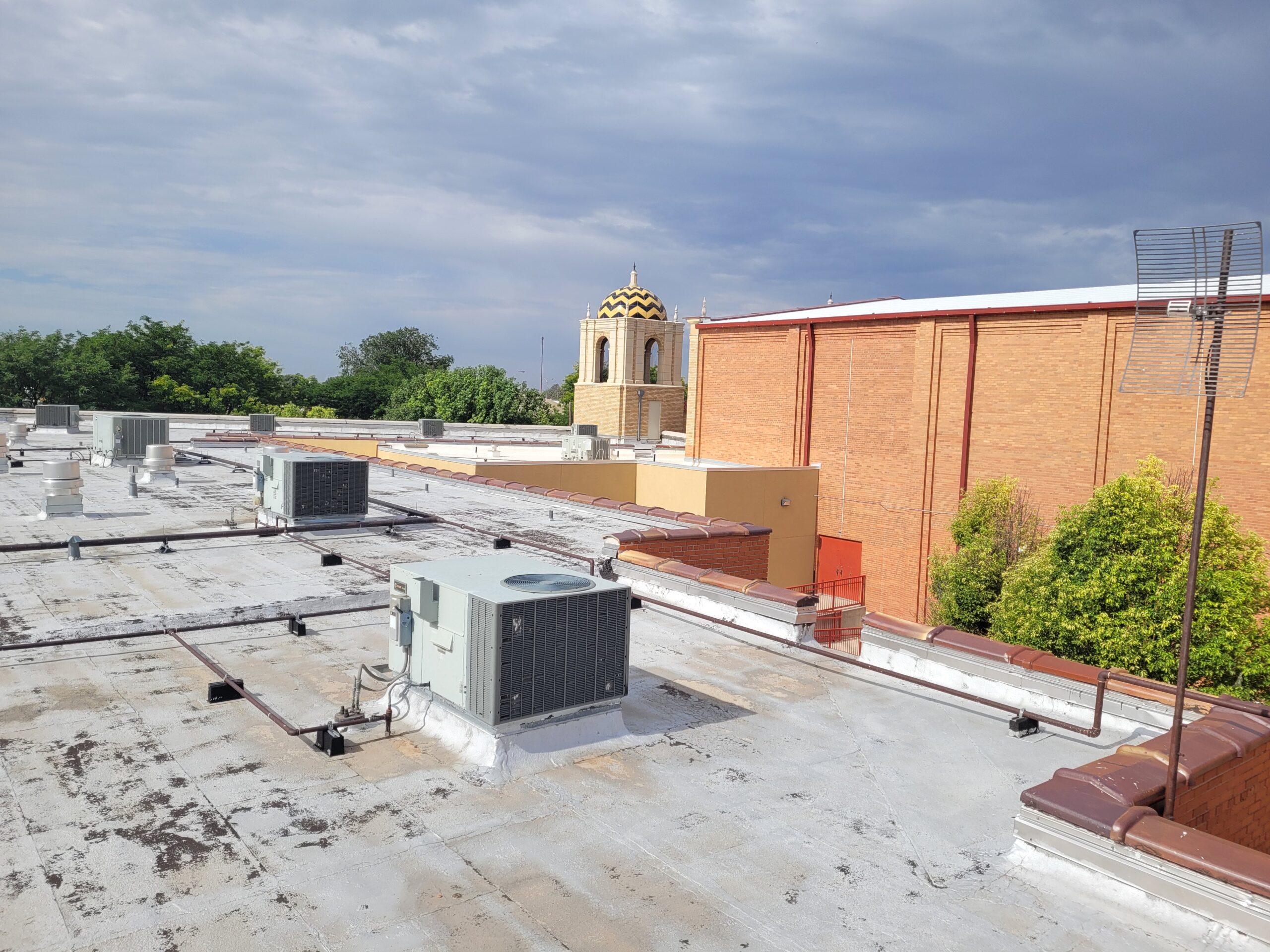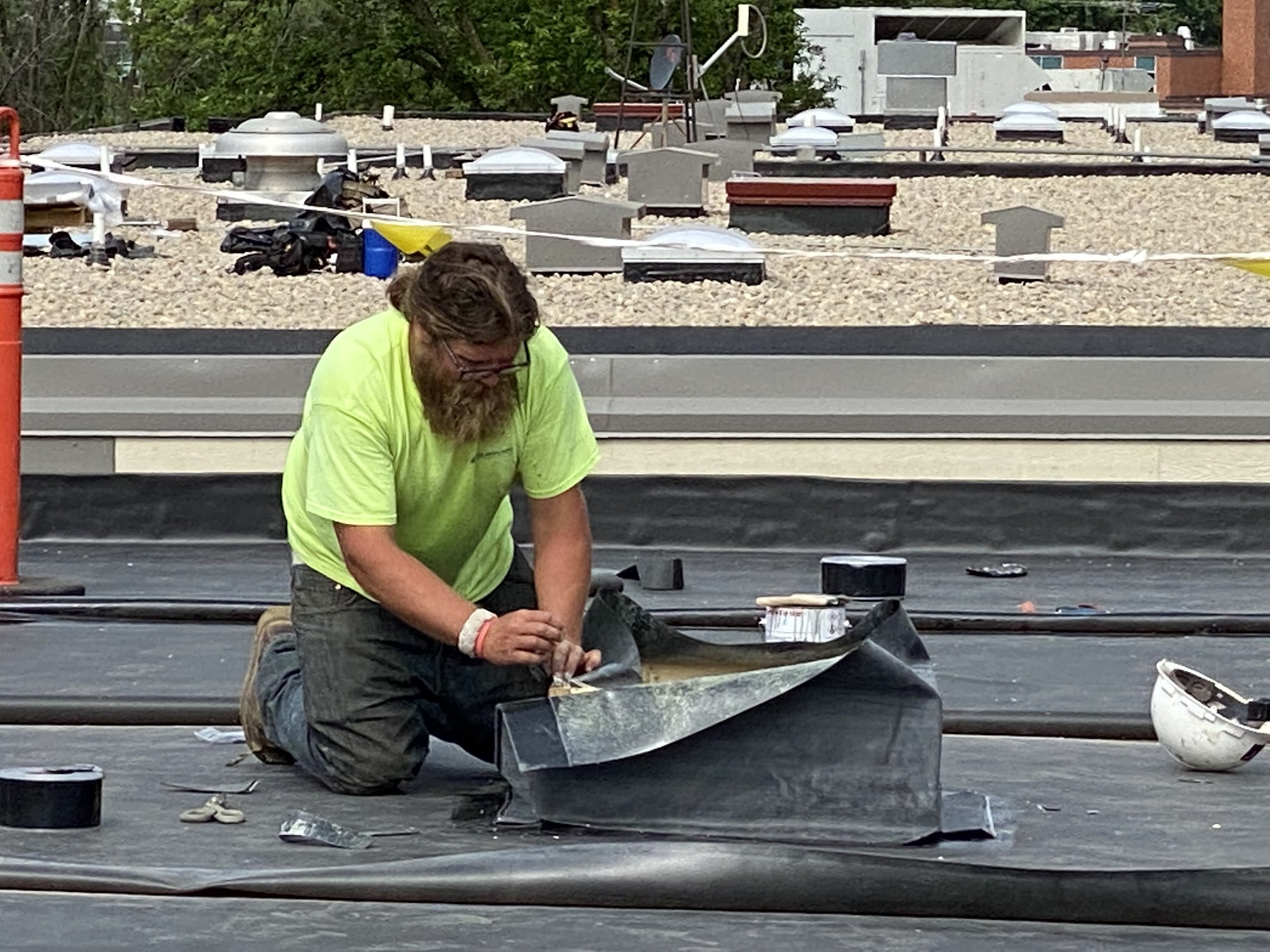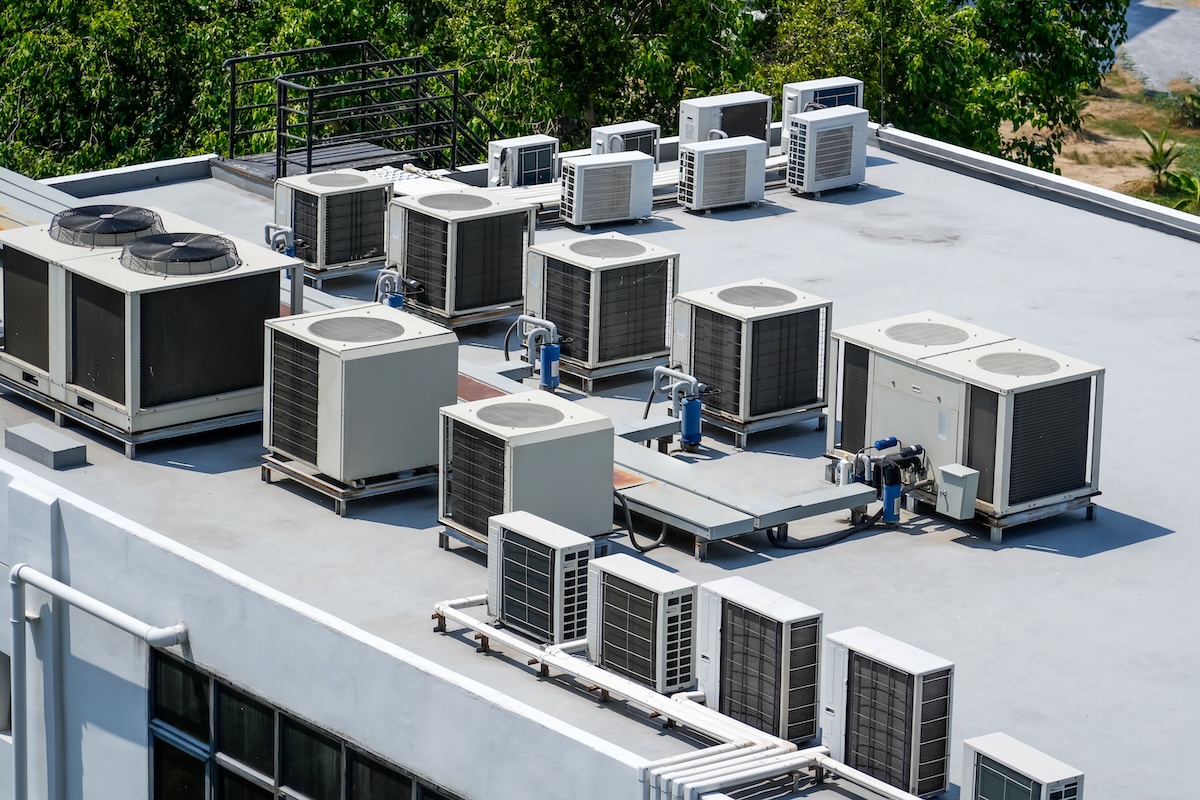
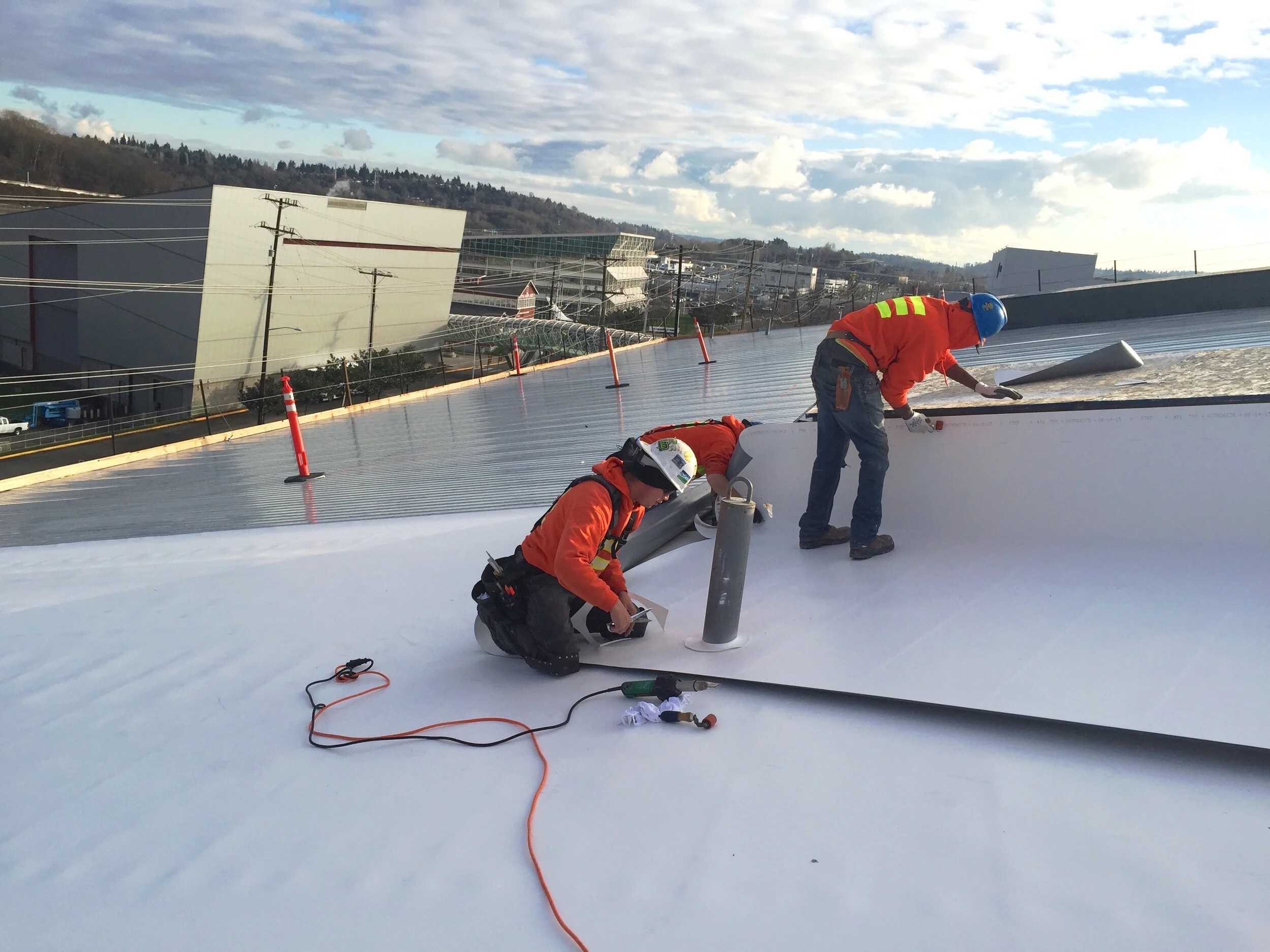
Single-ply membranes are the dominant commercial roofing system installed in Memphis over the last three decades. We install and maintain all three primary single-ply systems - specified against building use, Memphis climate conditions, and manufacturer warranty requirements.
Single-ply roofing - the category that includes TPO, EPDM, and PVC membrane systems - now represents the overwhelming majority of new commercial roofing installation in the Memphis metro and has for the past 30 years. The Aerotropolis distribution and logistics buildings surrounding Memphis International Airport, the corporate campuses along the Poplar corridor east through Germantown to Cordova, the medical office buildings in the Midtown Medical District, and the retail and hospitality inventory throughout Shelby County are predominantly roofed in single-ply systems that range from just-installed to well past their original warranty periods.
Single-ply does not mean single choice. TPO, EPDM, and PVC have meaningfully different chemistry, installation requirements, performance characteristics in Memphis's specific climate conditions, and appropriate use cases. Specifying the wrong system for a building's use - for example, TPO on a Beale Street restaurant rooftop with grease-exhaust exposure - produces premature failure regardless of installation quality. Our specification process starts with the building's use, chemical exposure conditions, rooftop traffic pattern, and the owner's warranty and capital planning objectives before we recommend a membrane.
Choosing the Right Single-Ply System for a Memphis Building
TPO for most Memphis commercial applications: TPO's reflective white surface is highly relevant in Memphis's climate - rooftop surface temperatures on dark membranes regularly exceed 160°F through the Memphis summer, and reflective TPO reduces that to the 110-130°F range, materially reducing cooling loads on HVAC systems that already run hard through a long humid summer. TPO handles Memphis's heavy rainfall adequately with proper drain sizing and seam quality. It is the workhorse system for warehouse, office, logistics, and retail applications across the metro. We install 60-mil as standard and 80-mil where rooftop traffic or extended warranty requirements justify the additional cost.
EPDM for industrial and high-movement applications: EPDM's elastomeric properties are the right match for Memphis commercial buildings with heavy mechanical-traffic rooftops - maintenance staff walking the same paths repeatedly across a large industrial facility in the Frayser or Raleigh corridors, or buildings with dense equipment that requires regular service. EPDM also handles the thermal cycling between Memphis winter cold snaps and summer highs better than stiffer thermoplastic membranes, making it appropriate for buildings where roof-to-wall movement from the alluvial subsoil is a documented issue. We install EPDM from Firestone and Carlisle in 45-mil and 60-mil configurations.
PVC for grease and chemical exposure: PVC is the correct specification for Memphis restaurant rooftops - Overton Square, Beale Street, the FedExForum entertainment corridor, and every restaurant tenant in the Germantown and Cordova retail corridors - and for industrial buildings with chemical or petroleum vapor exposure. PVC resists grease degradation that degrades TPO seams; its heat-welded seams produce the strongest lap joint of any single-ply system. We specify PVC on every cooking-exhaust-exposed application and note the risk explicitly when a building owner proposes a less expensive alternative for a grease-exposure application.
Memphis Climate Factors That Drive Single-Ply Specification
Humidity and seam performance: Memphis's average July dewpoint of 70°F - one of the highest in the continental United States outside of the Gulf Coast - means that membrane surfaces accumulate condensate and organic contamination faster than drier markets. TPO heat-weld seam adhesion requires clean, dry membrane surfaces; EPDM tape seams require the same. Our seam preparation protocol includes solvent cleaning of all seam surfaces immediately before welding or taping. We do not skip this step regardless of schedule pressure.
Alluvial subsoil movement and membrane flexibility: The Mississippi River alluvial plain underlies most of the Memphis metro at shallow depth. Seasonal moisture cycling in the silty clay loam produces measurable building movement - most visible at parapet walls, expansion joints, and drain-to-deck connections. Single-ply flashings at these locations need to accommodate this movement. We specify flexible base flashings at all high-movement locations and photograph all movement-sensitive details at closeout so the maintenance record documents baseline condition.
New Madrid Seismic Zone considerations: Memphis sits over the New Madrid Seismic Zone, and USGS models a 7.7+ magnitude event as realistic for the region. Single-ply roof-to-wall connection details should be designed against seismic uplift requirements for Seismic Design Category D, which applies to Memphis per ASCE 7. We verify seismic design requirements for new single-ply installations on buildings where structural engineers have noted seismic sensitivity, and we include roof-to-wall connection inspection in maintenance protocols for institutional clients - University of Memphis, the Medical District hospitals - who have seismic preparedness plans.