Memphis International Airport handles more air cargo by weight than any other airport in North America. The facilities surrounding it run 24 hours a day. Roofing work here has to be planned, sequenced, and documented differently from any other commercial environment.
The FedEx World Hub at Memphis International Airport is the center of one of the largest continuous sorting operations on the planet. The sort facilities, ramp buildings, and cold-chain warehouses that surround the hub complex collectively cover millions of square feet of commercial roof surface - much of it built during the FedEx expansion periods of the 1990s and 2000s, which means a large share of that inventory is now at or past original warranty expiration.
We work across the Aerotropolis zone: Democrat Road, Airways Boulevard, the Nonconnah Creek corridor, and the industrial parks that stretch from the airport west toward the Mississippi River bridge. Security badging, aircraft-operations coordination, and 24/ every project sequencing decision we make in this zone. A roofing contractor that cannot work around those constraints will not get past the first pre-construction meeting.
What Makes Cargo Facility Roofing Different
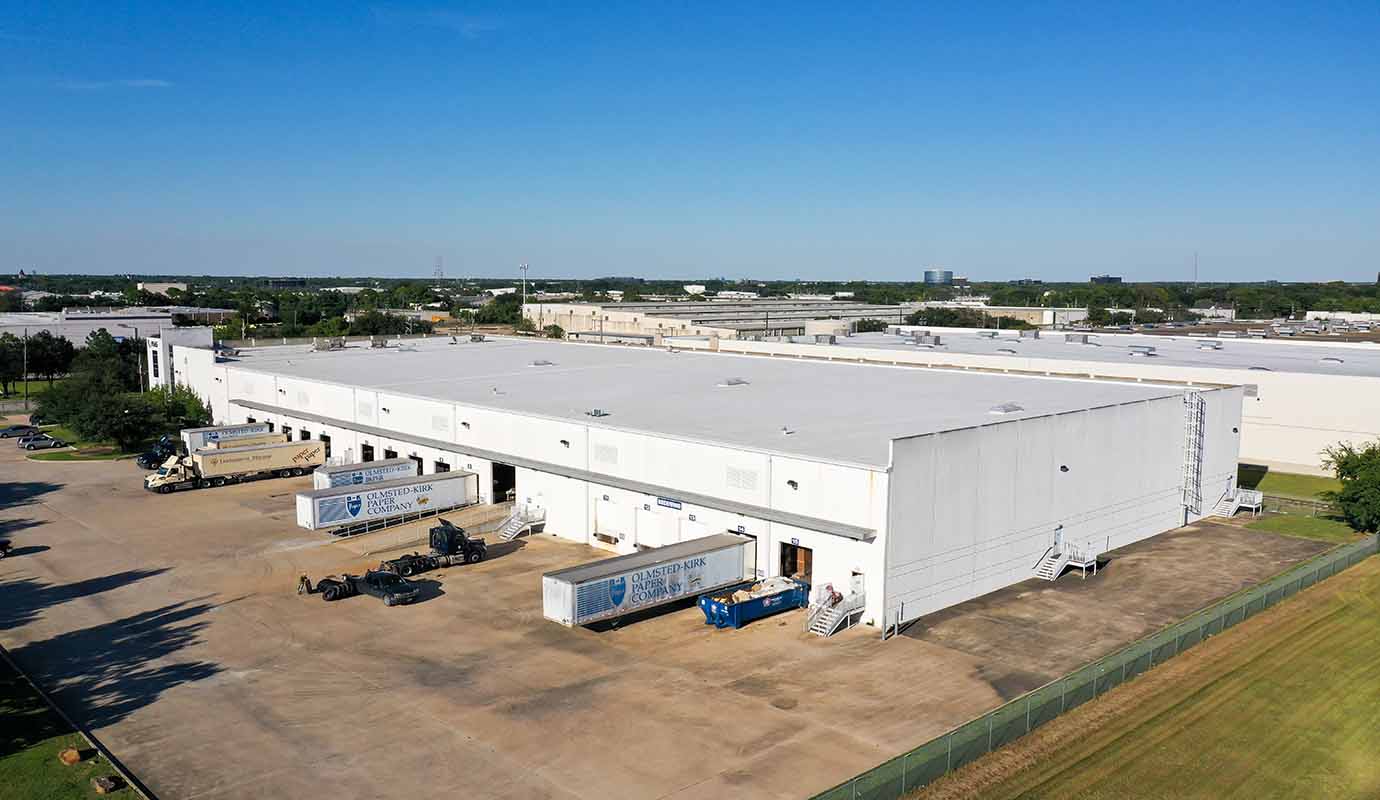
The sort buildings at FedEx World Hub are among the most demanding commercial roofing environments in the country. The facilities run on a sustained-operation model - sort cycles run multiple times per night, ground equipment moves constantly, and the perimeter security environment means every crew member needs badged access before stepping on property. Pre-construction coordination for a hub-adjacent project takes longer than a standard commercial project, and scope changes mid-project require formal change-control approval from the facility's maintenance management team.
Rooftop equipment density is another factor specific to this environment. Large cargo facilities carry heavy HVAC loads - conditioned sort areas and refrigerated cold-chain buildings have rooftop equipment arrays that most commercial roofing crews do not encounter. Every penetration is a potential failure point, and the penetration count per 10,000 square feet on a cargo facility is substantially higher than on a standard warehouse. We document every penetration in our inspection reports - photograph, flashing condition, last repair date if known - before writing any scope.
The Memphis Aerotropolis development authority has encouraged continued build-out of the freight village surrounding MEM, which means new construction alongside aging inventory. On new construction at Aerotropolis sites, we coordinate with the general contractor's schedule and the airport's airspace-aware crane protocols. On aging inventory, we work against the capital planning cycles of national logistics operators whose facilities management teams are in Chicago, Memphis, or Atlanta - they need scope documentation formatted to support a multi-site capital plan, not a one-page estimate.
Memphis Aviation Roofing - Specific Scope Items
Wind exposure at MEM: The terrain west and south of the airport is flat, with minimal wind-break structure. Aircraft propwash adds localized wind-load events that generic wind-uplift calculations do not capture. We design fastener patterns for cargo-ramp buildings with an uplift premium above standard Exposure B calculations for the Memphis Wind Zone.
Intermodal yard facilities: The Burlington Northern Santa Fe intermodal yard at Lamar Avenue and the Canadian National rail connection through the Memphis rail complex serve logistics buildings that share roofing characteristics with aviation facilities - 24/7 operations, security access constraints, and long loading-dock roofs that accumulate debris and standing water at aprons. We spec aggressive drain coverage and slope-correction insulation on loading-dock overhangs.
Cold-chain and refrigerated warehouse roofs: Cold-storage buildings in the Aerotropolis corridor present vapor drive challenges that standard warehouse roofs do not. The interior temperature differential - often 40-50°F between conditioned interior and exterior - drives significant moisture load through the roof assembly. We specify vapor control strategies matched to the building's interior design temperature, not generic warehouse assumptions.
Maintenance Contracts for Aviation and Logistics Facilities
Logistics facilities with active manufacturer warranties need documented annual inspections to keep those warranties intact. Most of the large national logistics operators have roofing asset management programs at the portfolio level - they want a roofing contractor who can produce inspection reports formatted to their facility management system, not a PDF that gets filed and forgotten.
Our maintenance contracts for aviation and logistics facilities include: two inspections per year (spring and fall), drain-clearing at each inspection, written report with photographic documentation keyed to a roof zone diagram, and emergency response prioritization for facilities on contract. For FedEx-adjacent properties, we coordinate inspection scheduling through the facility's maintenance dispatch system and confirm security access before mobilizing.
The Aerotropolis zone is one of our primary maintenance routes. We run scheduled inspection cycles on a cluster of properties in this zone, which means faster mobilization for emergency response and familiarity with the specific security and access constraints of each facility.
Running a cargo or aviation facility near MEM?
Our project managers can walk the roof, badge in where required, and produce a written scope and condition report formatted for capital planning or warranty documentation.