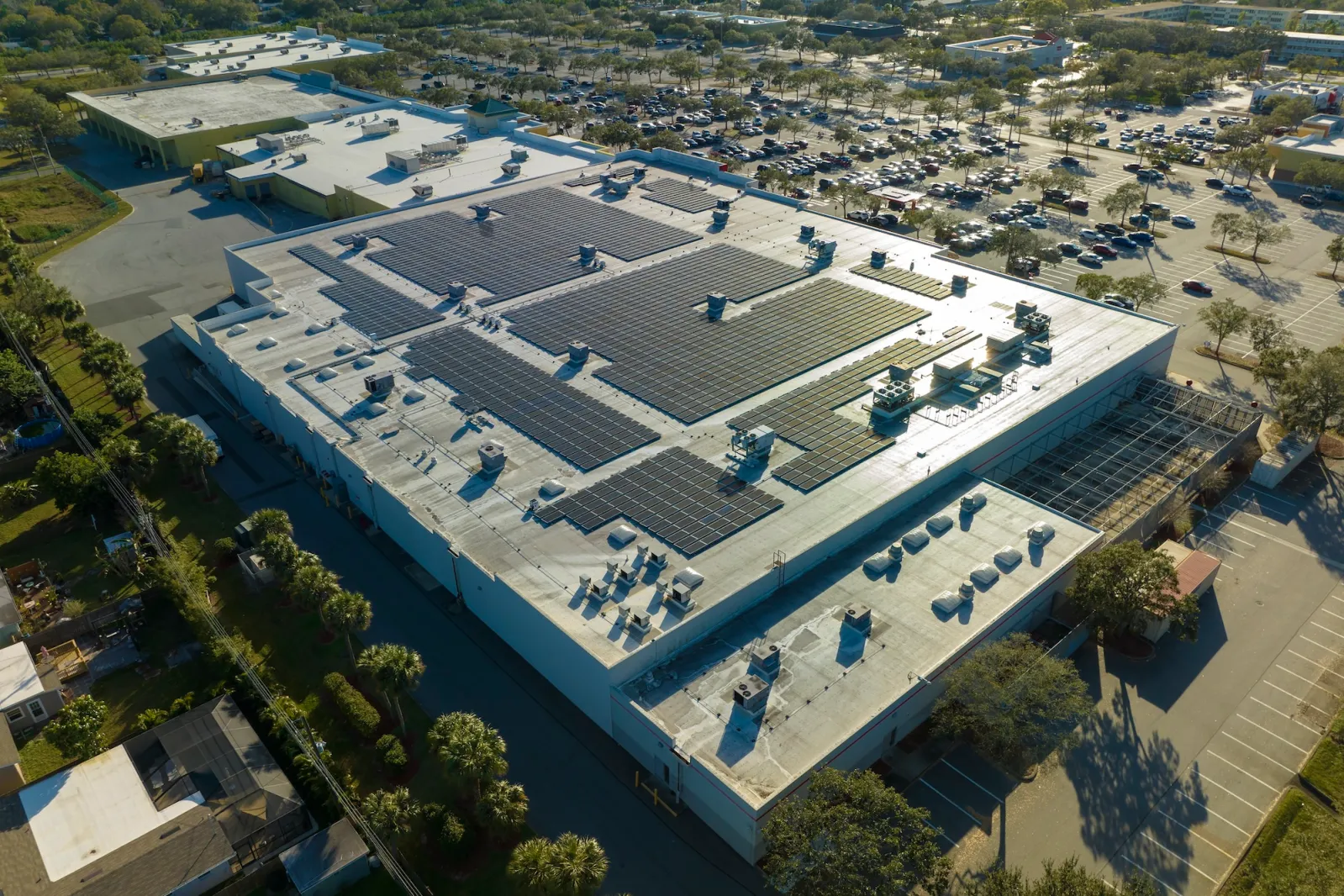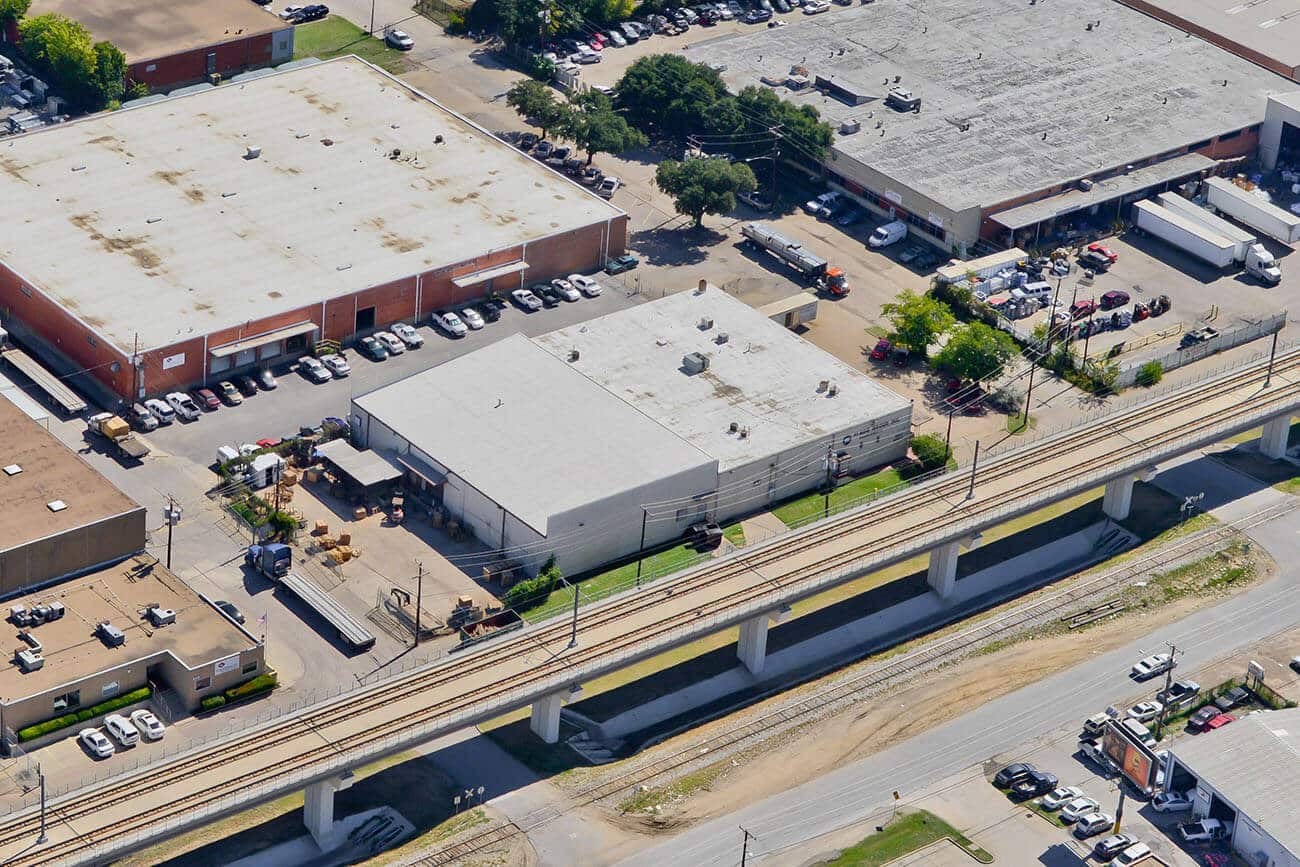
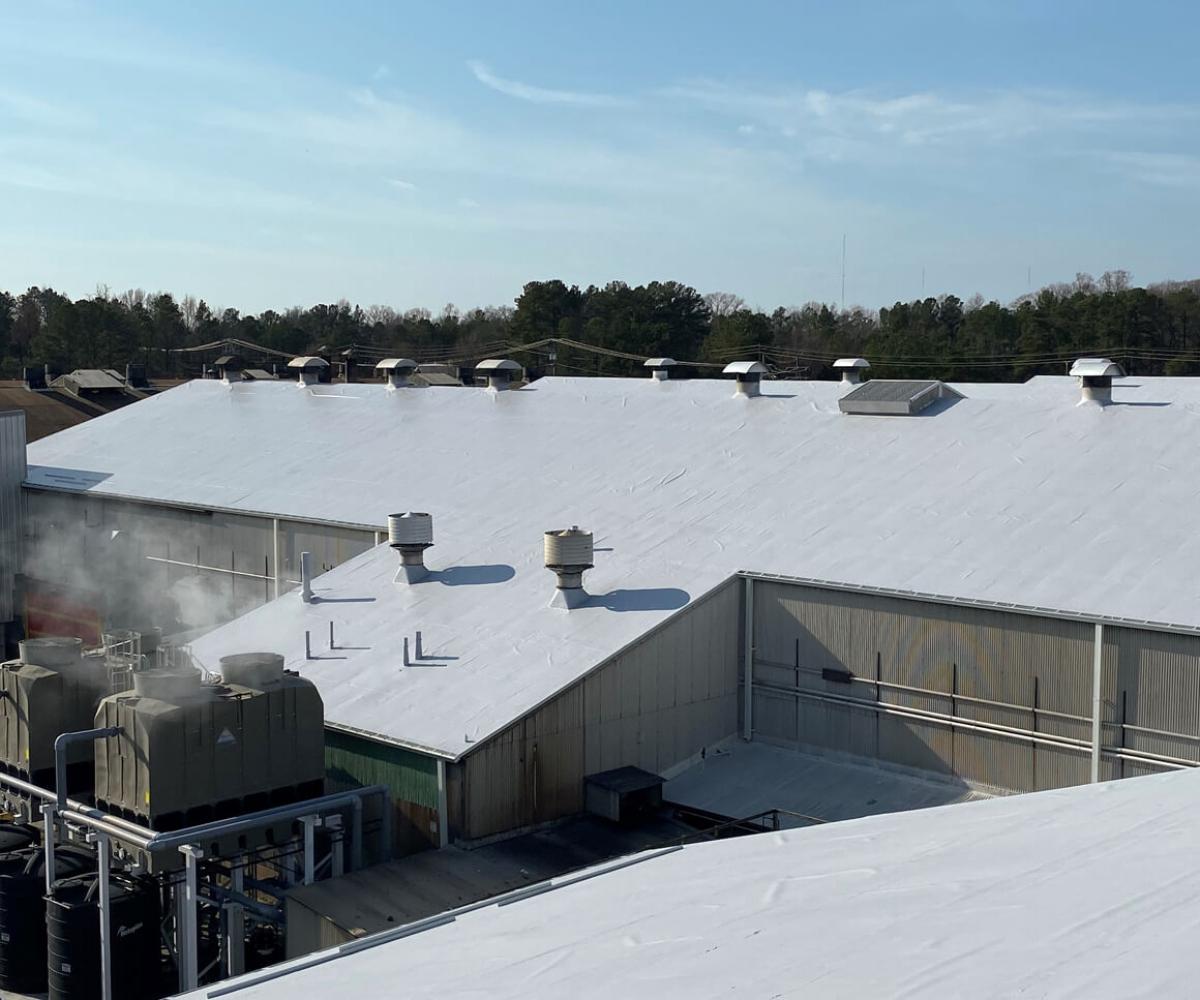
Memphis has a manufacturing and industrial base defined by some of the largest companies in their categories globally. International Paper, ServiceMaster, and AutoZone's distribution operations each represent a different roofing challenge - high-bay industrial, corporate-campus mixed-use, and high-SKU distribution.
International Paper's global headquarters occupies a campus at in East Memphis, but its operational and manufacturing footprint in the Memphis area extends to containerboard and packaging facilities that represent large-format industrial roofing. International Paper's facilities management operates under a procurement process that requires written scopes, insurance certificates at specified limits, and performance documentation for capital projects - not a handshake and a one-page estimate.
AutoZone's distribution operations at their corporate campus at and the associated distribution network represent a different challenge: high-throughput parts distribution with an inventory that cannot be water-damaged. ServiceMaster's Memphis operations span the corporate campus environment and ancillary facilities. Each of these companies has a facilities management structure with specific procurement and documentation requirements, and our scopes are formatted to
High-Bay Industrial Roofing Specifics
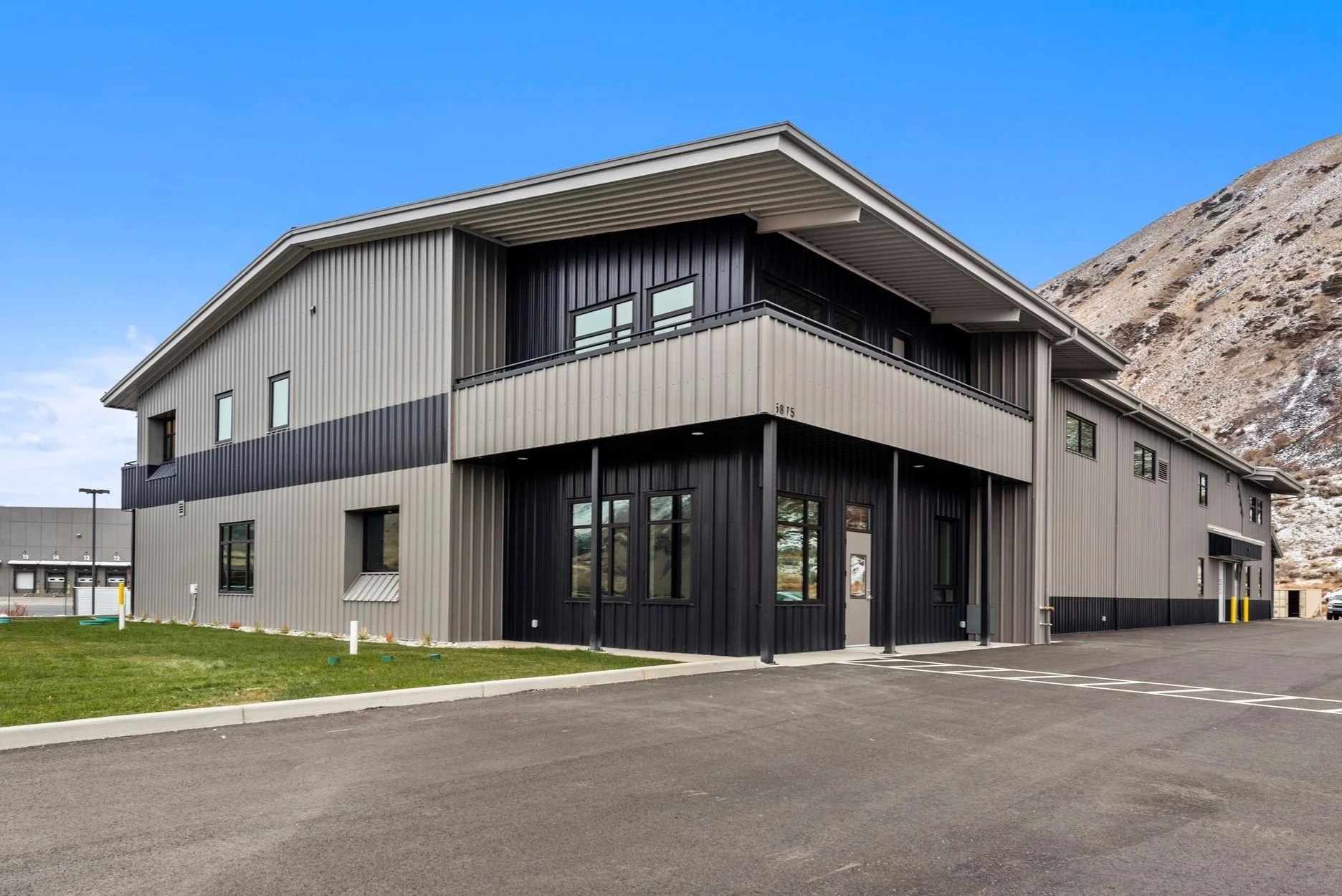
High-bay manufacturing and warehouse buildings - facilities with interior clearance heights of 30 feet or more - present roofing challenges that low-slope commercial buildings do not. The structural deck on a high-bay building is often a standing-seam metal roof or a built-up BUR system on a concrete deck, not the TPO-on-metal-deck standard of commercial construction. We scope high-bay roofing against the specific deck type, existing system condition, and the manufacturer warranty path appropriate to that system.
Interior humidity management in manufacturing facilities is a critical variable that affects roofing specification. A Memphis manufacturing facility that generates process steam - paper coating, chemical manufacturing, food processing - has a dramatically different interior humidity environment than a dry-assembly plant. The vapor drive through the roof assembly in a high-humidity manufacturing facility is high enough to saturate insulation within 3-5 years if the vapor control strategy is wrong. We assess the facility's interior humidity design condition before specifying the insulation and vapor retarder assembly.
Process vibration from manufacturing equipment transmits to roof structure differently than standard building vibration. Heavy stamping equipment, conveyor systems, or paper-manufacturing line vibration can fatigue mechanical fasteners in the roof membrane over time. We inspect fastener condition on manufacturing buildings with known vibration sources as part of every maintenance walk and report fastener-pull resistance values that have degraded below manufacturer specification.
Industrial Procurement and Documentation Requirements
International Paper's procurement process for capital projects at Memphis-area facilities follows a vendor approval and competitive bid structure. We have navigated this structure on IP facilities and can produce the scope documentation, insurance certificates at the required limits, and safety-plan documentation that IP's facilities management requires before work authorization is issued.
AutoZone's corporate facilities management operates from their headquarters, and their maintenance and capital project procurement reflects the standards of a Fortune 500 facilities operation. Pre-project documentation requirements - insurance, safety plan, pre-task analysis, confined-space protocol if applicable - are standard parts of our pre-construction package for AutoZone facility work.
ServiceMaster's corporate campus and associated facilities present a mixed-use roofing challenge. The corporate campus includes office, training, and light industrial space - each with different rooftop equipment densities and roofing system requirements. Our inspection process on the ServiceMaster campus documents each building section separately, with separate scope recommendations where building-section conditions differ.
Chemical and Process Exposure at Manufacturing Rooftops
Chemical manufacturing and processing facilities present flashing-compatibility challenges at rooftop exhaust penetrations. Standard TPO and EPDM flashings degrade within 3-5 years when exposed to chemical exhaust from manufacturing processes - solvent exhaust, acid exhaust, and cooking/processing steam all attack standard membrane materials. We specify PVC or chemical-resistant TPO flashings at exhaust penetrations where process chemistry is present, confirmed against the facility's exhaust chemistry before specification.
The Mid-South's food and beverage manufacturing cluster - which includes several large facilities in the Memphis metro - generates grease and cooking exhaust that degrades standard membrane flashings at kitchen exhaust penetrations more aggressively than ambient weather. On food-processing facilities, we install grease-intercept collars at exhaust penetrations and specify grease-resistant flashing materials for the penetration zone.
HVAC condensate drainage on manufacturing buildings is often more concentrated than on commercial office buildings - large-tonnage process-cooling units generate significant condensate volumes. We confirm condensate drainage routes are directed to drains or leaders and do not run onto the membrane surface, where the mineral content of condensate can cause accelerated chalking on TPO membranes.
Manufacturing or industrial facility with a roofing scope?
Our project managers are familiar with the procurement and safety documentation requirements of large Memphis-area manufacturers. We produce scopes and closeout packages formatted for capital planning and vendor compliance.