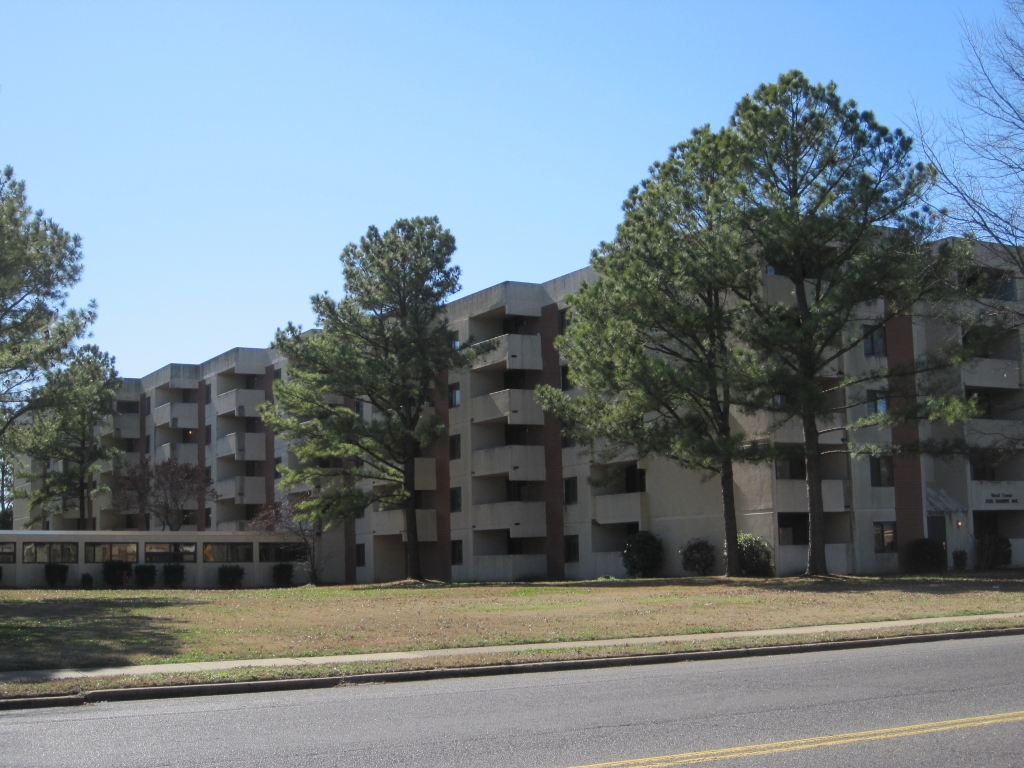
South Memphis carries the logistics and industrial inventory that powers one of the busiest freight corridors in North America. These buildings run hard, roof maintenance is not optional, and we understand how to scope work around 24/7 operating constraints.
South Memphis is defined by its freight geography. The FedEx World Hub complex at Memphis International Airport - the largest single-company cargo operation in the world - sits at the southern edge of the city, and the surrounding industrial inventory exists to serve it: third-party logistics warehouses, freight consolidation facilities, cold-storage buildings, truck maintenance yards, and manufacturing plants that supply the distribution chain. The Elvis Presley Boulevard corridor runs through this area, carrying a different commercial character: auto dealers, fast food, dollar retail, and light commercial buildings serving the commercial neighborhoods between the industrial zones.
Industrial and logistics roofing in South Memphis operates under constraints that suburban commercial roofing does not: 24/7 building operations that limit access to maintenance and inspection windows, security badging requirements for FedEx-adjacent facilities, heavy interior heat loads from sorting equipment that affect roof membrane surface temperatures, and forklift and dock equipment that occasionally impacts roof edges and parapets. We have experience with all of these operating environments and we write scopes that account for them from the start.
FedEx World Hub Adjacency and Logistics Facilities
The industrial facilities clustered around the FedEx World Hub - along Airways Boulevard, Democrat Road, and the streets flanking Memphis International Airport - represent some of the highest-intensity roofing environments in the Memphis metro. Buildings in this corridor operate continuously, often with interior temperature differentials between the building envelope and the exterior that produce significant thermal cycling stress on roof membranes and penetration flashings. Cold-storage buildings create the most extreme condition: the roof membrane on a cold-storage facility can experience a 100°F temperature differential from interior to exterior surface in Memphis's summer months.
Cold-storage roofing requires vapor-retarder specifications that standard commercial roofing does not. Without a properly specified vapor retarder below the insulation, moisture vapor migrates from the warm exterior through the membrane and condenses on the cold interior surface of the insulation, saturating it from the inside. We have inspected cold-storage roofs in South Memphis where this failure mode produced fully saturated insulation boards that had never experienced a single rooftop leak - the moisture came from inside the building, not from rain. Correctly specifying the vapor control layer for cold-storage applications is not optional; it determines whether the insulation assembly will still be functioning in ten years.
Heavy Industrial and Manufacturing Rooftops
South Memphis's manufacturing inventory - metal fabrication, food processing, chemical storage, and light industrial buildings along the rail corridors - carries rooftop chemical exposure challenges that general commercial buildings do not. Exhaust streams from food processing operations deposit organic compounds on roof membranes; chemical storage facility ventilation deposits particulates that accelerate UV degradation in standard TPO formulations; welding and metal fabrication shops have spark-exposure risk at roof penetrations that requires fire-rated flashing details.
We specify membrane and flashing systems based on the building's actual rooftop exhaust and chemical exposure profile, not just on square footage and pitch. A food processing facility on the south side of Memphis needs a different flashing specification than an office building of the same size on Poplar Avenue. We ask about tenant operations before we write any scope on a South Memphis industrial building.
Elvis Presley Boulevard Commercial Corridor
The Elvis Presley Boulevard corridor through South Memphis carries a different commercial character than the industrial zones - auto dealerships, fast food and fast casual restaurants, dollar stores, and neighborhood-serving retail built primarily in the 1970s through 1990s. These buildings are older, often under-maintained, and frequently lack roofing records. Many are in their second or third repair cycle on systems that should have been replaced a decade ago.
Our work in the Elvis Presley corridor often starts with an insurance-driven inspection - a landlord needs a roof condition report for a property insurance renewal, or a tenant's lease requires documented roof condition before occupancy. We produce reports that From there, the decision is the property owner's: repair to extend, recover if conditions allow, or replace.
South Memphis industrial or logistics roof inspection?
We understand continuous-operation facilities and can schedule around your operating constraints. Tell us about your building and we will arrange a roof walk.