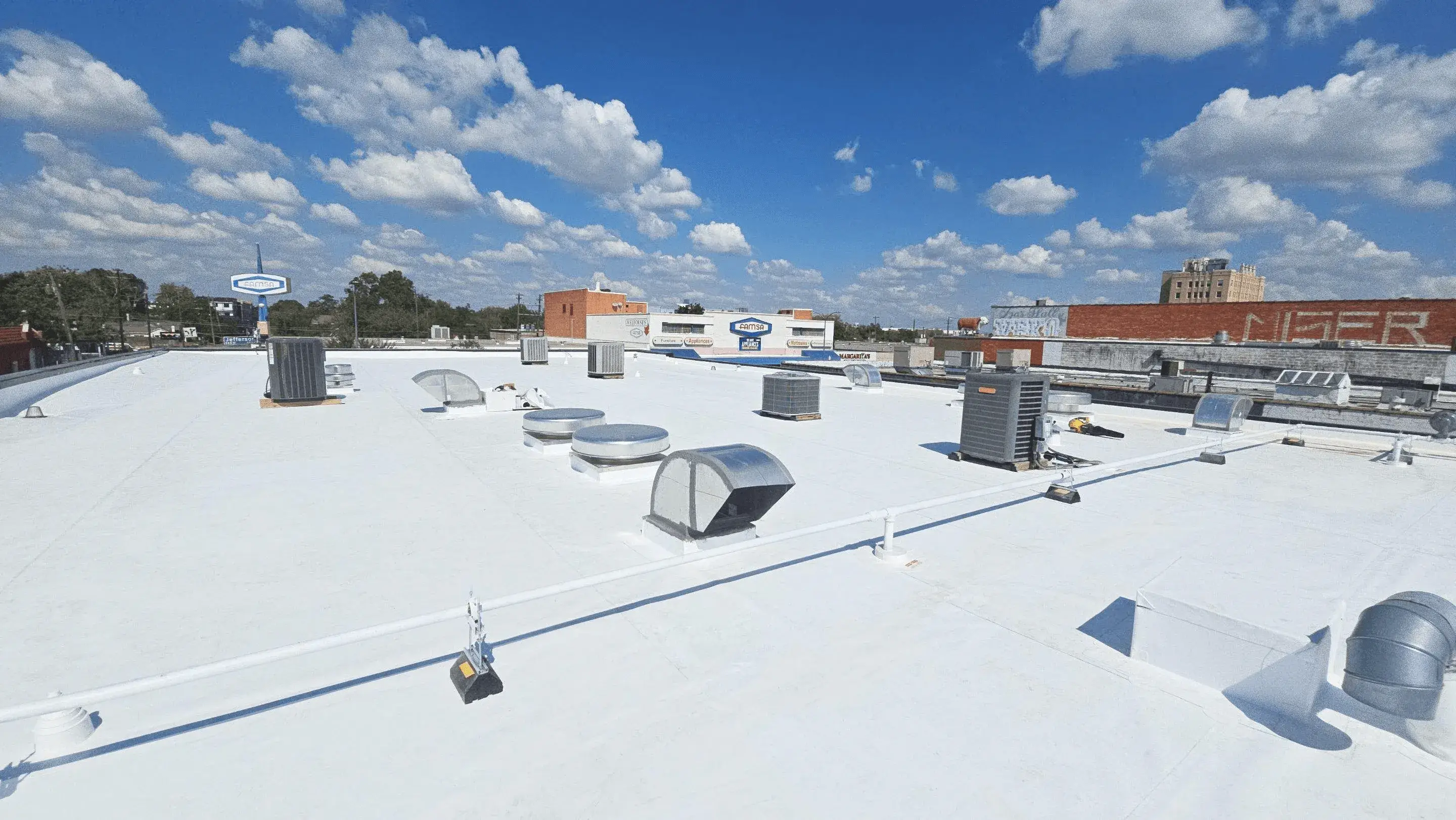
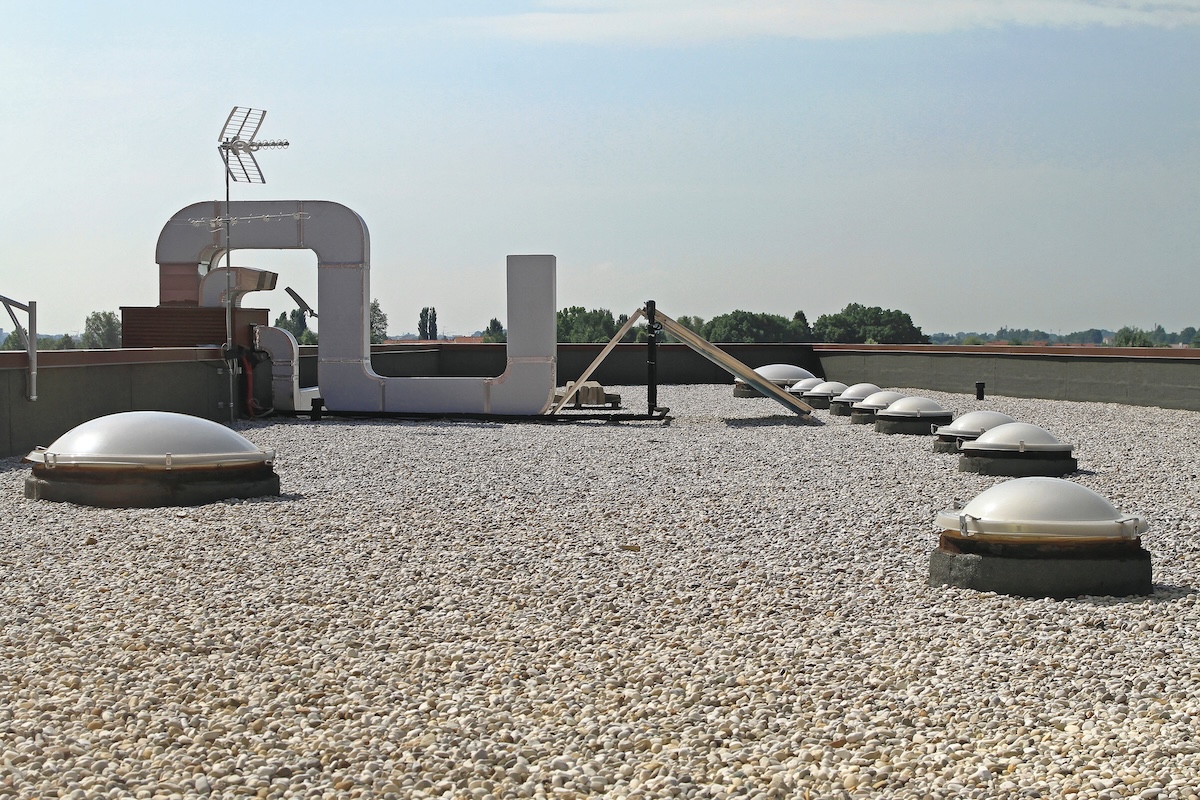
Memphis has a substantial inventory of gravel-surfaced built-up roofing from the 1960s through 1990s - especially on the warehouse stock along the rail corridors and in the Midtown commercial district. We assess, repair, and plan the recover or replacement cycle for these systems.
Built-up roofing is the predecessor technology to modern single-ply - layers of asphalt-saturated felt mopped together with hot bitumen, surfaced with embedded aggregate or mineral cap sheet. In Memphis, BUR was the dominant commercial roofing system from the postwar era through the 1980s, when TPO and EPDM began displacing it. The result is a large inventory of 1960s, 1970s, and 1980s-era BUR on commercial warehouse, industrial, and institutional buildings across the metro that is now 40-60 years into its service life.
The question with a Memphis BUR system is almost never whether to repair it long-term - most systems this old are past their warranted life and into managed-maintenance mode - but rather what the condition actually is and what the realistic options are. A BUR system that is failing at seams and drains but has dry insulation and a sound deck is a different problem than one that has 40% wet insulation in core pulls. The first might sustain a silicone coating or modified bitumen recover; the second needs replacement. We do not make that determination without walking the roof and pulling cores.
How We Assess Memphis BUR Systems
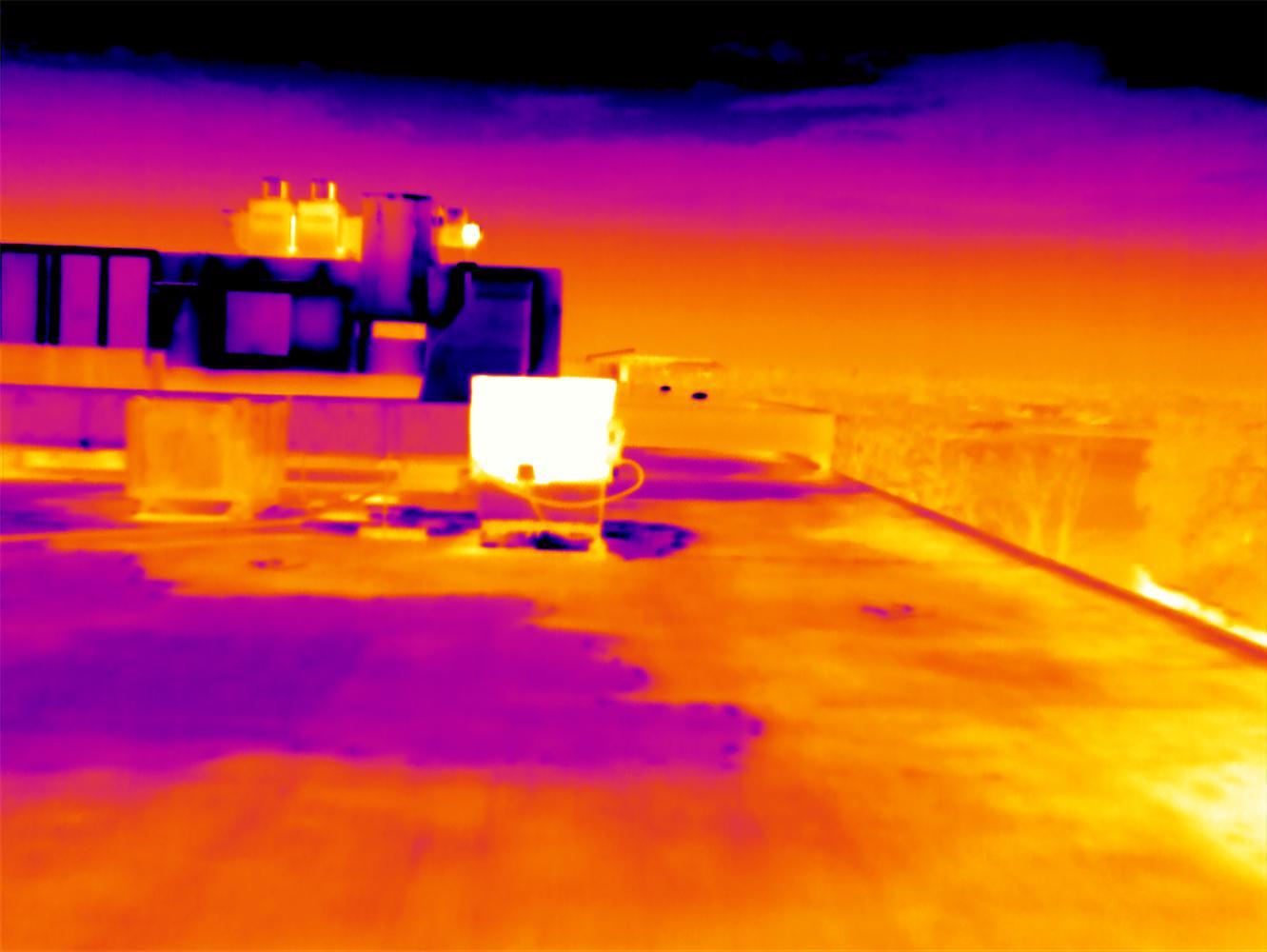
Infrared scan or core pulls: Wet insulation under a BUR membrane does not drain - the asphalt plies act as a vapor barrier in both directions once the system is complete. To know whether insulation is wet, we either walk the roof with an infrared camera on an appropriate temperature-differential day (typically late afternoon in Memphis's spring or fall, when the solar gain differential between wet and dry insulation is readable) or we pull cores at representative locations. We prefer both: the IR scan tells us where to concentrate cores, and cores confirm and quantify what the IR suggests.
Seam and flashing condition: BUR seam and flashing failures in Memphis follow a predictable pattern - the asphalt becomes brittle as it ages and loses volatiles, especially in Memphis's high-UV summer months, and the felts begin to delaminate at laps and at flashing terminations. We probe every linear seam and every flashing edge on the roof walk and photograph every evidence of delamination or exposed felt.
Drain condition: Gravel-surfaced BUR is the roofing system most susceptible to drain clogging in Memphis, because the roof aggregate migrates to drains with each rainfall. We clear drains and inspect drain bodies, drain sumps, and the two-foot radius of BUR surrounding each drain on every BUR inspection - this is where BUR failures concentrate when drains are not maintained.
Repair Options for Memphis BUR Systems
Spot repair with modified bitumen patch: The standard BUR repair approach for isolated seam delamination, blister repair, and localized damage. We cut back to sound substrate, prime, and apply a torch-applied or cold-process modified bitumen patch sized to extend 6 inches beyond the compromised area on all sides. Repair areas are photographed and logged in the building's condition report so the asset manager knows exactly what was repaired and when.
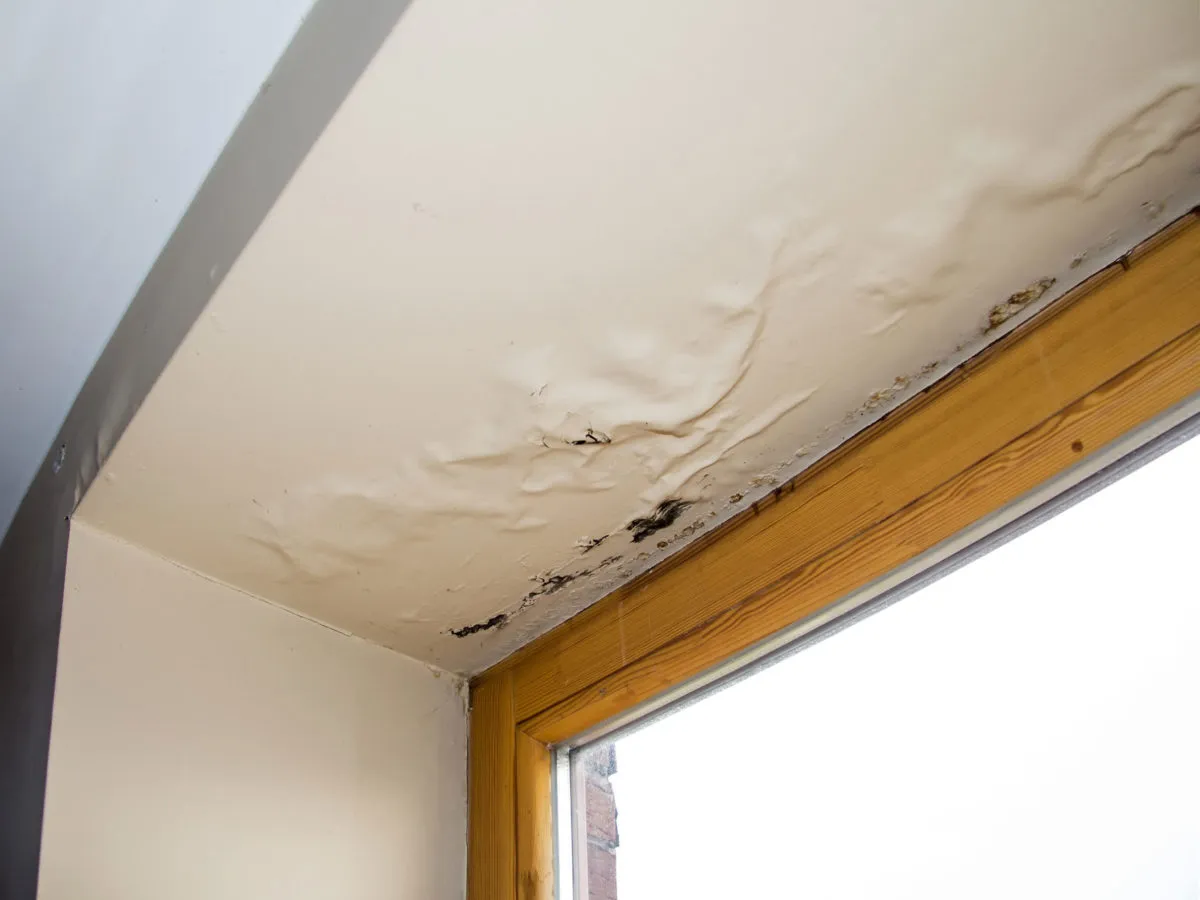
Drain area reconstruction: The two feet surrounding a BUR drain is the most common catastrophic failure zone. We cut back the BUR to sound material around the drain, replace the drain body if necessary (cast iron or aluminum, sized to match the drain sump), and rebuild the drain area with two-ply modified bitumen flashing detailed to the drain flange. Memphis's 54-inch annual rainfall means drain area integrity is not optional - a failed drain flashing on a flat BUR roof will produce interior damage within a single wet spring season.
Fluid-applied silicone over stabilized BUR: If the BUR surface aggregate is still embedded (not loose) and the insulation is dry in core pulls, a silicone fluid-applied restoration coating over the BUR - after cleaning, primer, and detail reinforcement at seams and flashings - can extend the system 10-15 years without replacement capital. This is a recover-class decision that requires the same pre-scope core pull and seam condition documentation as any other recover scenario.
The Replace-vs.-Recover Decision on Memphis BUR
The recover option for a Memphis BUR system requires dry insulation in core pulls, a structurally sound deck, and no more than one existing roof system in place (most Memphis municipalities follow IBC code restricting total roof assembly to two systems). A BUR with one existing ply over the original system is at the limit; a BUR with two recover plies already in place requires full replacement.
Full replacement is the right scope when: cores pull wet insulation in more than 25% of sampled locations; the deck has corroded or deflected beyond code tolerances; or the existing assembly already has two roofing systems in place. We do not recommend recover when the math on replacement makes more sense for the building's capital horizon. Our scope recommendations are written to document the reasoning, not just the price.
Have a Memphis BUR system that needs an honest assessment?
We walk the roof, pull cores where saturation is suspected, and produce a written condition report with a repair, recover, or replace recommendation supported by the documentation.