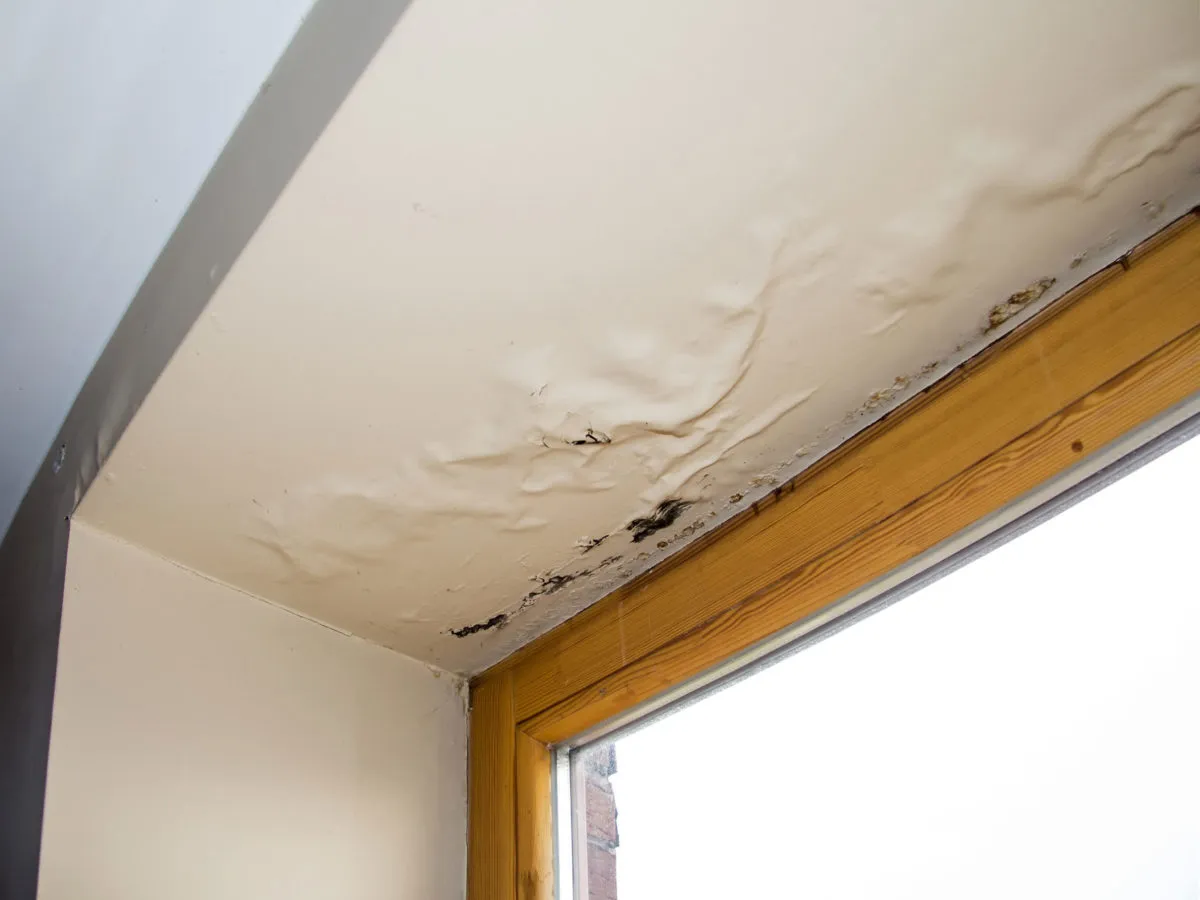
This damage works from the inside out
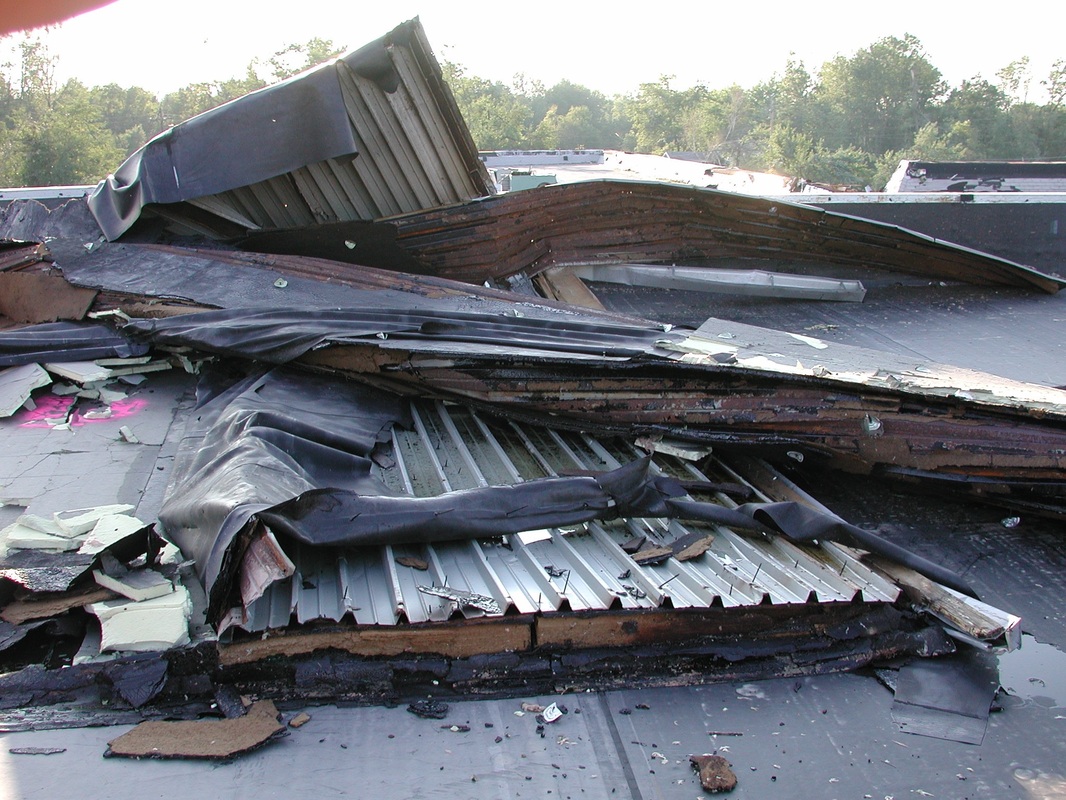
Almost everyone pictures roof trouble as something weather inflicts from above. The failure we handle on these jobs runs the other direction. Memphis sits in a hot, humid climate, and for most of the calendar the warm, moisture-laden air inside a conditioned building wants to rise through the roof assembly. When that vapor reaches a cooler plane near the top of the insulation, it condenses. Repeat that every day through a long Mid-South summer and the insulation slowly waterlogs, the steel deck beneath it begins to corrode, and the membrane above it loses its grip. By the time anything shows on the surface, the damage has usually been compounding inside the assembly for a long while. This is a breakdown in the building's moisture management, and re-skinning the membrane without addressing it only restarts the same clock.
What humidity damage looks like on a Memphis roof
A handful of signatures tell us moisture is the culprit rather than ordinary wear or a single discrete leak.
We see this concentrate in particular building types around this market. Cold-storage and refrigerated distribution space near the intermodal yards and the airport logistics corridor runs an enormous vapor differential between a chilled interior and humid outdoor air, which makes it the worst offender. Commercial kitchens and restaurants generate constant interior steam. Natatoriums and commercial laundries push moisture all day. And the older manufacturing stock east of downtown frequently had minimal vapor control to begin with.
A failed or misplaced vapor retarder is usually the root
A roof assembly is meant to manage vapor as deliberately as it manages rain. In a climate like Memphis, where the dominant vapor drive is upward off the warm interior for most of the year, the vapor retarder generally belongs low in the assembly, at or near the deck, so it stops interior moisture before it can reach the cold condensing plane higher up. When that retarder is absent, torn, poorly lapped, or sitting in the wrong position, the assembly traps moisture instead of controlling it. We routinely open roofs where the vapor barrier sits above the insulation, exactly backwards for this climate, and the board beneath it stays permanently damp. Recovering over an assembly like that without fixing the vapor strategy guarantees the new roof inherits the same defect. Reading the vapor path correctly is the part of this work that separates a genuine repair from an expensive cover-up.
We find the wet insulation before we price anything
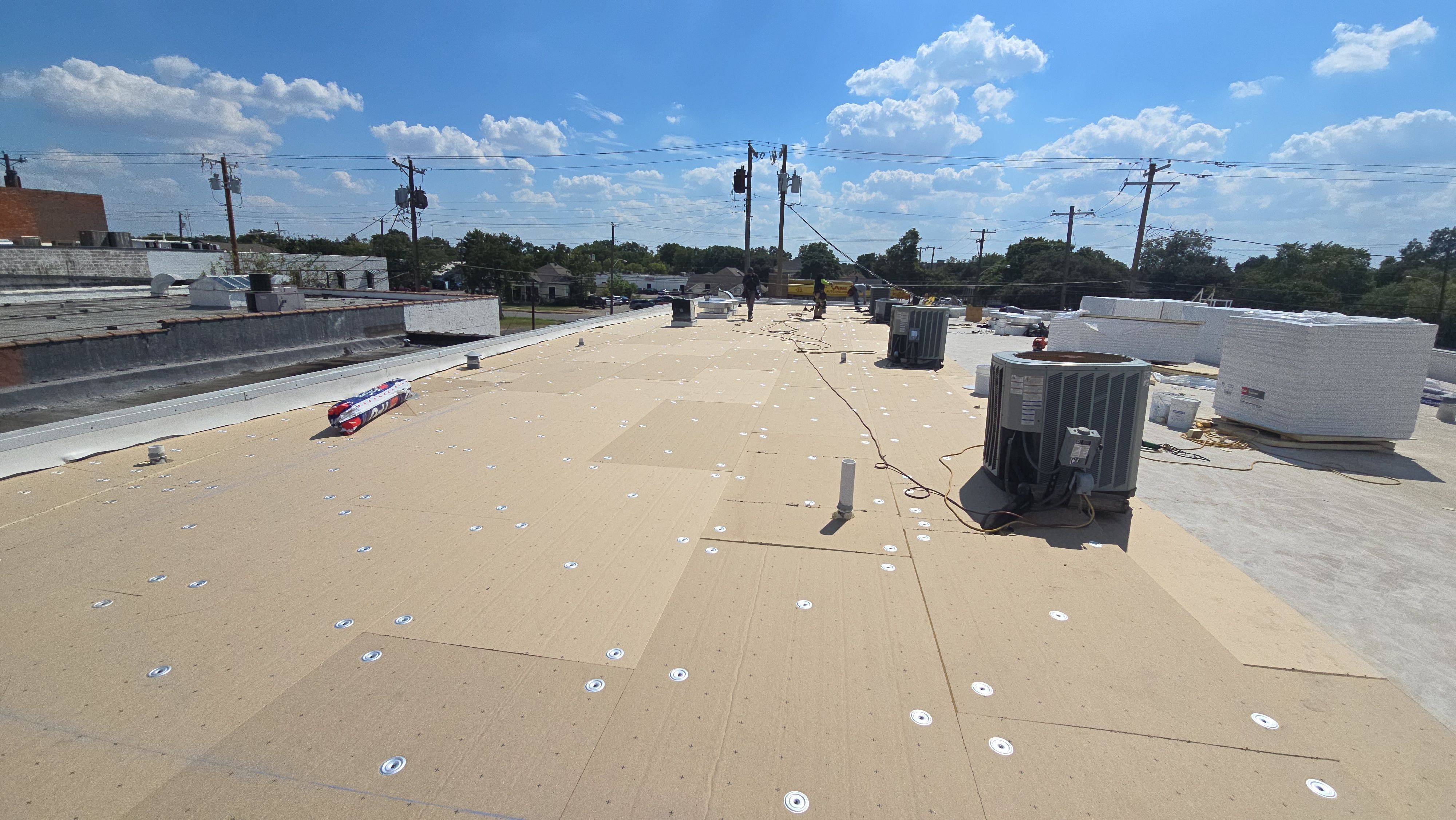
You cannot scope a moisture repair from the surface, because the damage lives inside the sandwich. Our primary diagnostic is infrared thermal scanning, run in the evening after a sunny day when the contrast peaks. Wet insulation holds the day's heat longer than the dry board around it and reads as distinct warm zones in the infrared image. Where overcast skies prevent a clean thermal read, a capacitance moisture meter walked on a grid does the same job more slowly. Either way, we confirm the findings with core cuts at flagged spots, which also let us see the insulation depth, the condition of the steel deck, and whether a vapor retarder is present and where it sits. That core tells us whether deck corrosion has set in, which is the line between a roofing repair and a structural conversation.
Repair it, or has it crossed the line to replacement
When the wet areas are discrete pockets surrounded by sound, dry roof, we fix this without a full tear-off. We cut out the saturated insulation, replace the affected boards with new material at the correct thickness, restore the membrane over the repair with proper welds or seams, and re-detail any edge metal and flashings disturbed along the way. Where the vapor control is the underlying cause, we correct it within the repair area so that same zone does not re-saturate. Full replacement becomes the honest answer once the wet area is widespread, generally past a quarter to a third of the roof, or once the steel deck has corroded enough to raise a structural concern. The reason we press owners to catch this early is that it accelerates. A roof scanning at fifteen percent wet insulation, left through a couple more humid Memphis summers, can easily double its wet area, turning a manageable repair into a tear-off with deck replacement.
Infrared thermal scanning, flown or walked in the evening after a sunny day, shows wet insulation as warm zones that hold the day's heat longer than the dry roof around them. We confirm the thermal findings with core cuts, which also reveal insulation depth, deck condition, and whether a vapor retarder is present. A moisture meter on a grid is the backup when conditions are too overcast for a clean thermal read.
In Memphis's humid climate, warm interior air drives water vapor upward through the roof for most of the year. If the vapor retarder is missing, damaged, or placed above the insulation instead of near the deck, that vapor condenses inside the insulation when it hits a cooler layer. Over time the board saturates, the steel deck corrodes, and the membrane delaminates, all without any rain getting through the surface.