Extra Space Storage operates multiple locations across Memphis, including large-format facilities in Bartlett, Cordova, and the Midtown corridor that represent the full range of self-storage roofing challenges in the Mid-South. Memphis sits at the convergence of weather systems from the Gulf, the Great Plains, and the upper Midwest, giving it a climate that combines high humidity, significant hail risk, ice storm exposure, and the occasional tornado - a combination that demands roofing systems built for resilience rather than minimum compliance.
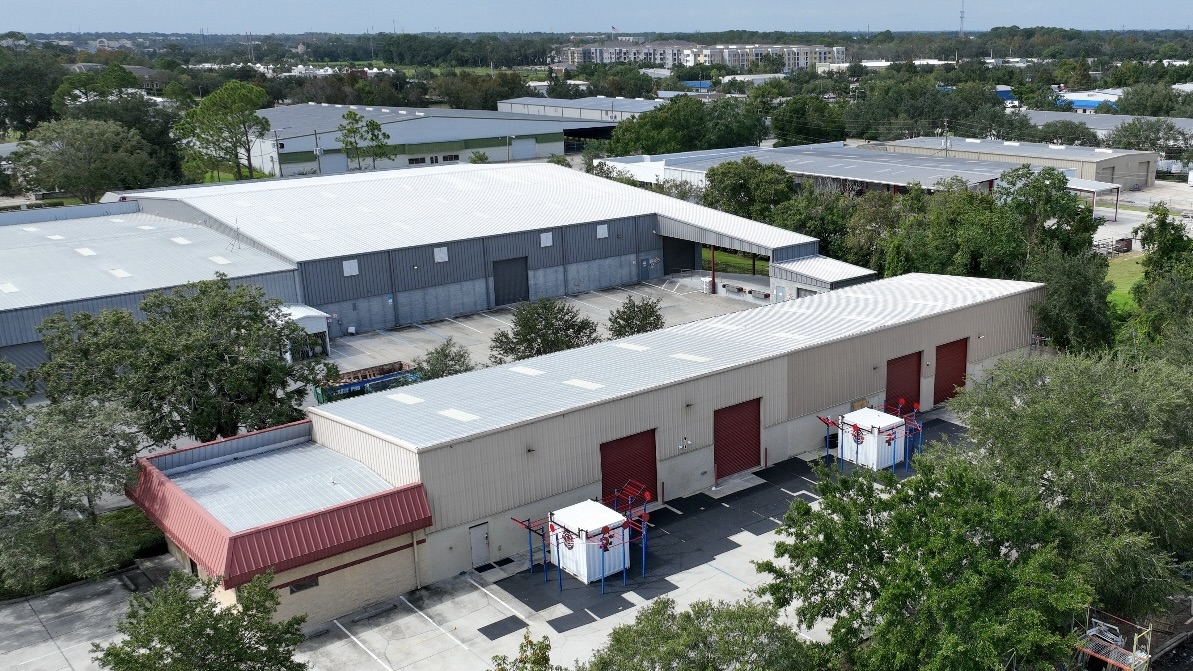
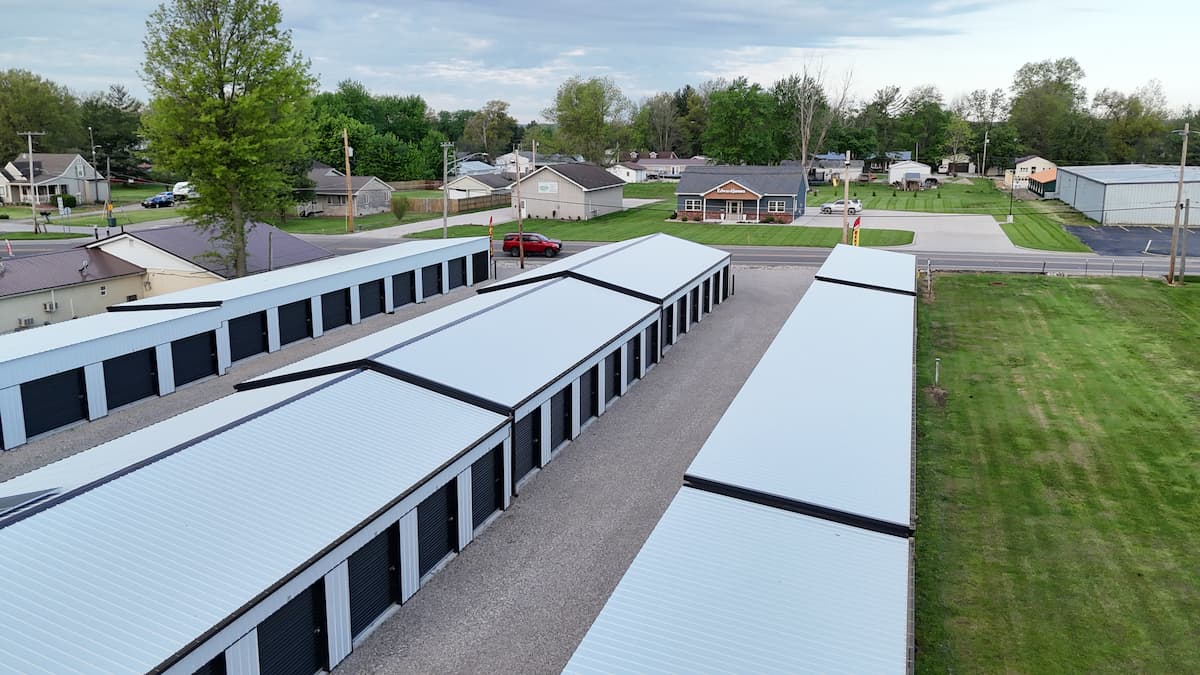
Large-footprint Memphis storage campuses covering 80,000 to 120,000 square feet of combined roof area must be approached as integrated drainage systems, not as collections of individual buildings. Memphis averages about 53 inches of rainfall per year - substantially more than the national average - distributed fairly evenly throughout the year, which means that drainage systems never get a prolonged dry period that allows for leisurely maintenance. Internal drains, lateral drain lines, and the connections to the municipal stormwater system must all be functional continuously, not just during storm season.
Self-Storage Facility Roofing in Memphis, TN Scope Notes
Hail exposure in Shelby County is significant. The Memphis area experiences multiple hail events per year, with stones exceeding one inch in diameter occurring several times annually and events exceeding 1.5 inches less frequent but well-documented. Storage operators in the Memphis market should specify FM 4473 Class 4 impact-resistant membranes on all roof replacements and document that specification for their commercial property insurer. Several major carriers operating in Tennessee offer meaningful premium credits for impact-rated roofing on commercial properties, and storage facilities - with their large roof areas - benefit disproportionately from those credits.
Ice storm risk in Memphis is often underestimated. The city's latitude and its position in the transition zone between cold continental air masses and Gulf moisture make it vulnerable to freezing rain events that can coat rooftop equipment, flashings, and parapet walls in up to an inch of clear ice. The 2021 winter storm that paralyzed Memphis infrastructure demonstrated that the city's commercial buildings are not immune to ice load events that are more typically associated with Midwest and Great Plains markets. Flashing terminations and drain sump areas are the most vulnerable points during an ice storm.
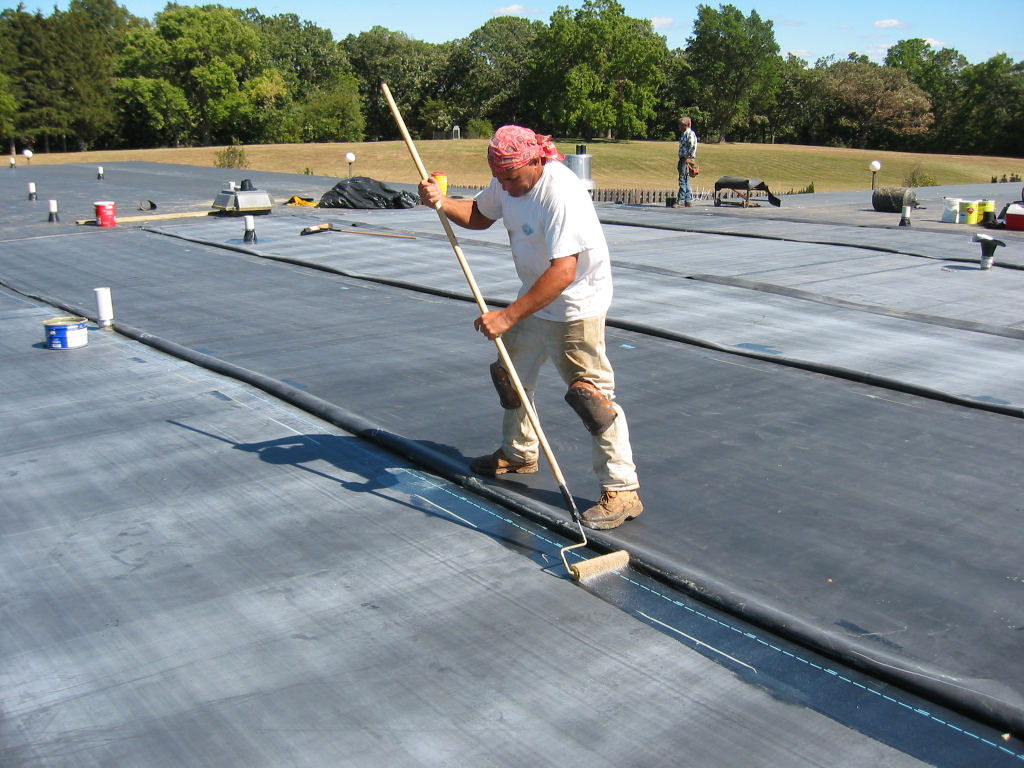
Tenant protection during Memphis re-roofing projects is complicated by the year-round weather risk. Unlike northern markets where projects can be scheduled around a defined warm-weather window, Memphis weather is volatile in every month of the year. A May project can encounter severe thunderstorms; a November project can encounter ice. Temporary waterproofing protocols must be robust regardless of the season, and contractors must be capable of deploying storm protection on short notice throughout the project duration.
Membrane selection for Memphis storage facilities balances heat performance, hail resistance, and freeze-thaw durability. TPO at 60 or 80 mil with verified FM 4473 Class 4 rating has become the dominant choice for new installations and full replacements, offering the best combination of these performance attributes. EPDM remains competitive on smaller structures with complex geometry. Modified bitumen systems are still encountered on older Memphis storage buildings and can be cost-effective for partial repairs, but new installations in the Mid-South market have largely moved to thermoplastic single-ply systems.
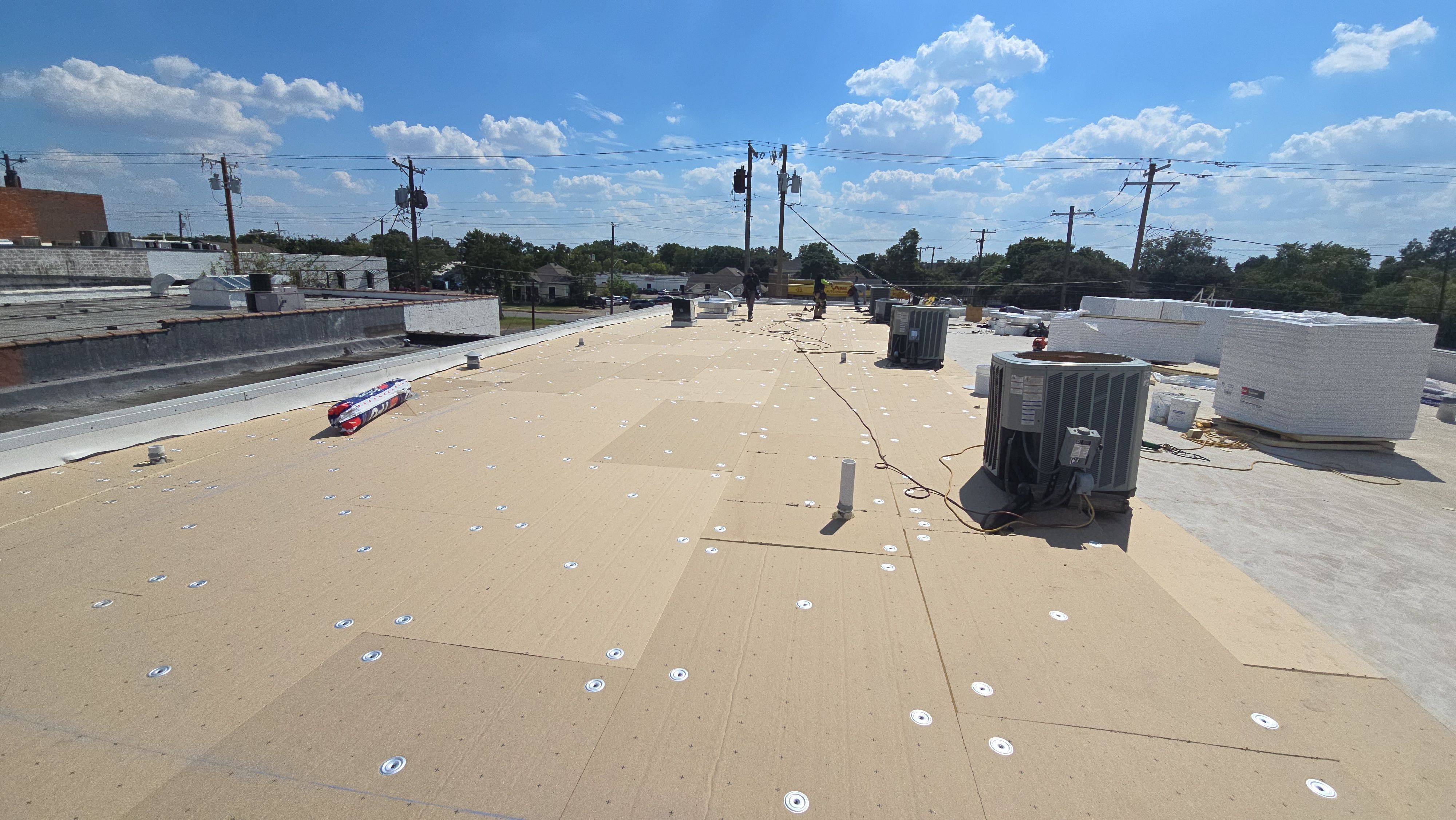
Vapor management on Memphis climate-controlled storage buildings must account for the city's high ambient humidity. Dewpoint temperatures in Memphis summer months are frequently above 70 degrees Fahrenheit, creating a strong inward vapor drive toward climate-controlled interior spaces. A roof assembly that lacks an appropriate vapor retarder on the warm (exterior) side of the insulation will accumulate moisture within the insulation layer, reducing thermal performance and eventually causing insulation failure and membrane blistering. This is a chronic problem on older Memphis storage buildings that have been re-insulated without attention to vapor retarder placement.
Preventive maintenance on Memphis storage portfolios should include spring and fall inspections as a baseline, with additional post-event assessments after any hail event, ice storm, or wind event exceeding 50 mph. Memphis's diverse weather calendar makes a purely seasonal maintenance program insufficient - the ability to respond to unscheduled weather events is as important as the scheduled inspection cadence. A maintenance contract with a defined post-event response time commitment is the appropriate standard of care for a Memphis storage operator.
Contractor selection for Memphis storage projects should include verification of Tennessee contractor licensing, FM product certifications, and references from multi-building storage projects completed in the Mid-South region. The specific challenges of Memphis's climate - high humidity, hail exposure, ice storm risk - are different from both the deep South and the Midwest, and a contractor with regional Mid-South experience will deliver better outcomes than one whose primary market is outside the area.