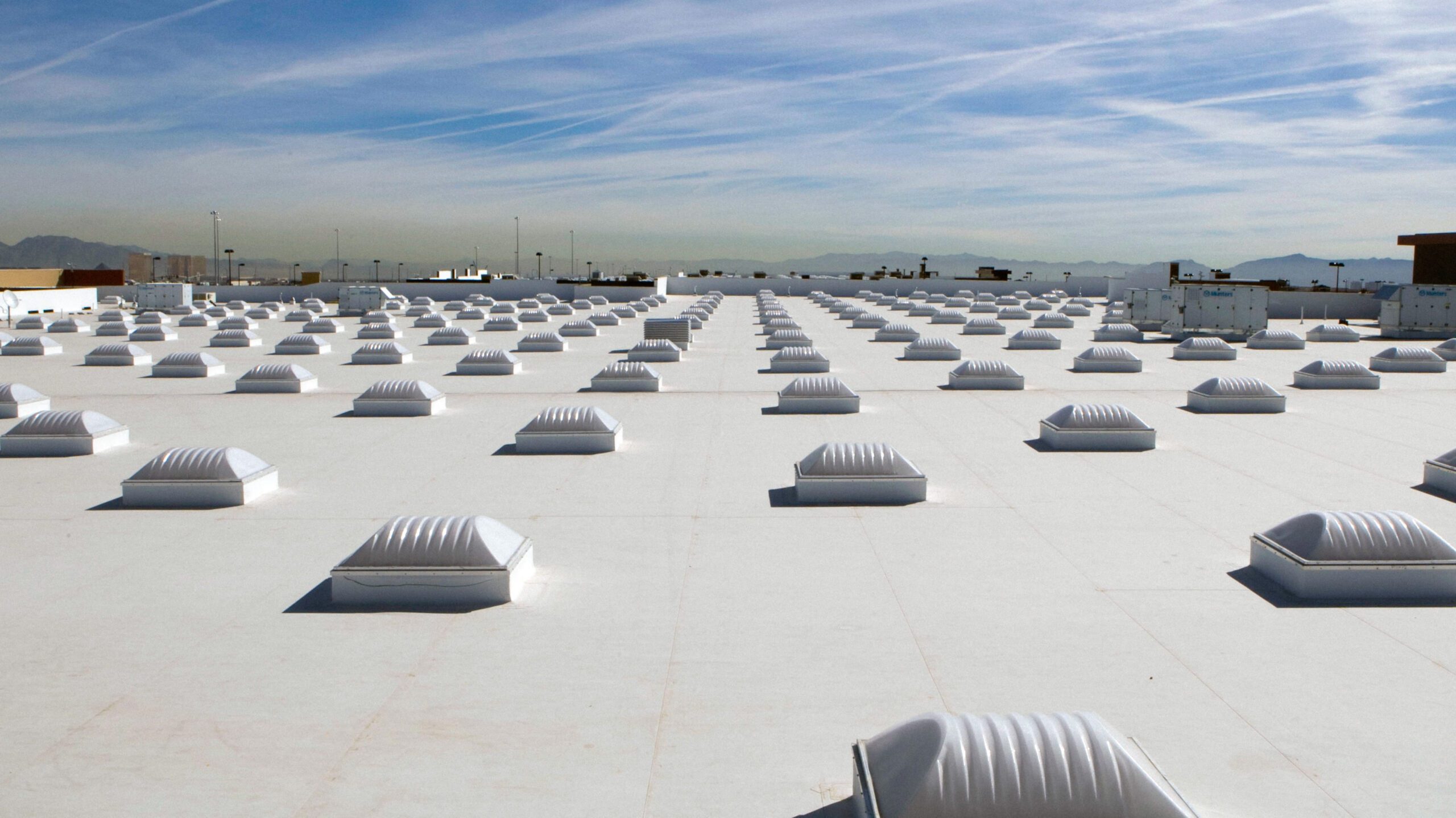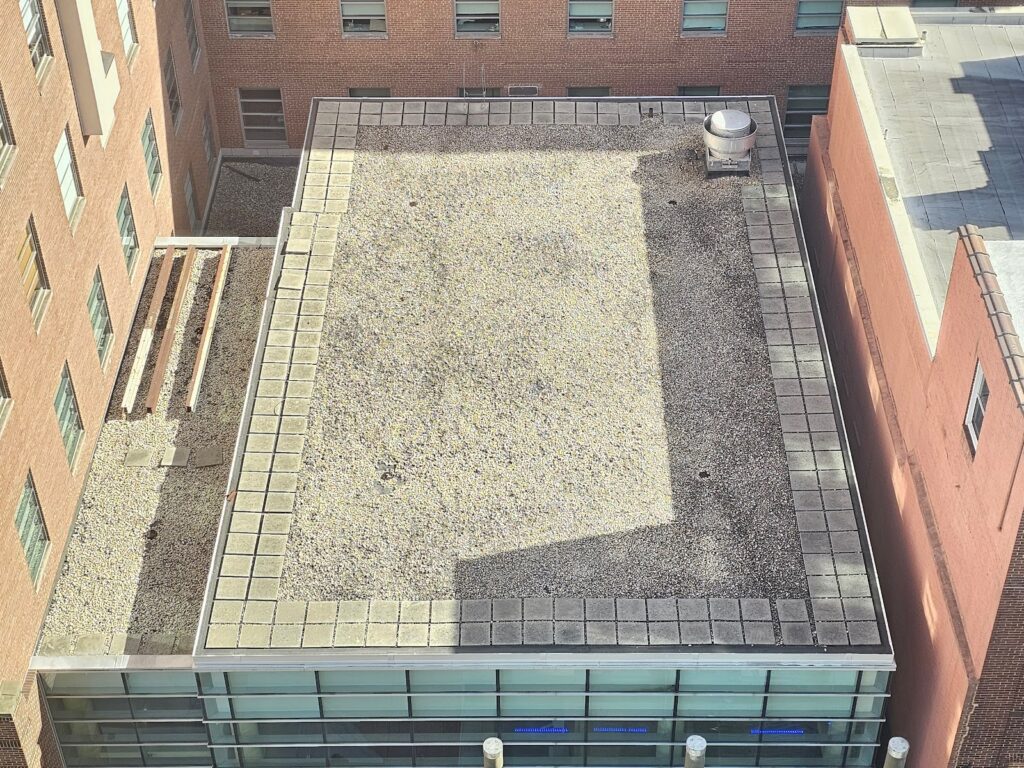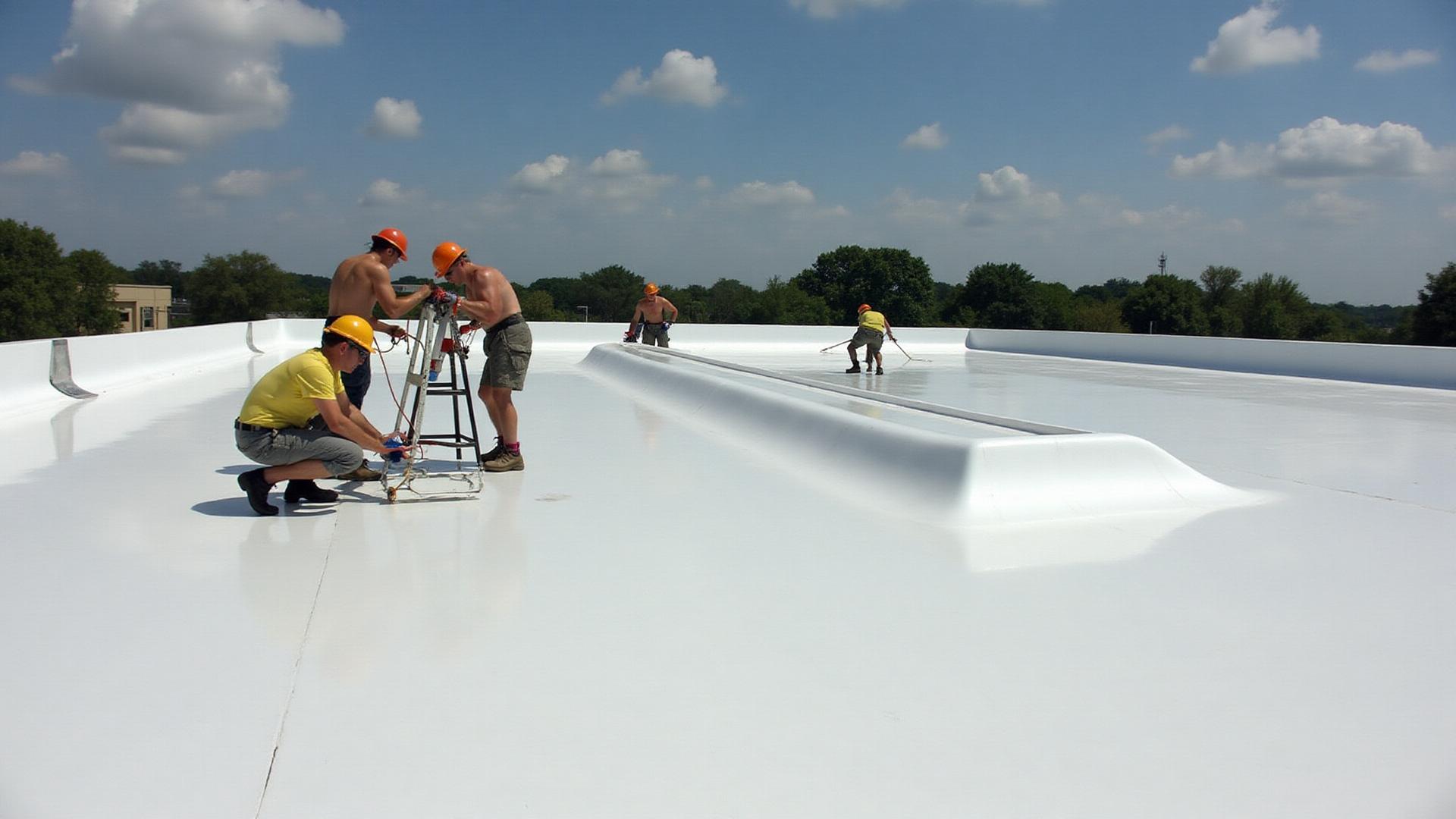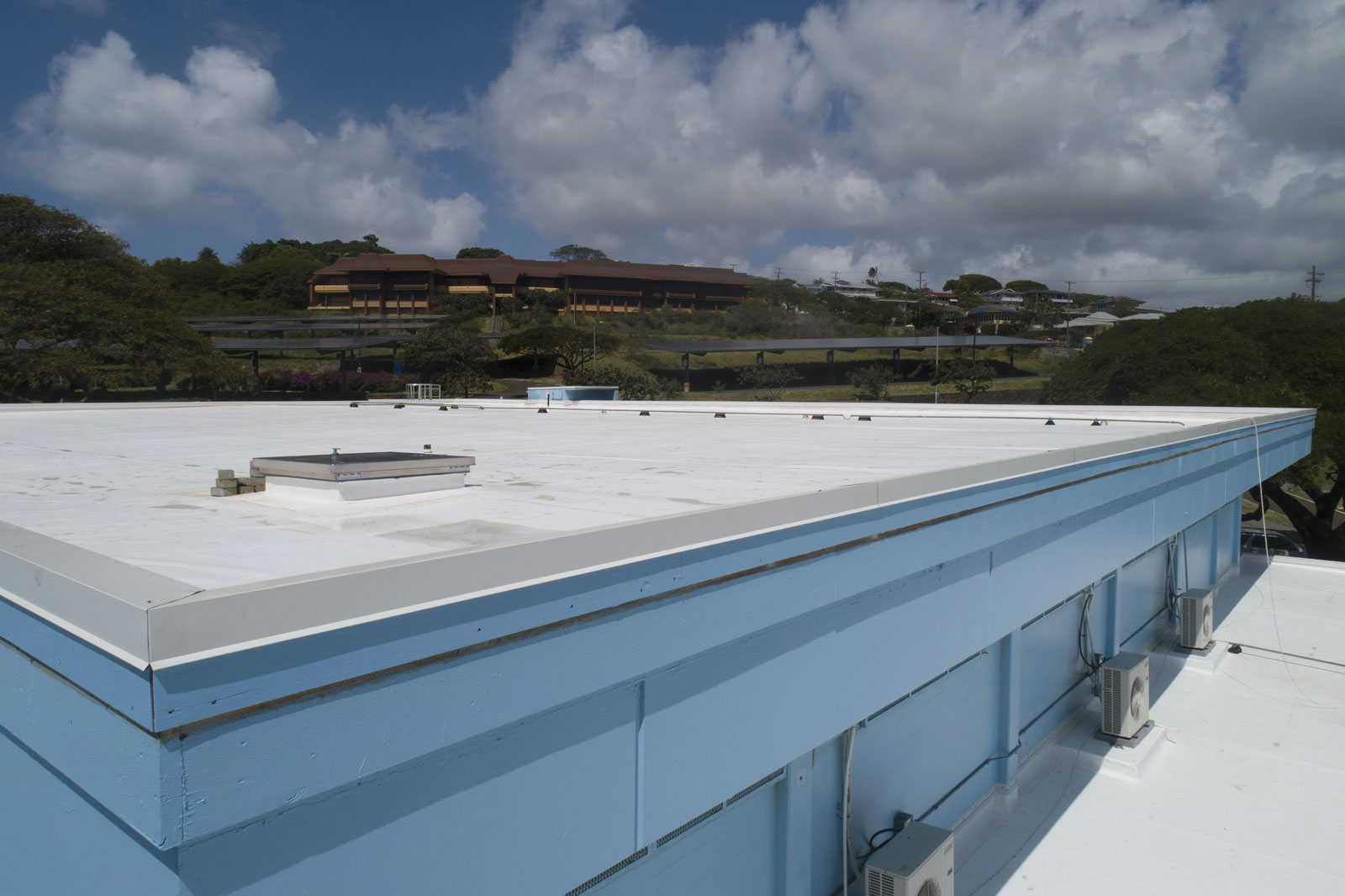
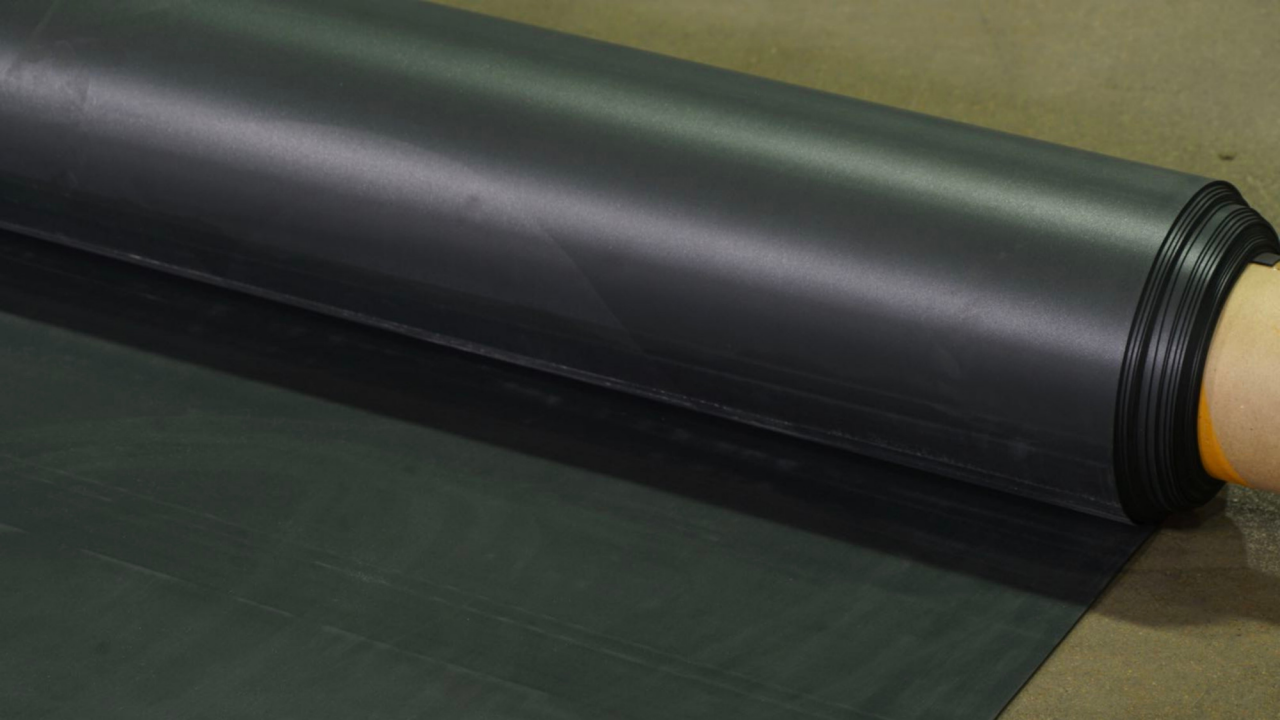
EPDM is the long-running industry standard for commercial flat roofing in the mid-South - durable, flexible through Memphis's temperature extremes, and well-suited for industrial and high-mechanical-traffic facilities where a reflective white surface is not the priority.
EPDM - ethylene propylene diene monomer - is a synthetic rubber membrane that has been the workhorse of commercial flat roofing for decades. The older EPDM stock across the Memphis metro is significant: the East Memphis corporate corridor, the Medical District institutional buildings, and the first generation of Aerotropolis warehouse construction from the 1990s and early 2000s are predominantly running EPDM systems that are now in the 20-30 year age range. Most of those systems are either approaching warranty expiration or past it.
EPDM's core advantage in Memphis conditions is flexibility. The membrane remains pliable at the temperature extremes Memphis delivers - from single-digit January cold snaps to 100°F August afternoons - without the brittleness that affected earlier-generation modified bitumen systems. This flexibility is particularly valuable at parapet flashings and drain boots, where thermal cycling drives the most movement.
EPDM Thickness Options and Application
45-mil EPDM was the standard specification for commercial buildings through the 1990s and much of the 2000s. Most of the existing EPDM on Memphis commercial buildings is 45-mil. It remains in the specifications for recover situations and lower-budget projects, but We specify 60-mil as the default on all new EPDM work. The additional thickness provides better puncture resistance and longer service life, and the cost premium is modest.
60-mil EPDM is the current standard for new commercial EPDM installation in Memphis. It carries a 20-year manufacturer warranty path from all major manufacturers - Carlisle SynTec, Firestone, Johns Manville, GAF. For industrial facilities near Memphis International Airport where rooftop mechanical traffic is heavy - cargo handling equipment vibration, frequent HVAC service access - 60-mil is the minimum We specify.
90-mil EPDM is reserved for high-mechanical-traffic installations and applications where maximum durability is the operating requirement. The cost premium over 60-mil is significant, and the application is narrow - We see it most often on loading dock canopy roofs, rooftop mechanical platforms, and buildings with documented histories of puncture damage from dropped equipment.
Seam Systems: Tape vs. Liquid-Applied
Modern EPDM seam systems use peel-and-stick EPDM seam tape - a significant improvement over the contact-cement seams that are failing on 1990s-era Memphis roofs. Seam tape, properly applied to a cleaned and primed seam edge, delivers reliable adhesion through Memphis's thermal cycling and wet-spring season. I require seam priming and a 5-pound roller pass on every seam, confirmed by photo documentation at closeout.
Liquid-applied EPDM seam treatments are used at inside and outside corners, drain boot terminations, and penetration flashings where tape geometry is difficult. These fluid-applied products are compatible with the base membrane and create a monolithic transition at the most vulnerable detail points. In Memphis's high-rainfall environment, the details at drain bodies and parapet corners are where We see the most failures on aging systems - liquid-applied reinforcement at these locations is standard on all my EPDM installations.
Seam failures on existing Memphis EPDM systems almost always trace back to the original installation conditions or the seam prep. Organic residue on the membrane surface - common in Memphis's humid environment where airborne particulate settles and bonds to stored rolls - prevents tape adhesion from developing full strength. Any EPDM recover or repair scope I write includes seam edge cleaning as a documented step, not an assumed one.
Where EPDM Fits in the Memphis Market
Industrial and warehouse buildings in the Southeast Memphis distribution cluster and the Aerotropolis freight zone are the primary EPDM market in Memphis today. These buildings prioritize durability and installed cost over the reflectivity of TPO - they often have insulated cold-storage areas where a white reflective surface is less relevant, and their rooftop environments are hard on membranes. EPDM's puncture resistance and mechanical flexibility make it the better fit.
Medical District institutional buildings running aging EPDM systems are the other major EPDM project category We see. These buildings - medical office buildings and older hospital support structures along Madison Avenue and Danny Thomas Boulevard - have replacement windows approaching in the 2025-2030 timeframe. Their rooftop environments are complex: dense mechanical penetrations, infection-control requirements for hot work, and off-hours scheduling constraints. EPDM recover or replacement on these buildings requires detailed pre-construction coordination with the facility management team.
East Memphis corporate campuses along the Poplar Avenue corridor - International Paper, FedEx corporate, healthcare administrative buildings - have first-generation EPDM systems that are 25-30 years old. Many are on their second or third repair cycle and approaching the point where the capital case for replacement is stronger than continued repair. We document repair history, remaining insulation condition, and membrane integrity on every EPDM inspection to help owners make that determination with data rather than guessing.
EPDM inspection or replacement scope for a Memphis building?
We will walk the roof, probe seams, pull cores if the insulation condition is uncertain, and produce a written report with a repair-or-replace recommendation and scope.