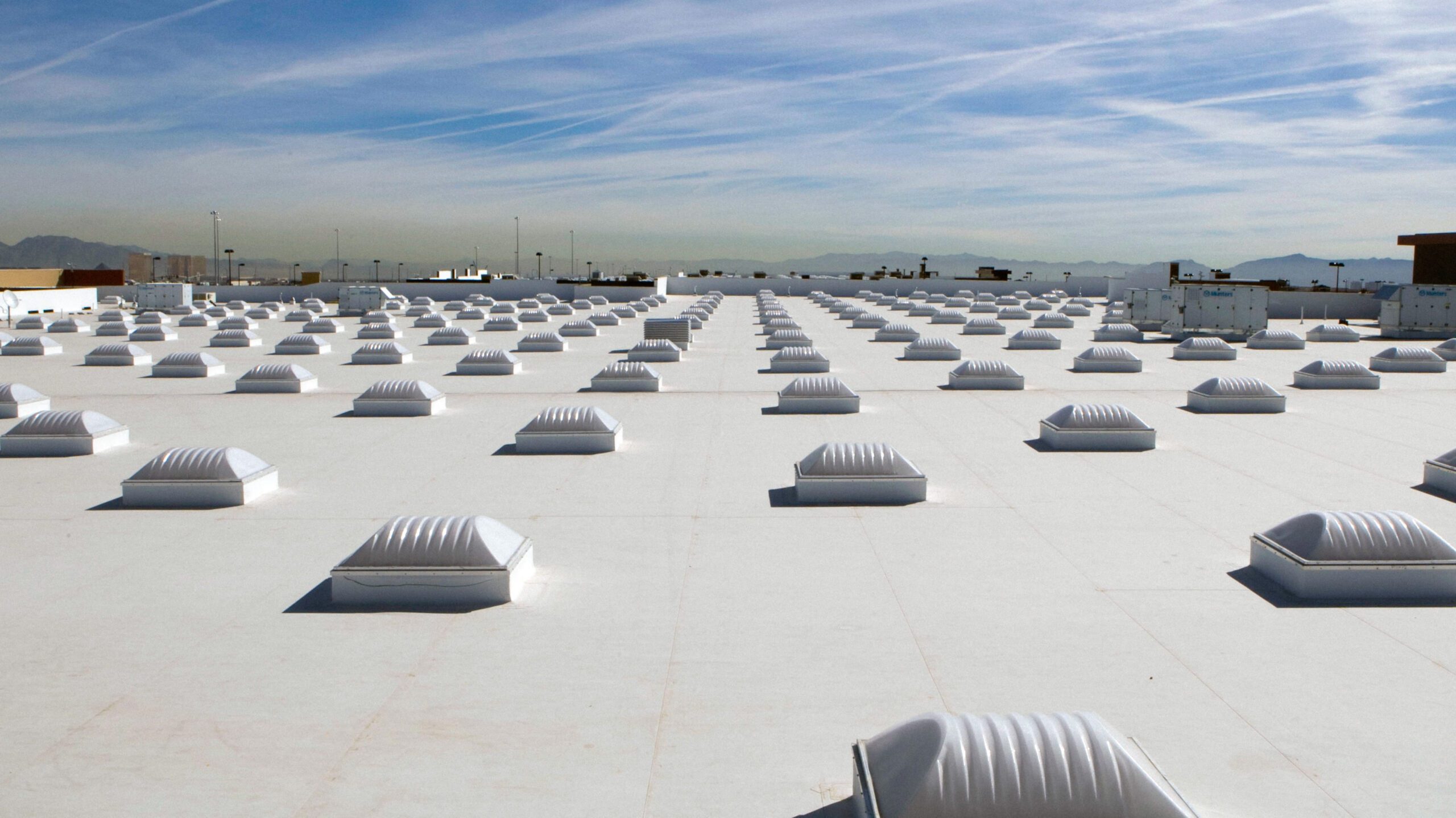
Memphis's peak cooling season runs May through September - six months of sustained high temperatures and humidity that drive commercial HVAC costs to their annual maximum. Cool roof systems cut roof surface temperatures by 40 to 60 degrees, directly reducing the heat gain that those HVAC systems must overcome.
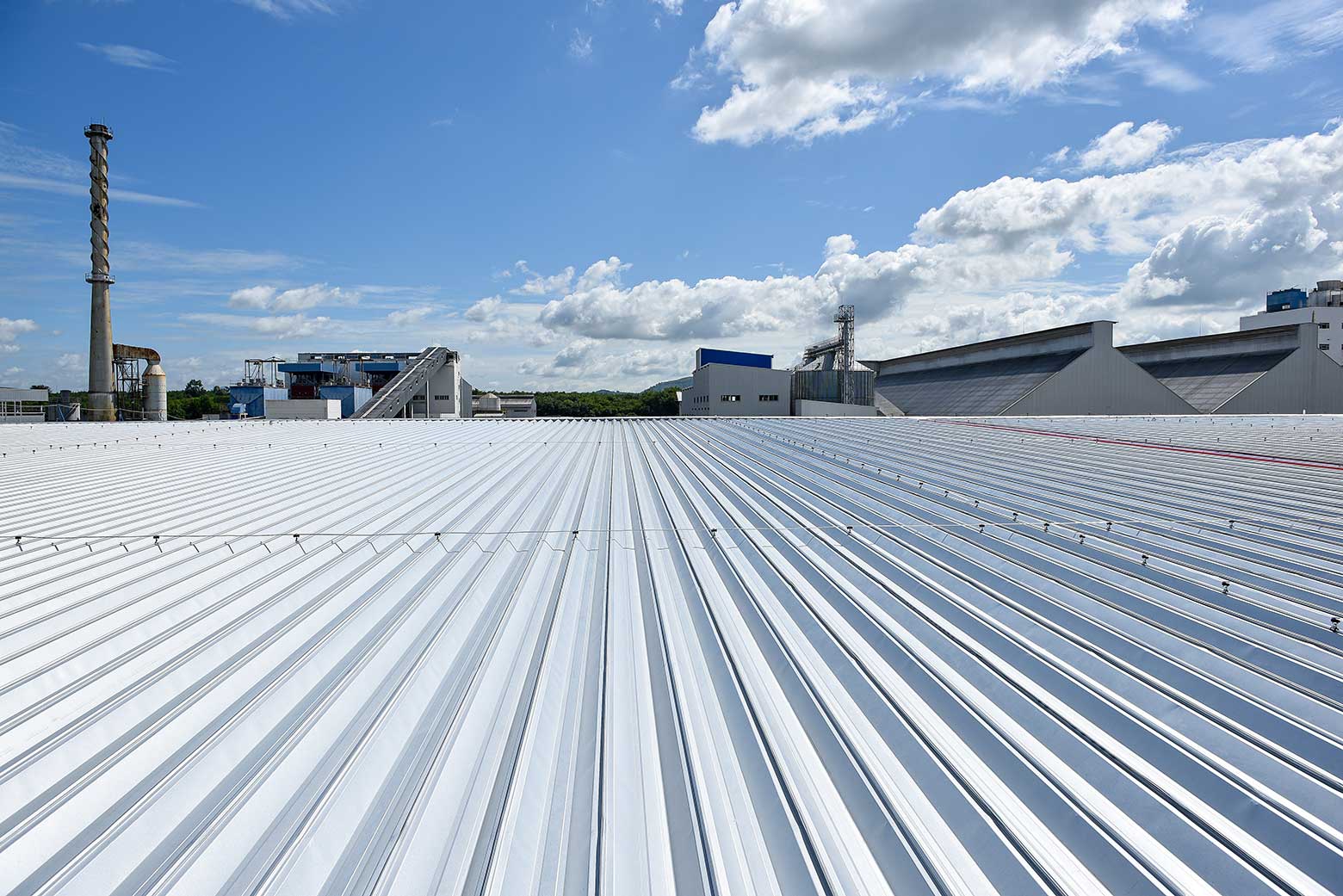
A cool roof is not a specific product - it is a performance characteristic. Any roofing system with high solar reflectance (the fraction of solar energy reflected off the roof surface) and high thermal emittance (the fraction of absorbed energy re-emitted as long-wave radiation rather than conducted into the building) qualifies as a cool roof under the Cool Roof Rating Council's measurement standard. In practice, the Memphis commercial market has four primary cool roof delivery mechanisms: reflective white single-ply membrane (TPO or PVC), silicone or elastomeric coating over an existing dark membrane, SPF with silicone topcoat, and reflective membrane recover over existing roofing.
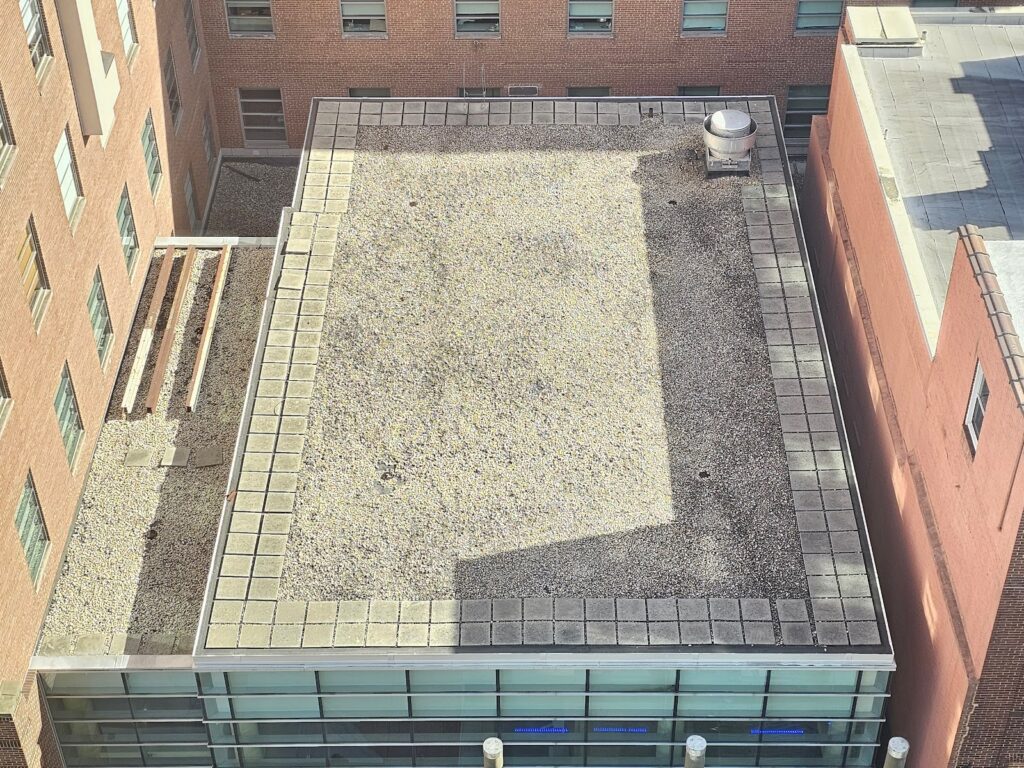
The thermal case for cool roofing is particularly strong in Memphis. The city's humid subtropical climate delivers a long cooling season - peak HVAC demand runs from late April through October - and an urban heat island effect that is measurable in the Downtown and Medical District commercial zones. A dark membrane on a Memphis commercial building in July routinely reads 155 to 165°F on a thermocouple. A high-reflectance white membrane reads 100 to 115°F under the same conditions. That 50-degree surface temperature differential reduces heat conduction through the roof assembly and reduces peak HVAC load.
Cool Roof Options for Memphis Commercial Buildings
White TPO membrane - 60-mil or 80-mil, mechanically attached or fully adhered - is the dominant cool roof specification for Memphis commercial reroof and new construction. TPO membrane manufactured to current standards delivers initial CRRC-rated solar reflectance of 0.80 to 0.87 and thermal emittance of 0.89 to 0.92. After three-year aging per CRRC test protocol, solar reflectance drops to approximately 0.70 - still substantially above the code minimum for Climate Zone 3 (which covers Shelby County). This is the baseline We specify on most Memphis commercial projects where cool roofing is required.
White PVC membrane is the cool roof specification for Memphis buildings with chemical or grease exposure environments. PVC delivers similar initial CRRC values to TPO and retains reflectance well through the weathering cycle. For restaurant buildings in Overton Square and Midtown, food-processing facilities near the Aerotropolis, and car-wash and auto-service buildings along Summer and Lamar Avenues, PVC is the cool roof membrane that also addresses the chemical resistance requirement.
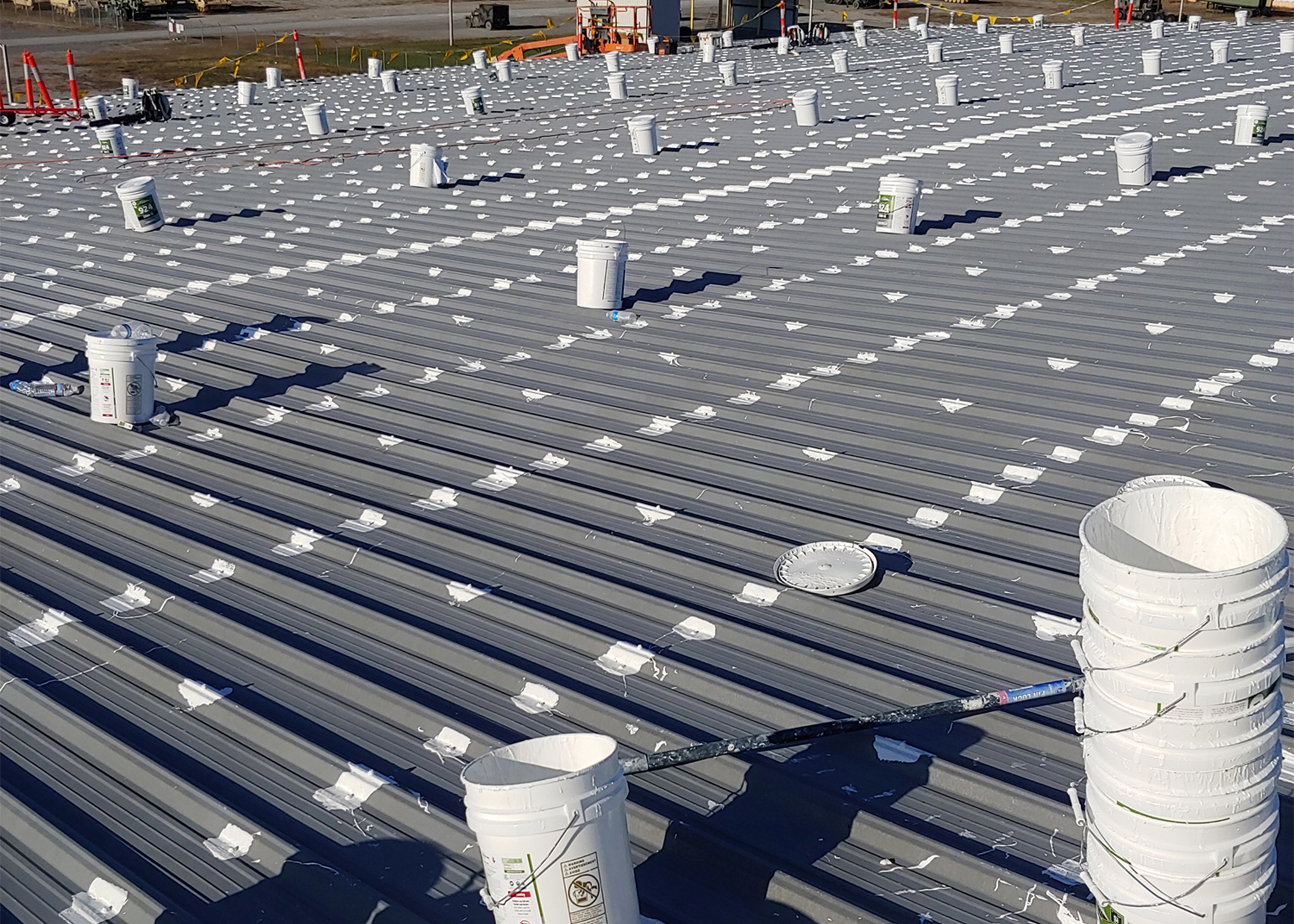
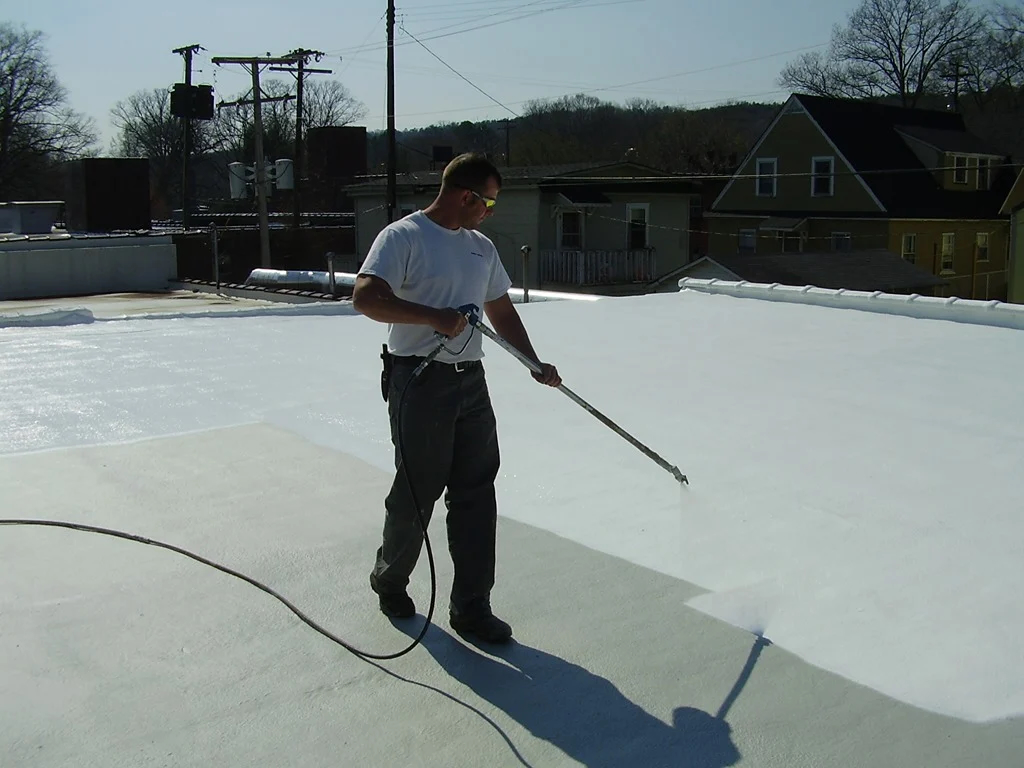
Silicone restoration coating over existing dark membranes is the cool roof upgrade path for Memphis buildings with sound existing membranes that do not yet need replacement. Silicone coatings deliver initial CRRC solar reflectance of 0.80 to 0.90, converting a 160°F dark membrane surface to a 105°F coated surface without the capital cost of membrane replacement. For the large inventory of dark-membrane EPDM buildings in East Memphis and the Aerotropolis logistics corridor, silicone coating restoration is the most cost-effective cool roof conversion available.
Measuring and Documenting Cool Roof Performance in Memphis
CRRC (Cool Roof Rating Council) certifies membrane products based on independently tested initial and aged solar reflectance and thermal emittance values. We specify only CRRC-rated products on Memphis commercial cool roof scopes and document the product's rated values - initial and aged - on the closeout package. This documentation supports Tennessee energy code compliance demonstration and provides the building owner with defensible performance data for any future LEED, ENERGY STAR, or insurance documentation requirement.
Surface temperature monitoring is available on request for Memphis commercial buildings where the energy cost case for cool roofing needs data support. I can coordinate infrared thermography surveys before and after cool roof installation to document the surface temperature reduction. For building owners preparing a capital justification for cool roof upgrade, before-and-after IR data is the most compelling quantitative argument.
Reflectance degradation from Memphis's organic debris accumulation - cottonwood fiber, pollen, bird droppings, Mississippi River particulate - reduces the in-service solar reflectance of white membranes below their CRRC-rated values over time. Annual pressure washing restores reflectance close to original values and is the single highest-ROI maintenance activity for cool roof systems in Memphis's organic-debris environment.
Cool Roof Economics for Memphis Commercial Owners
The cooling load reduction from a cool roof conversion in Memphis is measurable on utility bills within the first full cooling season after installation. Building owners in the Aerotropolis distribution corridor and the East Memphis office market consistently report 10-20% reductions in summer electricity consumption after converting from dark membranes to reflective systems. On a 100,000 square foot distribution building running $0.08 per kWh average electricity cost, the annual savings can run $15,000 to $25,000 - savings that compound through the warranty life of the new system.
Demand charge reduction is often a larger component of the savings than energy-use reduction on Memphis commercial buildings with peak-demand billing. MLGW (Memphis Light Gas and Water) bills commercial customers on peak demand in addition to consumption. A cool roof that reduces peak HVAC demand in the July afternoon peak hours reduces the demand charge on the monthly bill - a savings that does not show up in kWh tracking but appears directly in the billing reduction.
Tennessee does not currently offer a state tax credit for cool roof installation on commercial buildings. The federal energy efficiency commercial building deduction (Section 179D) can apply to cool roof upgrades when they are part of a qualifying energy efficiency project - I can connect building owners with qualified energy advisors who handle 179D documentation for Memphis commercial building projects.
Evaluating cool roof options for a Memphis commercial building?
We will assess the existing system, confirm whether coating or replacement is the right path, and document the CRRC compliance values on whatever system We specify.