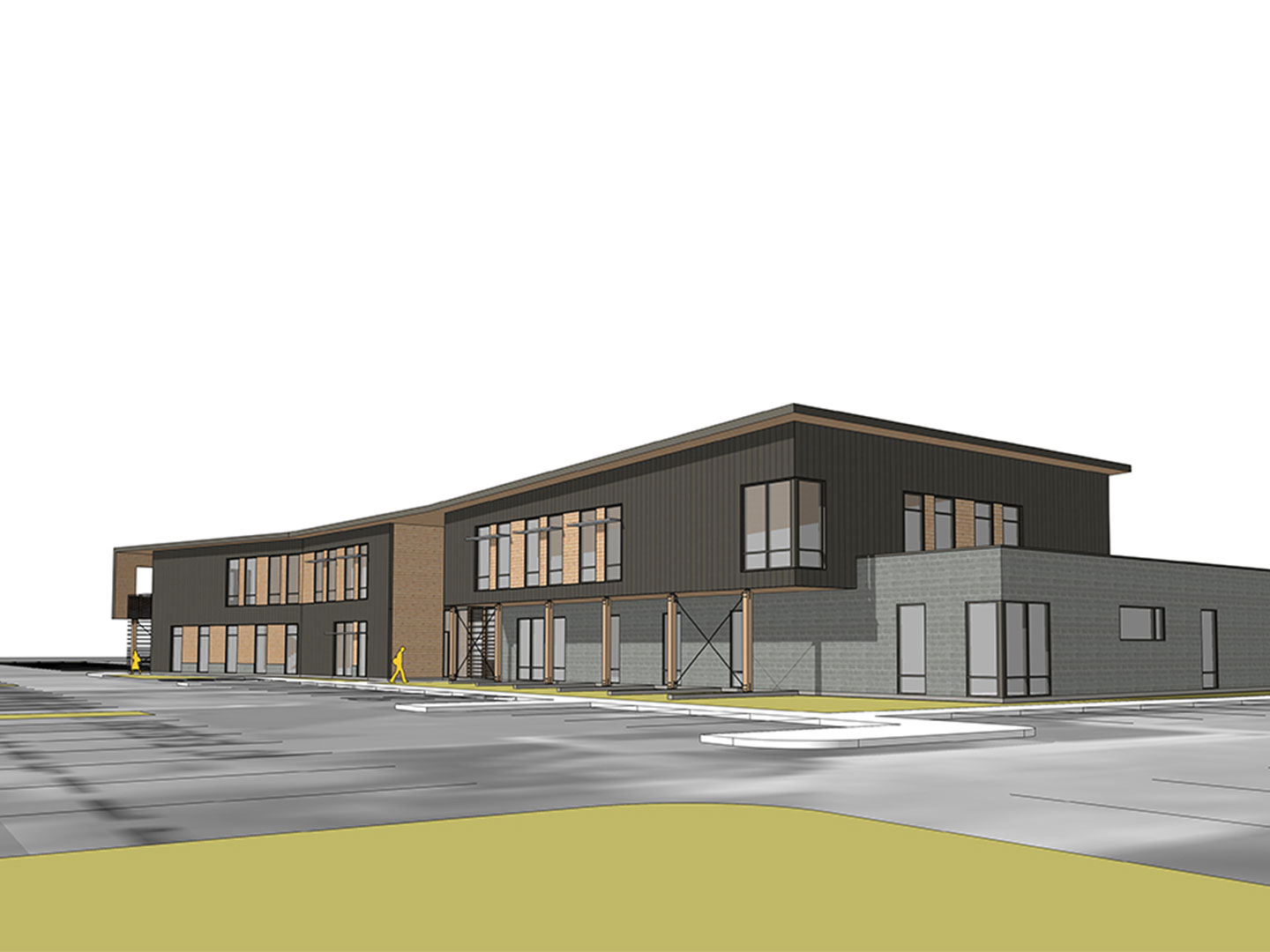
Memphis is home to one of the most significant healthcare clusters in the mid-South, powered by the sprawling Regional One Health medical complex on Union Avenue - the only Level I trauma center in western Tennessee and a cornerstone of care for medically underserved populations across a multi-state region. Methodist Le Bonheur Healthcare operates multiple Memphis campuses, with Le Bonheur Children's Hospital and Methodist University Hospital together forming one of the largest pediatric and adult care networks in Tennessee. Baptist Memorial Health Care, St. Francis Healthcare, and Semmes-Murphey Clinic add depth to a medical ecosystem that draws patients from Tennessee, Mississippi, Arkansas, and Missouri. The medical corridor stretching from the Union Avenue hospital row through Midtown and into the East Memphis office parks concentrates an enormous amount of healthcare real estate that requires roofing expertise matched to clinical standards and Memphis's demanding weather environment.
Memphis's climate creates roofing challenges that reflect its geographic position between the Gulf Coast humidity zone and the continental interior's temperature extremes. The city averages 53 inches of annual rainfall, with significant events concentrated in winter and spring when frontal systems sweep through the Mississippi Valley. Ice storm risk is a defining feature of Memphis winters - the city sits in the precise temperature gradient where precipitation frequently falls as freezing rain rather than snow, coating rooftops with ice loads that challenge drainage and add structural load simultaneously. Summer heat and humidity then cycle against these winter conditions across a thermal range that stresses every component of a roofing system. Healthcare facilities cannot afford membrane failures in any season, making Memphis's climate profile one of the most demanding in the mid-South.
Healthcare Facility Roofing in Memphis, TN Scope Notes
Le Bonheur Children's Hospital, as a regional pediatric referral center serving bone marrow transplant recipients, oncology patients, and other immunocompromised children, represents a facility profile where roofing integrity has direct patient safety implications. The contamination risk from fungal spores introduced through rooftop construction activity is not hypothetical at a facility with this patient population - aspergillus infections following hospital construction events have been documented in the peer-reviewed literature at institutions like Le Bonheur. Our ICRA protocols for work at pediatric hospital facilities include the most stringent available containment measures: sealed barriers extending from roof deck to occupied floor below, HEPA-filtered exhaust, negative pressure verification before work begins each day, and documentation reviewed by the facility's infection control officer before any access is granted.
The medical office and ambulatory surgery market along Germantown Road and in the Germantown and Collierville communities has expanded to serve the suburban population centers east of Memphis. Baptist Memorial's Germantown campus, Methodist Healthcare's East Memphis facilities, and the high concentration of specialty surgical practices along the Wolf River Blvd corridor have driven significant medical office construction over the past decade. These buildings house many of East Memphis's highest-volume orthopedic, ophthalmologic, and general surgery practices, and the procedure suites within them require roofing systems that meet the same sterile environment standards as hospital operating rooms. Penetration details for medical gas, surgical lighting, and HVAC systems must be specified and executed with hospital-grade care.
Regional One Health's campus along Union Avenue includes buildings that span multiple decades of construction, with some portions of the facility dating to the 1950s and 1960s. Managing roofing across a campus of this age and construction diversity requires a systematic approach to condition assessment that identifies which sections are candidates for restoration, which require full replacement, and which can be managed through preventive maintenance programs. Budget-constrained public hospital systems benefit particularly from the cost discipline that a tiered capital approach enables - spending restoration dollars on sections with sound decking and adequate drainage while reserving replacement budget for areas where the underlying structure requires renewal. Regional One's roofing strategy reflects this kind of systematic portfolio thinking.
Memphis's tornado risk adds a dimension to healthcare roofing specifications that facility engineers must address explicitly. The Mississippi Valley is part of the Dixie Alley tornado corridor, and the Memphis metro has experienced multiple significant tornado events including the destructive March 2023 storm that caused widespread damage across Shelby County. Healthcare facilities classified as essential occupancies under Tennessee's building code must design to wind loads that account for this risk, and roofing system specifications for hospital campuses and major surgery centers should include perimeter edge metal systems and fastening patterns appropriate for the wind uplift levels that tornadic winds can generate even well outside the direct damage path.
Assisted living and continuing care retirement communities across the Memphis metro - including facilities in Germantown, Cordova, and Bartlett - operate under Tennessee's Department of Health oversight that includes physical plant condition as a licensure element. The damp, variable climate that Memphis endures makes biological growth, ceiling staining, and moisture-related deterioration persistent challenges for aging facilities. A preventive roofing maintenance program that includes biannual drain cleaning, annual sealant inspections at all penetrations and perimeter conditions, and infrared moisture surveys every three to five years provides the documentation and early intervention capability that protects both resident welfare and the facility's survey performance.
The St. Jude Children's Research Hospital campus in downtown Memphis represents a specialized roofing environment where research containment requirements intersect with clinical care demands. Research laboratory buildings housing pediatric cancer research require building envelopes that maintain precise positive and negative pressure relationships between spaces, and any roofing deficiency that compromises this integrity has both research and clinical safety implications. The institutional standards that St. Jude applies to its physical plant maintenance are among the most rigorous in the country, and contractors who have worked on this campus bring a level of technical and administrative experience that is directly applicable to other high-standard healthcare roofing work in the Memphis market.
Selecting a commercial roofing contractor for Memphis healthcare properties means looking for specific healthcare project experience, ICRA training and documentation, and active manufacturer certification for the membrane systems being considered. Tennessee contractor licensing requirements ensure baseline competence, but they do not differentiate between contractors with deep hospital campus experience and those who have primarily worked on retail and industrial properties. Direct reference verification with Le Bonheur, Baptist Memorial, or Methodist Le Bonheur facility management teams provides the confidence that licensing records alone cannot deliver. The investment in this vetting process is trivial compared to the cost of a compliance incident or clinical disruption caused by a contractor who did not understand what working on a hospital campus requires.