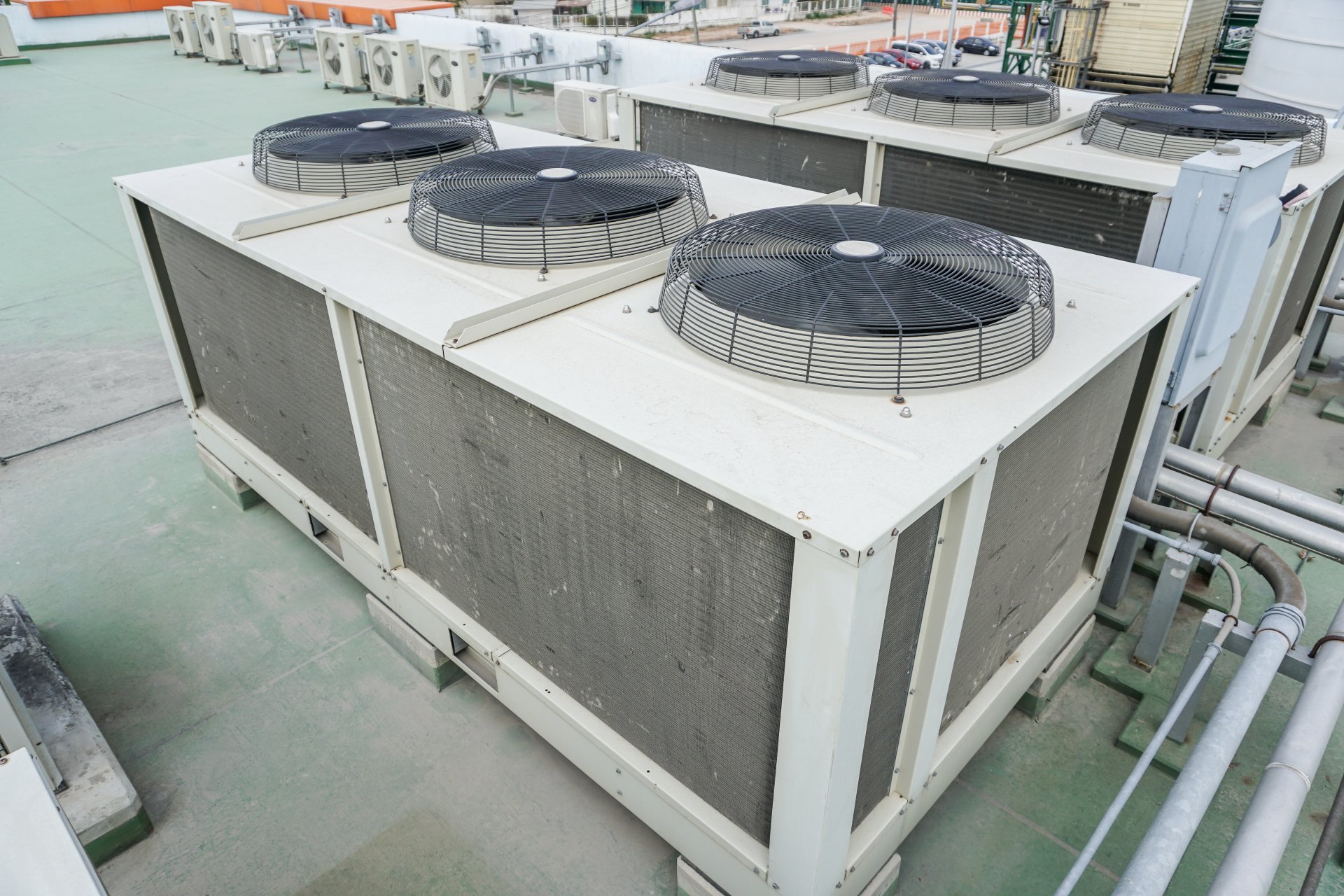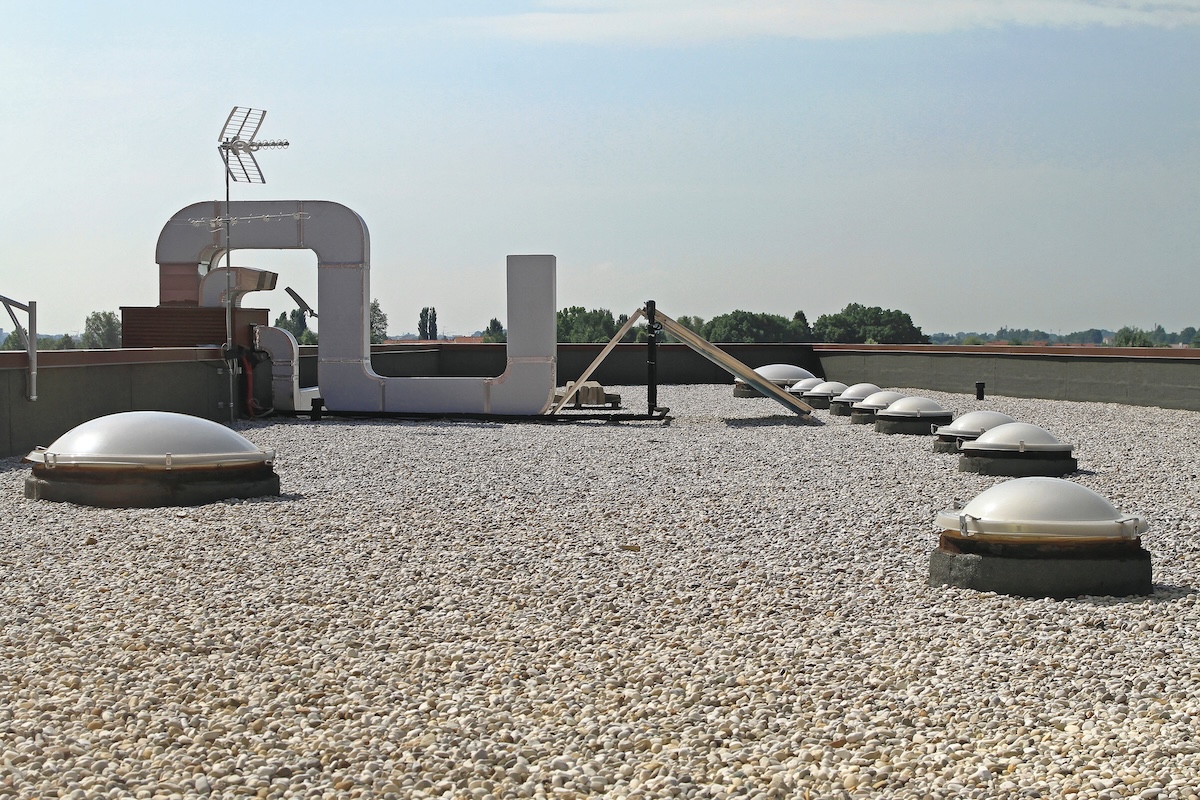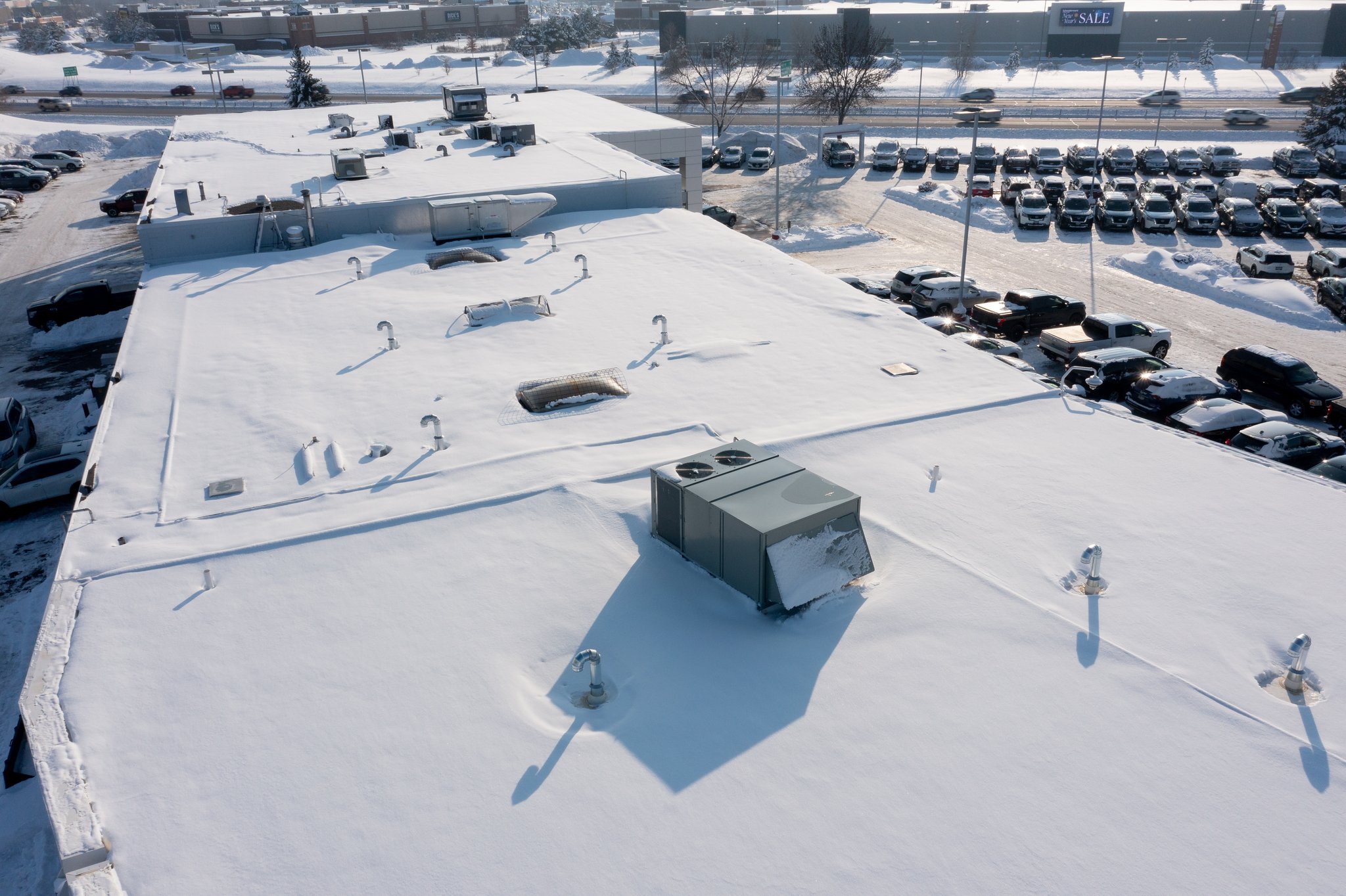
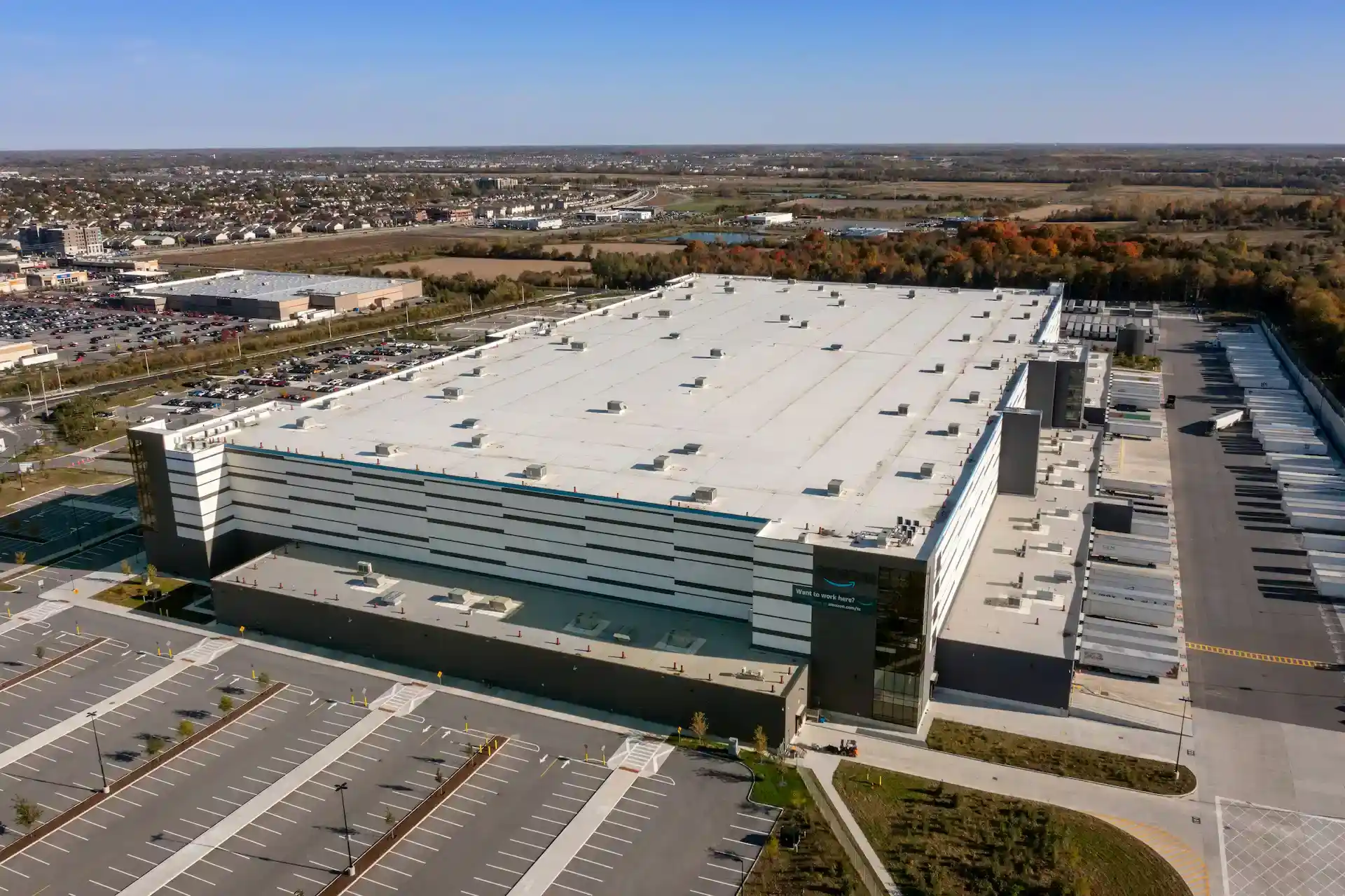
FedEx's global hub at Memphis International Airport is the single largest air cargo operation in the world, and the warehousing and sortation complex that surrounds it makes Memphis one of the most important logistics cities in North America. The DCs and cross-dock terminals that cluster along the I-240, I-55, and I-40 corridors in Memphis serve as connective tissue between the FedEx system and the regional retail and manufacturing supply chains of the mid-South. Roofing those facilities correctly means understanding a climate that delivers 54 inches of annual rainfall, occasional tornado-season wind events, summer heat that pushes dark-membrane surface temperatures near 170°F, and enough winter ice and freeze events to test every sealant joint on the building annually.
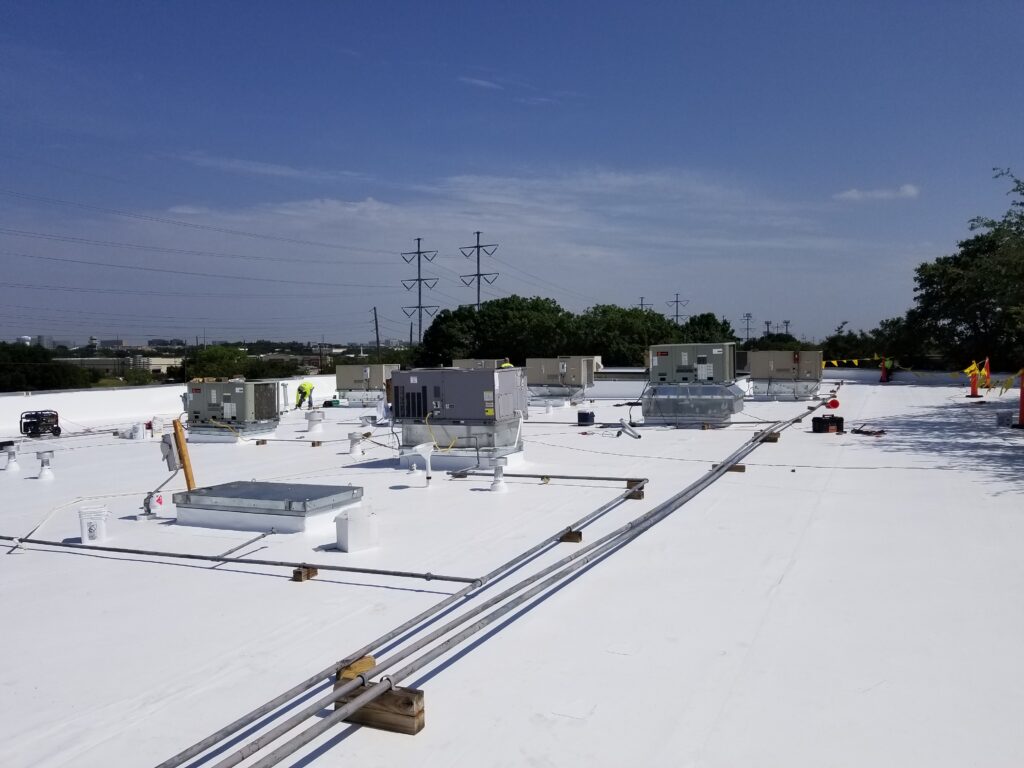
TPO has displaced EPDM as the dominant warehouse membrane in the Memphis market over the past decade because its reflective white surface addresses the city's summer heat load effectively, and modern 60-mil and 80-mil TPO heat-welded systems perform well in the region's modest freeze-thaw cycling. For large distribution centers near the airport, 80-mil TPO is the appropriate specification because the higher foot traffic from maintenance personnel, the density of rooftop mechanical equipment, and the need for a robust warranty justify the modest cost premium. Mechanically attached and fully adhered TPO systems are both used in the Memphis market, with mechanically attached systems typically faster to install and adhered systems offering better wind uplift performance for edge and corner zones.
Warehouse and Distribution Center Roofing in Memphis, TN Scope Notes
Drainage on Memphis warehouse roofs must be sized for the intense convective storms that are common throughout the spring and summer seasons. Memphis sits in Shelby County, which sees some of the highest tornado activity east of the Mississippi, and the same weather systems that produce tornado warnings also produce rainfall intensities that can overwhelm undersized drainage systems. The 100-year design storm for Memphis delivers approximately 4 - 5 inches of rainfall per hour at peak intensity. Primary drains should be sized for the design event and supplemented by secondary overflow scuppers at code-required elevations. Leaf buildup from the hardwood tree canopy that dominates Memphis neighborhoods can clog primary drains in October and November, and a pre-winter drain cleaning is essential annual maintenance.
Dock penetrations at Memphis logistics facilities must be maintained against the specific hazard of damage from sortation and conveyor equipment operations. High-throughput cross-dock terminals have constant vehicle movement near dock areas, and mechanical damage to conduit penetrations from equipment contact is not uncommon. Metal pitch pockets with heavy-gauge metal stands resist impact damage better than standard-gauge products and are worth the modest additional cost on high-traffic dock areas. All dock area penetrations should be included in the annual inspection circuit with specific documentation of any mechanical impact damage.
Forklift exhaust management in Memphis warehouse roofing follows standard practice for industrial facilities, but the concentration of high-throughput operations around the FedEx hub means that some facilities run continuous operations with large propane forklift fleets. Continuous-use exhaust stacks need to be flashed with metal pitch pockets and high-temperature silicone rather than standard sealers, and they should be inspected at twice-annual intervals. Memphis's transition to electric forklift equipment is following national trends in large-tenant logistics facilities, with many FedEx Ground contractors converting under sustainability programs.
Energy efficiency in Memphis warehouse roofing is significant because Tennessee's commercial energy code, following ASHRAE 90.1, requires R-25 minimum for low-slope commercial assemblies in Climate Zone 3A, which covers Memphis. White TPO over R-25 polyiso meets this requirement and reduces summer cooling load substantially. Memphis Light Gas and Water does not offer a formal cool roof rebate program, but the energy cost reduction from a reflective membrane in Memphis's long, hot summer is real and measurable - typically 12 - 20% reduction in peak cooling energy compared to dark membranes on comparable buildings.
The recover versus tear-off decision for Memphis warehouses often turns on the age of the existing EPDM systems installed during the 1990s and 2000s construction boom that accompanied FedEx's expansion. A 20-year-old EPDM system that has been maintained adequately may still have several years of service life if covered with a coating, but one that has developed seam separations across more than 10% of its seam length is a tear-off candidate. Pre-project infrared scanning is the appropriate tool for making this determination, and a scan that shows less than 10% wet insulation supports a recover decision.
Memphis commercial roofing contractors range from major national roofing companies that operate regional facilities serving the mid-South to smaller local firms focused on Shelby County. For large distribution center projects, the contractor selection criteria should include manufacturer certification, documented project history on comparable industrial facilities, and the capacity to mobilize quickly after storm damage. A contractor who cannot commit a crew to a 200,000-square-foot emergency repair within 48 hours of a tornado-season event is a liability for a high-throughput operation that cannot afford extended downtime.
Cost benchmarks for Memphis warehouse roofing run from $9 - $13 per square foot for a TPO recover with new polyiso insulation, to $13 - $18 per square foot for a full tear-off and replacement. Storm damage claims from tornado-season events are common in Shelby County, and commercial property carriers in Memphis have seen enough roofing claims to understand the documentation requirements. Pre-loss inspection reports on file before storm season begins, combined with post-event photographs taken before any emergency tarping, support the strongest possible claim outcome.