Automotive Manufacturing Facility Roofing in Memphis
The auto supply base around Memphis has grown steadily on the back of the assembly plants within a half-day's freight of the city. Blue Oval City, Ford's enormous truck and battery campus rising at the Memphis Regional Megasite in Stanton just up I-40, has pulled a wave of Tier 1 and Tier 2 suppliers into West Tennessee, and the parts plants, stamping operations, and sequencing centers feeding the broader Southern auto corridor already dot the industrial parks along Lamar, Holmes Road, and the Frank Pidgeon area near the river. These are big, busy buildings, and roofing them is a logistics problem as much as a roofing problem.
An automotive plant roof is defined by three things: its sheer size, the process loads and ventilation crowding the deck, and a production schedule where an interruption has a dollar-per-hour cost the plant can quote you. We plan every project around those facts from the first preconstruction meeting.
Very Large Roofs Demand Phased Logistics
Assembly and major component plants put hundreds of thousands, sometimes millions, of square feet of roof under a single envelope. You cannot simply tear that off and reroof it; you phase it. We section the roof into zones, sequence tear-off and material delivery to stay inside crane reach and laydown limits, and keep production running in the zones we are not in. The governing rule on a roof this size is that no zone is left open at the end of a shift, because an exposed deck over a running line during a Memphis storm is a multi-party loss event, not an inconvenience. Every zone gets same-day dry-in before the crew leaves it.
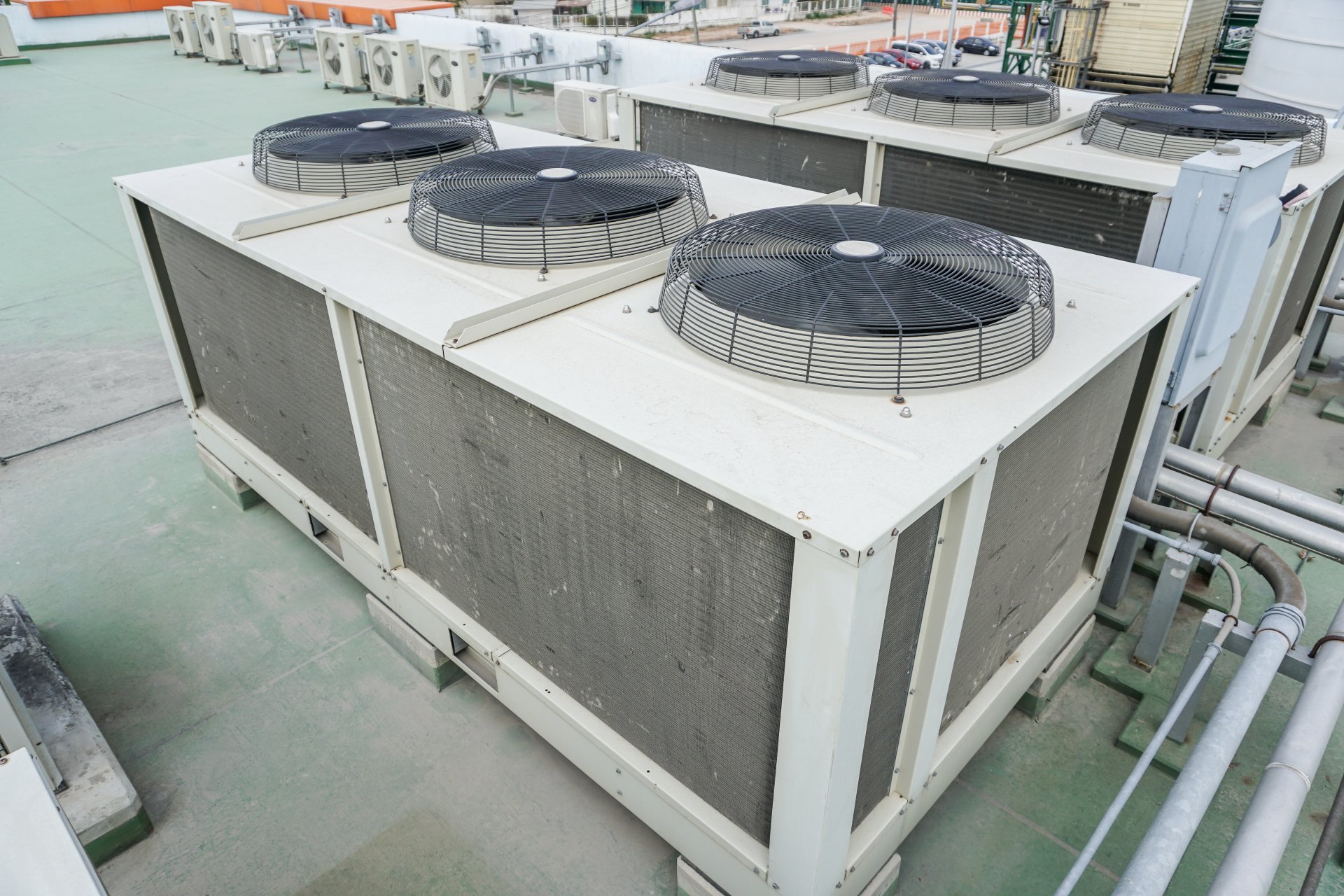
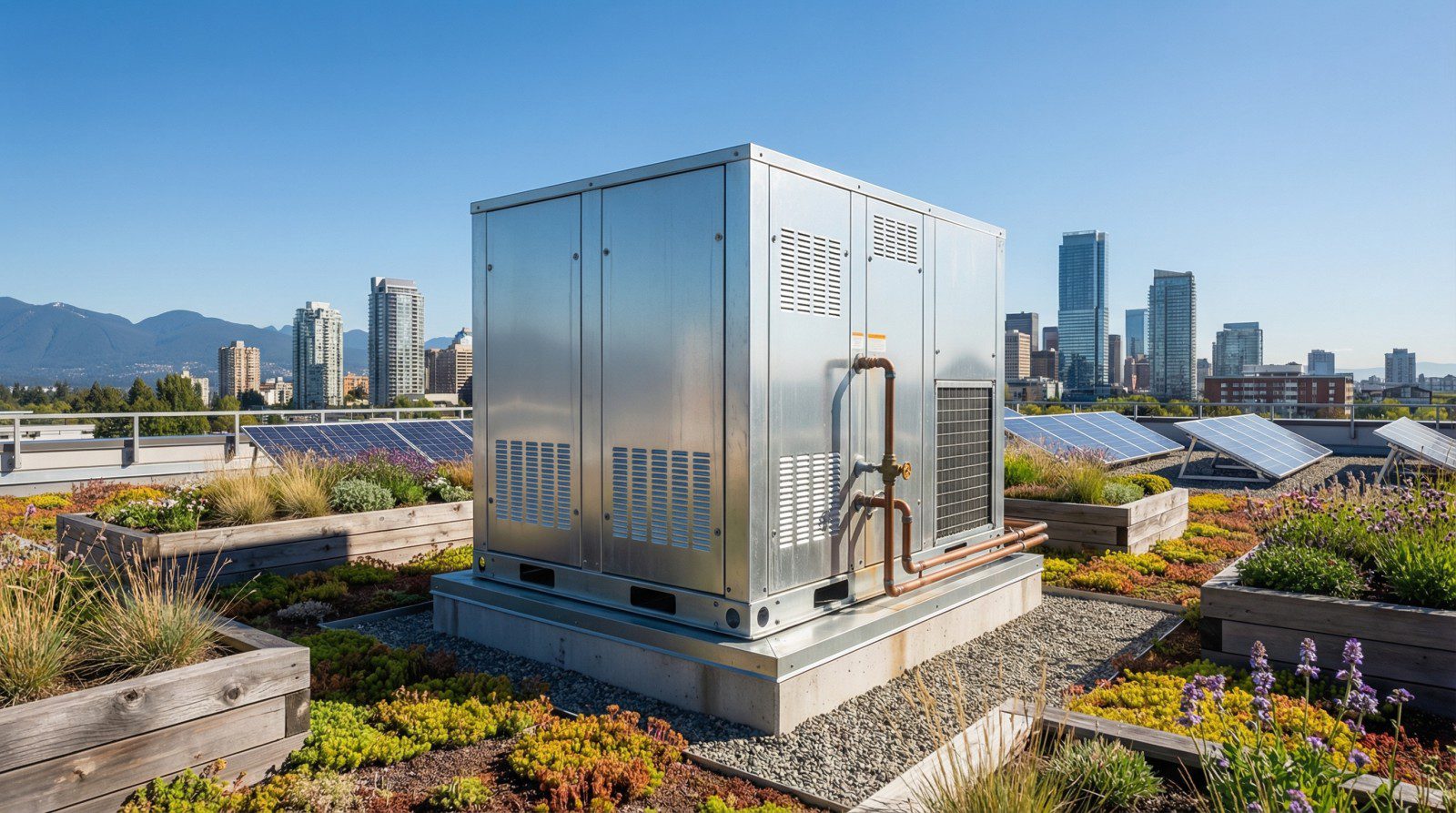
The mechanical density on a plant roof is unlike a warehouse. Make-up air units, process exhaust, weld-smoke and mist collection, and the ductwork that serves them sit in dense runs, all carrying load and all penetrating the membrane. Each of those curbs and supports has to be flashed as its own detail and sized for the load it actually carries. We inventory the penetrations, confirm the deck can take the insulation and equipment loads we are proposing, and treat the high-traffic service paths between units as wear zones that need walkway protection so foot traffic does not chew through the membrane.
Heavy presses and machining lines transmit vibration up through the structure, and at the frequencies a large stamping operation generates that can fatigue a seam that was welded or bonded carelessly. Over press and powertrain areas we adjust the membrane attachment and tighten the welding procedure to handle the vibration. Paint and coating operations are their own animal: they create solvent vapor and fire-suppression considerations that govern hot-work permits and rule out solvent-based adhesives over the line. In those zones we plan a hot-work protocol with the plant's environmental and safety team and switch to cold-applied or mechanically attached systems so no torch or solvent goes over active paint.
Production Continuity Is the Whole Game
Before we mobilize, we sit down with plant facility engineering and map which zones sit over active lines, what the shift schedule is, and where we can stage and hoist without crossing operations. The phasing plan comes out of that conversation, daily dry-in is confirmed before each shift change, and we keep a direct line to the maintenance foreman through the whole project. The plant tells us what an hour of downtime costs; our job is to make sure they never have to pay it because of the roof.
Questions Plant Engineers Ask Us
Can you reroof without interrupting our production line?
We phase the roof into zones tied to your shift schedule, work clear of active lines, confirm dry-in before each shift change, and keep direct contact with your maintenance foreman. We never leave a zone open over a running line.
How do you handle hot work near paint booths and other ignition-sensitive areas?
We build the hot-work plan with your EHS team during preconstruction and switch to cold-applied or mechanically attached systems over paint-adjacent zones, so no torch or solvent adhesive goes over active operations.
How do you account for deck load capacity when specifying the roof assembly?
We confirm the existing deck capacity before specifying insulation thickness and equipment support, and we adjust the assembly where structural load is a constraint rather than assuming the deck can carry whatever is convenient.
Talk to Us Before Your Next Reroof
If you manage an automotive plant or supplier facility in the Memphis region, reach out through our contact page. We will walk the roof, document conditions, and build a phased written scope sized to your production schedule and the constraints of your building.