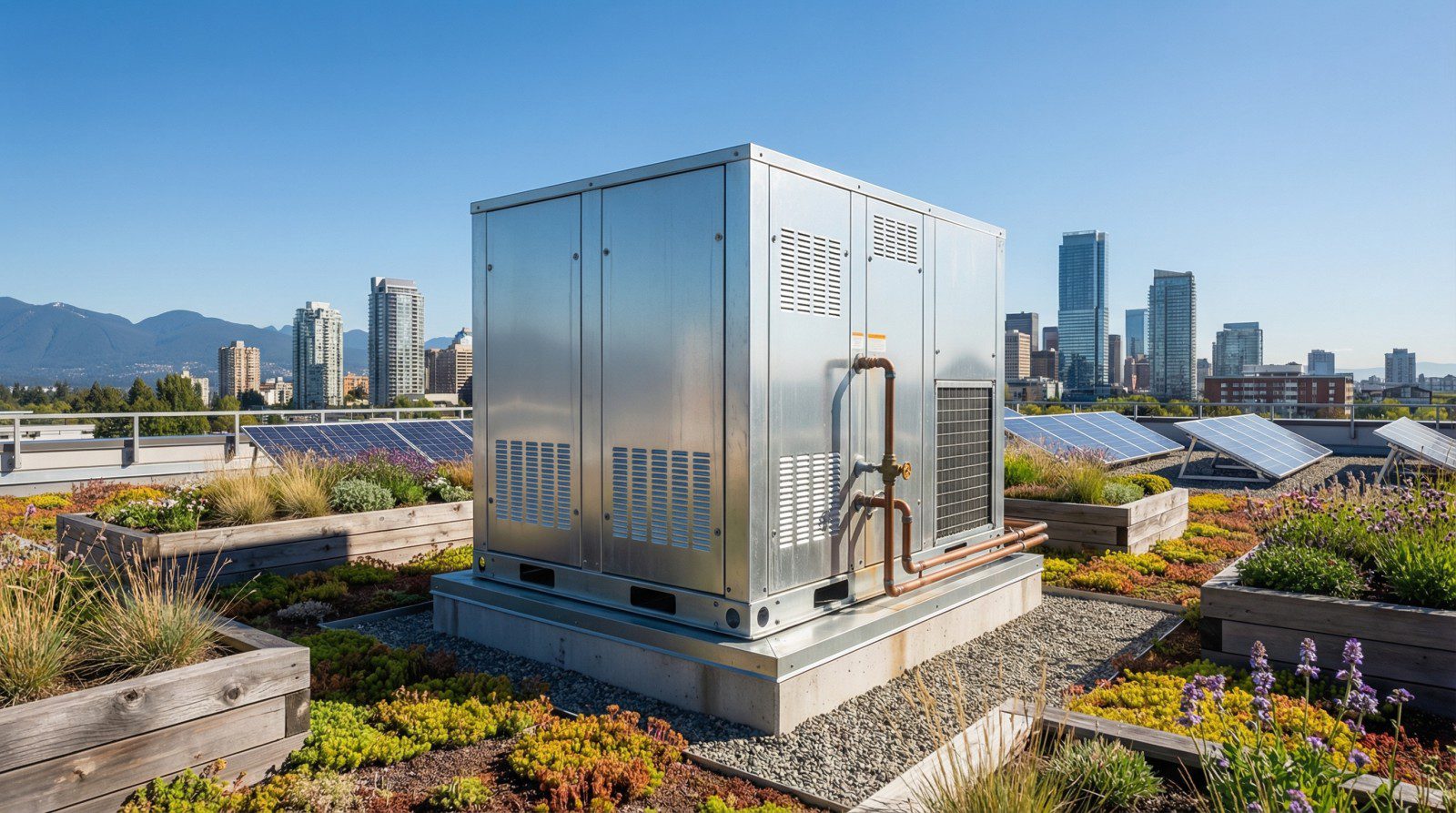
Quick-service restaurant and fast-food roofing in Memphis deals with a small building footprint carrying a disproportionate amount of rooftop equipment, most of it tied to kitchen exhaust and hood venting that runs almost every operating hour.
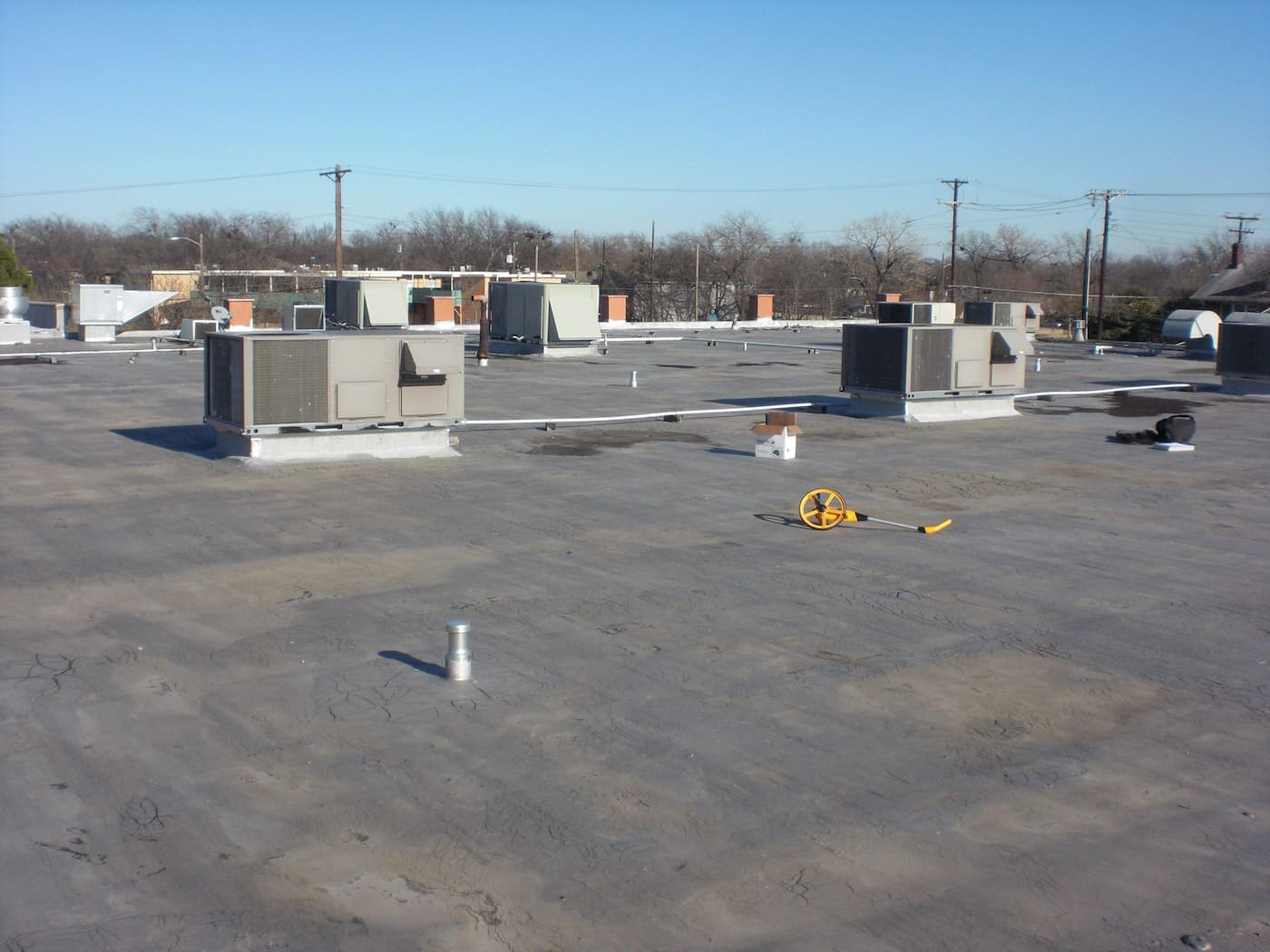
A roof walk on a QSR building spends extra time at the grease exhaust and hood vent penetrations, since grease-laden air breaks down standard membrane and sealant faster than ordinary weathering, and a tight urban lot often limits where a crew can stage equipment and material.
Grease Exhaust, Hood Venting, and Rooftop Equipment
Kitchen hood exhaust that vents through the roof deposits grease residue around the penetration and nearby membrane, which accelerates wear and can void a standard warranty if the area is not addressed with the right materials. Flashing and curb details at these penetrations typically need more frequent inspection than the rest of the roof.
QSR roofs also carry rooftop HVAC serving the dining room and kitchen, and kitchen exhaust fans that cannot be shut down for long without affecting food service. Any roof work near this equipment is planned to keep exhaust and makeup air systems running throughout the project.
Tight Urban Footprints and Scheduling Around Service Hours
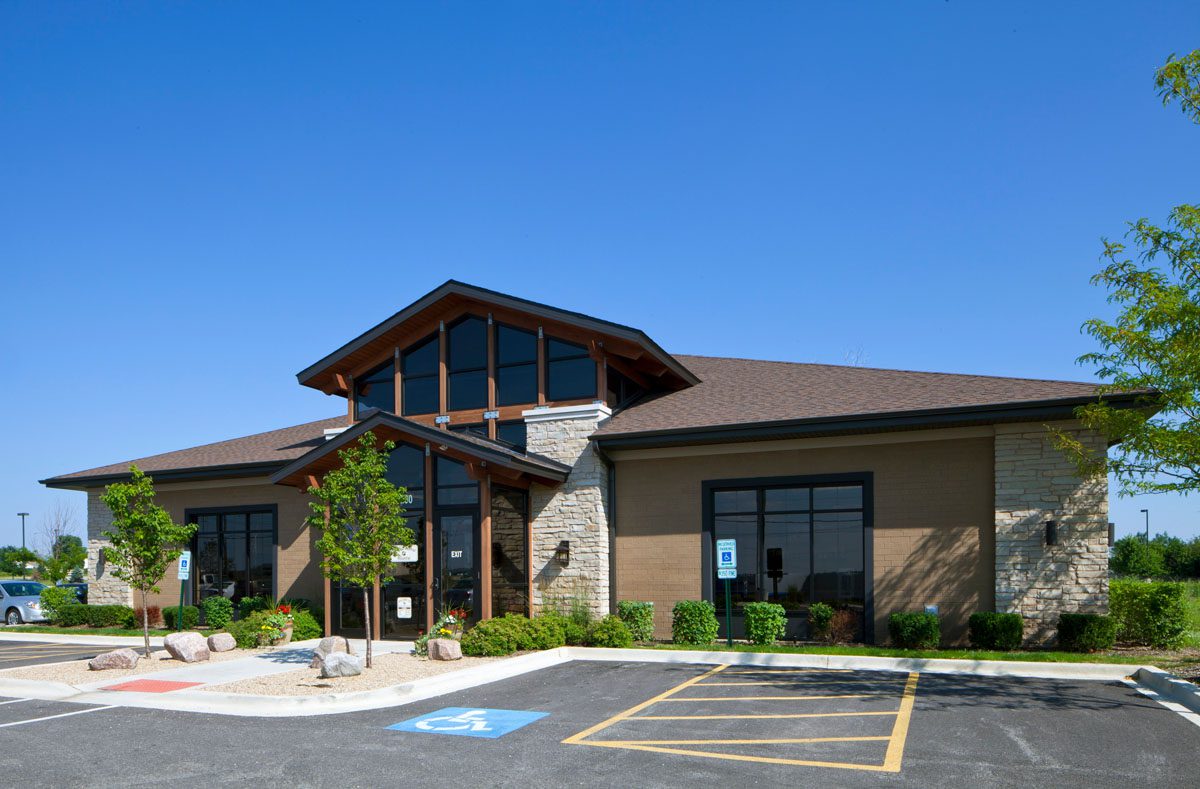
Many QSR locations sit on small, tight lots with limited staging area, shared parking, and drive-through lanes that need to stay open. Material delivery, dumpster placement, and lift access have to be planned around the site's actual footprint, often with a smaller work zone than a typical commercial project.
Because these locations run long service hours with little downtime, disruptive work is scheduled for the slowest hours of the day where possible, and the drive-through lane and customer parking are kept clear and safe throughout the project. A repair, recover, or replacement decision comes down to membrane age, flashing condition around the grease exhaust penetrations, and whether the insulation underneath is still dry.