Memphis holds one of the largest concentrations of naturally occurring affordable housing in the Mid-South, and the multifamily roofing demands of that inventory reflect decades of deferred maintenance, aging building stock, and the particular climate stresses that the Mississippi River valley delivers year-round. Property managers overseeing apartment portfolios from Midtown to South Memphis to Cordova are working with a building inventory that spans everything from early 20th-century brick apartment blocks to 1970s garden-style complexes to newer suburban communities in the Collierville and Germantown corridors. Each era and each neighborhood presents its own roofing profile, but the thread connecting all of them is a climate that produces severe convective storms in spring and summer, ice events in winter, and a humidity level year-round that makes moisture management in roofing assemblies a non-negotiable concern.
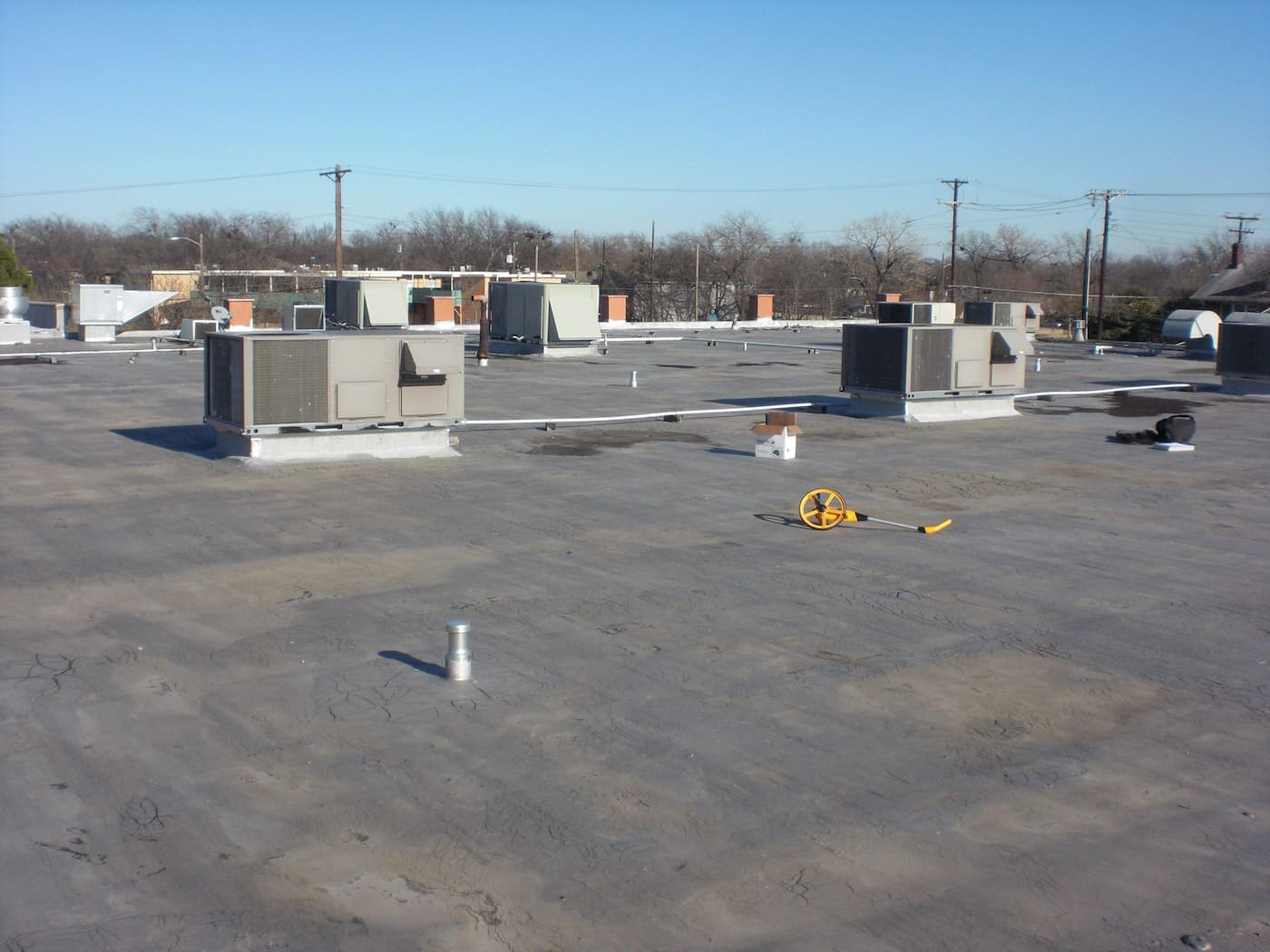
The apartment stock in neighborhoods like Cooper-Young, Binghampton, and South Main has experienced significant investor activity over the past decade as Memphis has drawn attention from out-of-state real estate investors attracted by high gross yields and relatively low acquisition costs. Many of these buildings were constructed in the 1920s through 1950s with flat built-up roofs over wood or concrete structural decks, and while the brick walls may appear sound, the roofing systems have typically been overlaid repeatedly rather than properly replaced. When an investor acquires a 20-unit brick walk-up in Midtown and discovers that there are three layers of roofing material on the deck - each generation of work piled on the last - the tear-off and replacement cost is substantially higher than a same-size project on a building with a clean single-layer history.
Multifamily and Apartment Building Roofing in Memphis, TN Scope Notes
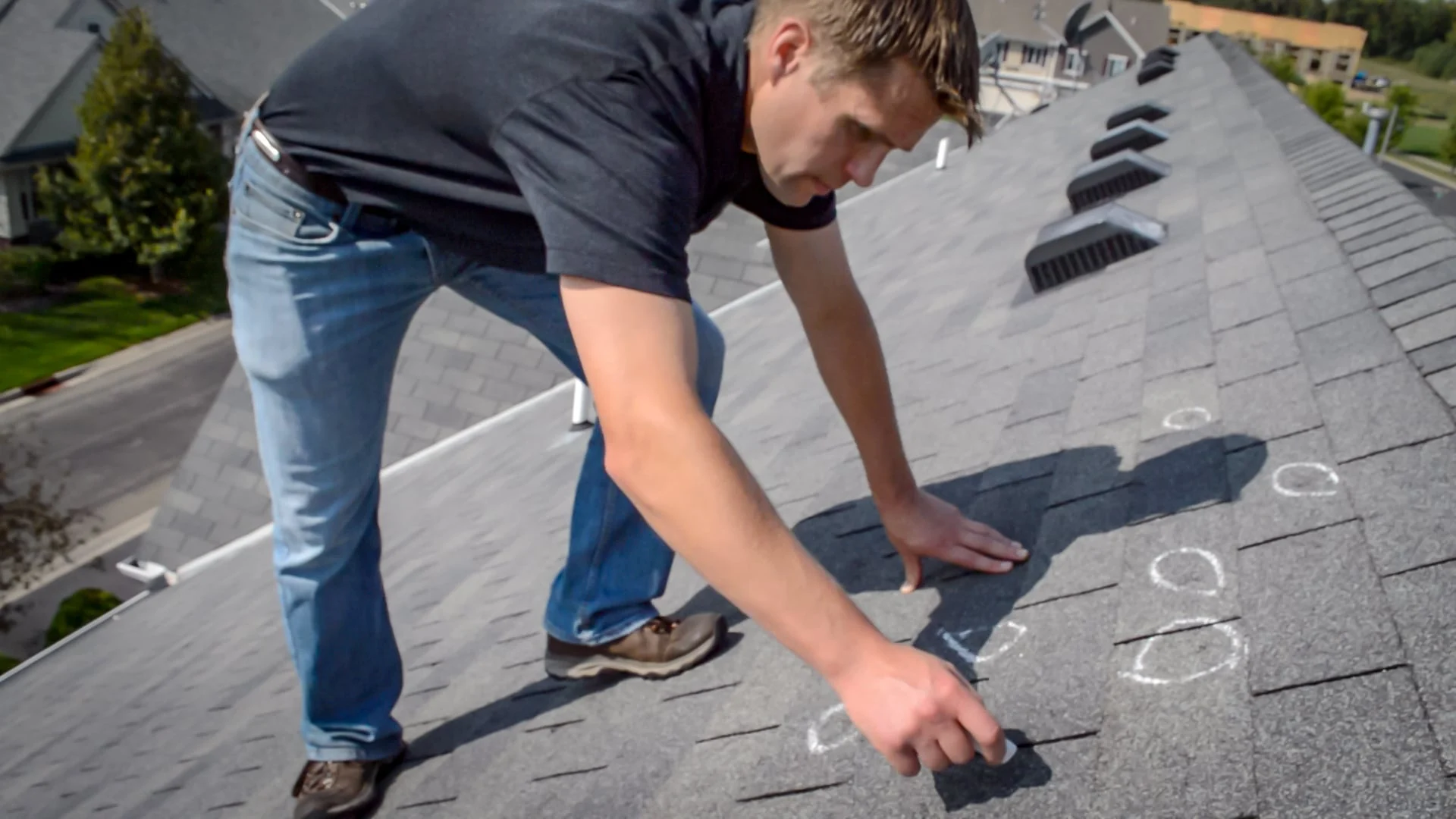
Memphis weather events create specific roofing risks that property managers must plan around. The city sits in a zone of elevated severe storm frequency where squall lines pushing northeast from Arkansas and Mississippi deliver damaging straight-line winds, hail, and torrential rainfall with enough regularity that roof insurance claims are a routine part of managing an apartment portfolio here. A storm that drops two inches of rain in 45 minutes will reveal every drainage weakness on every flat roof in a building's portfolio simultaneously - overloaded internal drains, failed flashing at parapet corners, and ponding areas created by years of incremental deck settlement. Property managers who respond to these events with a systematic building-by-building damage assessment rather than waiting for tenant complaints to surface leaks recover more effectively and document insurance claims more completely.
Real estate investors entering the Memphis multifamily market through off-market acquisitions or portfolio purchases from estates and distressed sellers frequently encounter roofing conditions that were not accurately disclosed or were not fully understood by the seller. A professional commercial roofing assessment - including infrared moisture scanning on flat-roof buildings - often reveals saturated insulation and deck deterioration well beyond what surface inspection suggests. For buyers financing through institutional lenders, the lender's property condition assessment process may flag these issues; for cash buyers working on tight timelines, building this inspection into the due diligence process protects the acquisition from capital surprises in year one.
HOA-managed communities in eastern Shelby County - particularly the townhome and condominium developments in Germantown and Collierville that attract professional and managerial households - manage roofing from a governance perspective that introduces its own complexity. When a significant portion of a condominium community's buildings need re-roofing simultaneously - a situation that arises when a development's original roofing systems all reach end of life together - the HOA board faces both a capital planning challenge and a procurement challenge. Establishing a competitive bid process, evaluating contractor qualifications, and managing a multi-building phased project while maintaining community relations requires organizational capacity that many volunteer HOA boards find stretches their resources.
The summer humidity in Memphis creates a roofing assembly challenge that goes beyond surface membrane condition. When warm, moist interior air migrates upward through inadequately vapor-controlled roof assemblies on top-floor apartments, it condenses on cooler structural surfaces within the assembly, promoting mold growth on wood decks and contributing to insulation performance loss over time. On flat-roof buildings where this condition has persisted for years, re-roofing projects that involve pulling back the membrane often reveal mold-affected wood nailers, deteriorated fiberboard insulation, and in some cases structural deck damage requiring partial replacement before a new membrane can be installed. Addressing vapor control as part of a re-roofing specification - rather than simply replacing the membrane - prevents the same degradation pattern from recurring on the new system.
Memphis apartment complex owners dealing with pitched roof systems - primarily in the newer suburban communities east of I-240 and in older single-story courtyard complexes throughout Midtown - have their own set of considerations. Asphalt shingle systems on apartment buildings face the same hail and wind risks as flat roofs but tend to receive insurance coverage treatment more analogous to commercial claims. When a significant hail event damages asphalt shingle roofs across a 40-unit garden-style complex, coordinating the insurance adjustment, material procurement, and re-roofing work across multiple buildings requires a contractor who can handle commercial-scale project management rather than a commercial re-roofing company accustomed to single-family work.
The relationship between roof condition and apartment unit lease-up is direct in Memphis's competitive rental market. A building with recurring ceiling stains, reports of mold in top-floor units, or visible roof deterioration visible from the parking area will lose prospective tenants to better-maintained competitors and struggle to retain existing tenants at market-rate rents. Property managers working to reposition aging Memphis apartment communities need to treat the roof as a visible signal of overall building quality - not just a structural maintenance item - because prospective residents absolutely notice the condition of the building envelope when evaluating where to live.
For Memphis apartment complex owners, property managers, and HOA boards, the most effective approach to roofing combines regular documented inspections, a capital reserve strategy that accounts for the accelerated wear that Memphis's climate produces, and contractor relationships with commercial roofing specialists who have documented experience with the building types and system configurations common in Shelby County's multifamily inventory. Getting the roof right protects a Memphis apartment building's most fundamental asset - its habitability - and supports the financial performance that makes the investment worth holding.