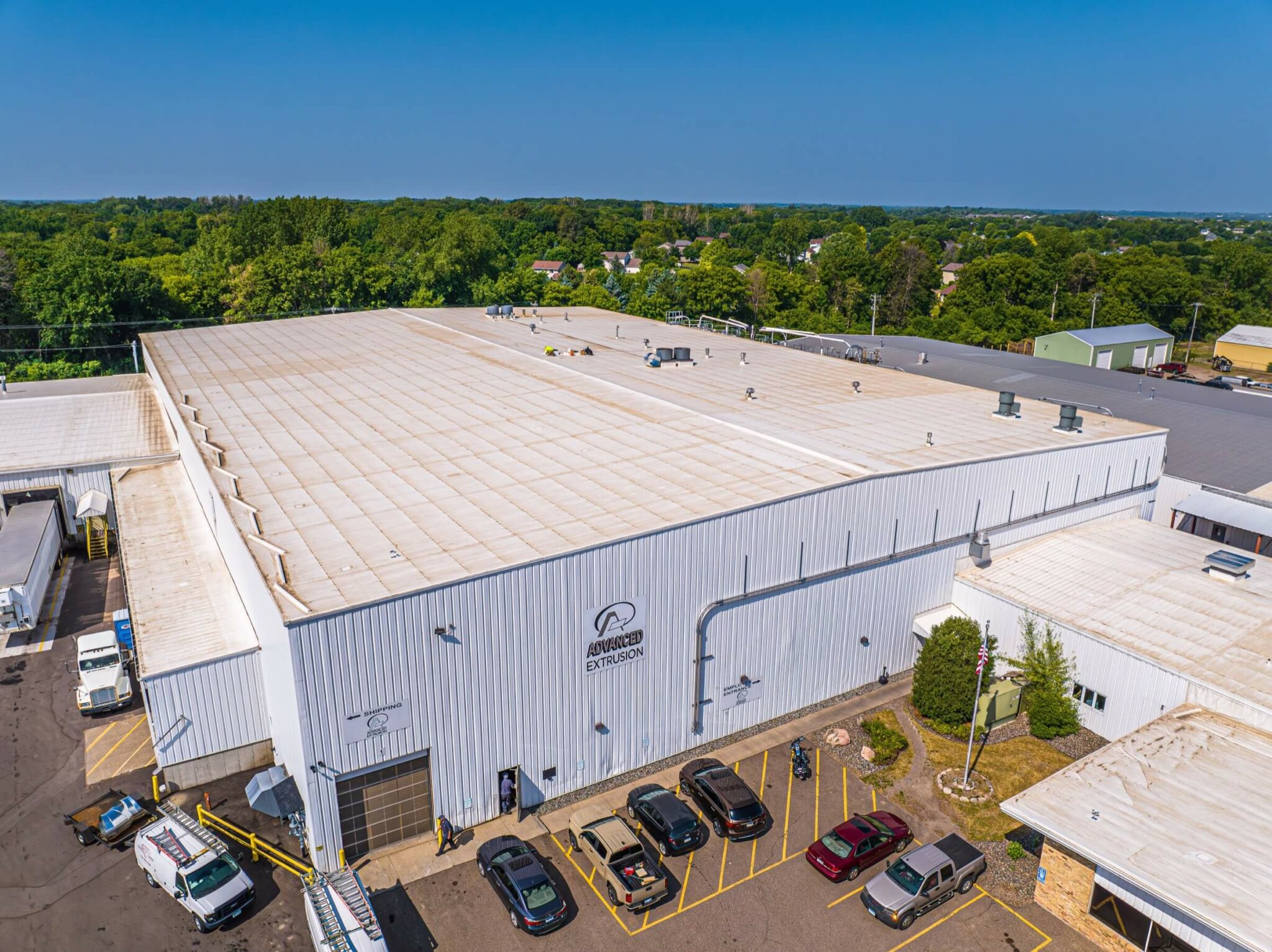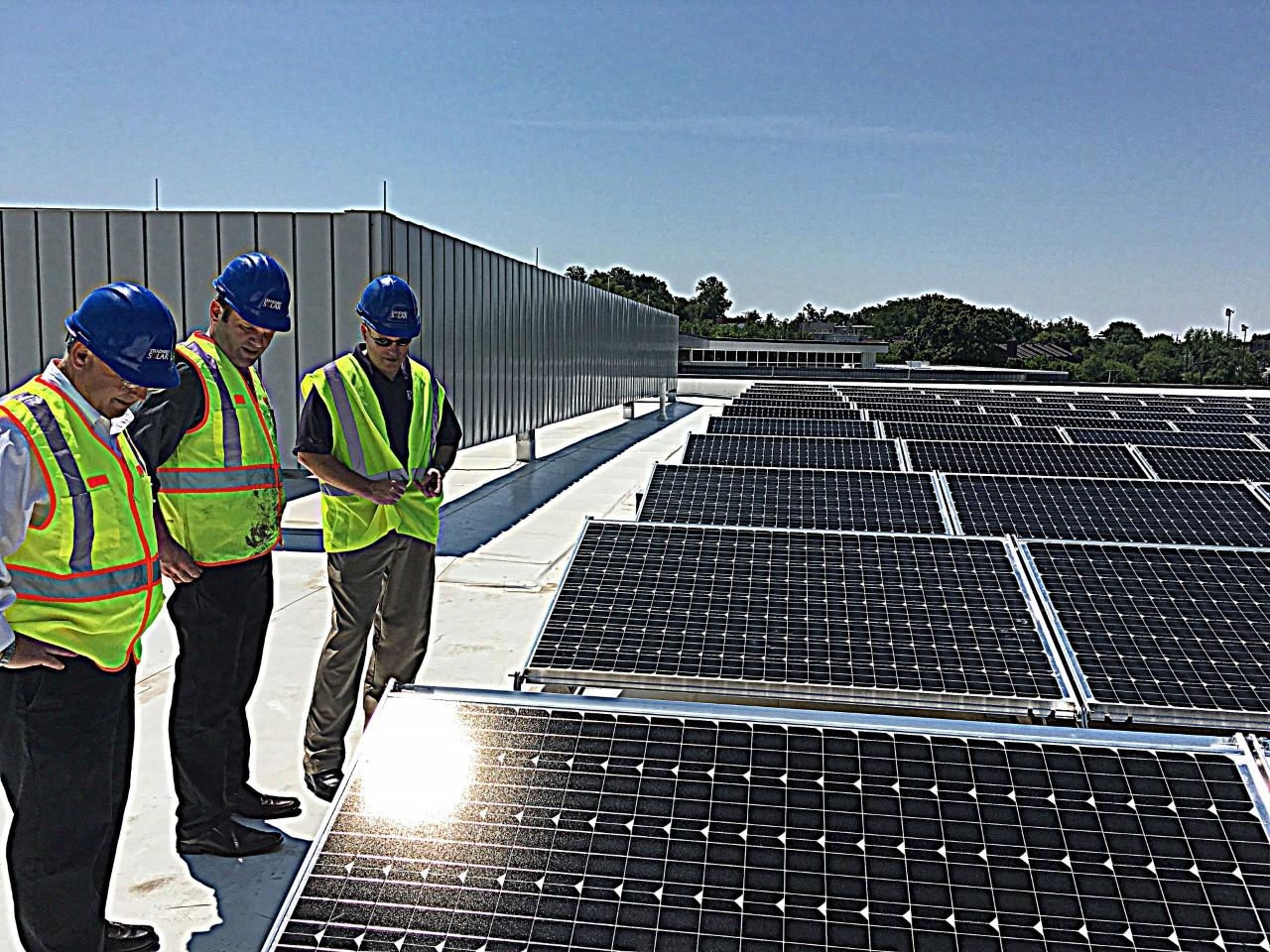
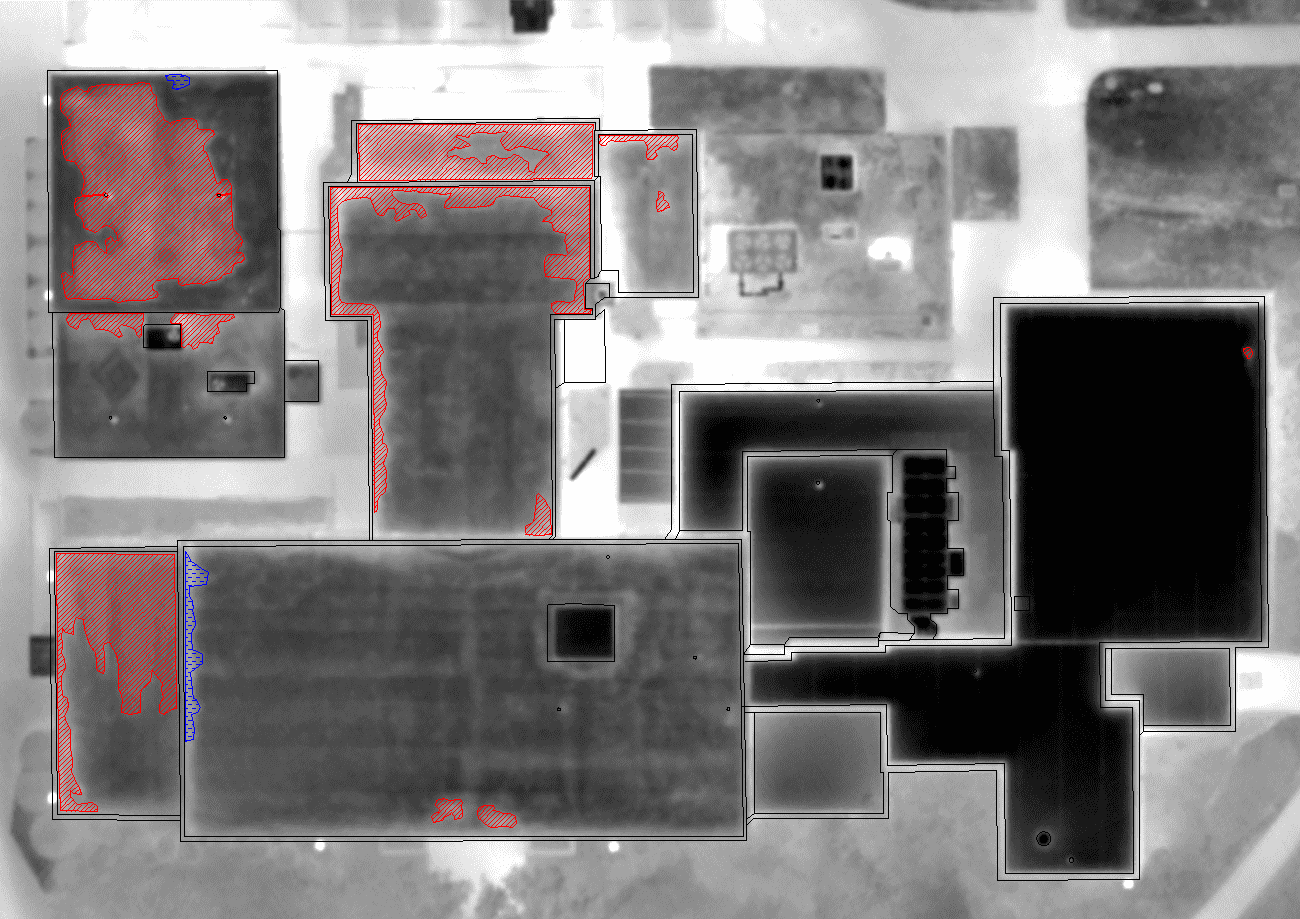
Independent field QA inspection during another contractor's Memphis installation - verifying membrane seam integrity, flashing details, fastener pattern compliance, and manufacturer warranty eligibility on projects we are not building.
Third-party quality inspection is distinct from owner's representative work. It is a specific technical inspection engagement focused on what is installed - not an advisory relationship through the project lifecycle. An out-of-town property owner who retained a Memphis contractor and wants an independent field check, a general contractor who needs documented QA on a roofing subcontractor's work before accepting substantial completion, an asset manager whose investment committee requires third-party QA documentation above a threshold project value - these are the common scenarios.
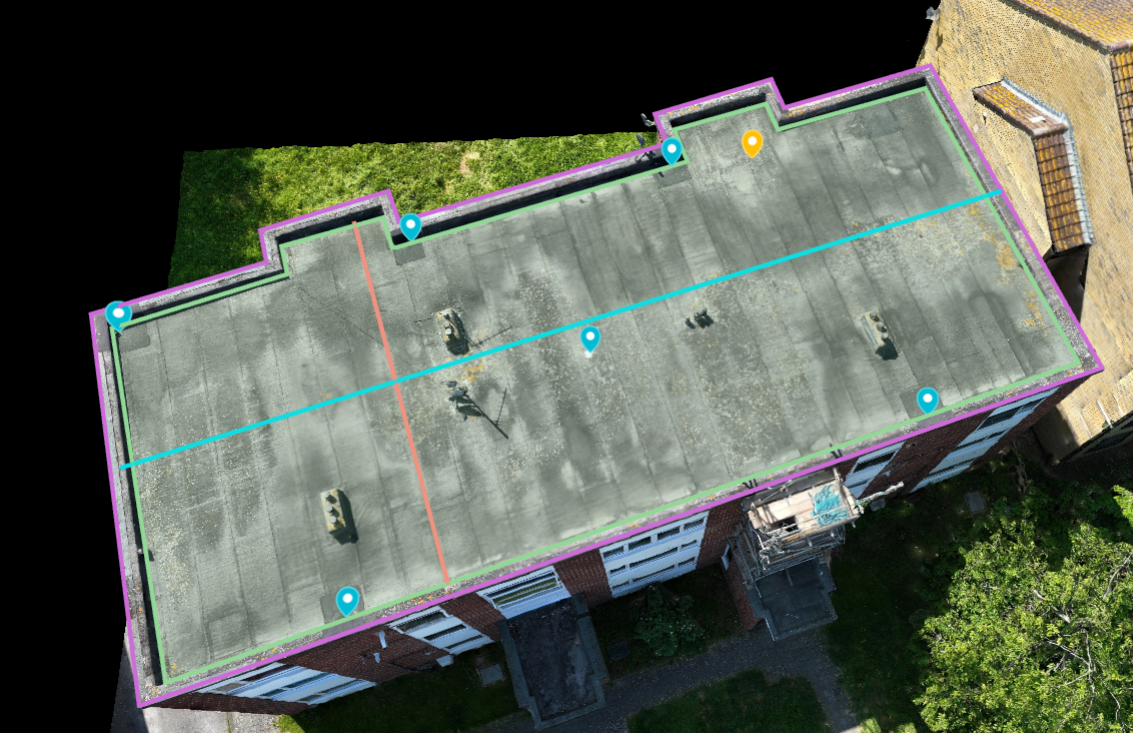
We walk the roof during or after another contractor's installation, document what we find against the manufacturer's published installation standard and the project's contract specification, and deliver a written report. The report is formatted to manufacturer-inspection standard: every finding is photographed, keyed to the roof zone diagram, cited against the specific manufacturer detail or specification section that applies, and categorized by consequence - warranty-jeopardizing conditions that must be corrected before the manufacturer inspection, specification deviations that the contract requires be corrected, and observations documented for the asset record without immediate action required.
What We Inspect and How
Seam integrity: We run probe testing on a representative sample of heat-welded seams - minimum one probe test per 500 linear feet of seam, plus every seam in a flashing transition zone, every seam within 12 inches of a penetration flashing, and every T-junction where three membrane panels meet. Probe testing detects cold welds that pass visual inspection and that will fail under Memphis's thermal cycling - wide temperature swings from winter to summer create seam stress that exposes marginal welds within one to two years of installation.
Flashing details: Parapet returns, penetrations, drain bodies, equipment curbs, and expansion joints - we photograph each against the manufacturer's published detail drawing for the applicable system. Memphis buildings with alluvial clay subsoil movement have elevated failure rates at parapet flashings and building expansion joints relative to markets on stable soils. We apply additional scrutiny to these transitions in every Memphis QA inspection.
Fastener pattern: For mechanically attached systems, we pull sample inspections of the fastener pattern at field zones, perimeter zones, and corner zones. The IBC 2021 uplift design calls for increasing fastener density from field to perimeter to corner - we verify that the pattern as installed reflects this gradient. Pattern errors at the perimeter and corner zones are the most common warranty-jeopardizing finding in mechanically attached Memphis TPO projects we inspect.
Manufacturer Warranty Inspection Support
Major manufacturer NDL warranty inspections in Memphis are conducted by the manufacturer's own field representative or a factory-credentialed inspector. These inspections produce a punch list of conditions requiring correction before warranty issuance. The cure period varies by manufacturer - typically 30-90 days - and punch items that remain open past the cure period generate warranty suspension notices.
We support Memphis owners and general contractors through manufacturer warranty inspections in two ways. Before the manufacturer inspection: we walk the roof and identify probable punch-list items so the installing contractor can correct them before the manufacturer's inspector arrives. After the manufacturer inspection: we scope and manage the remediation the punch list requires, execute the corrective work, and submit completion documentation to the manufacturer's warranty desk within the cure window.
The pre-inspection walk is particularly useful in Memphis because the conditions manufacturers flag most consistently in this market - parapet flashing height shortfalls on buildings with multiple prior roof layers, drain ring torque failures at the high-rainfall drain bodies, seam proximity to penetration flashings on buildings with dense rooftop equipment - are detectable before the inspection and correctable with minimal crew time if caught in advance.
Report Format and Deliverable
Every third-party QA inspection delivers a written report within five business days of the field visit. The report includes an executive summary (overall installation quality assessment, count of warranty-jeopardizing vs. specification-deviation vs. observation findings), the roof zone diagram with findings keyed by number, a finding-by-finding detail section (photograph, zone location, description, applicable specification section or manufacturer detail reference, recommended corrective action), and a findings matrix - a spreadsheet summary sortable by zone, finding category, and required correction priority.
The findings matrix is designed to work as a contractor correction-required list. The installing contractor pulls the matrix, assigns corrections to crew, and returns completion documentation keyed to the finding numbers. For owners using the inspection for warranty inspection support, the same report serves as the pre-inspection correction guide.