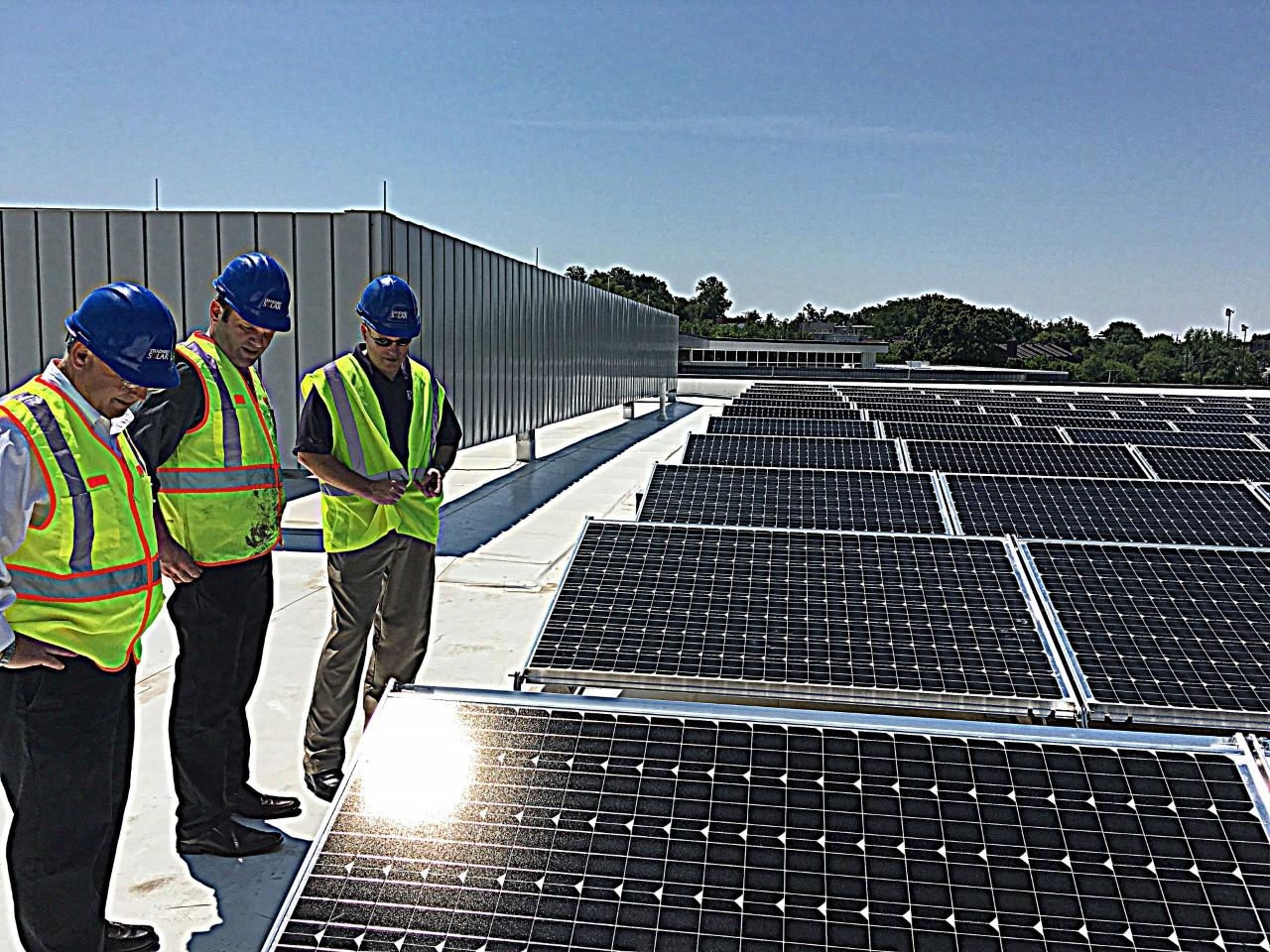
We act as technical owner's representative on Memphis commercial roofing projects where we are not the installing contractor - reviewing submittals, observing the installation at high-risk milestones, and confirming the closeout package supports the manufacturer warranty.
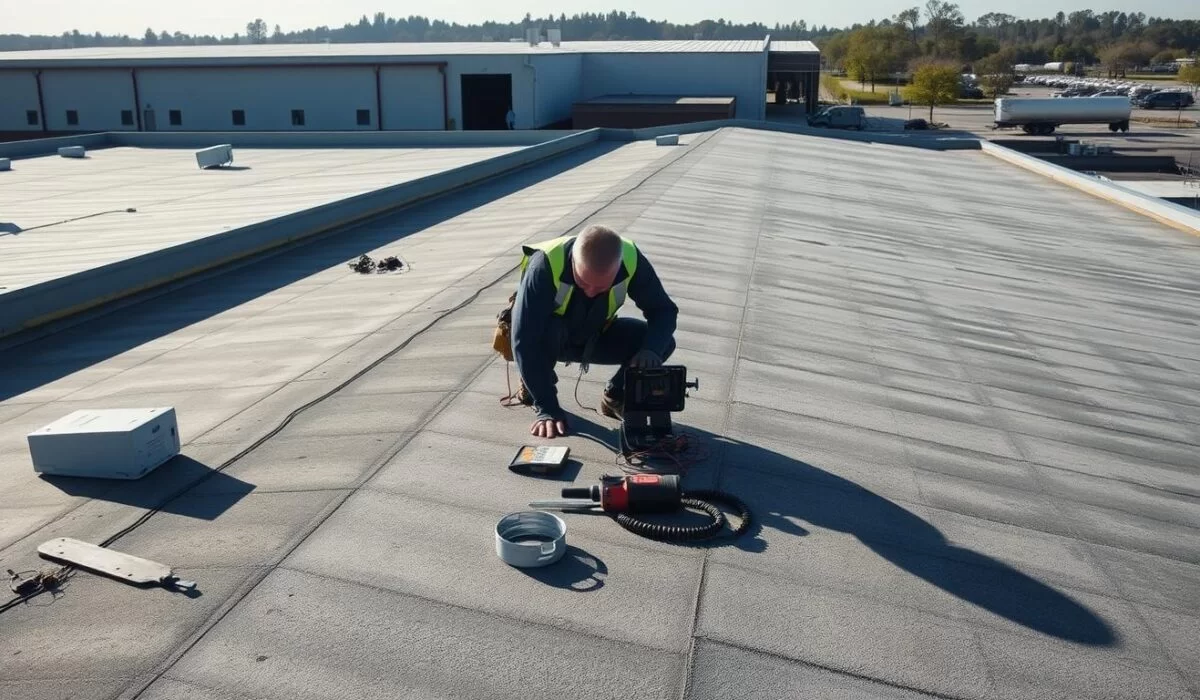
An owner's representative on a commercial roofing project is the person on the owner's side of the table who can read a roofing submittal, walk a roof during installation, identify a flashing deviation before it becomes a warranty failure, and escalate to the right party at the contractor or manufacturer when a construction deficiency needs to be corrected.
Most Memphis building owners do not have this person on staff. The facility director is managing an entire building's worth of systems simultaneously. The property manager is managing tenant relationships across multiple buildings. The asset manager is managing capital allocations across a portfolio. None of them necessarily knows why a TPO seam installed within two inches of a penetration flashing will fail under thermal cycling - or why a parapet flashing that does not
What Owner's Rep Engagement Covers
Pre-construction: We review the contractor's submitted scope, manufacturer submittals, and proposed material samples against the contract documents. Pre-construction submittal review is where scope drift is easiest to correct - when the contractor's submitted membrane thickness differs from the specified product, or when the proposed insulation substitution does not Catching these before installation begins costs nothing to correct. Catching them after closeout costs everything.
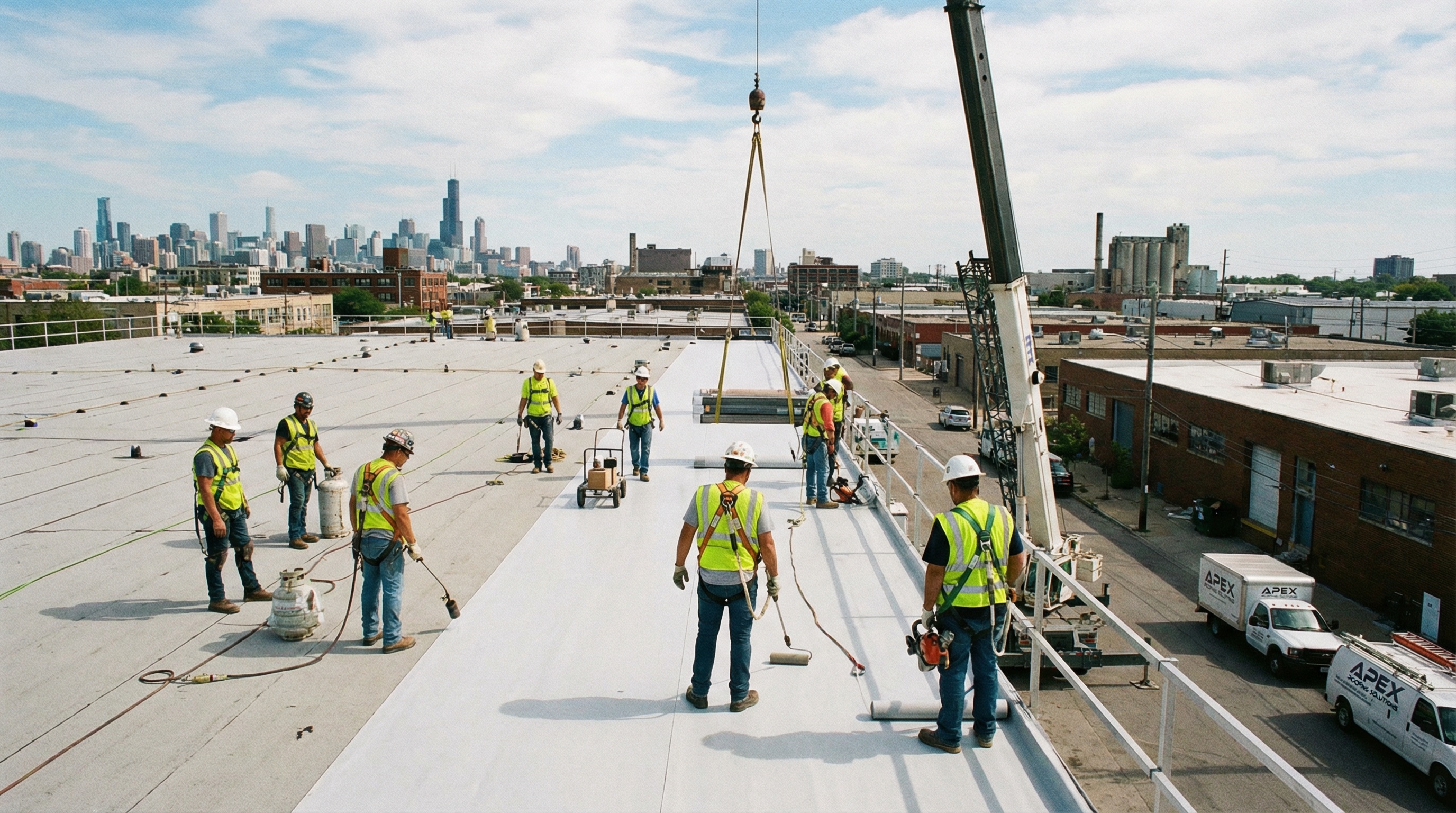
During construction: Field observation visits at defined milestones - insulation installation before membrane cover, membrane installation during production (not only at punch walk), flashing detail completion at parapets and penetrations, and drain installation. Field observation is not continuous surveillance; it is targeted visits at the production stages where deviations most commonly occur and are most difficult to correct after the fact. On Memphis medical district projects, we coordinate field visits around the facility's operational calendar - we do not walk occupied clinical floors without advance coordination.
Closeout: We participate in the punch walk, confirm that contractor-identified punch items align with our field observation notes, verify that the manufacturer warranty inspection is scheduled with the correct credentialed inspector, and review the closeout package (warranty document, zone-keyed photo log, maintenance contract, manufacturer start-up documentation) before the owner accepts substantial completion and releases final payment.
High-Risk Deviations We Find on Memphis Projects
Parapet flashing height shortfalls: Manufacturer NDL warranties specify minimum vertical flashing height at parapet walls - typically 8 inches above the finished membrane surface. Memphis buildings with aging parapets that have accumulated bitumen from prior roof cycles often present a finished surface that is higher than the original parapet design assumed, reducing the available vertical face for flashing. Crews that do not measure and flag this condition install flashings that fail the manufacturer's warranty inspection.
Drain ring torque and sump conditions: Memphis's high annual rainfall - 54 inches per year - means drain performance is not incidental. Drain rings on TPO systems require membrane to be clamped into the ring at specified torque with the correct membrane overlap dimension. Under-torqued rings allow water to infiltrate at the drain perimeter, which is one of the most common sources of early warranty claims on Memphis commercial flat roofs. We verify torque and membrane overlap at every drain before membrane cover.
Tapered insulation alignment with drainage design: On Memphis commercial roofs where ponding has been a documented problem, the replacing contractor's tapered insulation package must match the drain layout and the as-built drain elevations - not a theoretical design. We verify that the tapered package as delivered and installed matches the drainage design before membrane installation covers it.
When Owner's Rep Engagement Justifies the Fee
Projects above $300,000 installed value generally have enough at risk to make owner's rep oversight cost-effective. A warranty-voiding installation deficiency on a 100,000-square-foot Memphis commercial building means the owner carries an unwarranted roof for 20 years. The owner's rep fee on a $500,000 project is a rounding error compared to that exposure.
Memphis buildings with operationally sensitive tenants have additional urgency. A medical office building on the Madison Avenue corridor with infection-control rooftop penetration requirements, or a cold-storage distribution building in the Aerotropolis where a membrane deficiency could interrupt a 24/7 temperature-controlled operation, carries stakes that go well beyond the construction cost. Independent technical oversight during installation is the insurance against those consequences.
First-time Memphis owners - buyers who acquired a commercial property in the metro and are running their first major roofing cycle without established contractor relationships - often find owner's rep engagement particularly valuable. They do not yet have the market knowledge to evaluate installation quality without a technical resource beside them.