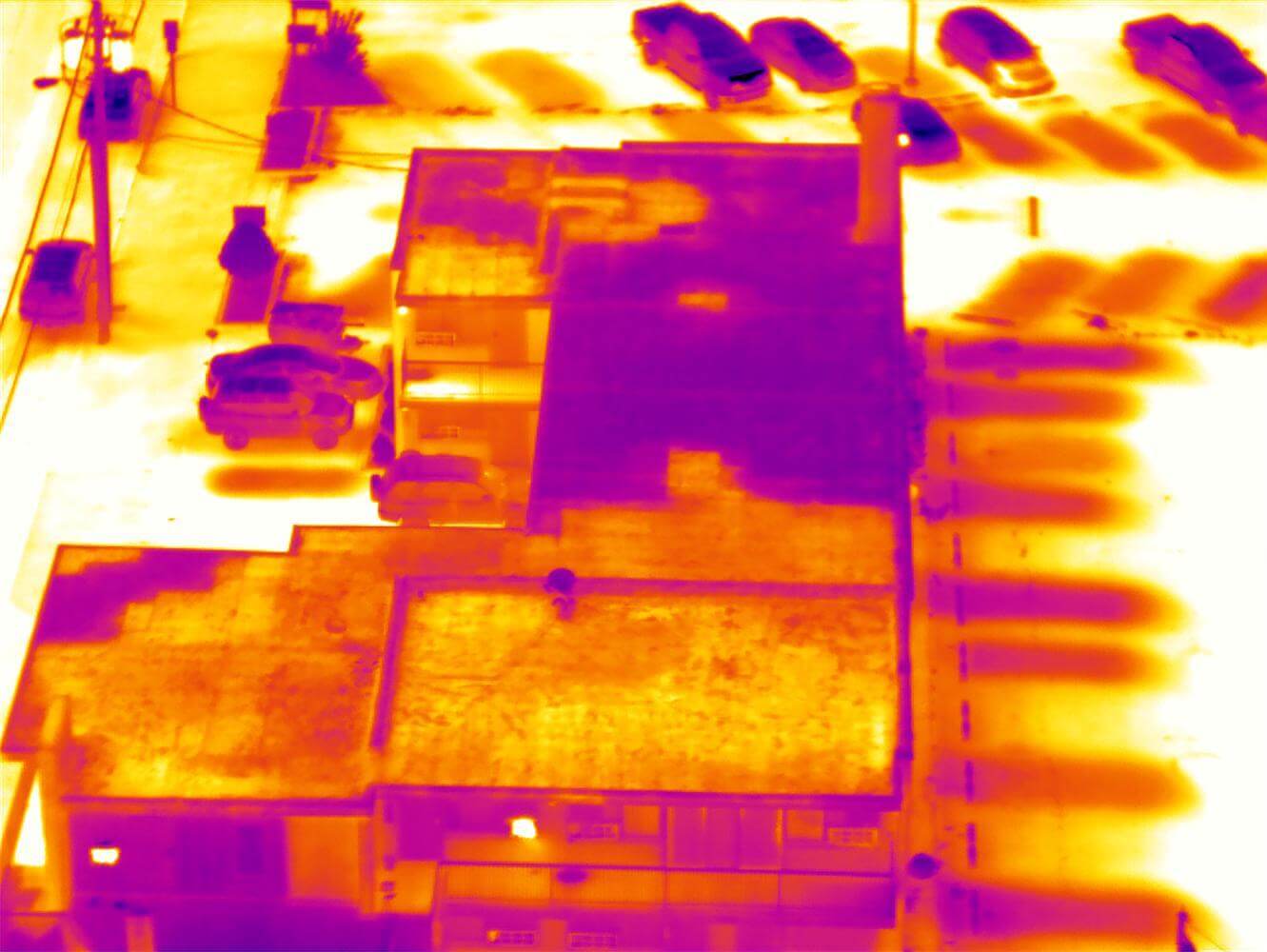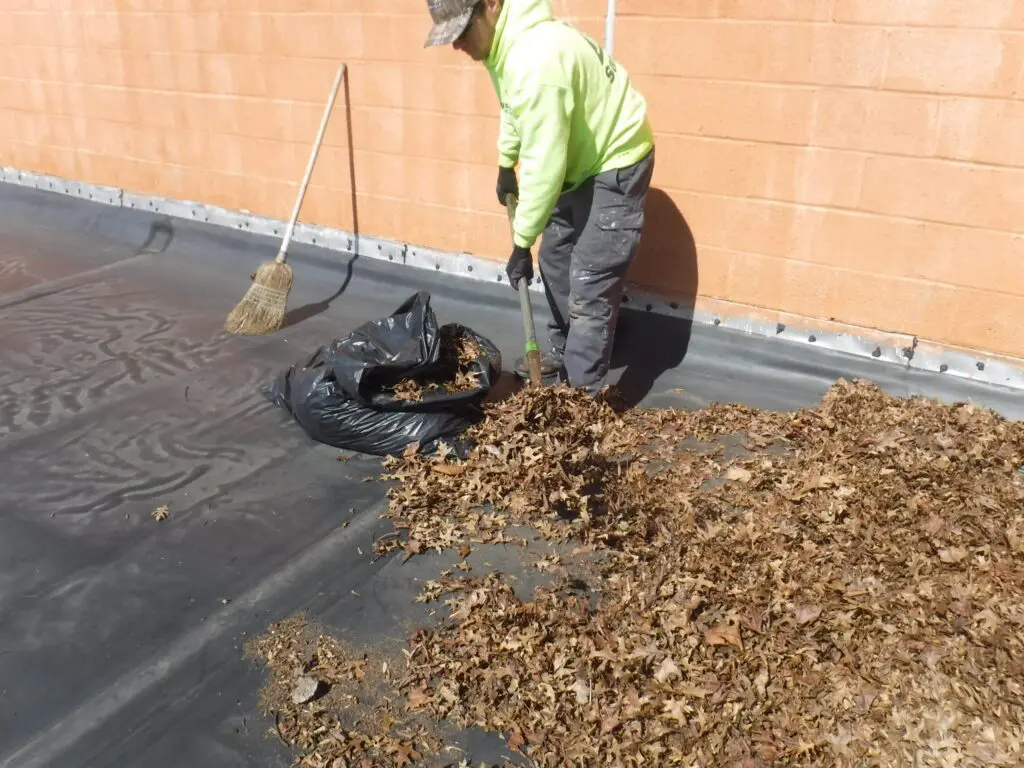
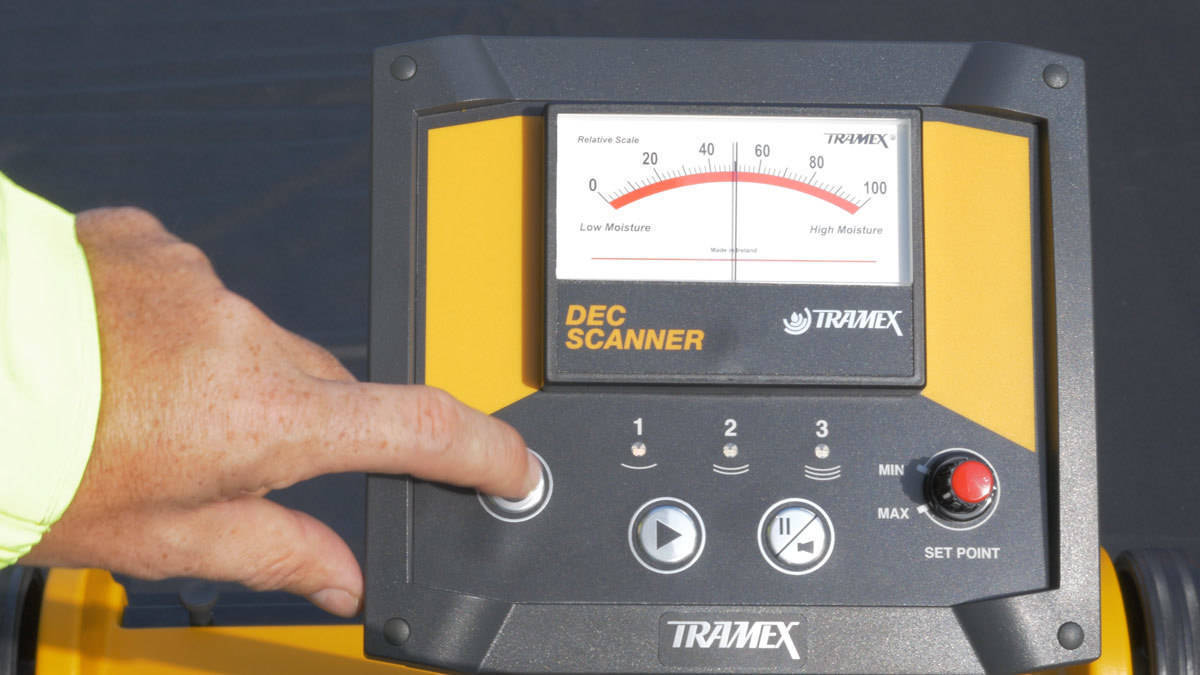
A recover-versus-replace decision without moisture data is a guess. Core sampling and moisture mapping tell you how much of the insulation is wet and where - the data the honest scope recommendation depends on.
The single most expensive mistake in commercial roofing is recovering a roof with wet insulation. A recover installs a new membrane over the existing system - if the insulation below is saturated, the moisture is trapped. The new membrane performs fine for years. The wet insulation below continues to degrade the deck. Five years after the recover, the building needs full tear-off of both membrane layers, replacement of damaged insulation, and potentially deck repair - a project that costs two to three times what a full replacement would have cost at the original decision point.
Memphis makes this risk worse than most markets. The city averages 54 inches of rain annually, with intense spring storm systems dropping several inches in hours. The high-humidity subtropical climate means vapor drive is significant - moisture enters insulation not only from roof surface leaks but from vapor migration from the interior in winter. The Mississippi River alluvial subsoil under most of the metro creates structural movement that stresses flashing details at parapets and drains incrementally over years, creating low-level chronic infiltration paths that do not produce dramatic interior leaks but saturate insulation slowly over time. On Memphis roofs over 15 years old that we inspect and then core, wet insulation is a far more common finding than building owners expect.
Core Sampling Protocol
We pull cores with a 4-inch diameter core cutter at locations identified before the site visit by reviewing the existing inspection record, drain layout, roof age, and building history. Each core pulls through the membrane and the full insulation stack to the deck surface. We record the number of insulation layers, the insulation type and thickness, the condition of each layer, and whether the insulation is wet, damp, or dry by direct physical assessment - not by inference from the surface condition.
Core density: Statistical confidence requires the core count to scale with the roof area and the suspected moisture distribution. For a 50,000 sq ft Memphis logistics building with no prior moisture data, we pull a minimum of 15-20 cores in a grid pattern plus targeted cores at high-probability locations - drains, parapet returns, and any penetration clusters that have been problem areas in prior inspections. For a roof where we have already identified specific suspect zones from visual inspection or prior infrared scanning, we pull cores in those zones at higher density and confirm with scattered cores in presumed-dry areas to establish the extent of moisture migration.
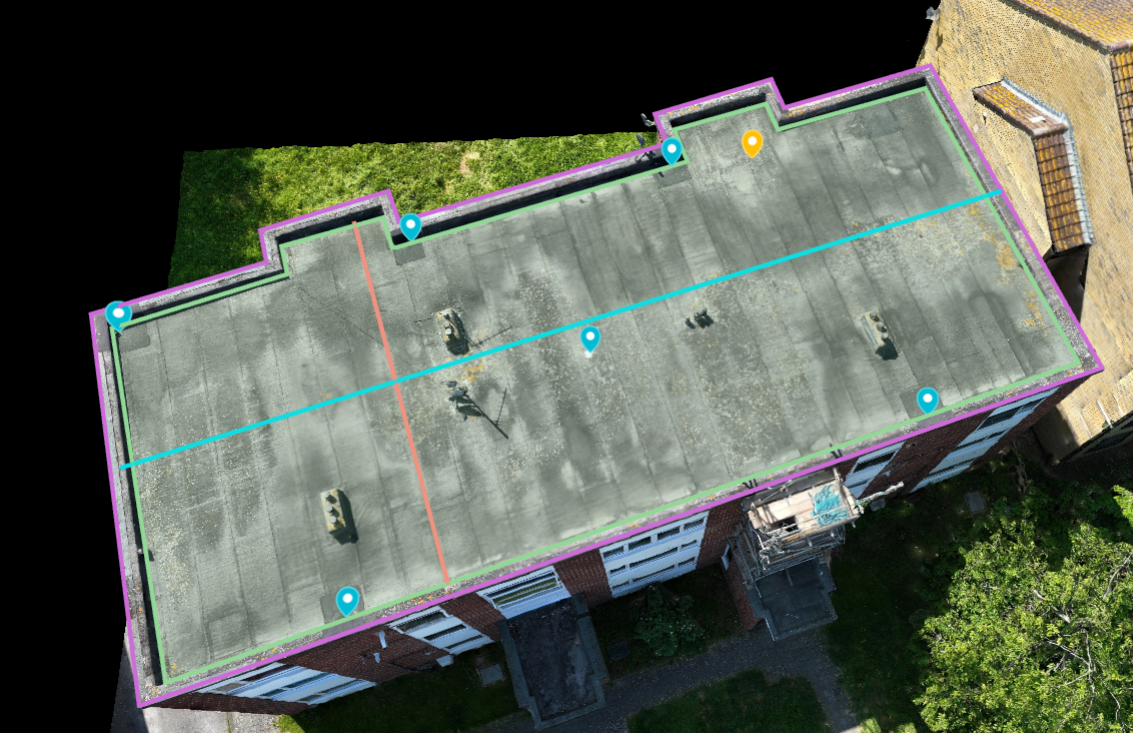
After pulling, each core location is repaired with membrane-matching material and sealed watertight before we leave the site. Core locations are logged on the zone diagram by number so the owner has a permanent record of where each core was pulled and what it found - useful for future inspections and for verifying whether conditions at specific locations have changed over time.
Moisture Distribution Mapping and Decision Thresholds
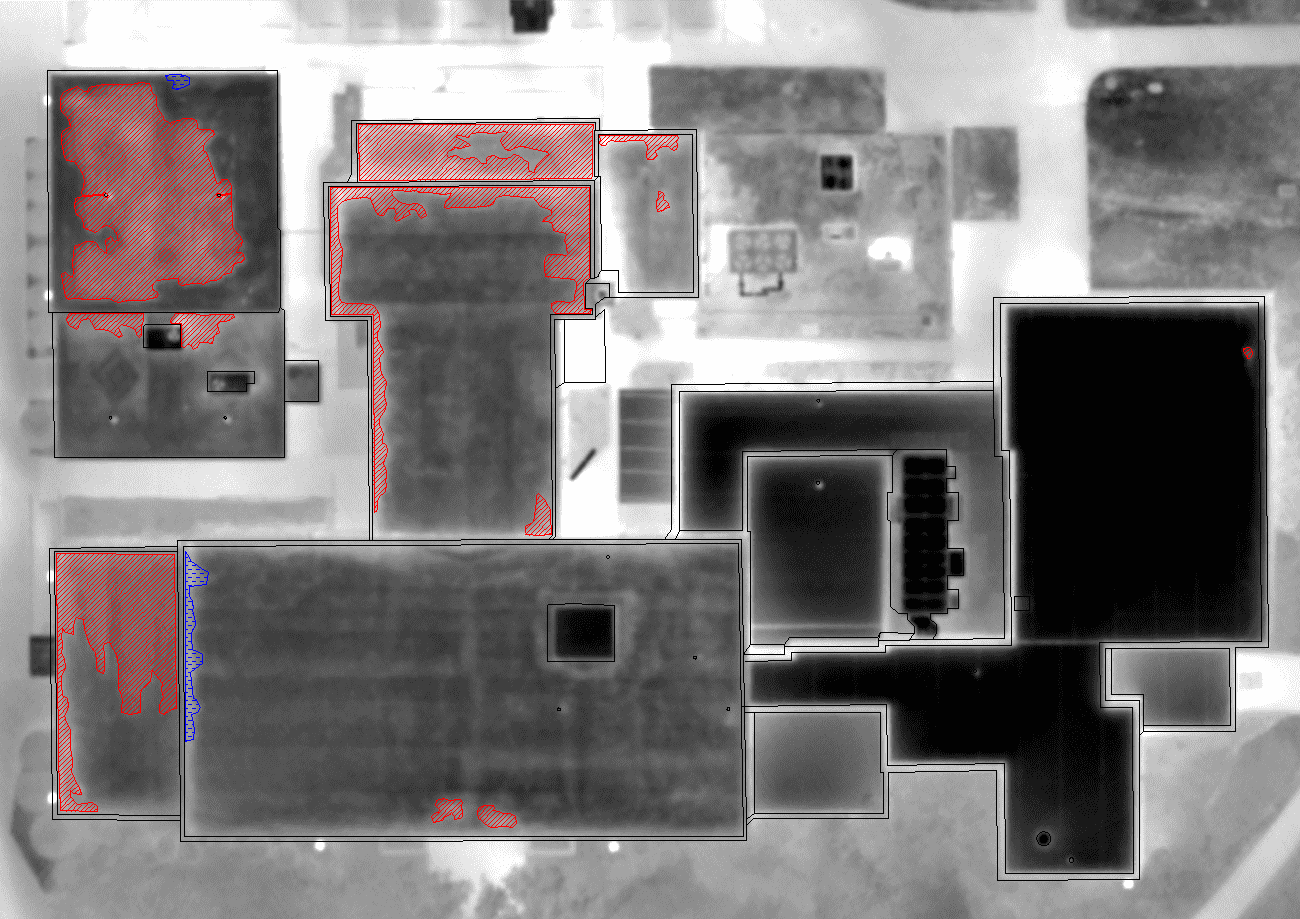
Core results are plotted on the zone diagram to produce a moisture distribution map. Wet cores, damp cores, and dry cores are marked distinctly. The map shows the spatial pattern - concentrated moisture near drains and parapets suggests discrete chronic infiltration points, which is the most common pattern we find in Memphis's older commercial stock. Dispersed moisture across the field suggests systemic saturation from multiple years of diffuse entry, which drives more directly toward full replacement.
The 25% threshold is the conventional recover-versus-replace decision point: if more than 25% of the roof area has wet or significantly damp insulation, recovering is not a sound scope recommendation. Recover manufacturers do not warrant systems installed over wet insulation, and the trapped moisture continues to degrade the deck below. Below 25%, a selective-tearoff recover - where wet areas are torn off to the deck, the deck is inspected, and only those areas receive new insulation before the recover membrane is installed - is a legitimate capital option that typically costs 40-60% of full replacement at planned conditions.
We present the decision analysis in writing with the moisture map and core data as supporting documentation. The recommendation is recover-option, full-replacement, or a staged approach where the most critical sections are addressed immediately and the remainder is managed on a monitored timeline.
Sample Density and Statistical Confidence
A five-core sample on a 100,000 sq ft building tells you almost nothing useful - you can easily miss a 15,000 sq ft wet zone between five evenly-spaced cores. We size the core count to produce a statistically meaningful result for the specific decision at hand.
For recover-versus-replace decisions, we want enough cores to state with confidence whether the wet-area percentage is above or below the 25% threshold - not a best-estimate guess. For acquisition due diligence, we size the survey to cover the full roof area at a density that would not miss a moisture zone larger than 5,000 sq ft. We document the sample density and the confidence level in the moisture survey report so the owner understands exactly what certainty the data supports and what it does not.
Get moisture data for your Memphis roof's recover-or-replace decision.
Core sampling and moisture distribution mapping give you the data the capital decision depends on - not a guess based on membrane surface appearance. Call 901-808-8931 or use the form below.