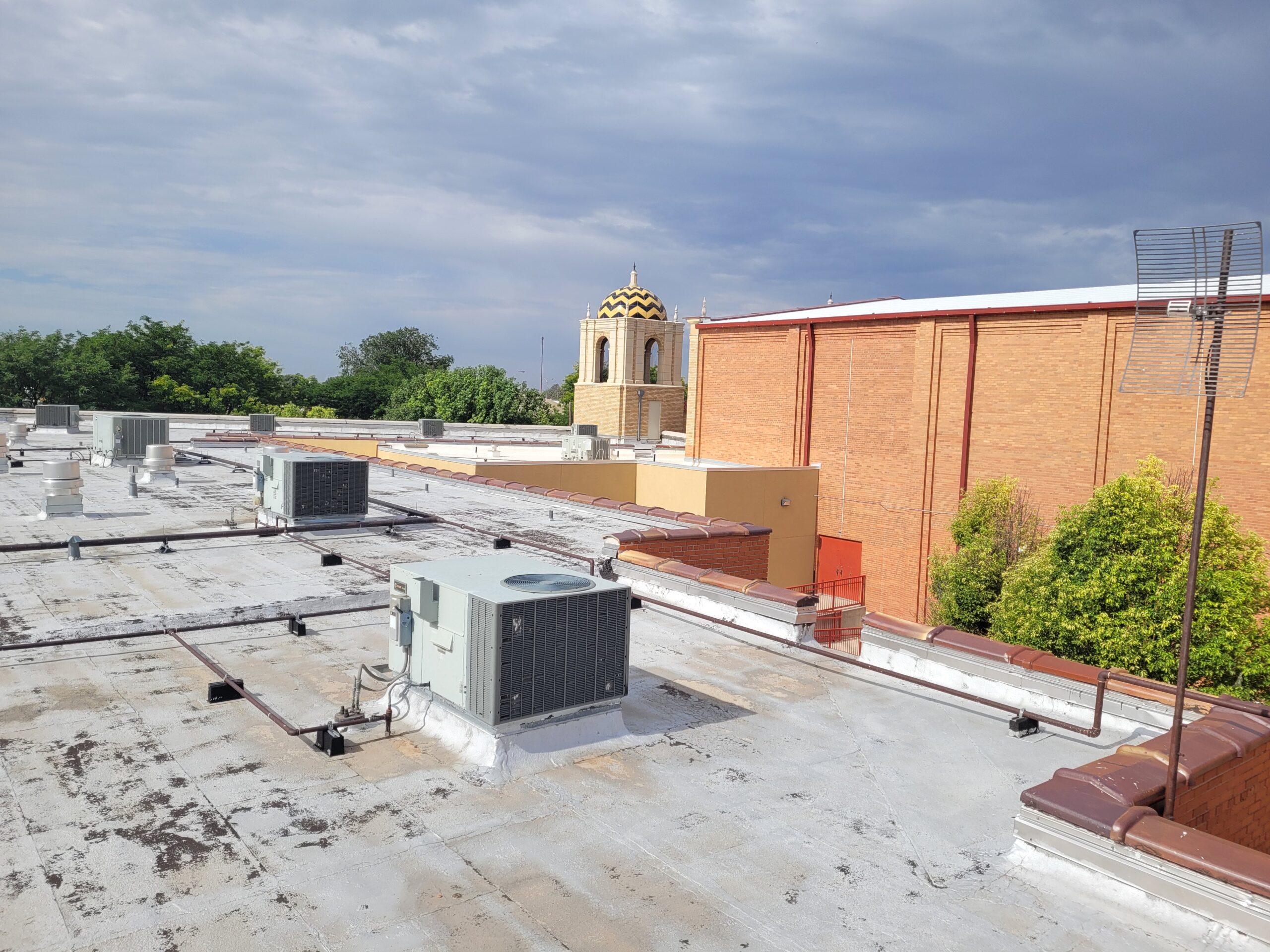
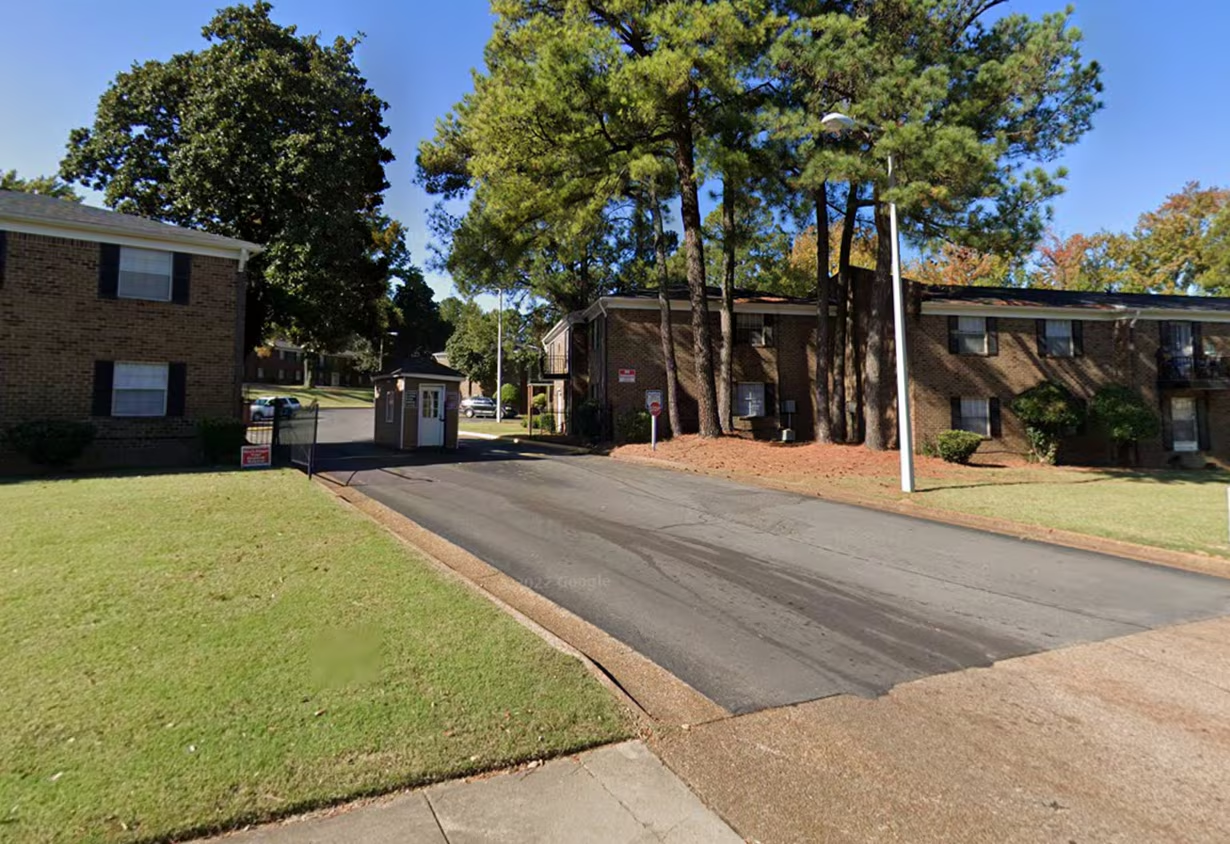
Hickory Hill's commercial strip was built in the 1980s and 1990s when southeast Memphis was one of the fastest-growing commercial markets in the region. That commercial inventory is now 30-40 years old and entering a major reroof wave.
Hickory Hill is the easternmost of Memphis's major commercial corridors within the city limits - a dense suburban commercial zone developed rapidly in the late 1970s through 1990s to serve the commercial population that was filling in southeast Memphis during that period. Winchester Road from Hickory Hill Boulevard east to the county line carries one of the highest concentrations of strip retail, national-chain restaurant, grocery-anchored center, and auto service commercial in the Memphis metro. Hacks Cross Road running south from Winchester is a second commercial spine with medical, professional, and neighborhood retail uses.
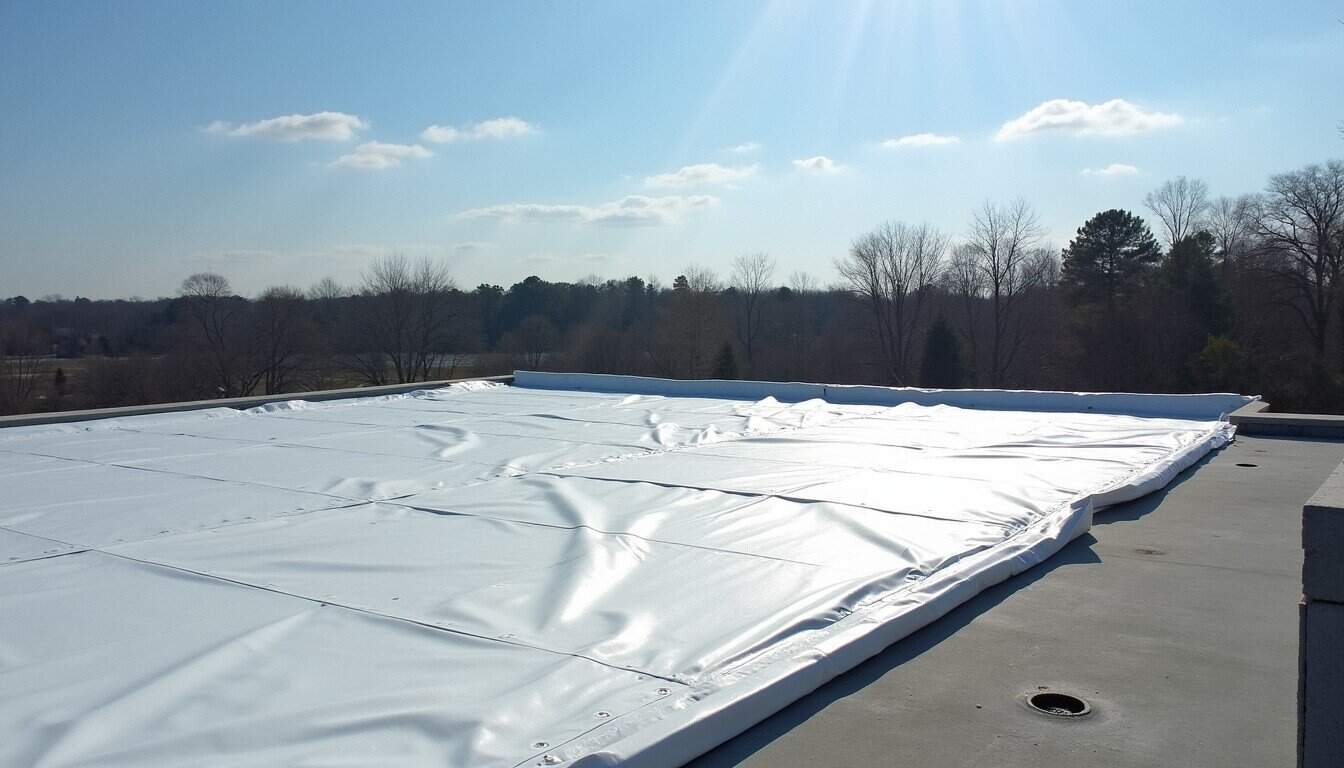
The Hickory Hill commercial roof inventory is defined by its construction vintage. Buildings developed between 1978 and 1998 are now 28-48 years old. The roofing systems installed during that period - built-up roofing, original EPDM 45-mil, and early modified bitumen - have been replaced, recovered, and patched to varying degrees, but many property owners are now facing the reality that patch-and-recover strategies are no longer viable. The substrate conditions on these buildings, after three or extensive Memphis rainfall and humidity, require full replacement with new insulation to achieve a clean warranty.
Winchester Road Commercial Strip
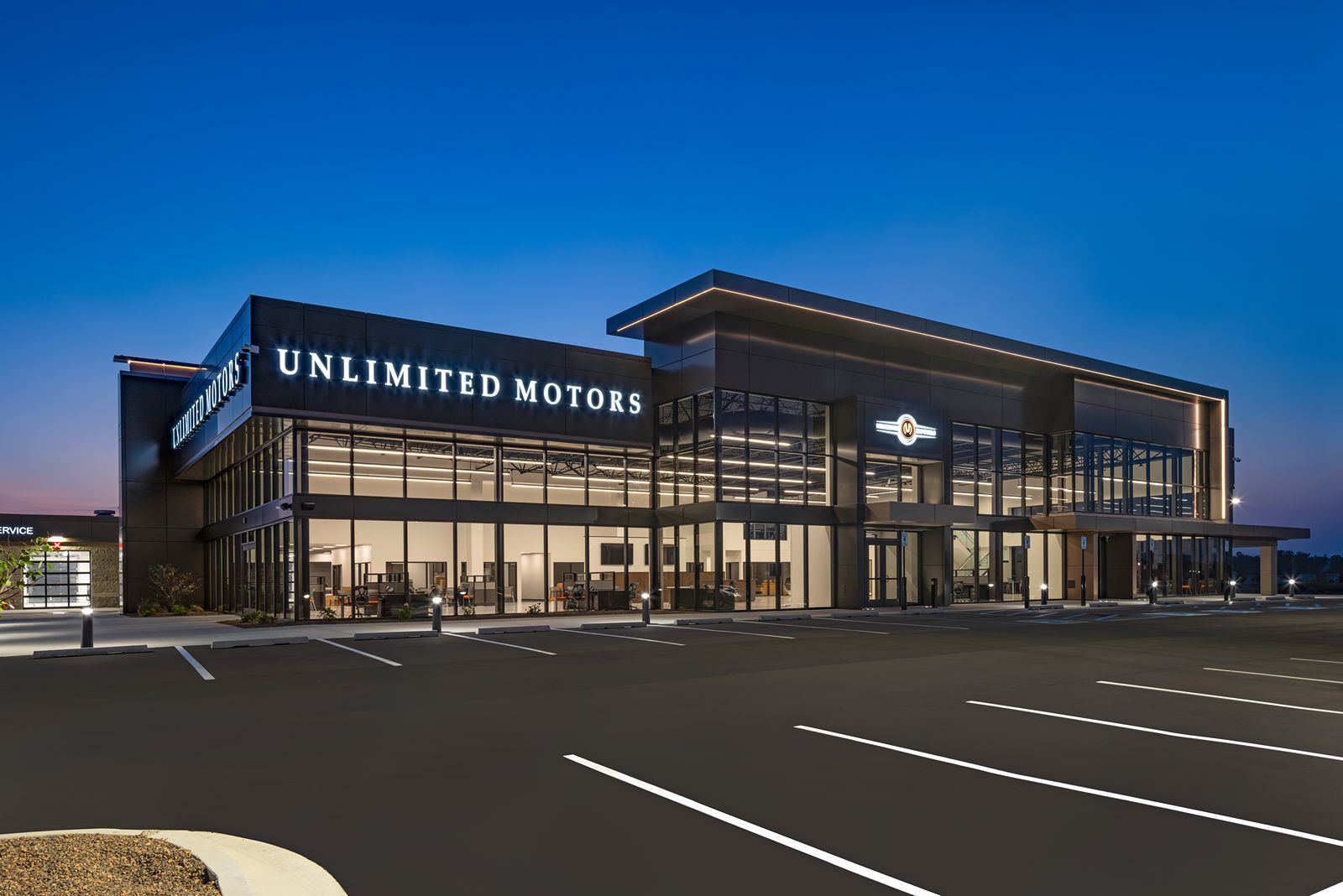
Winchester Road from Hickory Hill Boulevard east to the Shelby County line is the commercial backbone of the area - a dense, continuous strip of retail centers, fast food franchises, auto service facilities, and the national chain restaurants that followed commercial development east from the city core. The commercial buildings here are almost exclusively strip retail or pad-site construction from the 1980s and 1990s.
Strip retail on Winchester Road shares a common roofing challenge: the tenant-turnover penetration problem. Buildings that have had multiple restaurant, salon, or fitness tenants over a 30-year life carry penetration histories that exceed the original construction documents by a significant margin. We count rooftop penetrations individually on every Winchester Road strip center we assess - the number consistently exceeds what any owner or manager estimates before we walk the roof. Abandoned penetrations that were never properly sealed are among the top sources of active water infiltration on these buildings.
Hacks Cross Road and Medical-Professional Corridor
Hacks Cross Road south of Winchester carries a concentration of medical office buildings, urgent care facilities, dental and optical practices, and professional services that serve the Hickory Hill and Southwind commercial population. These buildings were constructed primarily in the 1990s and represent a slightly newer construction vintage than the Winchester retail stock - many are in the 25-35 year age range and running first-generation TPO or EPDM systems approaching the end of original warranty periods.
Medical office buildings on Hacks Cross have the penetration density characteristic of healthcare use: HVAC systems sized for infection control, medical gas penetrations, lab and procedure exhaust, and specialized electrical penetrations for imaging equipment. We inspect each penetration individually and photograph all flashings at closeout. For medical building clients, we include a penetration map in the closeout package that identifies every roof penetration by location, type, and associated tenant system - because the next time that building changes tenants or upgrades equipment, the facilities team needs to know what is on the roof.
Hickory Hill's Aging Retail and Neighborhood Commercial
Beyond the primary commercial corridors, Hickory Hill has a dispersed inventory of neighborhood commercial buildings - small shopping centers, standalone auto service facilities, churches, and community commercial that serves the commercial neighborhoods off the main corridors. These buildings are often single-owner and lack professional property management, which means roofing decisions are made reactively when a problem surfaces rather than proactively from a documented asset management program.
For single-owner neighborhood commercial in Hickory Hill, establishing a roofing asset record is the most valuable first step. The building may have changed hands once or twice since it was built, and the roofing history is typically reconstructed from whoever the current owner knows who worked on the building last. We produce a baseline condition assessment that gives the owner a current documented record - membrane type confirmed by inspection, drain condition, insulation status based on core pulls, remaining useful life estimate - so that future decisions are made against data rather than guesswork.
Hickory Hill commercial roof inspection or scope?
Tell us about your building and we will schedule a thorough assessment - moisture cores, penetration inventory, and a written report with scope options.