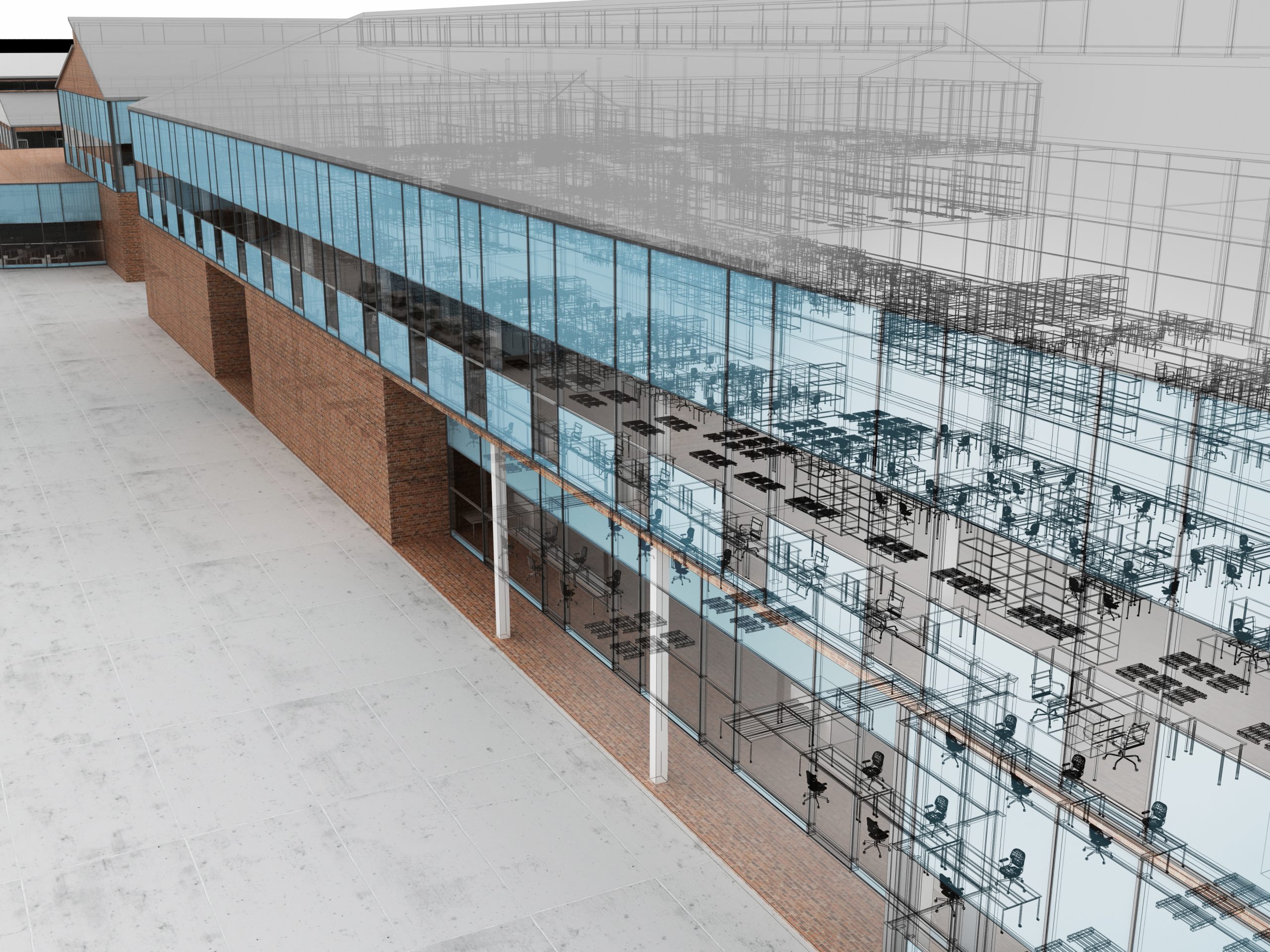
We model commercial roof systems over 20-40 year capital horizons for Memphis buildings - installed cost, maintenance, warranty costs, emergency repair, and replacement - so owners can compare system options on total cost of ownership rather than bid-day price.
The lowest-cost commercial roof on bid day is rarely the lowest-cost roof across a 30-year capital horizon. A 60-mil TPO system installed at $7.00 per square foot may require a full replacement at year 17-18 with six figures in capital mobilization cost and production disruption to an operating tenant. An 80-mil TPO system with a semi-annual maintenance program that runs to year 24 and enters a recover option at half the replacement cost might look more expensive on bid day but substantially cheaper over the life of the asset. The difference on a 100,000-square-foot Memphis commercial building can reach several hundred thousand dollars in net present value over 30 years.
Life-cycle cost analysis makes this comparison explicit and documented for Memphis owners making system selection decisions. I model the major cost events for each system option under consideration - installation, semi-annual maintenance over the warranty term, expected emergency repair frequency based on Memphis climate exposure, warranty premium cost, and end-of-life replacement or recover - and present total net present value over the horizon the owner specifies. Memphis commercial buildings have enough climate-specific performance history for me to model with real market data rather than national reference tables.
What Goes Into the Model
Year-0 installation cost: Quoted from our scope against the same building specification for each system option under comparison. We use our actual current Memphis pricing, not published cost reference guides. This includes membrane, insulation, fasteners, flashings, drains, walkway pads, permits, and manufacturer warranty premium. Memphis permit costs vary by municipality - City of Memphis permitting adds modest fees; suburban municipalities (Germantown, Bartlett, Collierville) typically add lower fees on shorter timelines.
Annual maintenance cost: The documented maintenance cost for each system under the manufacturer warranty maintenance program, plus observed average corrective maintenance cost per square foot per year for that system type in Memphis conditions. Memphis's 54-inch annual rainfall and 70°F July average dewpoint inflate corrective maintenance costs above national averages for surface-exposed systems. We apply Memphis-specific rates rather than industry reference numbers.
Major repair events: Based on our maintenance records and project history in this market, we model expected capital events at years 8-12 (first major repair cycle on Memphis TPO with rainfall and humidity exposure history), years 14-18 (second cycle, often involving more extensive flashing replacement and possible insulation spot replacement at drain fields), and years 20-25 (end-of-warranty assessment and recover-versus-replace decision). Each event is probability-weighted.
System Comparisons Common on Memphis Commercial Buildings
60-mil mechanically attached TPO vs. 80-mil fully adhered TPO: The most common comparison on Memphis Class A commercial buildings and medical district facilities. The 80-mil fully adhered system carries higher year-0 cost and a longer manufacturer warranty term (25 years from some manufacturers vs. 20 for 60-mil), with lower average maintenance cost because fully adhered systems have fewer seam-stress failures under Memphis's seasonal thermal cycling. On a 30-year LCC, the 80-mil fully adhered system is often the lower total cost despite the higher bid-day price.
TPO vs. EPDM on Aerotropolis and South Memphis distribution buildings: EPDM 60-mil handles the sustained UV and thermal cycling on large-footprint low-slope industrial buildings differently than TPO. For 300,000-500, and Airways corridors, EPDM sometimes outperforms TPO on 30-year total cost of ownership, particularly on buildings with high rooftop mechanical traffic that stresses seams.
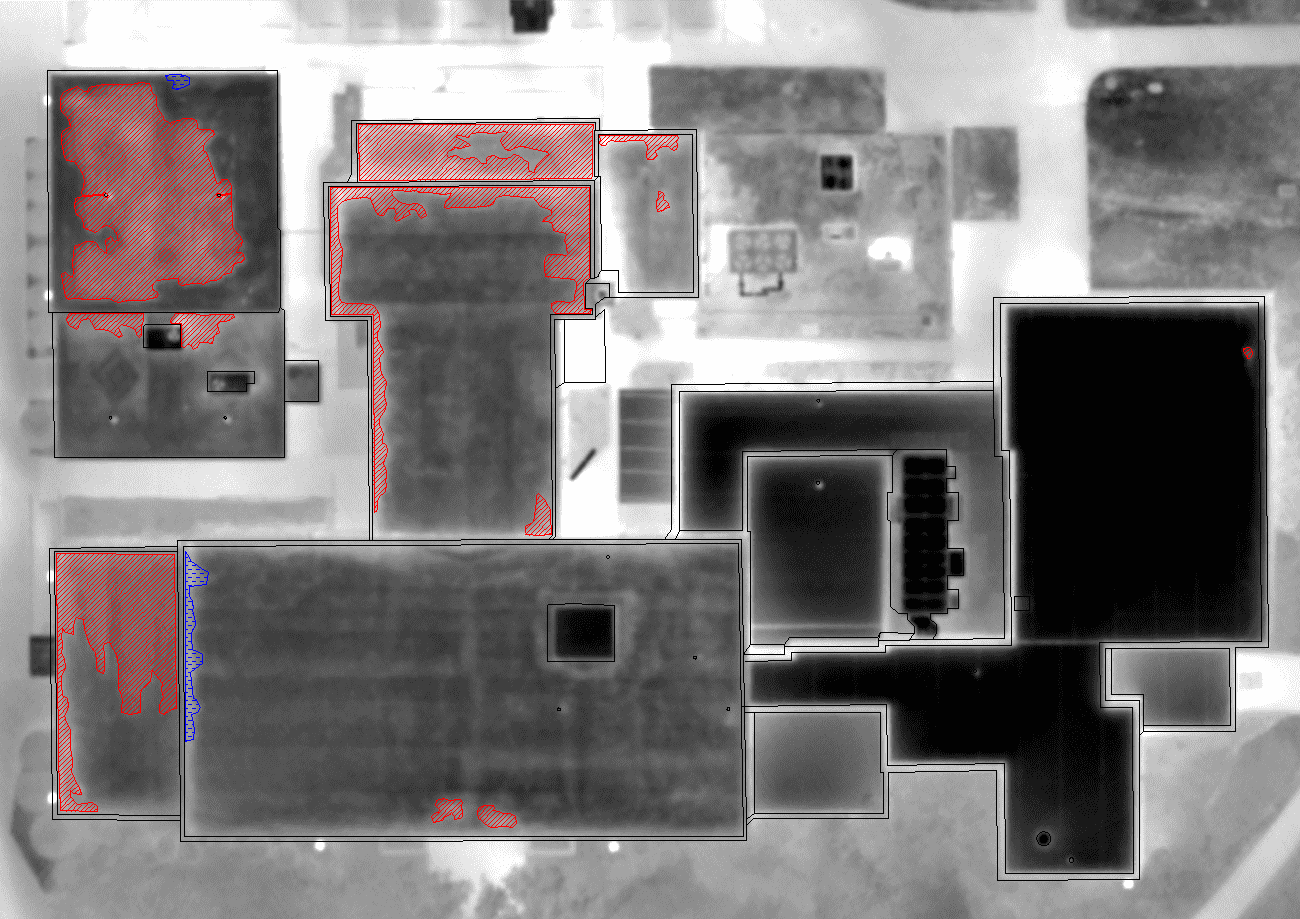
Modified bitumen vs. silicone fluid-applied coating over existing system: For Memphis commercial buildings with structurally sound deck and relatively dry insulation - under 20% wet on moisture survey - a silicone coating over the existing modified bitumen or built-up roof can extend asset life 10-15 years at 30-45% of full replacement cost. The LCC model accounts for the probability that the existing system does not support the coating application and the owner faces a full replacement regardless. We model this as a conditional branch and present the expected value calculation.
Presenting LCC Results to Memphis Owners and Capital Committees
LCC results are formatted for two audiences: the facility manager who needs to understand model assumptions and stress-test them, and the capital committee or ownership group that needs to approve capital spend without roofing expertise. The facility manager receives the full assumption table, sensitivity analysis, and source data behind each cost event. The capital committee receives a one-page summary: system options, 30-year NPV for each, the break-even horizon where the higher-initial-cost option begins returning positive NPV, and a written recommendation.
Memphis institutional owners - the healthcare systems along the Medical District corridor, the university facilities departments, the REIT portfolios that own the East Memphis and Germantown commercial corridors - often have existing capital request templates that LCC output needs to match. We can format the model output to fit the internal template rather than requiring the facilities team to reformat it for capital approval. An LCC model that does not match the internal format gets revised by someone who does not know roofing assumptions - and those revisions introduce errors.