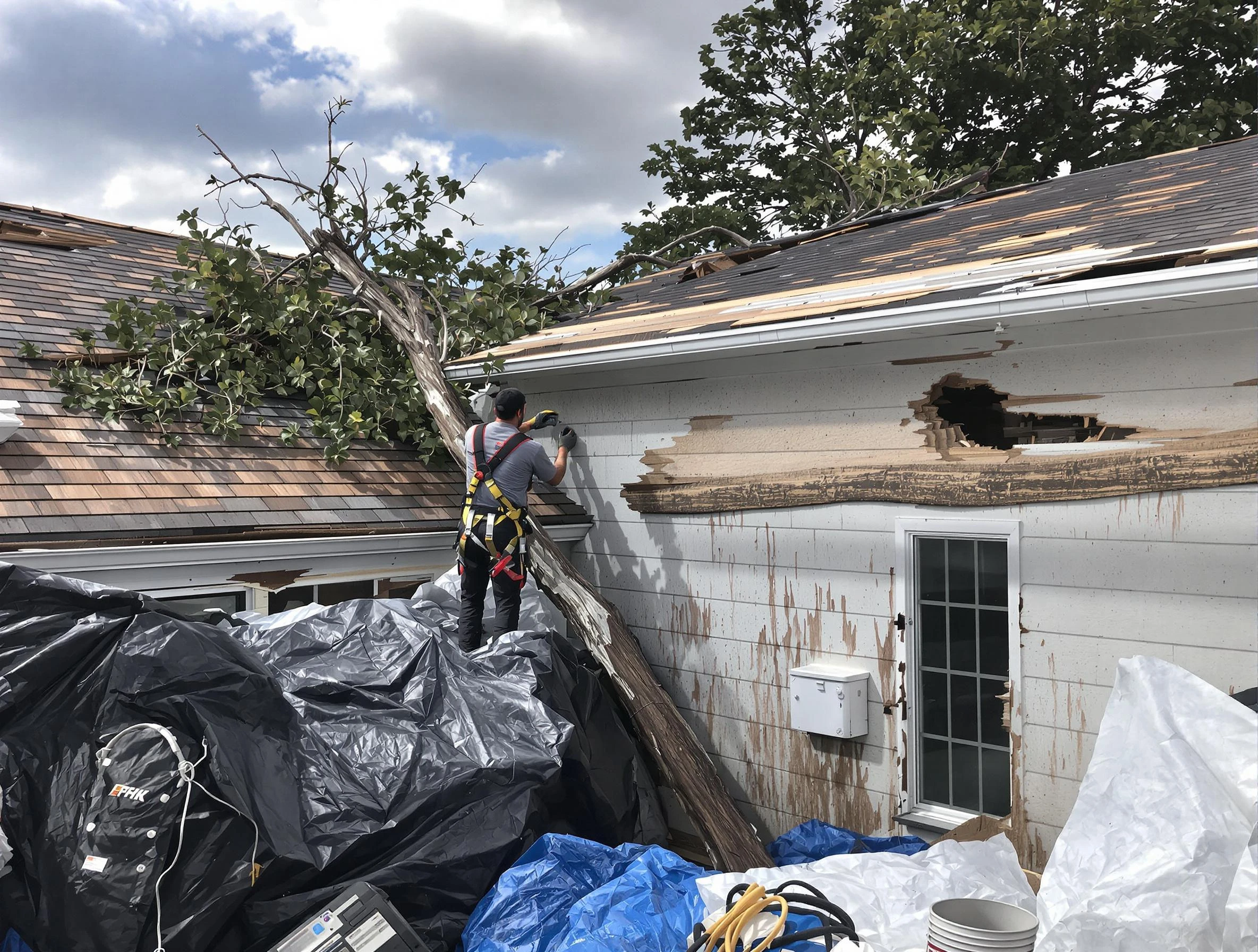
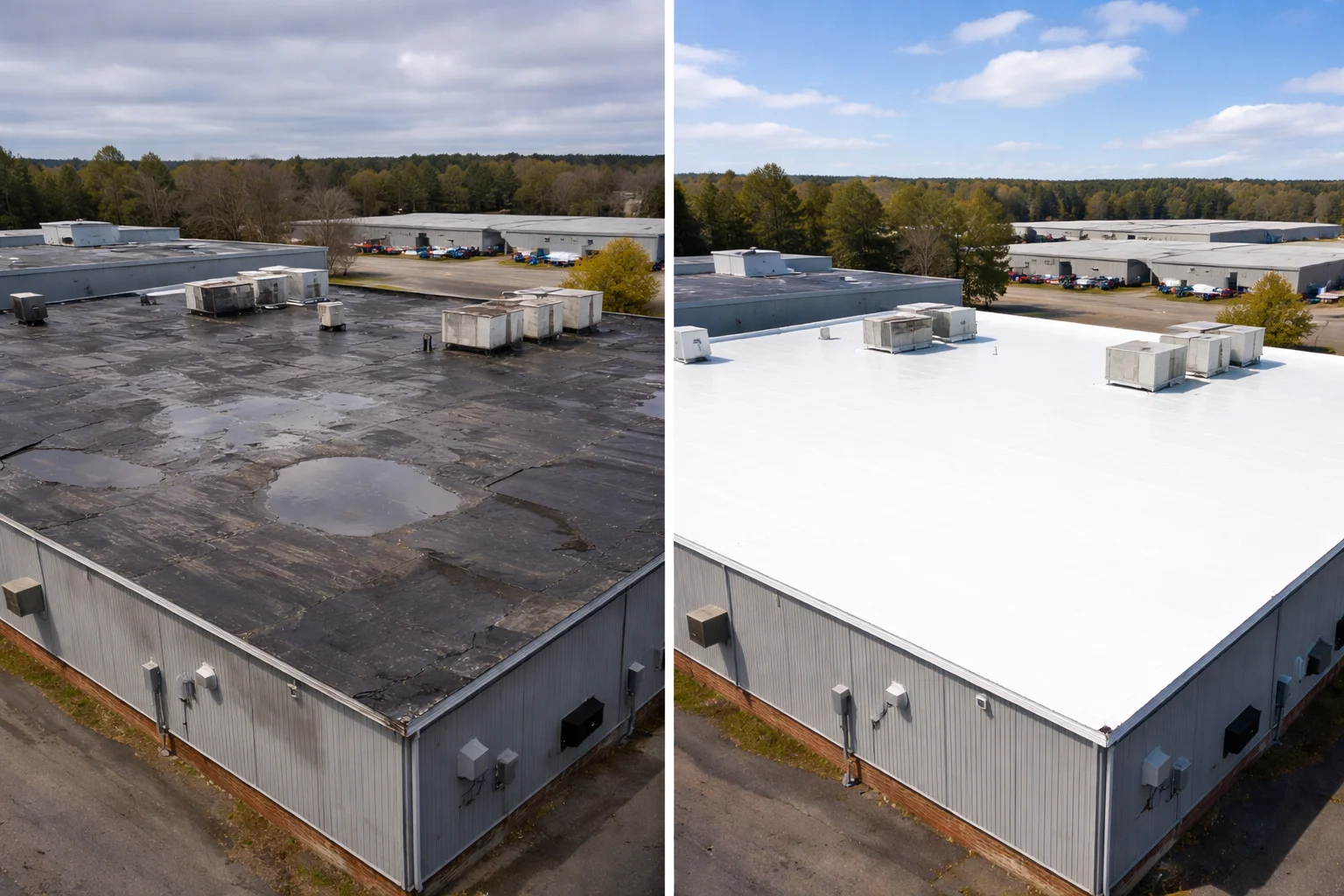
Commercial property insurance claims for roof damage in Memphis live or die on documentation. A photo log, a zone diagram, a written narrative that separates event-related damage from pre-existing condition, and a repair scope that an adjuster can evaluate - that is the package that supports a claim. We produce that package, not a contractor invoice attached to a vague description.
Commercial property insurance claims for roof damage in Memphis require documentation to a standard that most roofing contractors do not routinely produce. The adjuster reviewing a claim needs to answer four questions: What was the pre-event condition of the roof? What event caused what damage? What does the damage cost to repair or replace? And is the claimed damage within the policy's coverage terms? A contractor invoice and a photo of a wet ceiling tile do not answer those questions. A systematic documentation package does.
Our insurance-claim documentation work is not public adjusting. We do not negotiate with insurance carriers, represent policyholders in coverage disputes, or advise on claim strategy. What we do is produce the technical documentation - photo log keyed to a zone diagram, written narrative with damage classification by type and probable cause, NWS storm data cross-referenced to the building's location, and a line-item repair scope - that allows the policyholder and their adjuster, public adjuster, or coverage attorney to work from defensible facts.
What Insurance-Grade Roof Documentation Includes
Roof zone diagram: A scaled or semi-scaled diagram of the roof surface divided into named zones - typically alphanumeric - with all damage locations marked against their zone identifier. The zone diagram is the organizing structure for the entire documentation package; every photograph, every damage description, and every repair scope line item references a zone identifier. An adjuster reviewing a claim can navigate to any disputed location using the zone diagram.
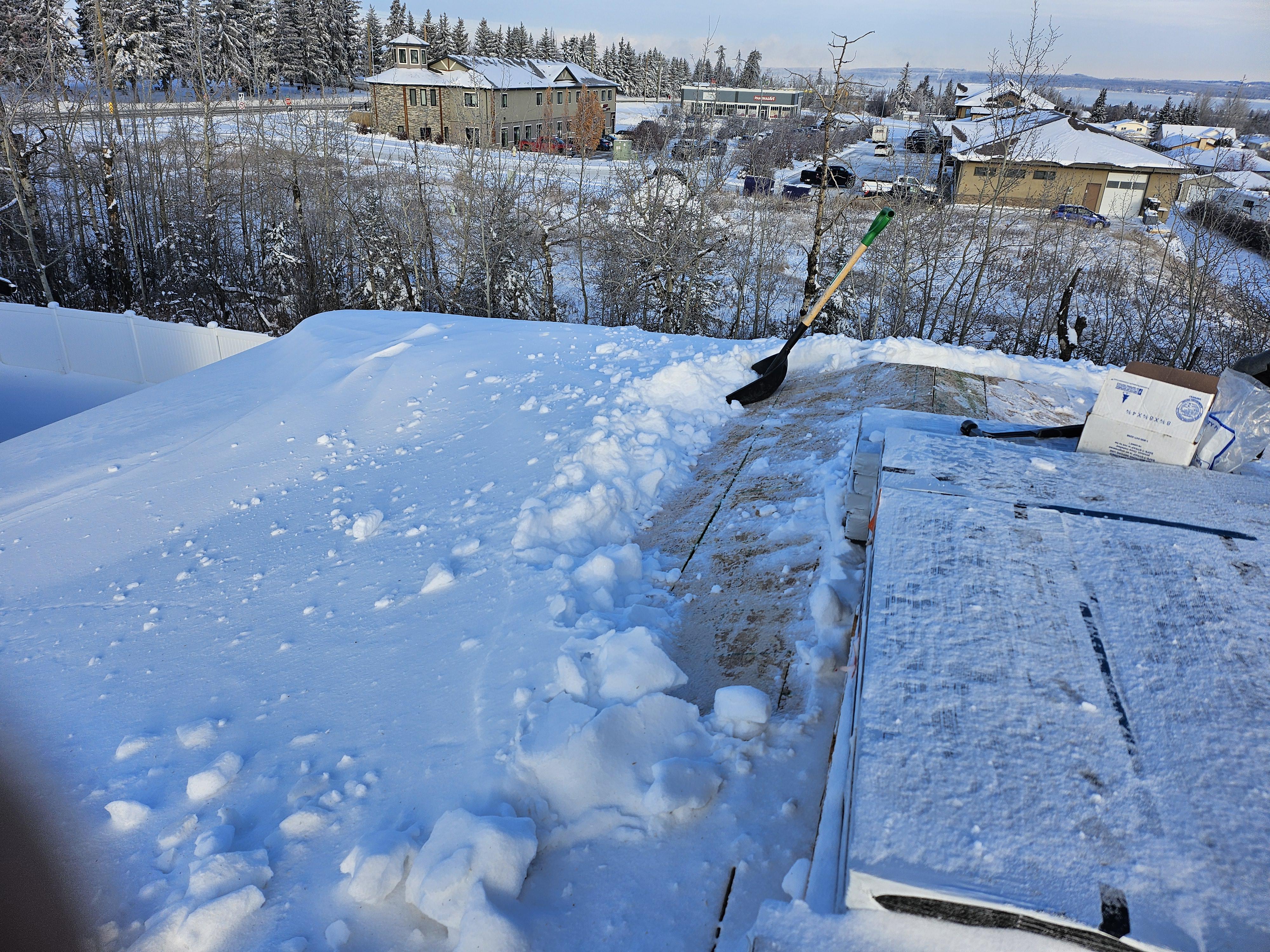
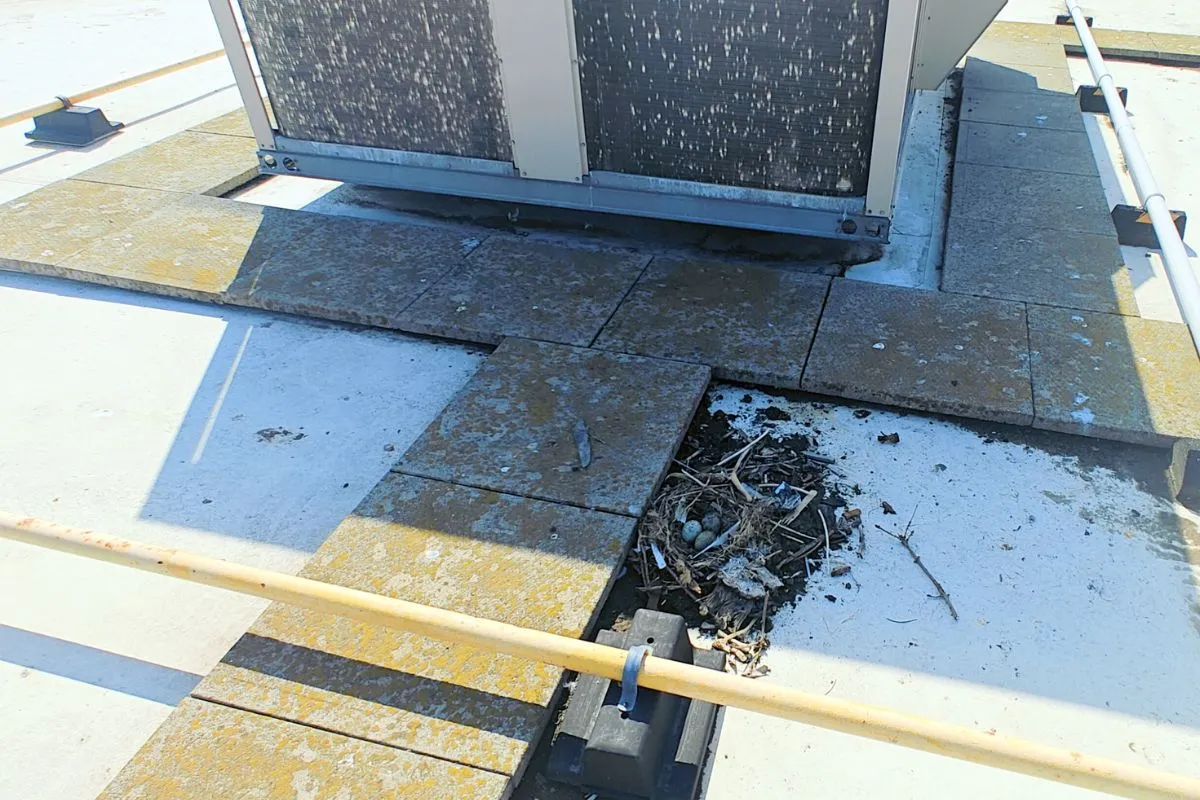
Photograph log: Systematic photographs of the entire roof surface, not just damage locations. Pre-existing condition of undamaged areas is as important to document as the damage - it establishes the baseline against which damage is characterized. Every damage location is photographed from two distances: establishing context (the surrounding roof area) and close-up detail (the specific failure). Each photograph is keyed to the zone diagram and timestamped.
NWS storm data attachment: For storm-related claims, we attach the National Weather Service Memphis office storm event report for the date of loss. The storm report documents the event type (tornado, hail, straight-line wind, severe thunderstorm), the reported severity parameters (wind speed, hailstone size, storm track), and the geographic extent of the event. Cross-referencing the building's address against the storm event confirms the building was within the event's affected area.
Pre-Existing Condition Documentation for Memphis Buildings
The strongest position in a commercial roof insurance claim is a documented pre-event baseline. Buildings on our maintenance contract have a baseline photo set from their most recent maintenance walk - typically 6-12 months before any storm event. That baseline shows the roof's pre-event condition in the same zones where event damage is later claimed, making the pre-existing versus event-caused distinction a documented fact rather than a disputed assertion.
For buildings without a pre-event baseline, we construct a post-event documentation package that characterizes pre-existing versus event-related damage from forensic indicators: the age and oxidation of membrane at the failure point, the presence of prior repair materials (roof cement, patch tape, silicone), the corrosion pattern on metal flashings, and the consistency of damage distribution with the documented storm event parameters. These indicators are documented and described in the narrative with the reasoning for each damage classification.
We recommend pre-event roof documentation to every commercial building owner in Memphis, independent of any pending claim. A single roof walk and photo documentation session - 1-3 hours depending on roof size, with a written zone diagram and full photo log - creates the baseline that makes future claims cleaner and faster to resolve. The cost of that documentation session is typically less than a single day of claim delay on a large commercial loss.
Memphis-Specific Documentation Considerations
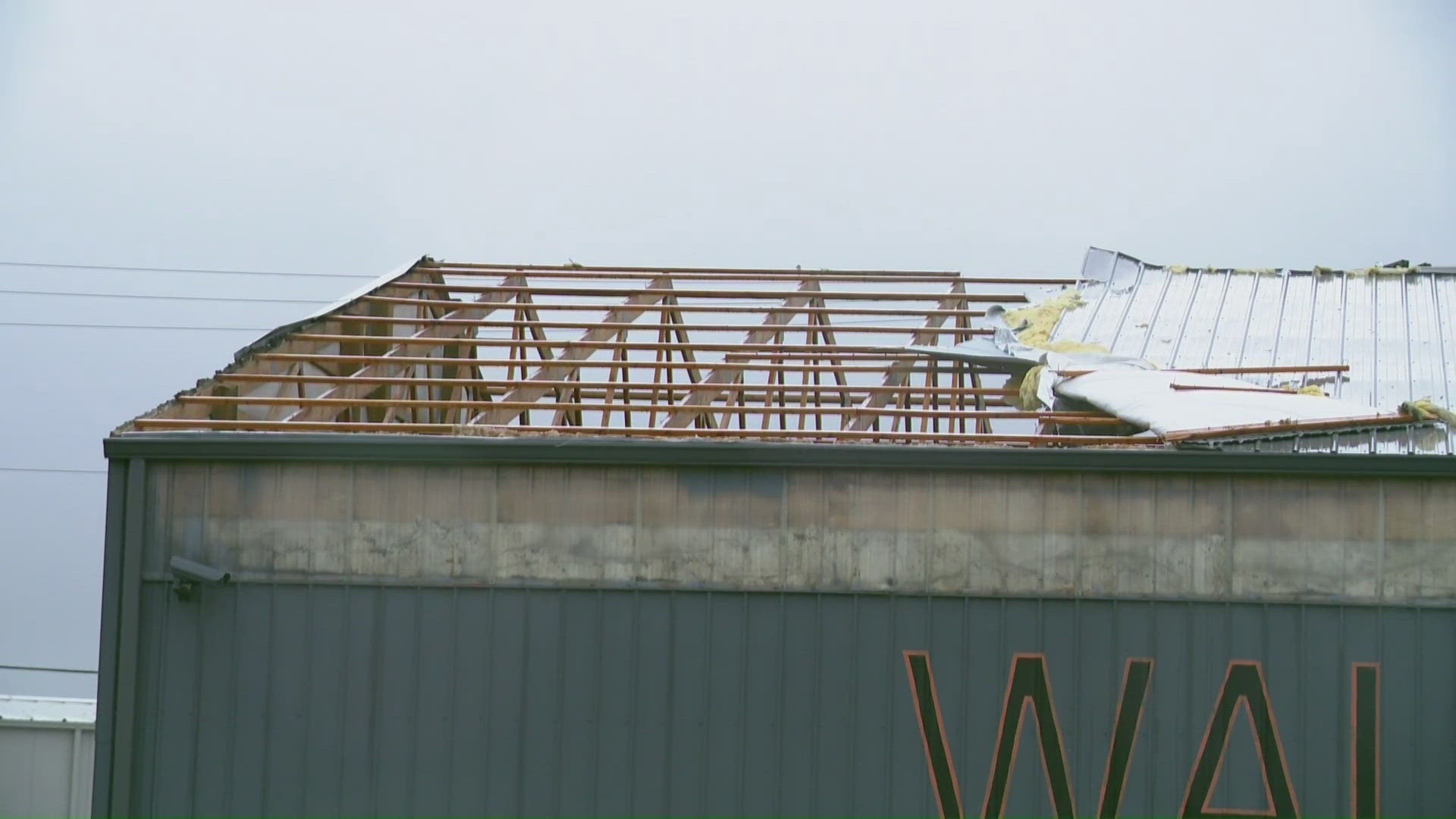
Tornado event documentation in Memphis requires particular attention to the distinction between tornado-caused uplift and pre-existing fastener-pattern deficiency. If the building's fastener pattern was underinstalled relative to code wind-uplift requirements - common on commercial buildings built in Memphis before the post-Katrina code cycle tightened perimeter requirements - the insurer may argue that the failure was a pre-existing deficiency, not storm damage. Our documentation explicitly addresses fastener pattern density in the failure zone, compares it to code requirements, and frames the cause-of-loss analysis accordingly.
New Madrid seismic documentation, in a post-event scenario, would require rapid mobilization across the metro simultaneously with every other affected building owner's response. We have a pre-event protocol developed for seismic damage documentation that covers the specific failure modes most likely in a Memphis seismic event: parapet separation, deck-to-joist connection distress, and drain displacement from settlement. Building owners who want to understand that protocol before an event can request a pre-event consultation.
The 2011 Mississippi River flood produced insurance claims for commercial buildings whose roofs were not directly flooded but whose interiors sustained water intrusion from the elevated groundwater and surface water that affected below-grade utility penetrations. Some of those buildings developed roof-level moisture problems months later from vapor drive out of wet interiors. Documenting those delayed-onset moisture conditions for insurance purposes required a careful forensic analysis that connected the flood event to the roof-assembly damage - the kind of analysis that generic contractor documentation does not support.
Need insurance-grade roof documentation for a Memphis commercial property?
We produce the photo log, zone diagram, damage narrative, and repair scope that your adjuster, public adjuster, or coverage attorney needs to work from defensible facts.