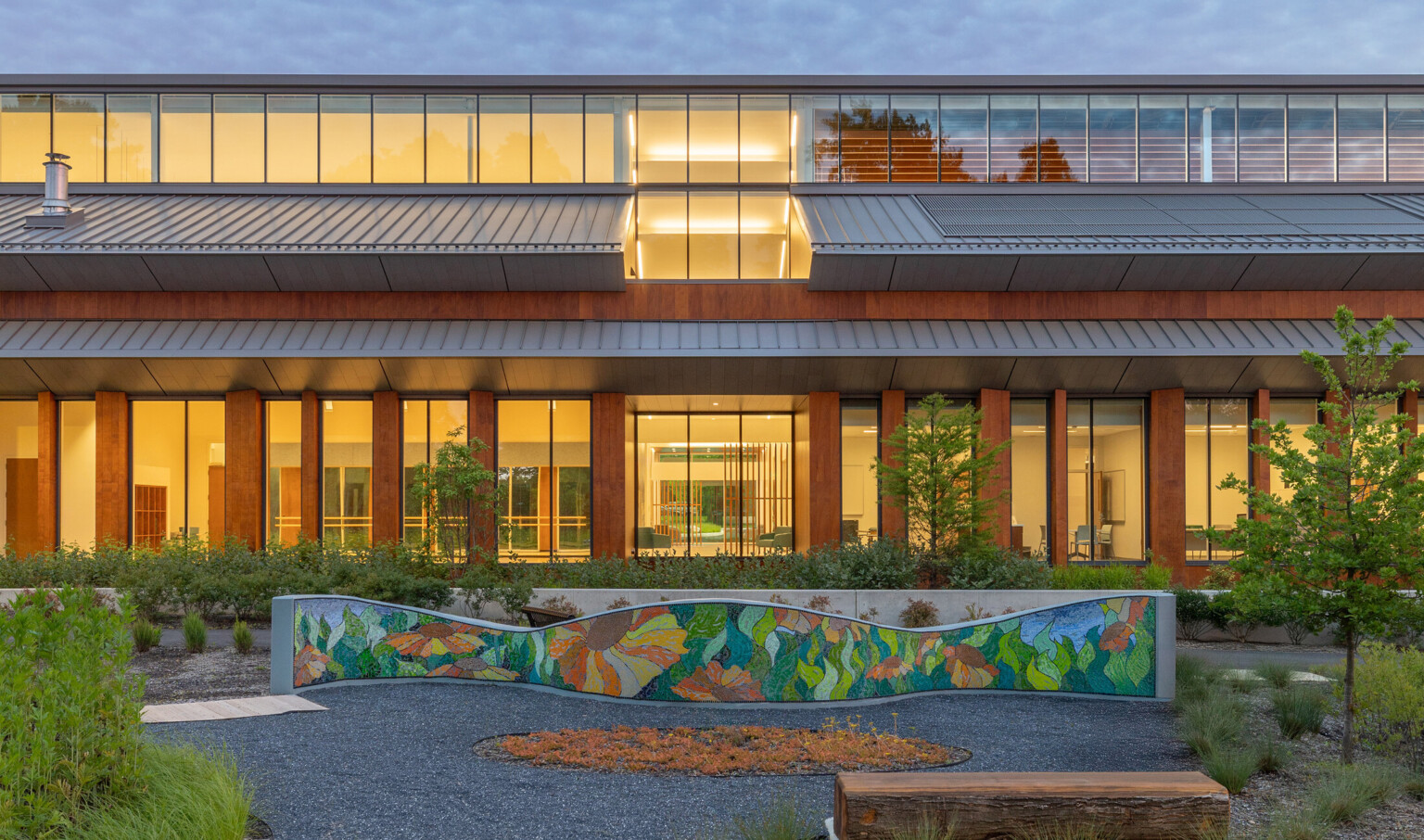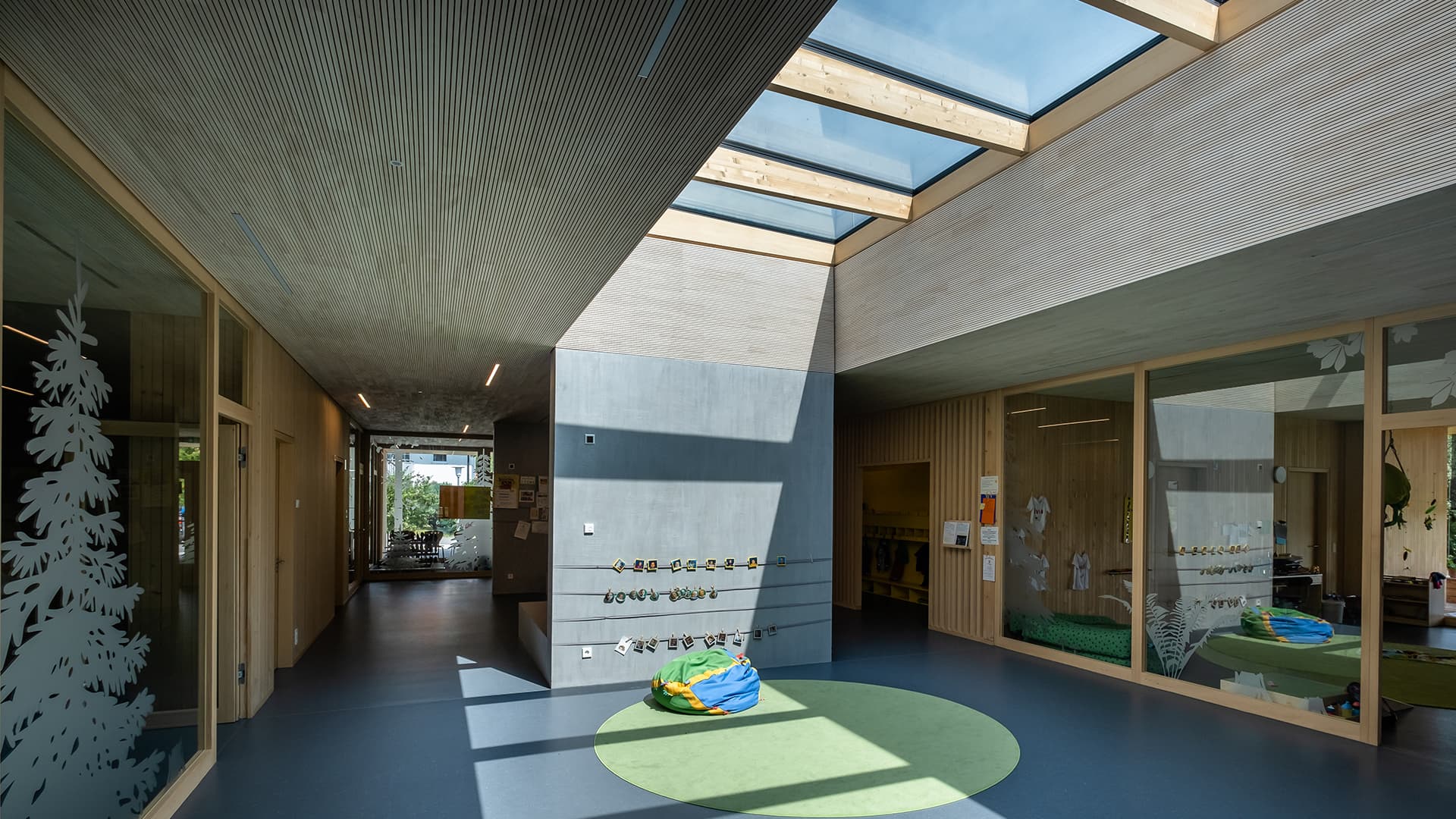
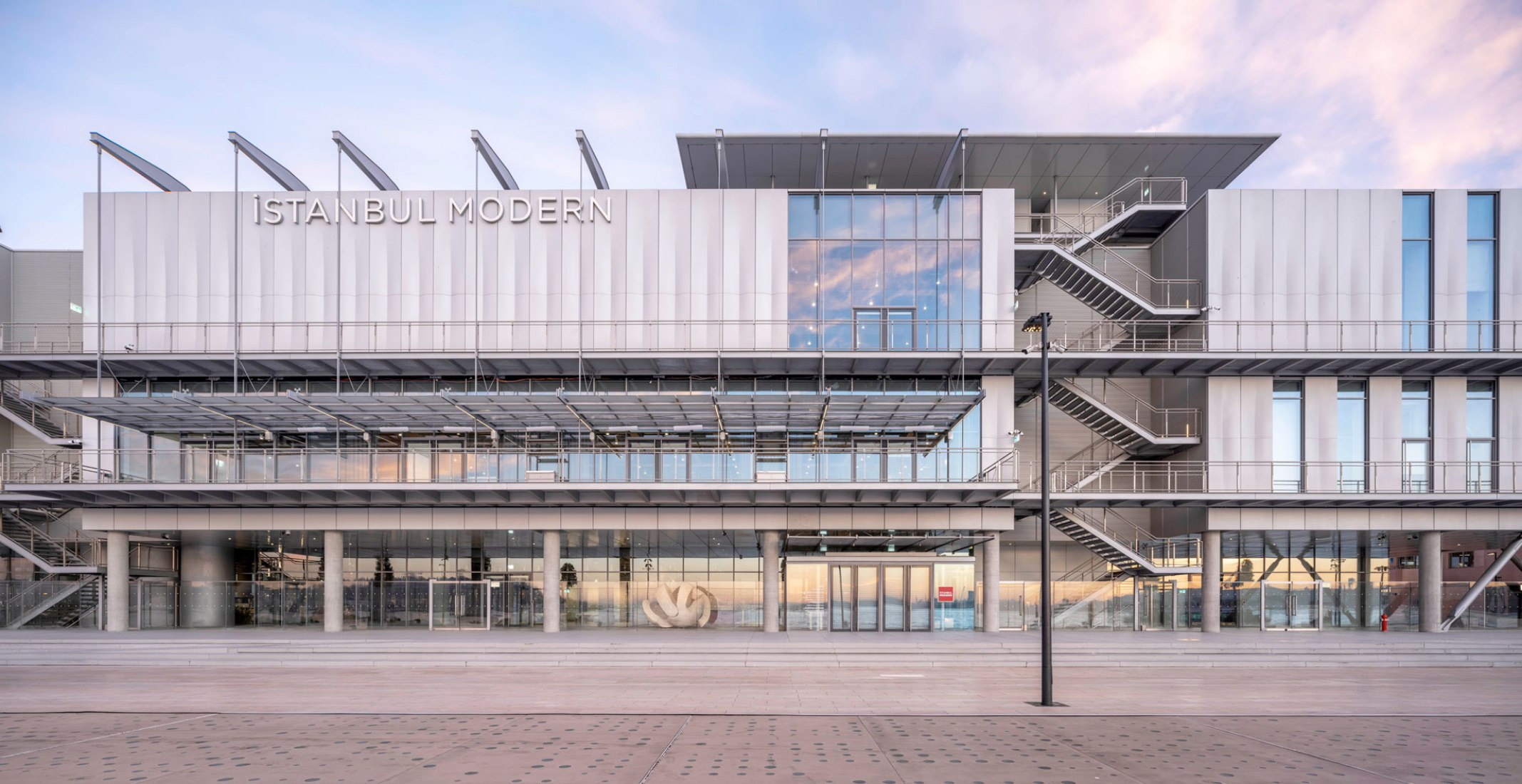
Museum and cultural facility roofing in Memphis has to protect what is inside the building as much as the building itself, since a roof leak or a lapse in climate control can damage a collection in ways that cannot be undone.
A roof walk on this building type puts extra attention on any area near climate-controlled gallery or storage space, and the work plan is built to keep interior humidity and temperature stable throughout the project, not just to keep the roof watertight.
Protecting Climate Control and Collections During the Work
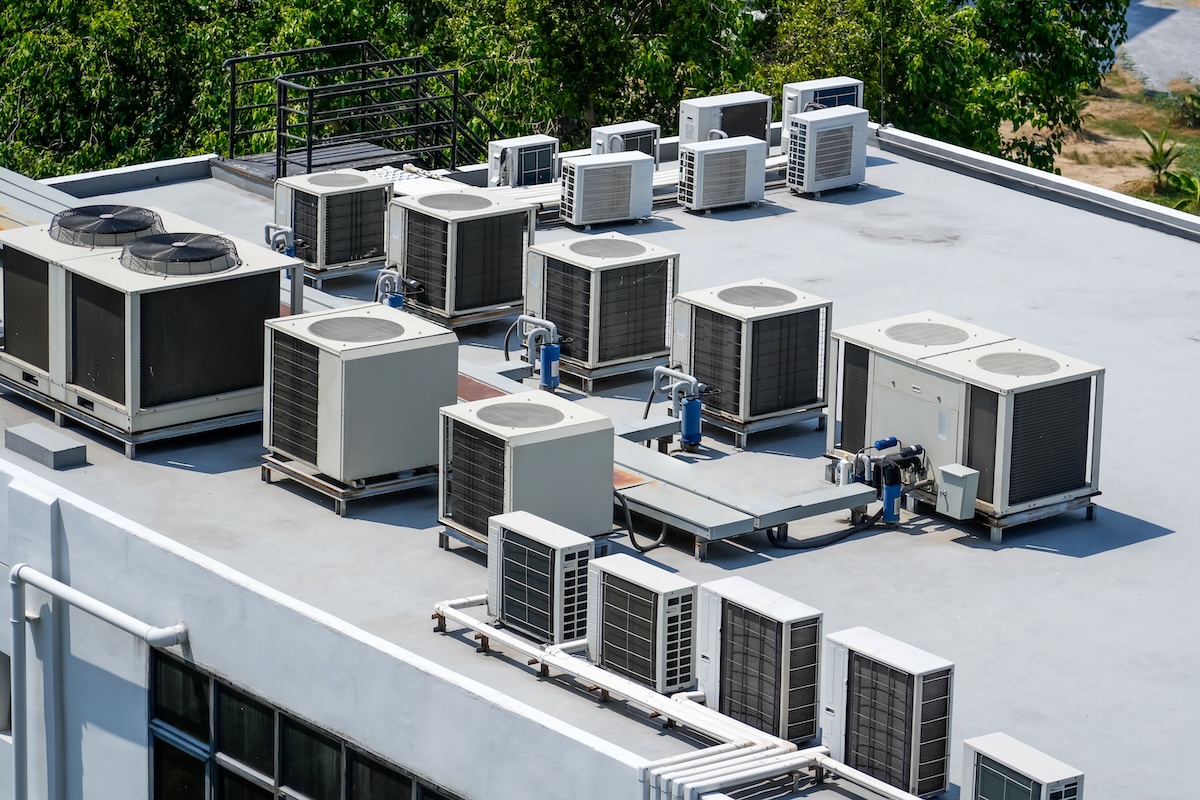
Museums and cultural facilities typically run tightly controlled HVAC systems to protect sensitive collections, and any roof work near rooftop HVAC equipment has to keep that system running or provide a clear plan for temporary conditioning if a unit needs to come offline. Dust, debris, and moisture intrusion during roofing work are controlled carefully near any point that connects to gallery or storage space below.
Because a leak or a climate excursion can damage a collection that cannot be replaced, roof sections near sensitive interior space are prioritized and monitored closely, with moisture testing and interior checks built into the work plan rather than left until after the fact.
Scheduling for Minimal Disruption
Museums and cultural facilities often stay open to the public during normal operating hours, so noisy or disruptive work is typically scheduled before opening, after closing, or on days the facility is closed to visitors. Material staging and access routes are planned to avoid public entrances and gallery spaces entirely.
The roof itself is commonly a low-slope system finished in TPO, EPDM, or a built-up system, and the repair, recover, or replacement decision is based on membrane age, flashing condition at skylights or clerestory windows if present, and drainage performance, documented in a written condition report the facility can keep for its own records.