Educational facilities in the Memphis metro require public procurement compliance, summer production schedules, and documentation standards that generic commercial contractors are not set up to provide. We scope and replace roofs for K-12 districts and higher education across Shelby County.
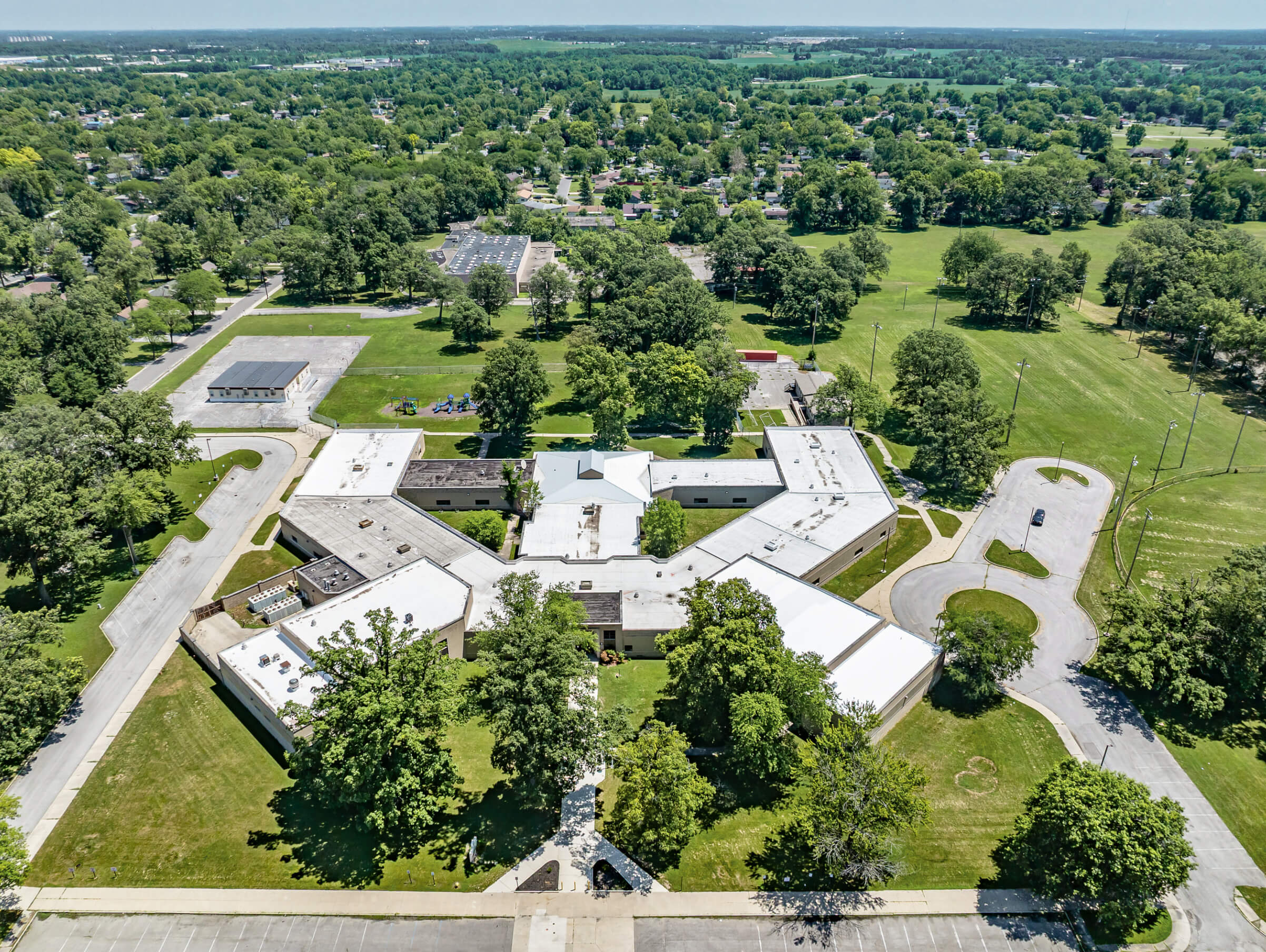
Memphis-Shelby County Schools is the largest school district in Tennessee, operating more than 150 school buildings across Shelby County. The district's building inventory ranges from 1930s and 1940s elementary buildings in Orange Mound and Frayser with original or first-generation recovered roofs to post-2000 construction in suburban areas with systems approaching first major reroof cycles. Public procurement rules - Tennessee's competitive bid requirements for school district projects above the threshold - mean that school roofing projects are bid, not negotiated, and the documentation requirements from bid preparation through closeout differ substantially from private commercial work.
The suburban municipal school districts - Collierville Schools, Germantown Schools, Bartlett City Schools, Arlington Community Schools, and Millington Schools - each operate as independent procurement entities following the 2013 demerger from Shelby County Schools. Each has its own bid threshold, documentation requirements, and facilities management contact structure. The University of Memphis adds a higher-education procurement dimension - state agency purchasing rules and TBR (Tennessee Board of Regents, now THEC) facilities standards that apply to capital improvement work on the main campus in Midtown and satellite facilities.
Public Procurement and Memphis-Shelby County Schools Compliance
Memphis-Shelby County Schools projects above the competitive bid threshold require a public invitation to bid, published to the Tennessee state purchasing portal and the district's own vendor platform. Responsive bids must include bonding documentation (bid bond, performance bond, and payment bond at the required percentages), certificate of insurance with the district's specific additional insured language, contractor license verification, and a completed bid form that matches the district's specification package exactly. Missing any of these items means a non-responsive bid - disqualified regardless of price.
We understand MSCS's bid specification formats and have the bonding capacity required for district-level projects. More important, we understand the closeout documentation that MSCS facilities management requires: the warranty certificate in the format the district's asset management system accepts, the photo-keyed zone diagram with all penetrations documented, and the maintenance contract attached to the warranty. These closeout documents are what the district's facilities director needs to manage the asset over its lifecycle - not just what the contractor delivers to get the final payment.
Summer Scheduling - The Memphis School Production Window
Memphis-area school roofing is overwhelmingly a summer production activity. The window from mid-June through early August - when buildings are largely unoccupied and the district's maintenance crews have access without disrupting instructional schedules - is when most replacement work gets executed. This creates real schedule pressure: a 60,000-square-foot elementary school roof needs to be complete and under warranty before the building reopens for teacher in-service in late July or early August. Memphis's summer weather - afternoon thunderstorm risk from June through August, with July and August heat indices regularly exceeding 105°F - compresses the usable production window further.
We plan Memphis school projects with weather contingency built into the production schedule. We communicate the contingency window to the district's facilities director before contract signing, not after a rain delay occurs. If the project scope requires a schedule extension beyond the summer window, we identify that risk in pre-construction and discuss the options - phased production that extends into fall weekends and holidays, or scope reduction to fit the available window - rather than delivering that conversation as a surprise in week six of production.
University of Memphis and Higher Education Facilities
The University of Memphis's main campus in Midtown is home to a building inventory spanning 1950s mid-century buildings to modern construction, most with flat or low-slope roofing systems. The University operates under Tennessee higher education facilities procurement rules - TBR Design Standards for capital projects, state purchasing compliance for contracts above threshold, and a facilities management team with documentation requirements that differ from K-12 district work. The University's campus proximity to Midtown Memphis's mature tree canopy creates the same drain-clogging and debris-accumulation issues we document on commercial and commercial Midtown buildings.
Satellite University of Memphis facilities across the metro - the FedExForum-area facilities, the Lambuth campus in Jackson, and the various community outreach centers in Shelby County - each carry the same higher-education procurement compliance requirements in a smaller building footprint. We scope these facilities with the same documentation standard as main-campus work.