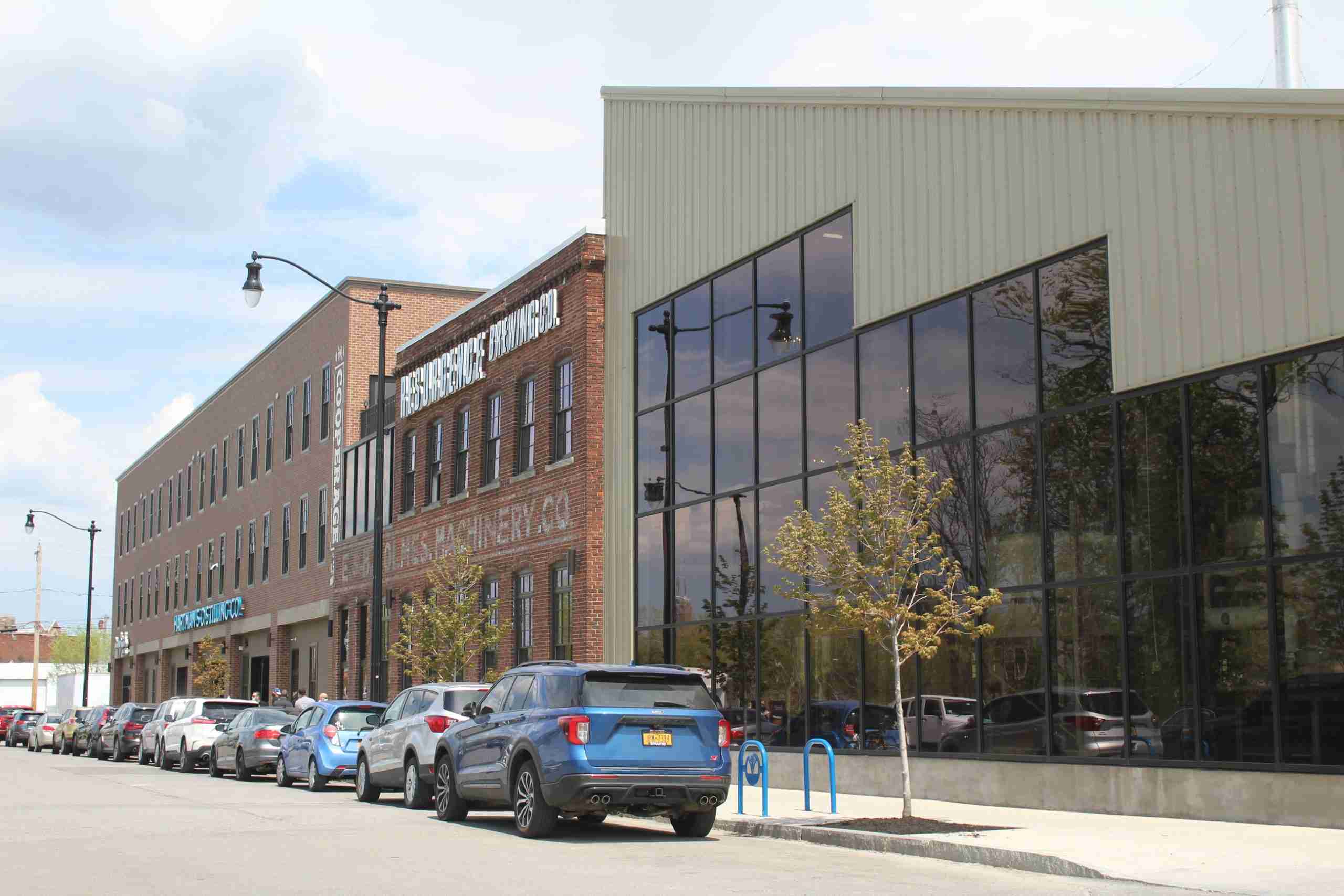
Brewery, distillery, and food production roofing in Memphis deals with rooftop conditions that a typical office or retail building never sees: steam and grease-laden exhaust, sanitation wash-down runoff, and in some processes, combustible dust that has to be kept away from anything that could ignite it.
A roof walk on this building type pays close attention to exhaust and vent penetrations, since grease and steam residue breaks down membrane and flashing faster than ordinary weathering, and any dust collection or process exhaust equipment on the roof needs its own inspection alongside the membrane itself.
Grease, Steam, and Sanitation at the Roof Level
Kitchen, brew house, and processing exhaust that vents through the roof deposits grease and moisture that can degrade membrane and sealant around the penetration faster than typical wear. Flashing details at these penetrations need periodic inspection and, in some cases, a grease-resistant membrane or coating specified for that zone rather than a standard field membrane.
Sanitation wash-down water and condensate drainage from process equipment can end up draining across roof surfaces, so drain capacity and slope in these areas matter more than on a typical commercial building. Standing water combined with grease residue is a common source of accelerated membrane wear near production exhaust points.
Combustible Dust and Rooftop Equipment Coordination
Facilities with grain handling, milling, or other dust-generating processes may have dust collection equipment mounted on or near the roof, and any hot-work or roofing activity near that equipment needs to be coordinated with the facility's safety plan before work begins. Rooftop equipment access has to account for what is running below and what cannot be shut down without disrupting production.
Because these buildings often run production on a tight schedule, roof work is planned around process downtime windows where possible, and any work near active exhaust or dust equipment is sequenced with the facility's own safety and maintenance staff so nothing on the roof interferes with equipment that is still running.