The Mid-South sits inside a hail-prone corridor. We map impact density on commercial membrane roofs the way adjusters need it documented.
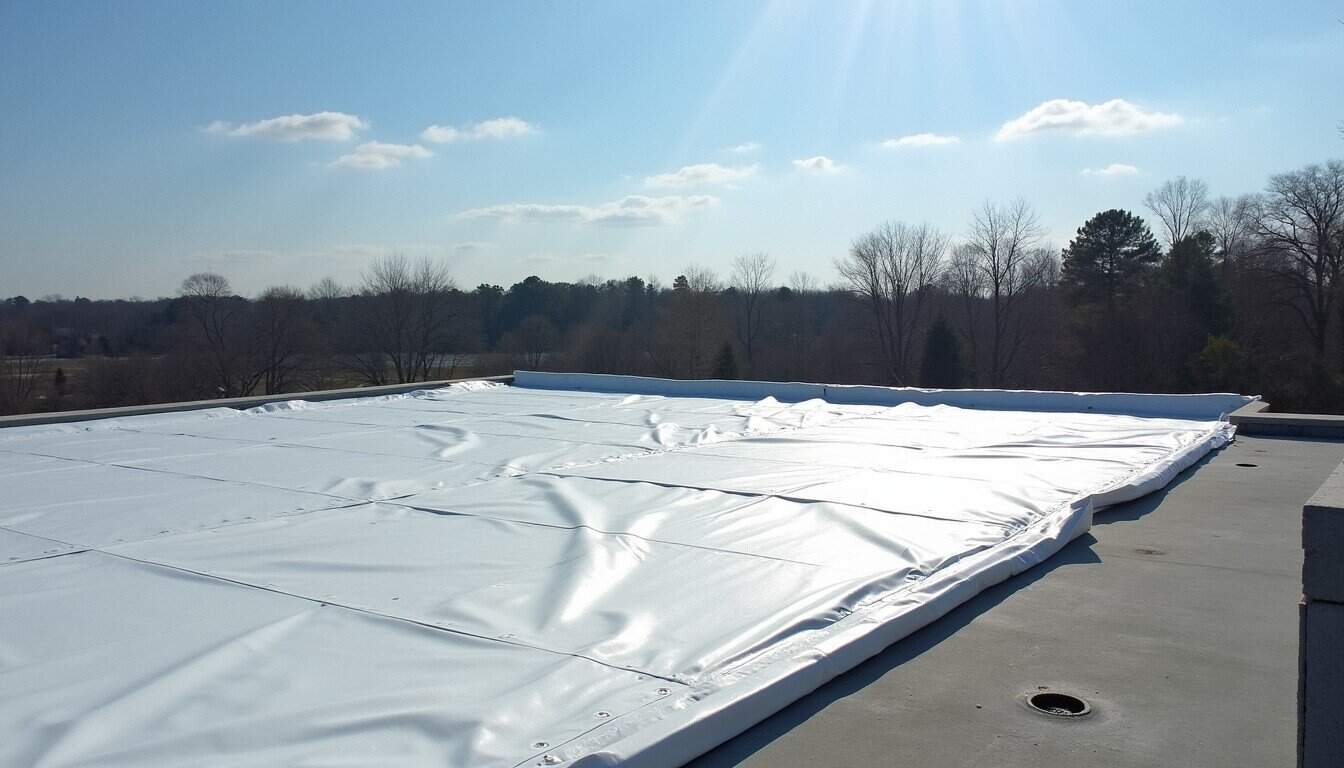
The Mid-South sits inside a hail-prone corridor, and Memphis commercial roofs take hail damage on a recurring basis as spring and early-summer storm systems move through the region. Commercial membrane roofs don't show hail damage the way a commercial asphalt shingle roof does - there's no obvious bruising visible from the ground, no shingle granule loss you can spot from a truck. Hail damage on a TPO, PVC, or built-up commercial roof is a close-inspection finding, and claims that rely on a drive-by assessment routinely miss it.
Hail impact on a single-ply membrane leaves circular depressions where the ice compressed the membrane and the insulation underneath it. Depending on membrane thickness, hail size, and impact angle, those depressions range from barely perceptible to clearly visible under low-angle light. The damage isn't cosmetic - each impact point becomes a stress concentration location that accelerates membrane fatigue and can eventually initiate a seam or puncture failure, sometimes months or years after the storm that caused it.
What Hail Damage Looks Like on Different Membrane Types
TPO and PVC: circular impact depressions in the membrane surface, most visible in low-angle light on a dry surface, often accompanied by granular substrate telegraphing through thinner membranes. EPDM: similar depression pattern with occasional surface fracturing on aged, UV-embrittled membrane. Built-up and modified bitumen: granule loss and mat exposure at impact points, sometimes with visible fracturing in the cap sheet. Metal roofing and coping: denting and finish damage, most visible on lighter-gauge components.
Impact Density Mapping
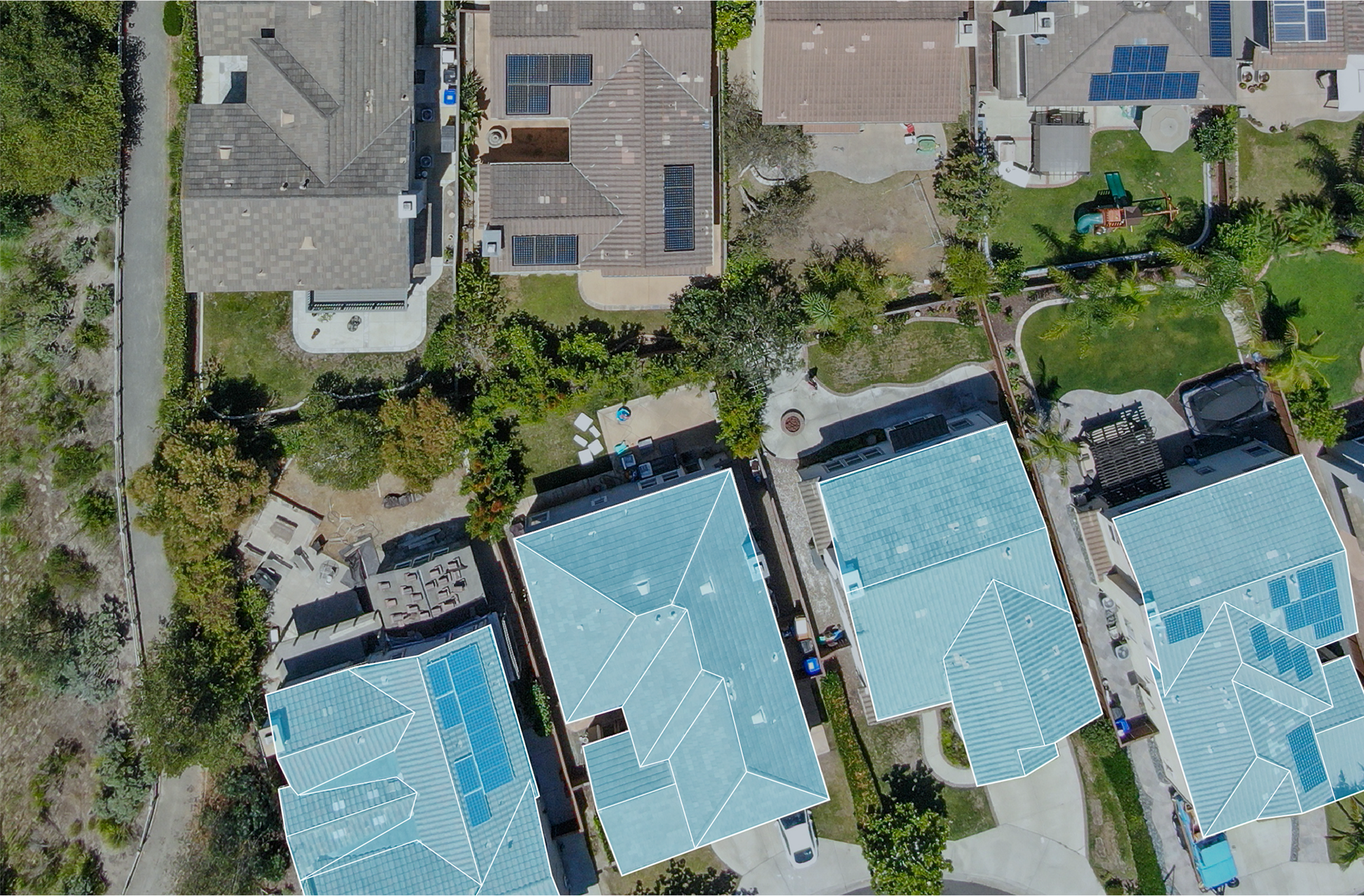
We divide the roof into zones and count impacts per test square in each zone, following the format commercial adjusters use to evaluate hail claims. Impact density varies across a roof based on wind-driven hail angle and rooftop equipment shielding, and a single test square near the center of the roof won't represent damage at an exposed parapet edge. Zone-by-zone mapping is what lets an adjuster evaluate whether the damage supports a full membrane replacement or a targeted repair scope.
Distinguishing Hail Damage From Wear
UV-aged membrane on a Memphis roof that's been through several summers of sustained heat can show surface changes that resemble hail impact to an untrained eye. We separate storm-caused impact damage from baseline UV wear and thermal cycling damage in the written assessment, since conflating the two is one of the more common reasons hail claims come back partially denied.
Hail Damage on Logistics and Distribution Roofs
Large single-ply fields on distribution and logistics buildings near the airport and along the interstate corridors mean more total roof area exposed to a given hail event, and more rooftop equipment - RTUs, skylights, exhaust fans - that also takes impact damage and needs separate documentation from the membrane itself.
Our Role, Stated Plainly
We're your roofing contractor, not a public adjuster - we document and substantiate the hail damage so you and your adjuster work from an accurate scope. We participate in adjuster site visits when requested. We don't file claims, negotiate with carriers, or guarantee a specific settlement.
Documenting hail damage on a Memphis commercial roof?
We will map impact density across the full roof, photograph representative damage in each zone, and produce a written hail-damage assessment.