Straight-line wind from severe thunderstorm complexes is the signature commercial roof peril in Memphis. We document wind damage the way adjusters need it documented.
Straight-line wind is the signature roof peril in Memphis. The Mid-South sits in a corridor that produces severe thunderstorm complexes through spring and summer, and the wind events that come with them - including the derecho-type squall lines that can push sustained straight-line wind across a wide swath of the metro in a single pass - are the most common cause of commercial roof insurance claims we document in this market. Tornado tracks through Shelby County add a second, more localized wind-damage pattern on top of that.
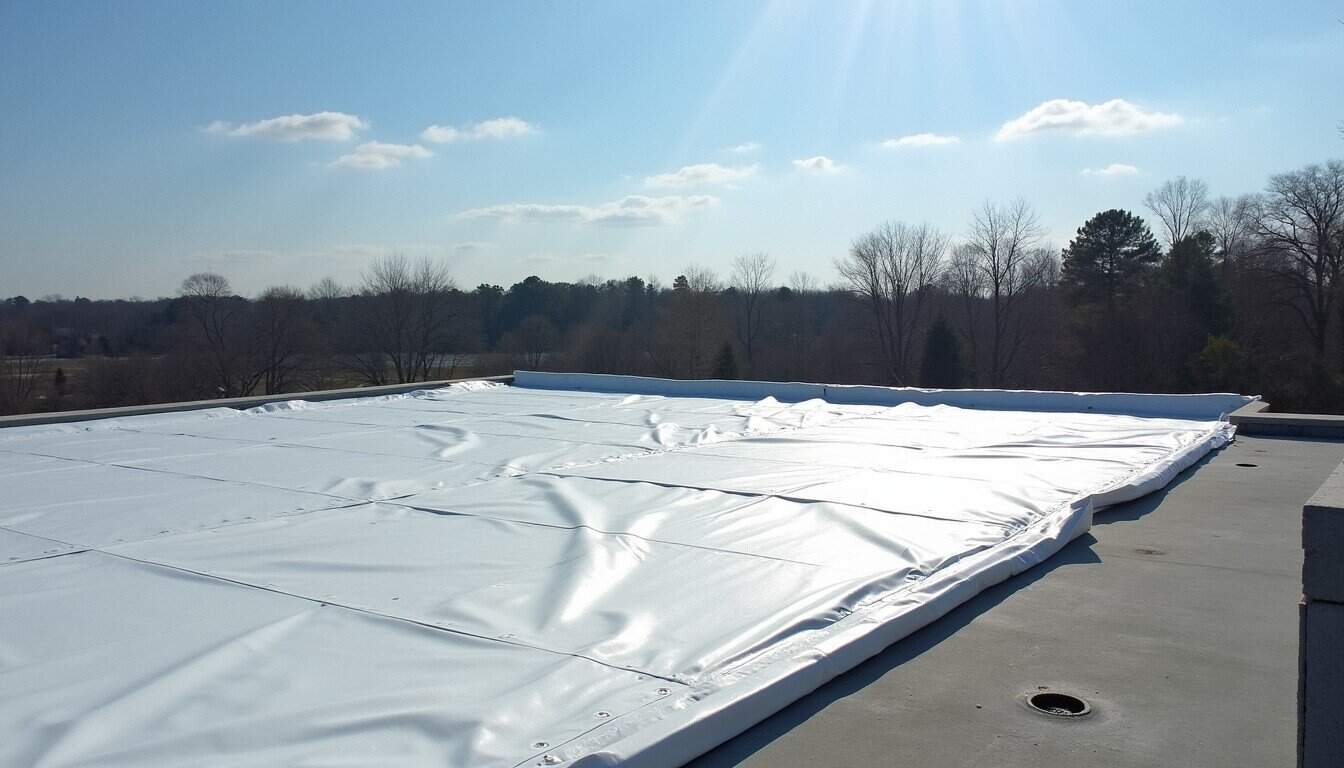
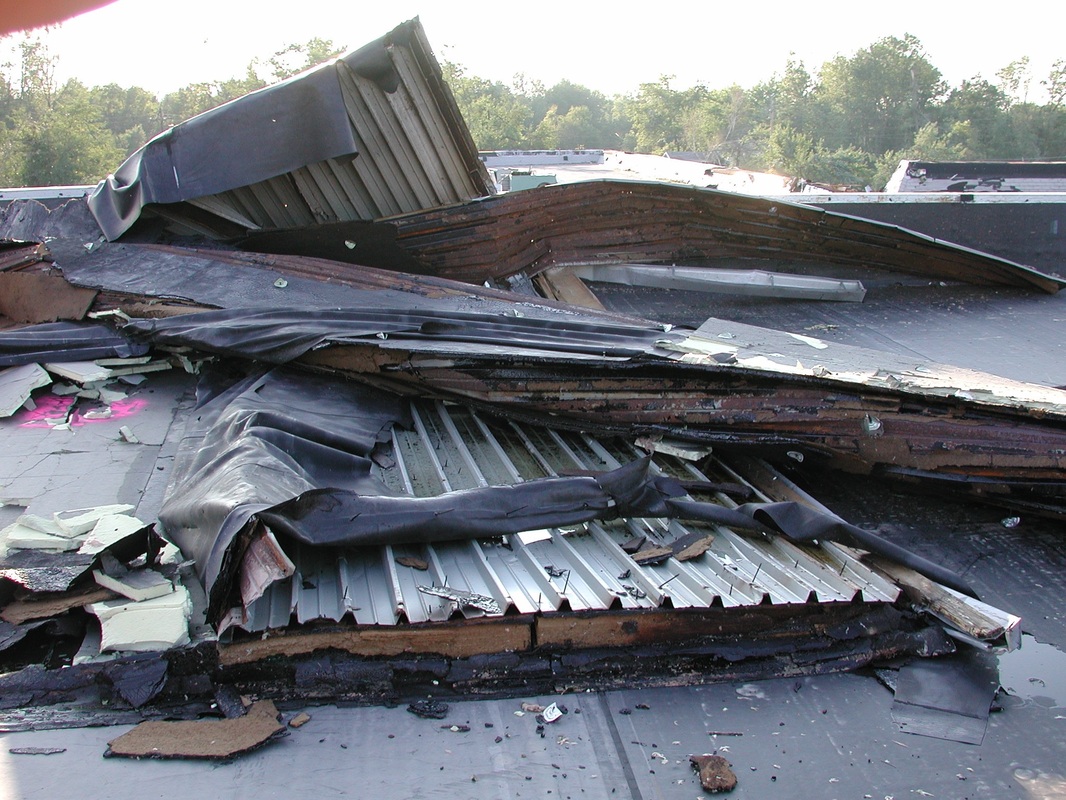
Wind damage on a commercial roof rarely looks like the total membrane loss people picture. More often it's membrane displacement at laps and seams, edge metal and coping that lifted and re-seated (or didn't), flashing pulled away from parapets and curbs, and rooftop equipment that shifted enough to compromise the curb seal around it. None of that is obvious from ground level, and an adjuster who hasn't walked the roof has no way to evaluate a claim based on a description alone.
What Wind Damage Looks Like on a Commercial Roof
Membrane uplift and displacement at seams and laps, edge metal and gravel-stop separation, coping cap lift on parapet walls, flashing pull-away at penetrations and curbs, and rooftop unit shifting that breaks the curb seal. Debris impact from wind-carried material - tree limbs, loose signage, gravel from adjacent roofs - adds a second damage layer that requires separate documentation from the wind-uplift damage itself.
Documenting Membrane Displacement
We photograph the displaced membrane in place before any repair work begins, measure the affected area, and note the attachment method - mechanically attached membranes and fully adhered membranes fail differently under wind load, and the documentation should reflect which failure mode occurred. Where the deck or insulation is exposed, we document moisture intrusion separately, since water that entered during or after the wind event compounds the damage and needs its own line item.
Edge Metal, Coping, and Parapet Damage
Wind-uplift failure concentrates at the roof edge - edge metal, gravel stops, and parapet coping take the highest wind load on the building and are frequently the first components to fail. We document edge condition against the manufacturer's wind-uplift detail so the adjuster can see whether the failure was a design or installation issue versus damage from an event that exceeded the rated wind resistance.
Distribution and Logistics Roofs After a Wind Event
Large-field single-ply roofs common on distribution and logistics buildings near the airport and along the interstate corridors carry more total wind-uplift exposure per building than a smaller office roof, simply because of field size. A wind event that only lifts edge metal on a small building can displace a much larger membrane area on a big-box logistics roof. We size the inspection scope to the roof's total field area and document accordingly.
Our Role, Stated Plainly
We're your roofing contractor, not a public adjuster - we document and substantiate the wind damage so you and your adjuster work from an accurate scope. We meet the adjuster on the roof when requested and answer technical questions about what we found. We don't file the claim, negotiate with the carrier, or guarantee a claim outcome.
Documenting wind damage on a Memphis commercial roof?
We will walk the roof, photograph the failure details, and produce a written wind-damage assessment formatted for adjuster review.