FedEx's global hub at Memphis International Airport - the largest cargo airport in the world by freight volume - and the dense cluster of automotive parts manufacturers supplying assembly plants throughout the mid-South anchor Memphis's position as one of the most logistics-intensive and industrially active cities in the United States. Companies like Cargill's grain processing complex along the Memphis waterfront, International Paper's corporate manufacturing operations, and Electrolux's mid-South appliance production add to a manufacturing base that creates continuous, technically demanding work for commercial roofing contractors throughout the metro area.
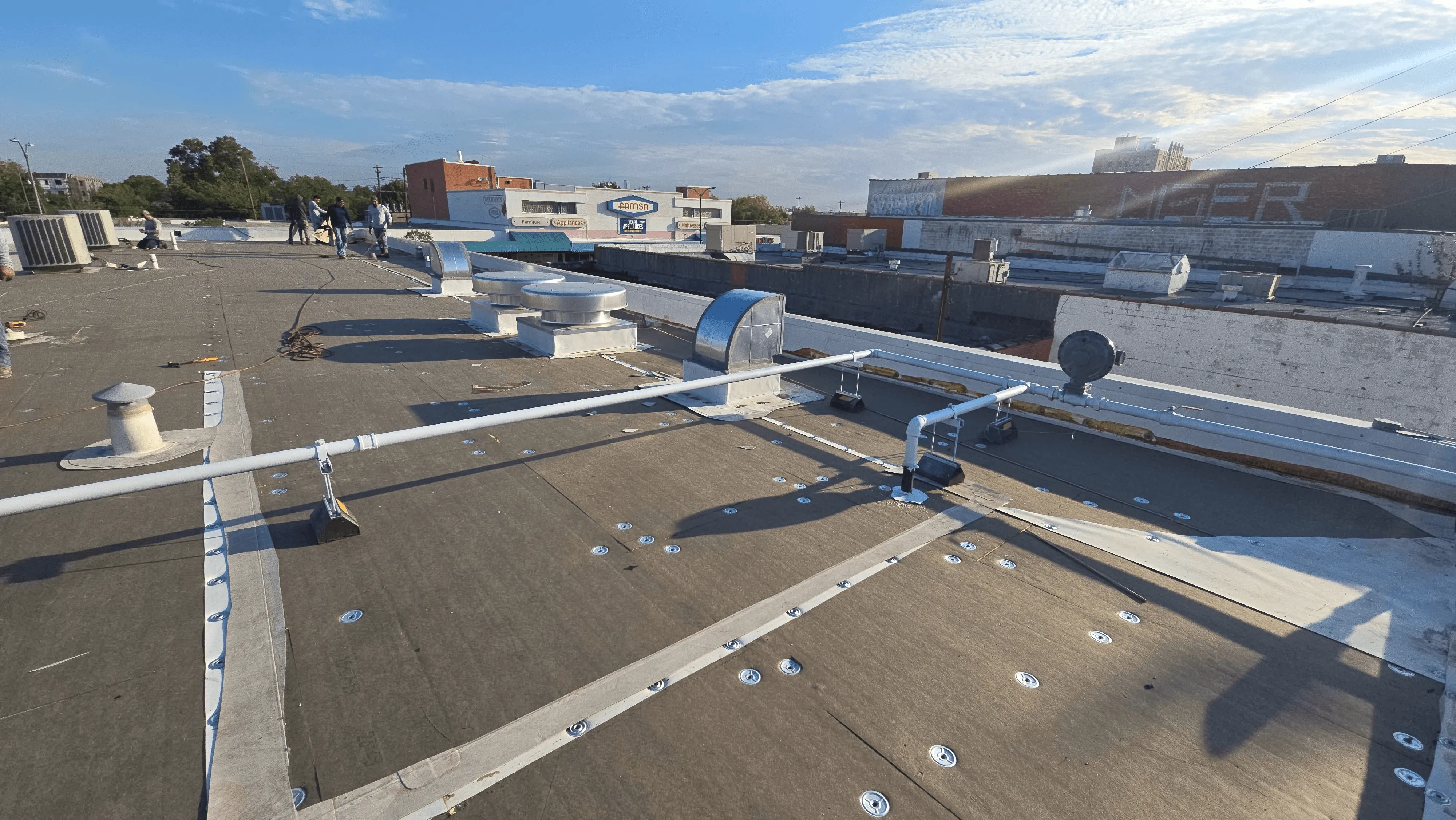
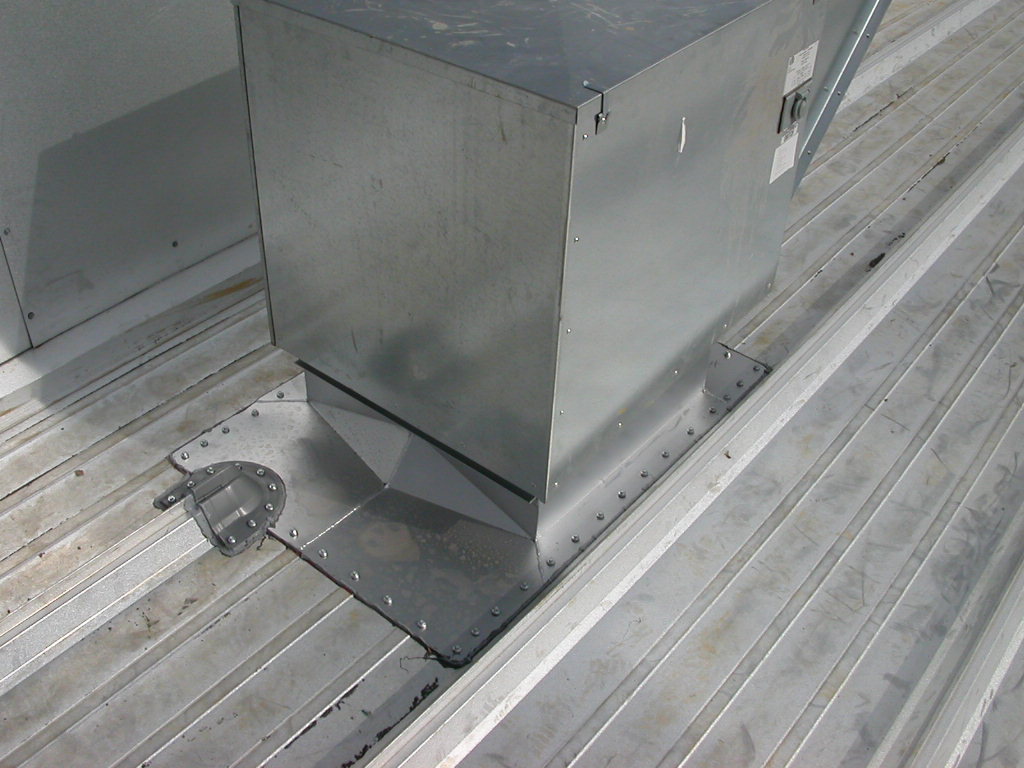
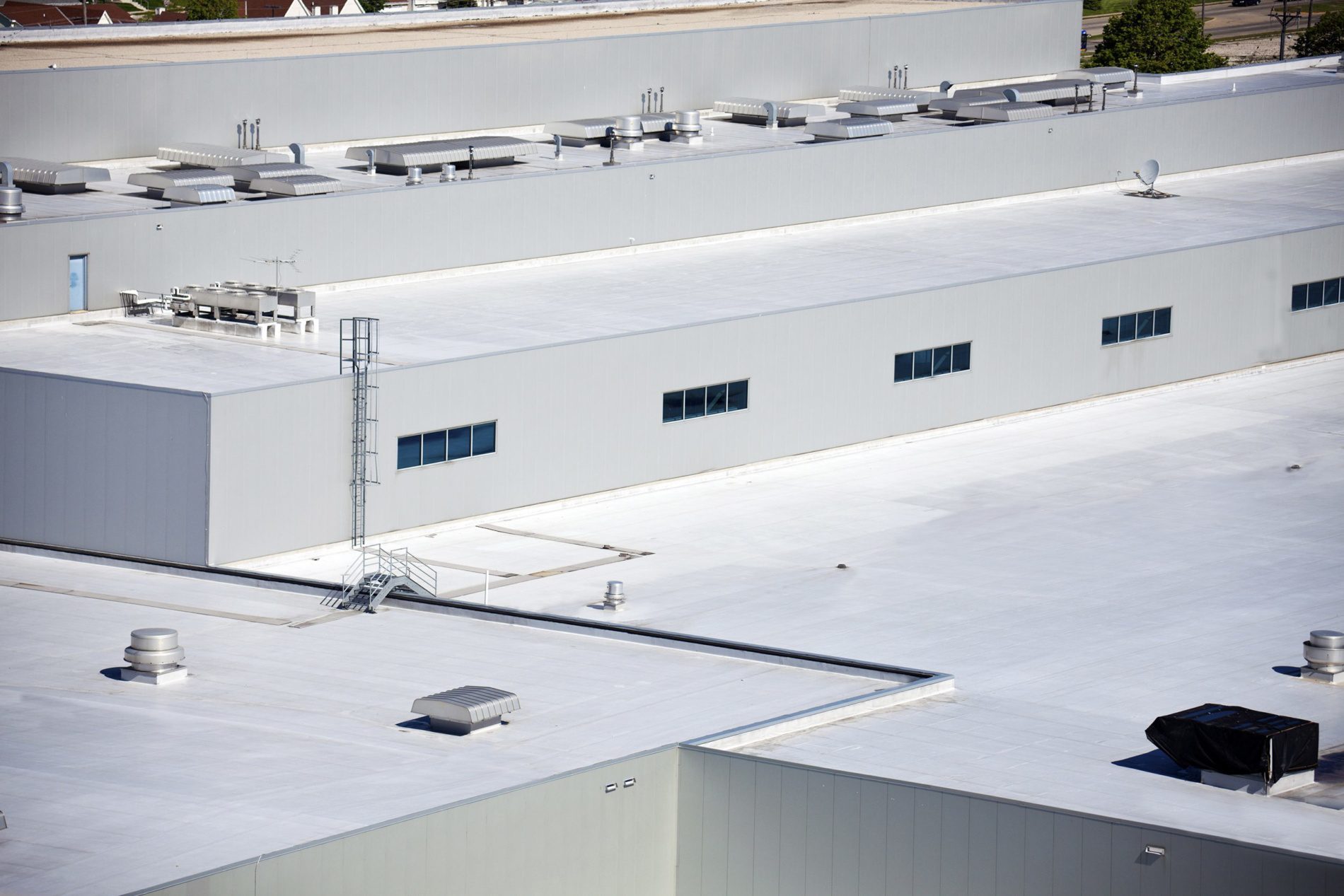
Process equipment on Memphis's logistics and manufacturing rooftops spans an extraordinary range of scales and applications. FedEx's massive sort facilities use enormous HVAC and conveyor systems whose rooftop mechanical footprints are among the most complex in any U.S. industrial building type. Automotive parts manufacturers in the Memphis metro require precision climate-controlled environments for plastic injection molding, metal stamping, and paint operations, each with distinct rooftop mechanical requirements. Contractors serving the Memphis market must be equipped to design and install equipment curb systems that range from a single exhaust fan to multi-acre mechanical arrays.
Manufacturing Facility Roofing in Memphis, TN Scope Notes
Chemical fume exposure at Memphis's automotive and agricultural processing facilities varies by sector but consistently demands attention during membrane specification. Cargill's soybean and grain processing operations generate organic solvent vapors and grain dust that deposit on roof surfaces and accelerate biological growth on granule-surfaced membranes. Automotive parts paint operations release isocyanate and solvent vapors that degrade EPDM flashings at exhaust fan locations. A membrane inspection program that includes laboratory analysis of surface deposits helps Memphis facilities managers identify chemical attack early and adjust maintenance or coating programs accordingly.
Vibration from Memphis's heavy logistics and manufacturing facilities is a persistent design consideration. The FedEx sort hub's conveyor systems run at high speed around the clock, and the structural vibration produced by these systems reaches the roof deck continuously for 24 hours a day. Automotive stamping plants in the Memphis metro produce the low-frequency vibration pulses that fatigue membrane seams at equipment curbs, particularly where older buildings have experienced settlement that creates out-of-plane deformation in the steel deck. Infrared thermographic surveys on Memphis automotive and logistics roofs frequently identify moisture intrusion at equipment curb locations that can be traced to vibration-induced seam failures.
Skylights at Memphis logistics and automotive manufacturing facilities must balance daylighting benefits against the thermal management demands of Tennessee's hot, humid summers. High solar heat gain through unshielded polycarbonate domes can increase cooling loads significantly in a building that already generates substantial internal heat from conveyor motors, lighting, and production equipment. Skylights with diffusing optics that spread light without direct solar gain, or ventilated ridge systems that allow passive heat exhaust while providing daylighting, are better energy management choices for Memphis's large-bay industrial buildings than simple dome skylights.
Schedule coordination at FedEx's Memphis hub facilities involves working around one of the most demanding and inflexible operational schedules in American logistics. Sort operations run every night, and any roofing work that produces debris, water infiltration, or fume intrusion into the sort facility affects not just the Memphis operation but the global FedEx network that depends on Memphis hub throughput. Roofing contractors who work on FedEx facilities develop detailed containment protocols, mobilization checklists, and communication chains that ensure every work phase is pre-approved by the facility's facilities and operations management team.
Memphis's climate sits at a challenging intersection of humidity, temperature extremes, and severe weather risk. Summer temperatures regularly exceed 95°F with dew points above 70°F, creating rooftop surface temperatures well above 150°F on dark membranes during afternoon peaks. Winter weather is less severe than in northern markets but includes periodic ice storms that can deposit heavy glaze loads on flat industrial rooftops. Spring and fall bring severe thunderstorm activity with hail, wind-driven rain, and the occasional tornado that is a genuine design consideration for industrial buildings in the mid-South.
Memphis's position as the dominant distribution hub for the mid-South means that industrial building owners in the market compete intensely for tenants whose leasing decisions are influenced by facility quality indicators, including roofing system condition. Class A industrial park developers in East Memphis and the suburban industrial corridors have raised the specification standard for new roofing systems above what was typical in the market a decade ago. Enhanced wind uplift resistance ratings, 20-year NDL (No Dollar Limit) warranties, and cool roof compliance are now routine expectations in new Memphis Class A industrial leases.
Long-term roof capital planning for Memphis logistics and manufacturing facilities benefits from the scale efficiencies available in this market. Facilities managers overseeing multiple buildings in the Memphis metro can negotiate preferred contractor relationships that provide volume pricing, priority scheduling, and contractor familiarity with individual building conditions that translate into faster project execution and lower mobilization costs on each project. For large logistics operators like FedEx's supply chain partners who lease multiple Memphis facilities, these scale economics are a meaningful contributor to total facility cost management.