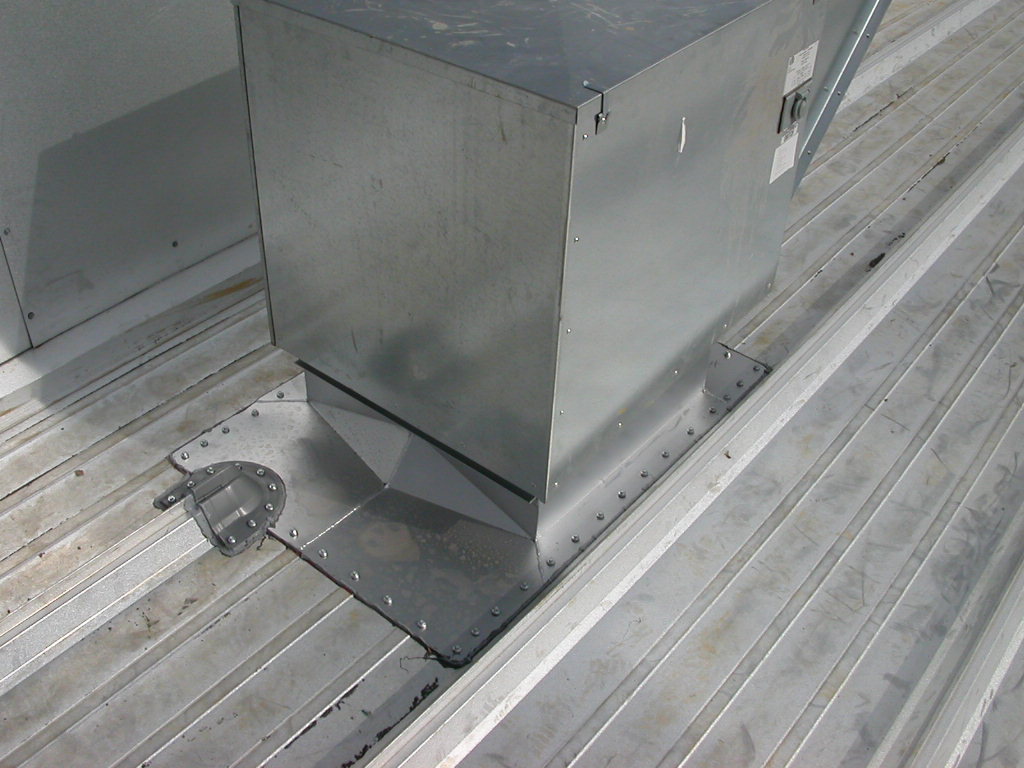
Leaking commercial skylights on Memphis buildings are almost always a flashing failure at the curb, not a glazing failure. We diagnose the actual entry point and repair it - not the ceiling below it.
Commercial skylight leaks are diagnosed wrong more often than almost any other commercial roofing failure. The glazing is visible; the ceiling stain is below the skylight; the assumption is that the glazing failed. Most of the time, the glazing is fine and the water is entering at the curb-to-membrane flashing - the intersection of the raised curb frame and the surrounding roof membrane. In Memphis, where heavy spring rainfall drives sustained water contact at every roof penetration, curb flashing failures produce skylight leaks in buildings where the glazing is perfectly intact.
We work on commercial skylights across the Memphis metro - single skylight units in retail and office buildings, skylight bands in Midtown warehouse conversions, and large skylight arrays in atrium office buildings along the East Memphis corporate corridors. The repair scope depends on the failure mode: curb flashing replacement is the most common scope, followed by glazing seal restoration, followed by curb structural repair in older buildings where the frame has deteriorated.
Commercial Skylight Leak Causes - Memphis Building Context
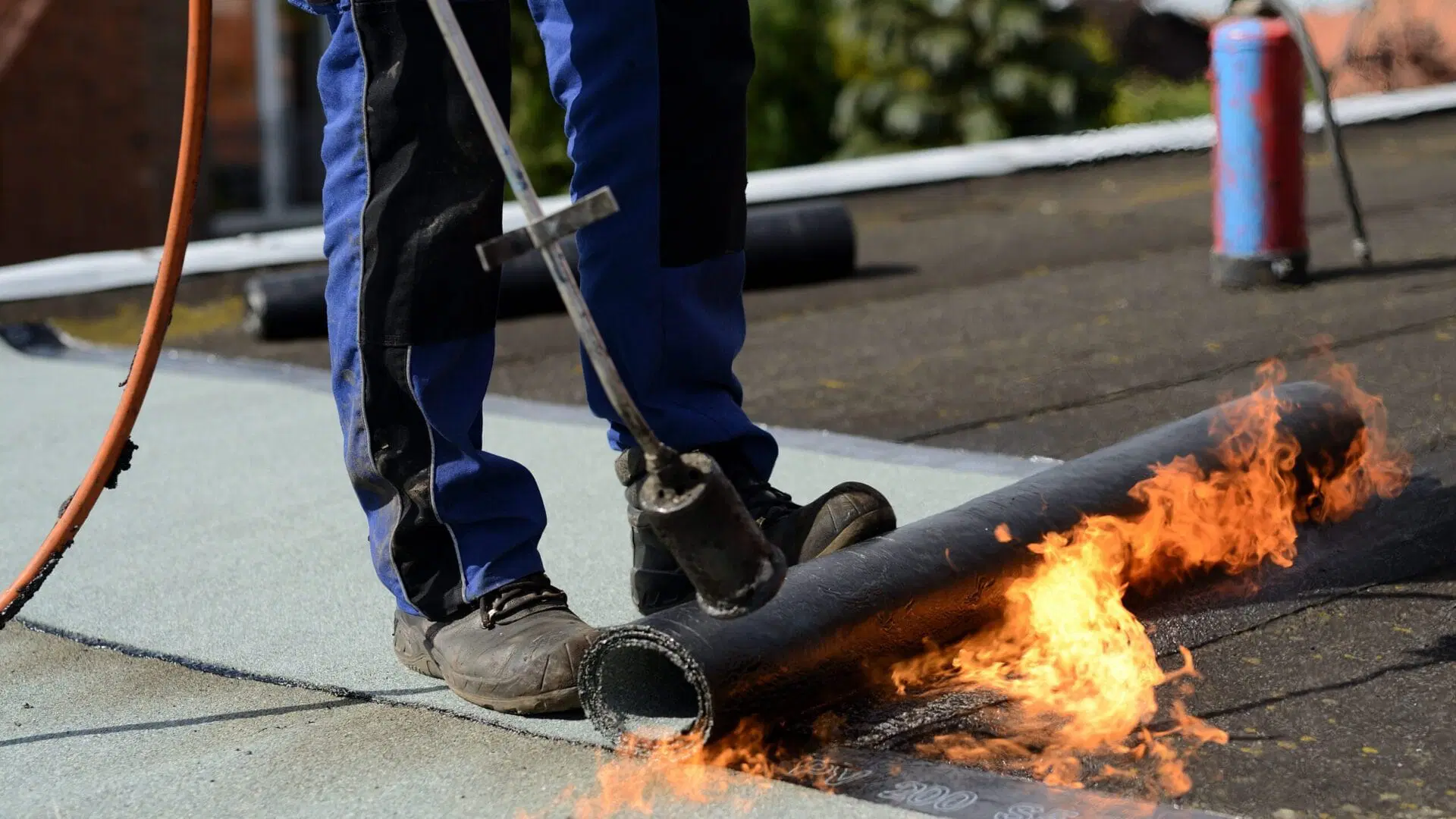
Curb base flashing failure: The most common cause of commercial skylight leaks in Memphis. The curb is a raised frame - typically 8-12 inches of curb height above the roof surface - that the skylight glazing unit mounts to. The membrane must be flashed up the side of the curb and terminated at the top with a counter-flashing. When the original flashing detail used improper materials (EPDM cut-edge base flashing against a TPO membrane field, incompatible sealants at the lap joint), or when the detail was improperly installed, water enters at the curb-to-membrane transition. Memphis's high rainfall loads these transitions continuously during spring storm events.
Glazing seal degradation: The silicone or EPDM glazing seal between the glazing unit (glass or polycarbonate) and the curb frame is subject to UV degradation, thermal cycling, and compression fatigue over time. In Memphis, the sustained summer UV load combined with the 150°F+ rooftop surface temperatures during July and August accelerate glazing seal degradation faster than in more temperate markets. A failed glazing seal produces water entry at the glazing perimeter that looks identical to a curb flashing failure from the interior - diagnosis requires accessing the curb from the exterior to distinguish the two failure modes.
Condensation versus infiltration: Memphis's high summer dewpoint - frequently 70°F or above from June through September - produces heavy condensation on the interior surface of single-glazed and poorly insulated skylight units. This condensation drips from the interior glazing surface and produces ceiling staining that looks like a leak but is not. Building owners in Memphis medical offices and Midtown retail spaces frequently confuse condensation-driven moisture with water infiltration. We test for the difference: condensation stains are typically diffuse and concentrate in the center of the skylight; infiltration stains originate at the curb perimeter and migrate toward the ceiling stain's edge.
Repair Methods for Memphis Commercial Skylights
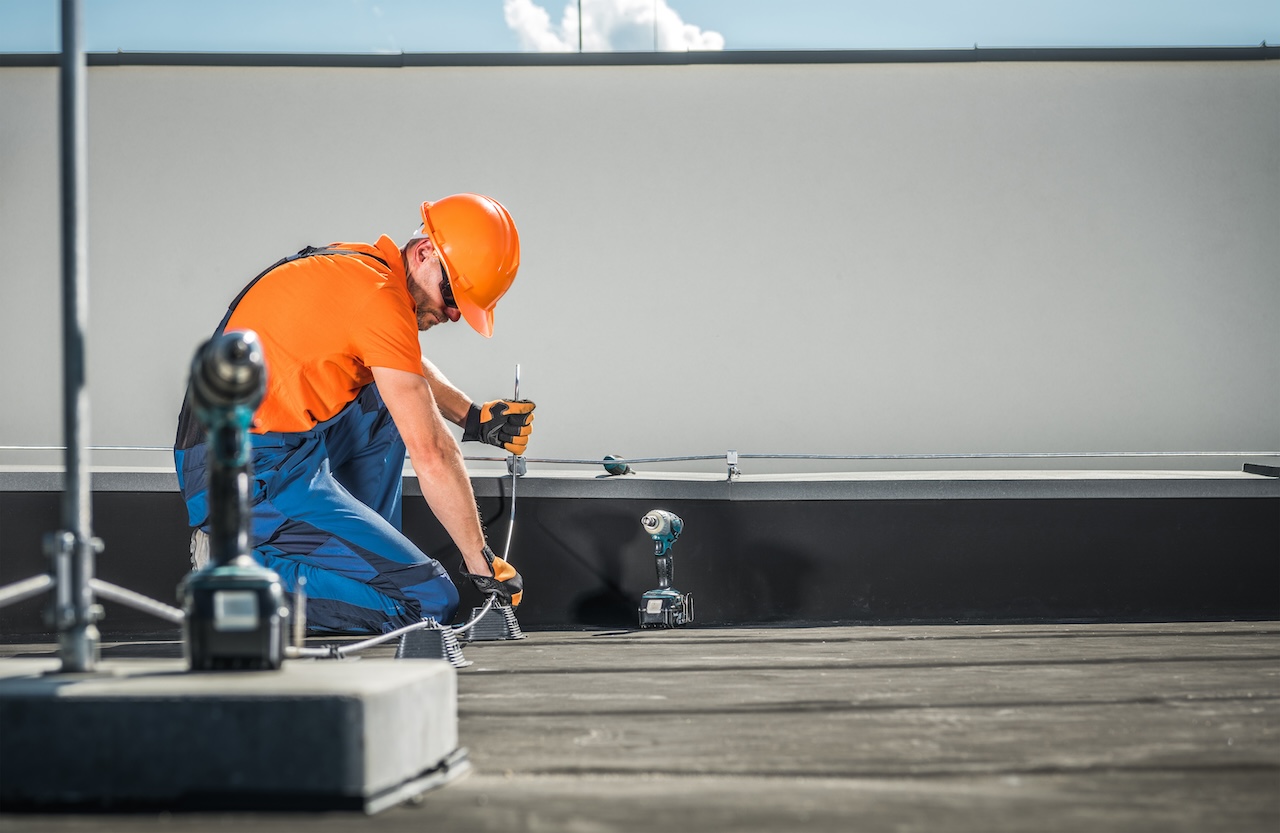
Curb base flashing replacement: The standard repair for curb-flashing-origin skylight leaks. We remove the failed base flashing around the full curb perimeter, prepare the membrane surface and curb face, install new base flashing compatible with the existing roof membrane system (matching TPO with TPO, EPDM with EPDM, or a universal flashing grade where the systems are mixed), and terminate with a mechanically fastened counter-flashing at the curb top. We probe-test the finished flashing at 5-lb test-wheel pressure on TPO systems before closeout.
Glazing seal replacement: For glazing-seal-origin leaks, we clean and dry the existing glazing-to-frame joint, remove the failed sealant completely, prime the contact surfaces (frame and glazing edge), and install new low-modulus silicone sealant in the joint. The sealant selection is critical: high-modulus silicone or polyurethane in the glazing joint cracks under thermal cycling within two to three seasons in Memphis's climate range. We use only AAMA 809.2-compliant sealant in glazing joint applications.
Skylight unit replacement: When the curb frame is structurally deteriorated, when the glazing is cracked or delaminated (common on older polycarbonate units that have yellowed and become brittle from UV exposure), or when the unit's insulating value no longer meets building energy code, replacement of the full skylight unit including curb is the appropriate scope. We coordinate skylight unit replacement with a glazing or skylight manufacturer and handle the roofing scope - curb connection, membrane flashing, and the weatherproofing envelope around the new unit.
Commercial Building Types Where We Run Skylight Repair
The Midtown adaptive reuse corridor - Overton Square, the Cooper-Young commercial district, and the warehouse district south of Poplar - contains many buildings that added skylights during the 1980s and 1990s renovation wave. These skylights are now 30-40 years old, running original glazing seals and original curb flashing that has well exceeded its design life. We repair and replace these units regularly.
East Memphis Class A office - the Poplar Avenue corridor from Germantown Road east - has a concentration of 1990s-2000s office buildings with interior atrium skylight bands. These large-format skylight systems are complex to maintain because the curb geometry is irregular and the glazing bays are large. Sealing failures in these systems can produce significant interior water events when a Memphis spring storm system stalls over the metro.
The Medical District office buildings adjacent to the Methodist Le Bonheur and Regional One campuses contain a mix of skylight types across buildings from the 1960s through 2010s. Infection control requirements during skylight repair work on active clinical floors require coordination with the facility management team - we handle that coordination on medical facility projects.
Commercial skylight leaking on a Memphis building?
We diagnose the entry point - curb flashing, glazing seal, or condensation - before we write a repair scope. Written documentation included at closeout.