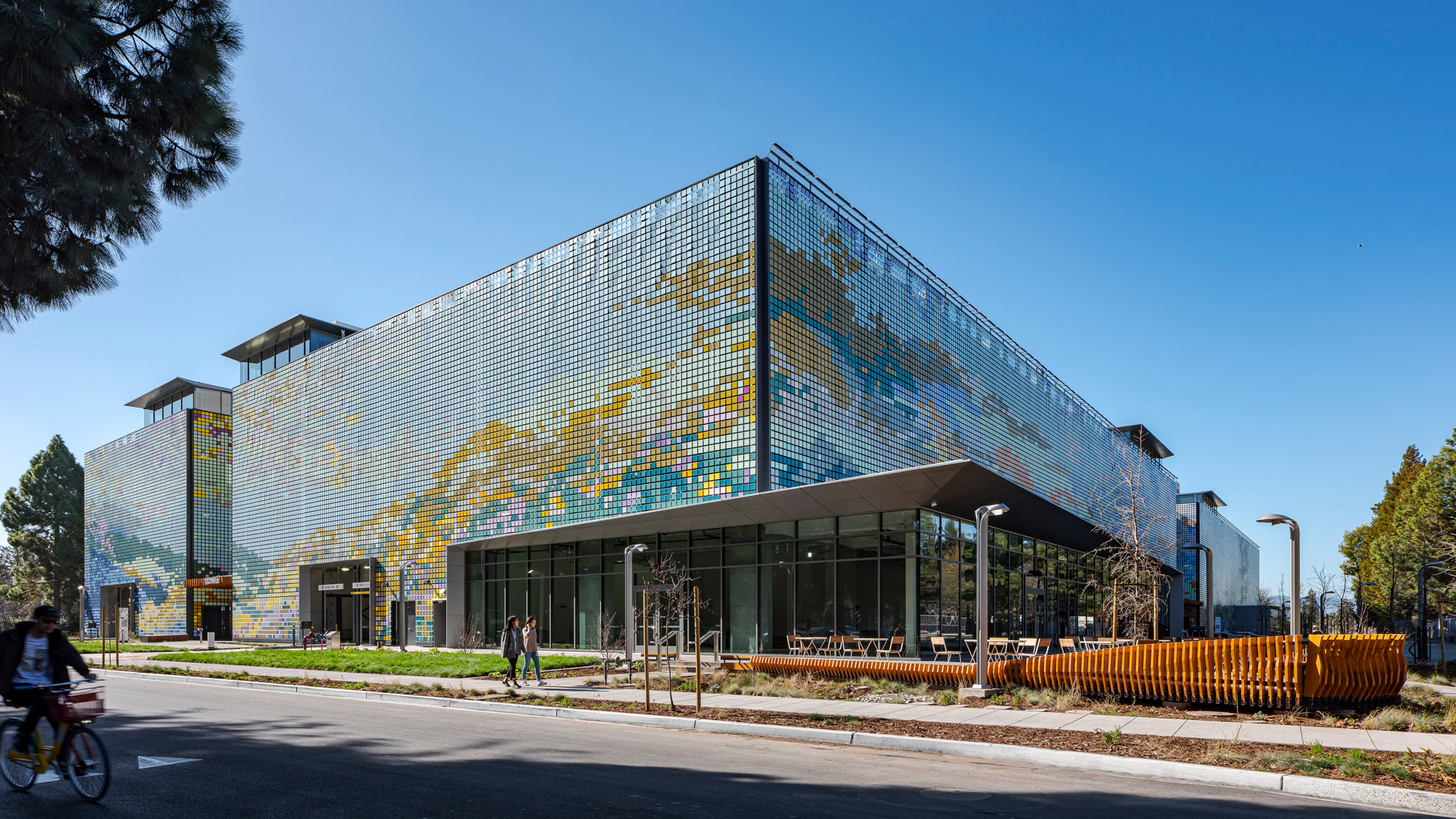
Parking structure roofing in Memphis is really a top-deck waterproofing and traffic-bearing coating project rather than a traditional membrane roof, since the exposed top level of a parking deck has to hold up under vehicle traffic while still keeping water out of the structure below.
A condition assessment on a parking deck looks at the traffic-bearing coating or waterproofing system, expansion joints, drain locations, and any concrete deterioration or spalling that signals water has already reached the reinforcing steel.
Traffic-Bearing Coatings and Deck Drainage
The top deck of a parking structure needs a coating or waterproofing system rated for vehicle traffic, not a standard roof membrane, and that system has to handle continuous exposure to sun, rain, and the abrasion of tires and turning wheels. Application typically happens in sections so portions of the deck can stay in use while other areas cure.
Drainage on a parking deck relies on properly sloped concrete and functioning drains and scuppers, since standing water on a traffic deck accelerates coating wear and can work its way into joints and cracks. Expansion joints and control joints need their own sealant inspection, since a failed joint seal is one of the most common paths for water into the structure below.
Concrete Condition and Repair Decisions
Because water intrusion on a parking deck can reach the reinforcing steel inside the concrete, a condition assessment looks for spalling, cracking, and any exposed or corroding rebar in addition to the coating's surface condition. Addressing concrete repair before recoating is usually necessary, since coating over deteriorating concrete does not solve the underlying problem.
The decision between a coating touch-up, a full recoat, and structural concrete repair depends on how far water intrusion has progressed and the condition of the joints and drains. A written assessment with photos gives a property manager or association a clear basis for budgeting the right scope rather than a temporary patch.