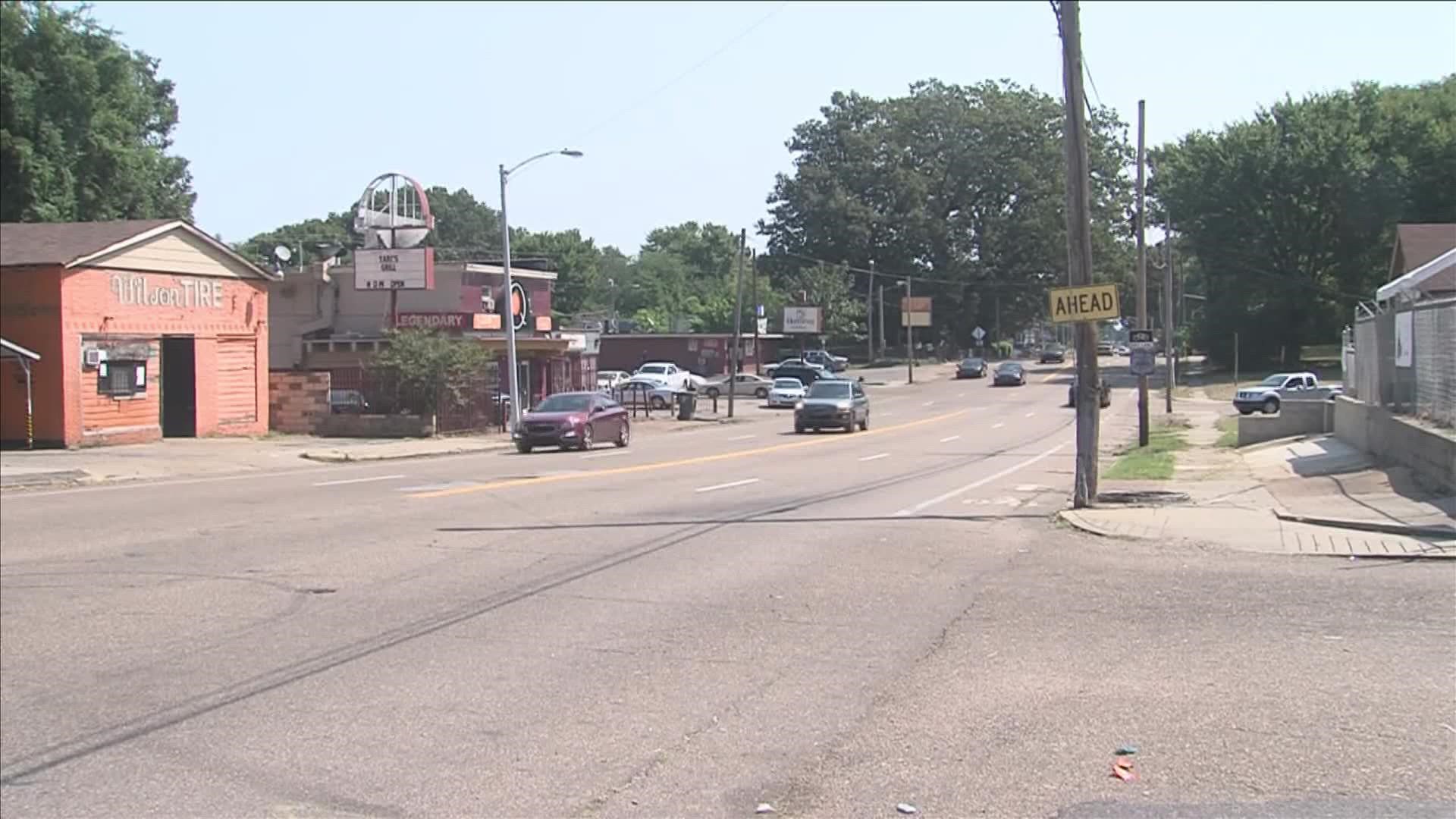
Orange Mound is one of the oldest African American communities in the United States. Its commercial buildings - many dating to the mid-twentieth century - carry roofing histories as layered as the community itself.
Orange Mound's commercial inventory is a study in deferred maintenance and resilience. The neighborhood's commercial strip along South Parkway East and the surrounding blocks includes buildings that have been in continuous commercial use for 70 or 80 years - churches, neighborhood grocery and retail, community health facilities, funeral homes, and auto service businesses that have served the same community across multiple generations. Many of these buildings have never had a professional roofing assessment; they have been maintained by patch repairs applied when a leak became urgent.
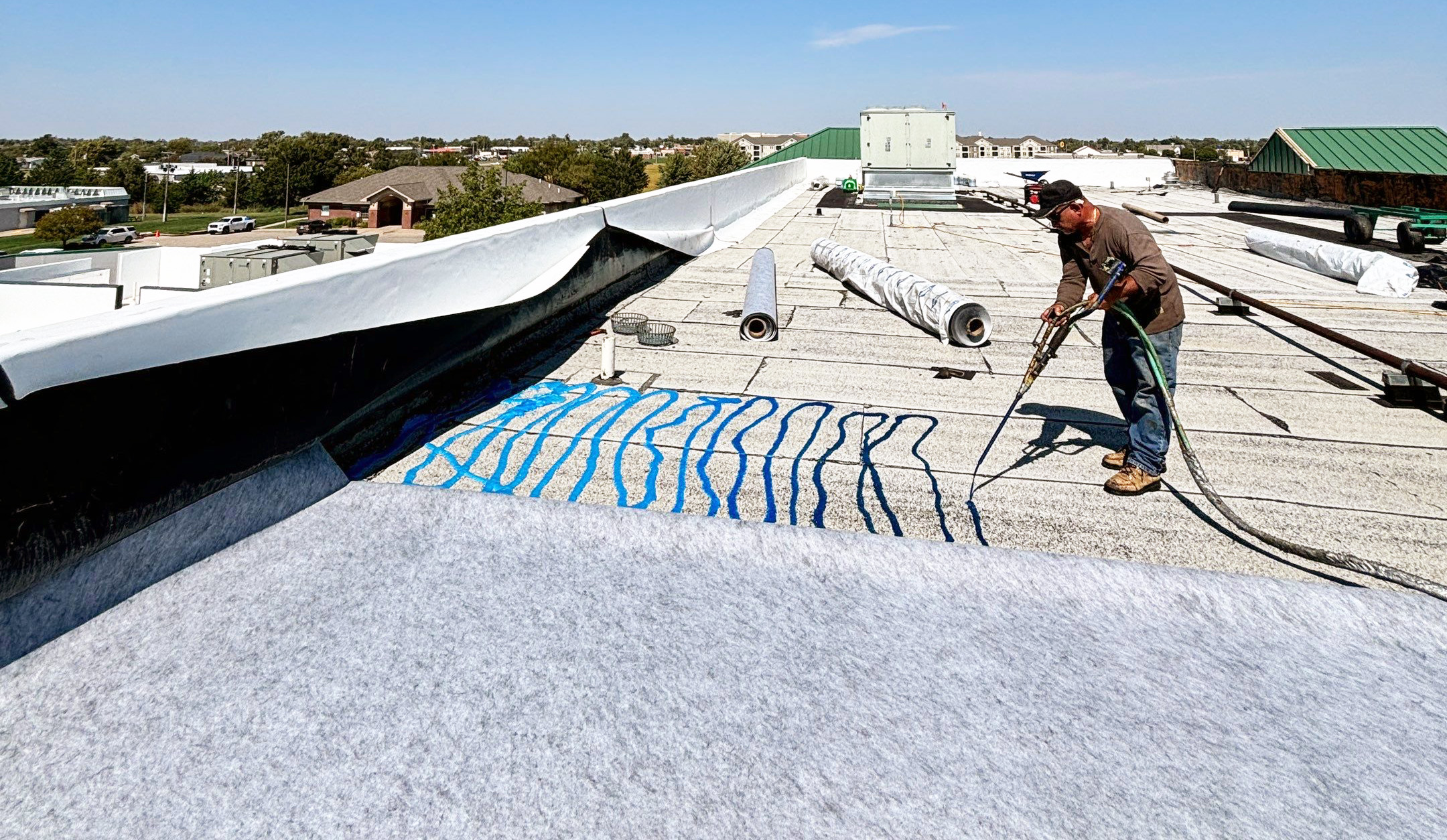
Working in Orange Mound means engaging with building owners who are often working with tighter capital constraints than the corporate facility managers on Poplar Avenue. That means scopes have to be honest about what the building actually needs versus what the owner can reasonably fund, and it means we spend time on options - whether a repair program can extend the current system another five years, whether a coating can buy time before full replacement, or whether full replacement is unavoidable. We do not write the most expensive scope for every building; we write the scope that is honest for the building's condition and the owner's situation.
South Parkway East Commercial Strip
The South Parkway East commercial strip - running from Airways Boulevard west through Orange Mound toward the intersection with Lamar Avenue - carries a mix of small retail buildings, auto service facilities, beauty and barber shops, and neighborhood-serving commercial that reflects the character of the surrounding commercial community. Most of these buildings are one or two stories, masonry construction, with flat roofs that date to original construction in the 1940s through 1970s.
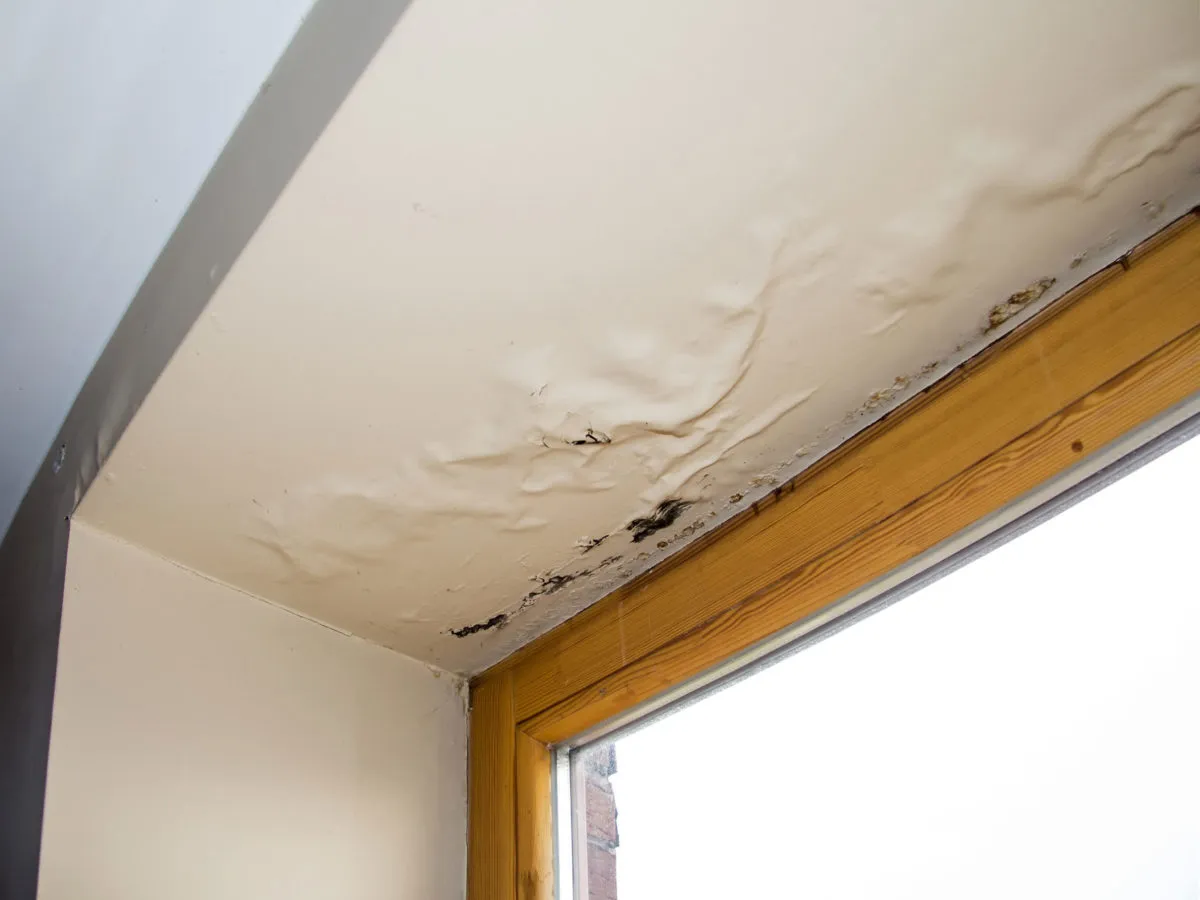
The failure pattern on these buildings is consistent: built-up roof systems with blocked or partially-blocked drains that have caused chronic ponding, which has driven insulation saturation and repeated membrane failures that have been patched repeatedly without addressing the drainage problem. We find drain-system blockage on the majority of Orange Mound commercial buildings we inspect that do not have a maintenance contract. Clearing drains and confirming drainage-system function is the first step of every maintenance visit and every assessment we do in this area.
Institutional and Community Buildings
Orange Mound has a significant concentration of institutional buildings: churches, community centers, health clinics, and school-adjacent facilities that serve the neighborhood. These buildings carry roofing challenges specific to institutional use - large, open-span interior spaces where a roof leak causes immediate visible damage to finished ceilings and sensitive interior contents; organizations that lack the capital reserves to fund a reactive emergency replacement; and volunteer governance structures that make proactive capital planning difficult.
For institutional clients in Orange Mound, we structure our reporting to support grant applications and insurance documentation where applicable. Several community health facilities in Memphis have secured capital improvement grants that included documented roof condition assessments as required attachments. We produce reports that
Lamar Avenue Corridor
The Lamar Avenue corridor through the eastern edge of Orange Mound carries a different commercial character than the South Parkway strip - larger-format auto service facilities, small shopping centers, and the medical and community service buildings associated with the edge of the Memphis Medical District. The St. Jude Children's Research Hospital campus boundary is close to this corridor, and some of the ancillary facilities serving the medical district are in this zone.
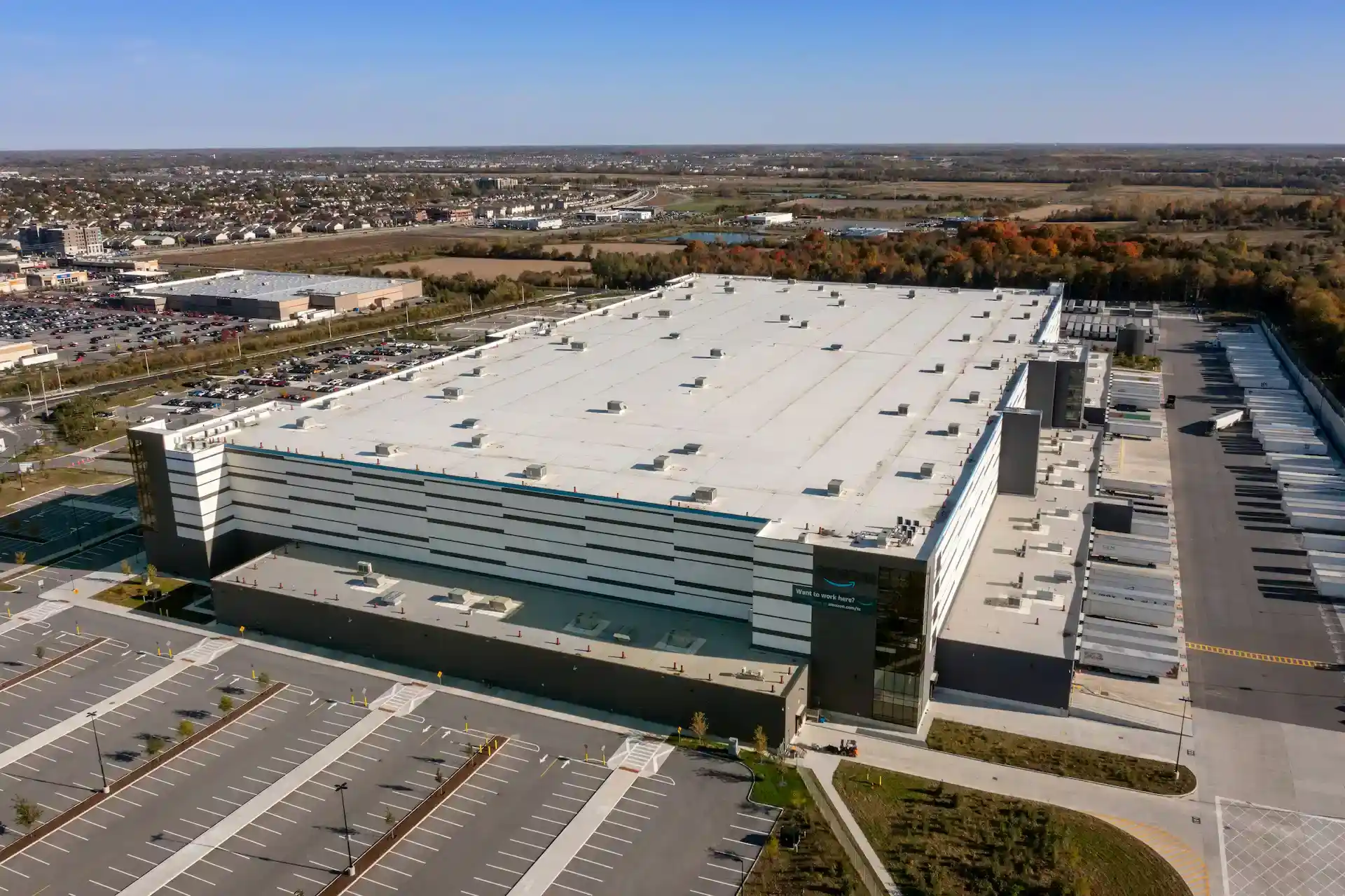
Buildings along Lamar in this area tend to be larger and more recently constructed than the South Parkway strip - 1970s and 1980s commercial construction with TPO or EPDM systems that are now in their second decade past warranty. Capital planning conversations with Lamar corridor building owners usually center on the replace-versus-maintain decision: whether current conditions allow a maintenance program to extend the existing system, or whether replacement is the only path to a clean warranty going forward.
Orange Mound commercial or institutional roof assessment?
We work with building owners across the capital spectrum. Tell us about your building and we will produce an honest assessment of what it needs.