Shelby County Schools, the unified district formed by the 2013 merger of Memphis City Schools and Shelby County Schools and now serving over 100,000 students in one of the largest K-12 districts in Tennessee, operates a facilities portfolio spanning hundreds of school buildings across Memphis and suburban Shelby County. The roofing needs of a district this size are substantial and ongoing - a mix of aging urban school buildings in inner Memphis and newer suburban campuses, all facing the Mid-South's demanding combination of summer heat, winter ice storms, and the humidity that makes vapor management in Tennessee school roofing a genuine technical challenge.
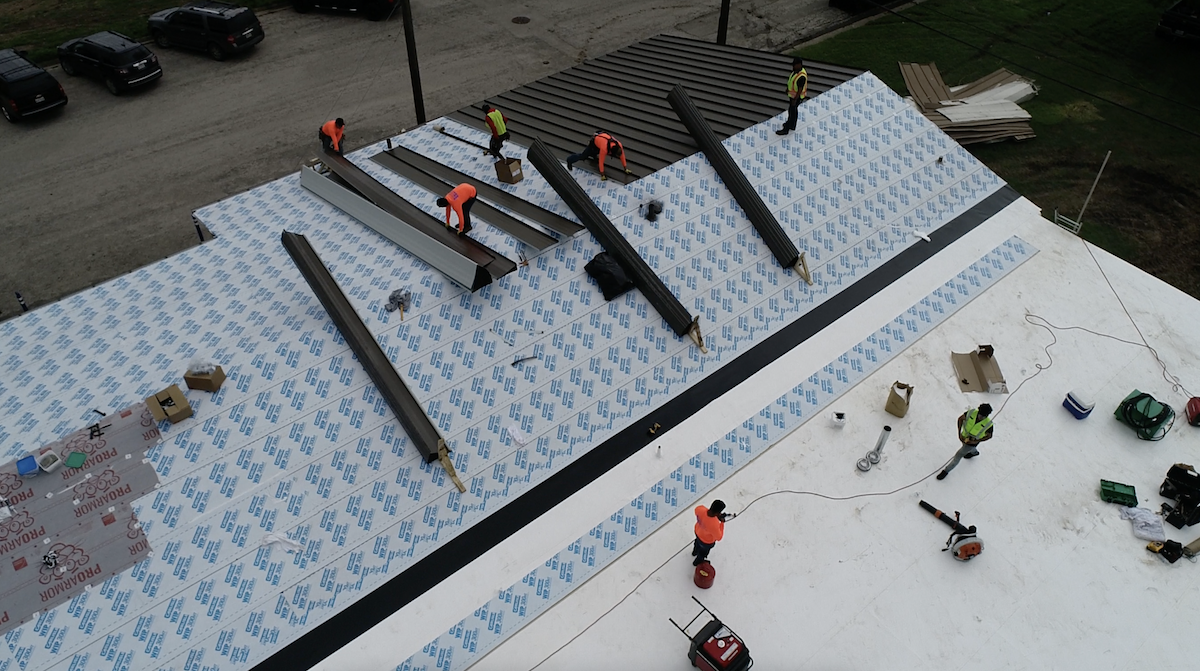
Summer scheduling is the primary logistical constraint for Shelby County Schools roofing work. With over 100,000 students in the building during the academic year and significant summer programming at many campuses, the practical window for major roof replacement on most SCS schools runs from mid-June through late July - approximately six weeks. We begin planning, procurement, and crew scheduling in March for summer projects and mobilize within days of school year end to maximize productive construction time within this compressed window.
School and K-12 Educational Building Roofing in Memphis, TN Scope Notes
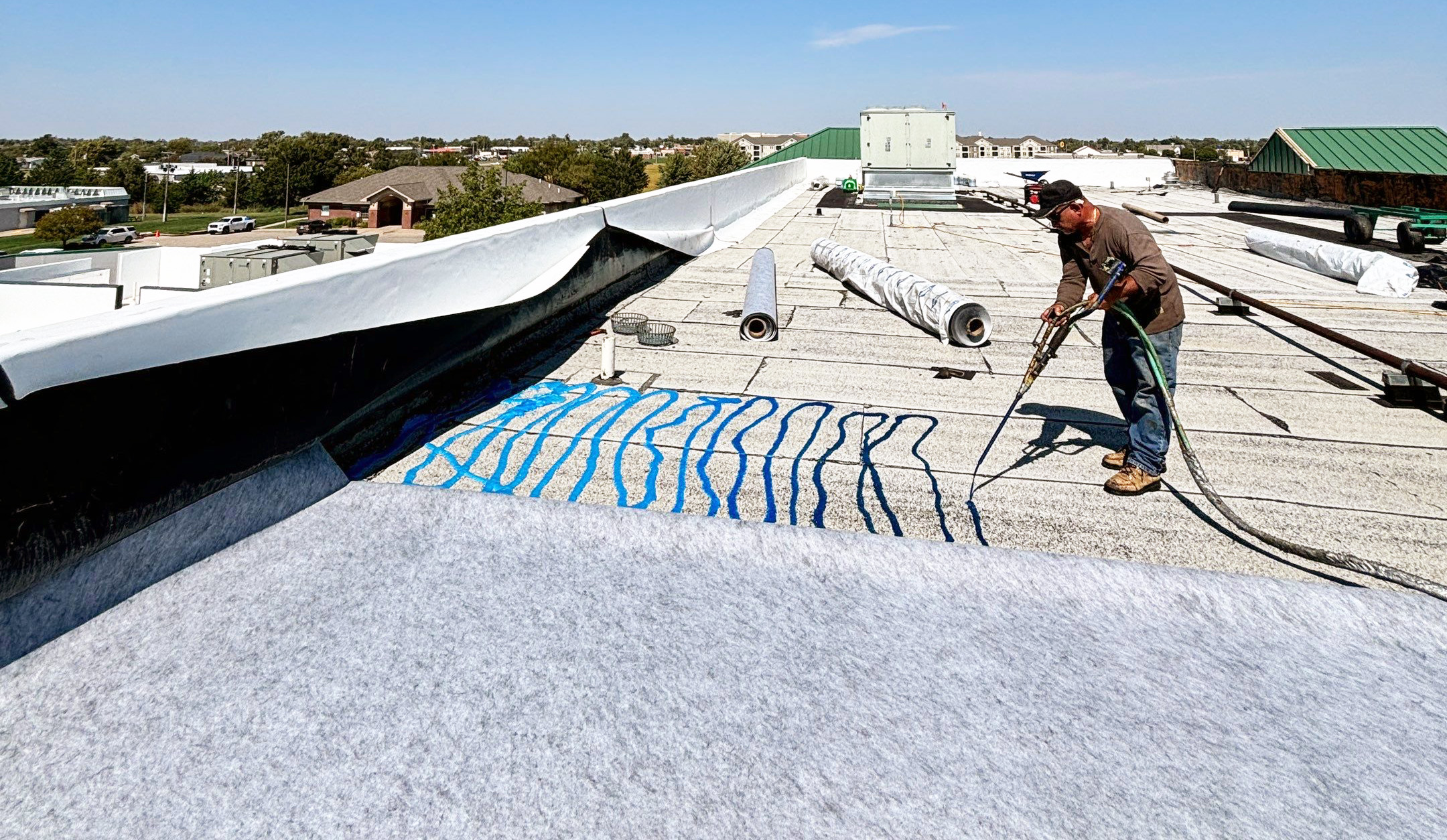
Memphis's climate creates specific technical demands for school roofing. The city's position in IECC Climate Zone 3A means hot, humid summers where vapor drive pushes moisture from warm exterior air into roofing assemblies, and periodic winter ice storm events where freezing rain and dropping temperatures stress sealants and membrane terminations. Vapor retarder placement must be correct for Zone 3A conditions - on the warm side of the insulation, which in a cooling-dominant climate like Memphis is the assembly's exterior face. Incorrectly placed vapor retarders in Memphis school roofing assemblies can trap moisture and cause premature deck deterioration.
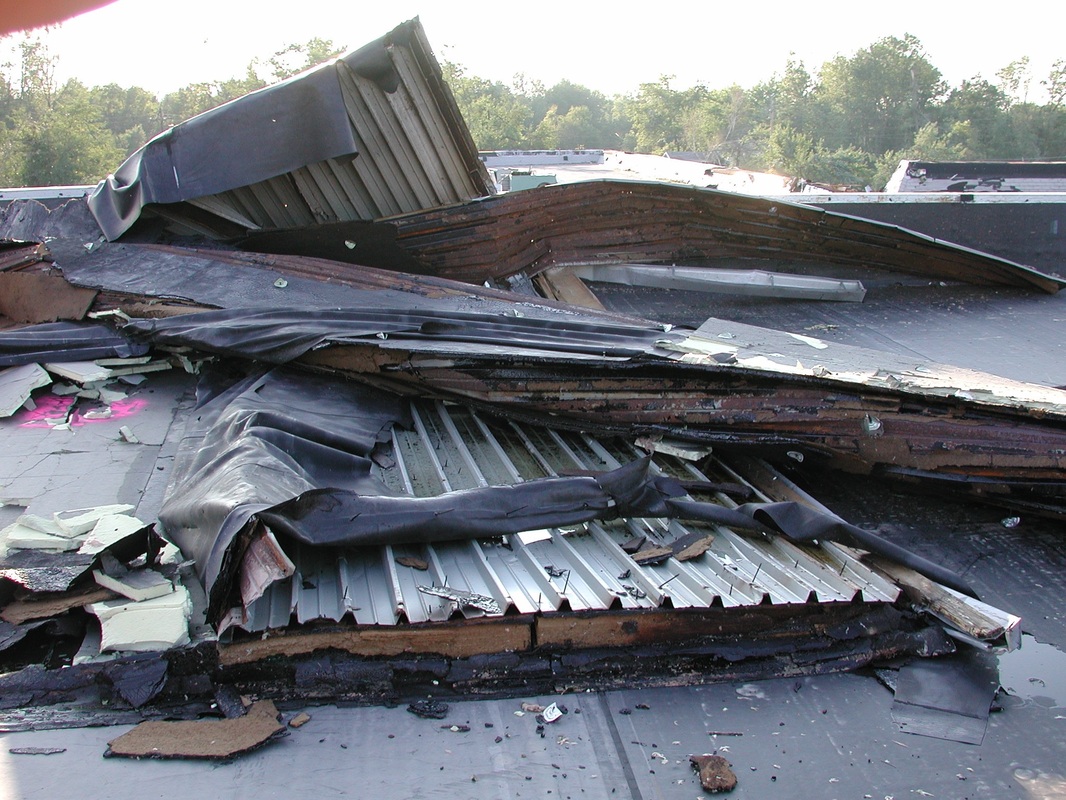
Ice storm damage is a distinctive winter risk for Memphis school buildings. Unlike the predictable snow accumulation of northern climates, Memphis ice storms arrive rapidly, coat surfaces with half an inch or more of freezing rain, and then are often followed by sustained below-freezing temperatures that keep the ice in place for days. The combination of ice weight and thermal shock stresses every perimeter flashing, coping cap, and sealant joint on a school building. We use cold-temperature-rated elastomeric sealants, mechanically secured counter-flashings, and continuous ice barrier at eave zones to provide multiple lines of protection against Memphis's unique winter weather pattern.
Tennessee public school procurement follows state competitive bidding requirements for school construction contracts. Shelby County Schools uses a formal competitive sealed bid process with public advertisement, bid bonds, and performance and payment bonds for qualifying projects. The district also maintains a contractor prequalification program for certain project categories. We maintain active Tennessee contractor licensing and all required certifications for public school work, and we have completed multiple SCS projects through the full public procurement cycle.
District budget cycles at Shelby County Schools track the Tennessee public school fiscal year. Capital improvement plans are developed through the spring board meetings, roofing priorities are scored against district-wide facility condition assessments, and projects are authorized through board action before procurement begins. We participate in the planning phase by providing budget estimates, condition assessments, and scope options that support the district's CIP development process - helping facilities planners allocate capital effectively across a very large and geographically diverse building portfolio.
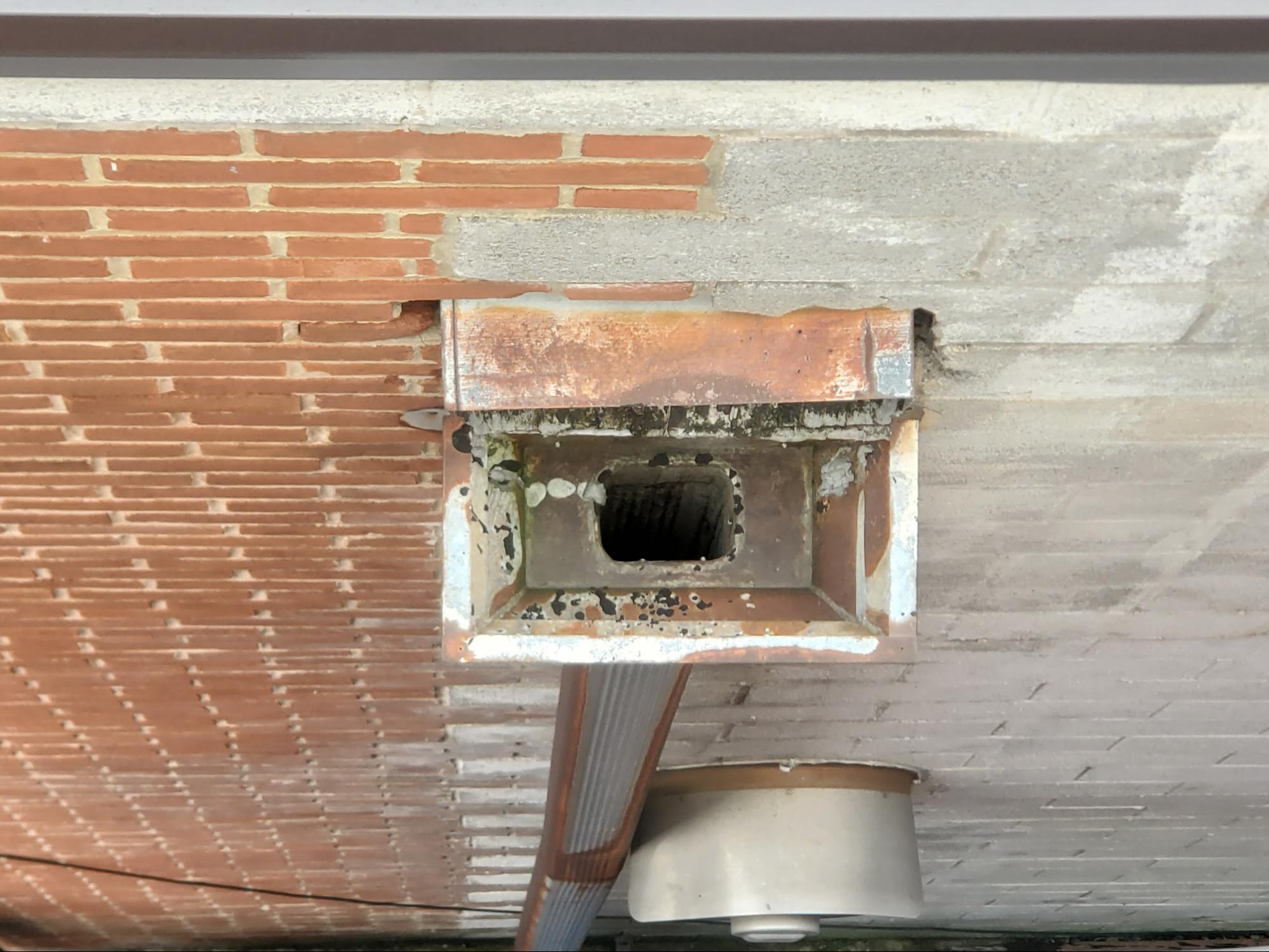
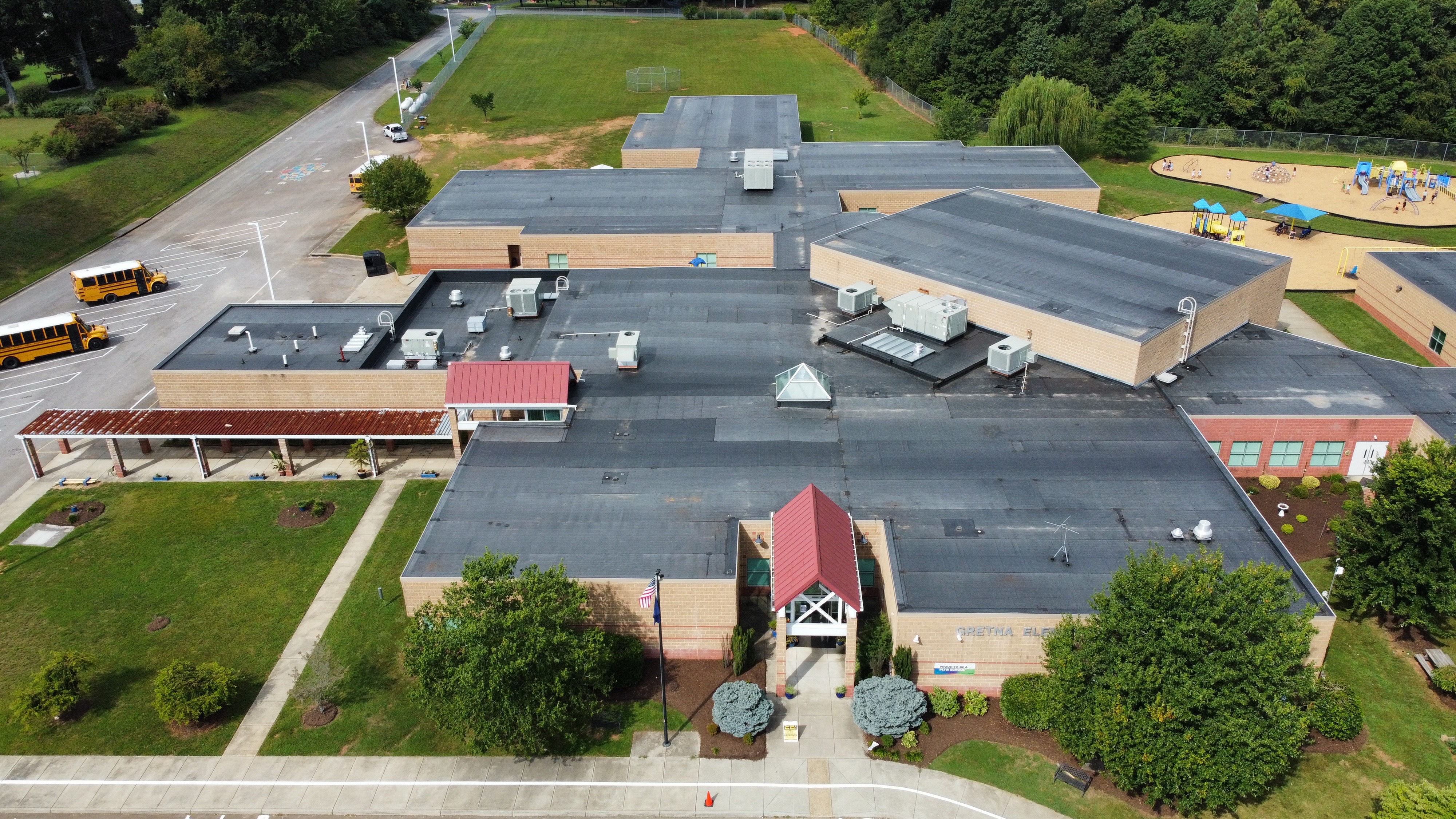
Institutional roofing details on SCS schools include cafeteria exhaust hoods, gymnasium HVAC equipment, kitchen grease ducts, and the evolving technology infrastructure on modern school buildings. Grease duct penetrations require chemical-resistant, high-temperature flashing assemblies that standard membrane flashing cannot satisfy. We survey every penetration before specification and include custom flashing for all non-standard conditions as a standard scope item. No SCS school roofing project leaves our hands with compromised penetration flashings under a new membrane.
Asbestos management is a significant consideration in Memphis's older school building inventory. Buildings constructed before the mid-1980s may contain asbestos-modified roofing materials, and Tennessee DEP regulations require licensed abatement before disturbing any confirmed asbestos-containing material. We recommend pre-construction asbestos surveys on all pre-1985 SCS buildings and coordinate licensed Tennessee abatement contractors when surveys identify regulated materials. The full abatement scope - including air monitoring and compliant disposal - is managed as an integral part of the roofing project schedule.
Tennessee Valley Authority commercial efficiency programs have historically offered incentives for qualifying energy efficiency improvements in public buildings, and school roofing projects that include insulation upgrades or cool-roof membrane installation may qualify for TVA rebates. We help Shelby County Schools facilities staff identify qualifying efficiency measures, quantify projected energy savings using Memphis climate data and current utility rates, and assemble TVA commercial incentive applications during the pre-construction planning phase of qualifying projects.