Memphis averages 54 inches of rain per year, with spring storm events that can deposit two to four inches per hour. Drain condition is not a maintenance afterthought on Memphis commercial roofs - it is a primary failure risk that we address as a standing priority in every maintenance walk.
A clogged roof drain on a Memphis commercial building is not just a nuisance - it is a structural load event waiting to happen. One inch of standing water on a 10,000 sq ft roof weighs roughly 52,000 pounds. During a Memphis spring thunderstorm that produces two inches of rainfall per hour, a partially blocked drain can accumulate four to six inches of standing water in under two hours - a load that exceeds the design capacity of many commercial roof deck systems built before 1990.
Memphis's annual rainfall of 54 inches concentrates in the March-through-May window, producing the sustained drainage challenge that Memphis commercial roof owners face. The secondary driver is the city's tree canopy: both the mature urban tree cover in Midtown and the suburban tree canopy in Germantown and Bartlett deposit organic debris - leaves, seed pods, bark - in roof drains at rates that drier, lower-canopy markets do not experience. We drain-clear on every maintenance inspection visit and flag any drain showing deterioration in the strainer, ring, or body before the drainage capacity is compromised.
Drain Conditions We Address on Memphis Commercial Roofs
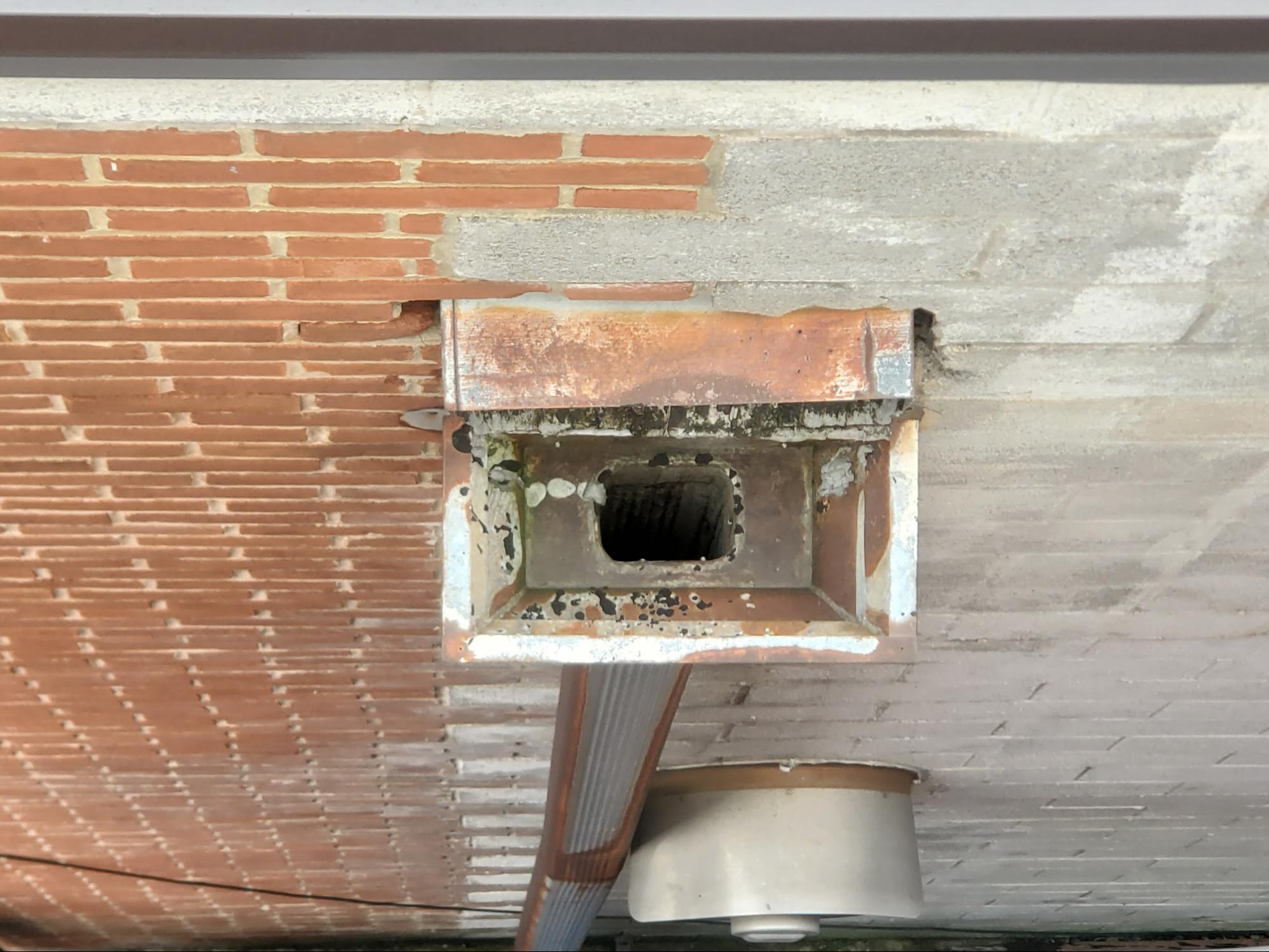
Debris blockage: The primary maintenance condition. Memphis roof drains - especially on buildings near the river bluffs in Downtown and Midtown, and in the tree-heavy suburban corridors - accumulate leaves, seed pods, and organic debris that consolidate into a mat that blocks the strainer and reduces drainage capacity below the design threshold. We clear debris from the strainer, from the drain bowl below the strainer, and from the first few feet of the drain line connection on every maintenance visit. Drain clearing in April - peak organic debris fall - is particularly important before the intense storm season.
Undersized drain bodies: Memphis commercial buildings built before 2000 frequently have 2-inch or 3-inch drain bodies sized to drainage codes that predated the IBC 2021 plumbing code's drainage area requirements. A 2-inch drain body handles approximately 1,000 sq ft of drainage area at the 100-year design storm intensity used in current Tennessee code - a 10,000 sq ft roof served by two 2-inch drains is undersized by a factor of five under current standards. Fixing undersized drains requires core-cutting the deck and installing a new drain body at the correct size, or adding additional drains to distribute the drainage load.
Drain ring and membrane seal failure: The drain ring - the clamping ring that compresses the membrane between the ring and the drain body - must maintain a watertight seal at the membrane termination. When drain rings loosen over time (from thermal cycling and structural movement), water migrates behind the membrane at the drain perimeter and enters the insulation system. Ring re-torquing is a maintenance task; a ring that has lost the ability to seat against a deteriorated membrane flange requires drain body replacement.
Drain Replacement Scope - What It Involves
Drain body replacement on an occupied commercial building requires cutting through the existing membrane and insulation to the deck, removing the existing drain body, installing a new drain body (in the same location for same-size replacement, or in a new location for drain addition), re-flashing the new drain perimeter with compatible membrane material, and restoring the deck penetration seal. This is a half-day to full-day scope per drain depending on building access and deck condition.
Memphis drain replacement projects often encounter corroded drain bodies where the original cast iron body has rusted through at the flange - particularly in buildings with poor drainage history where water has sat in the drain bowl for extended periods. Cast iron drain replacement with PVC or coated cast iron requires confirming the new body dimensions match the existing storm line connection. We verify this before ordering materials, not during demolition.
Where drain addition is the scope - adding a drain to an undersized drainage configuration - the location selection needs to account for both drainage area coverage and storm line connection feasibility. We coordinate with a plumbing contractor on drain addition projects where the storm line connection requires interior plumbing work that is outside our roofing scope.
Annual Drain Maintenance Protocol for Memphis Buildings
Our standard annual maintenance protocol for Memphis commercial buildings includes drain clearing in early April (pre-storm-season) and in late October (post-leaf-fall). April clearing removes the winter organic accumulation before the peak spring storm window; October clearing removes the fall organic deposit before freeze risk.
For buildings on semi-annual maintenance contracts, we add a mid-summer drain check in July - Memphis's late-summer thunderstorm pattern, which picks up again in August, catches building owners off-guard after a drier June period. A drain clear in July confirms the system is ready for the second rainfall peak.
Roof drain cleaning, repair, or replacement on a Memphis commercial building.
We clear, inspect, and document every drain on every maintenance visit - and flag anything that requires repair before the next storm event.