Memphis doesn't see routine snow load, but episodic Mid-South ice storms damage commercial roofs and drainage systems that were never designed for sustained ice.
Memphis doesn't see routine winter snow load the way northern markets do, but the Mid-South is exposed to a different and often more damaging cold-weather peril: ice storms. When a winter system stalls over the region with freezing rain instead of snow, the ice accumulation on a commercial roof, its drains, and its rooftop equipment can produce damage that a market with predictable annual snow load rarely sees, because Memphis roofs and drainage systems aren't designed around sustained ice load the way a northern building's would be.
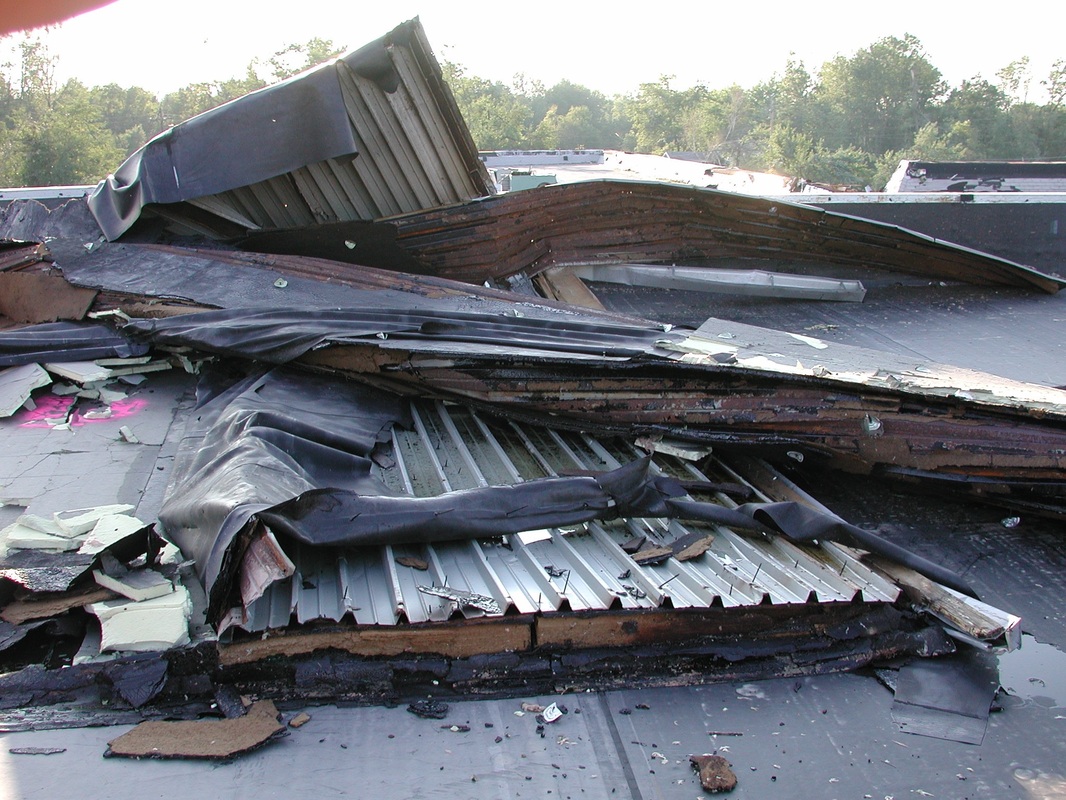
Ice storm damage on a commercial roof concentrates at drains, scuppers, and low-slope areas where meltwater refreezes faster than it can drain, at parapet and equipment curbs where ice accumulation adds concentrated point load, and at rooftop units and their supports, which can be damaged by ice buildup or by the weight of ice-laden tree limbs and debris that come down onto the roof during the same event. Structural roof damage from ice load is a real risk on older Memphis commercial buildings, particularly built-up and modified bitumen roofs on aging deck structures that were never engineered for sustained point loading.
What Ice Storm Damage Looks Like on a Commercial Roof
Drain and scupper blockage from ice accumulation that backs water up under the membrane at seams and flashing, membrane splitting at low-slope areas where standing water froze and expanded, damaged flashing and coping at parapets from ice weight and thermal contraction, and impact damage from ice-laden limbs or debris that fell onto the roof during the same storm.
Structural Load Assessment
Sustained ice accumulation adds real weight to a roof deck, and older Memphis commercial buildings - particularly those with built-up roofing on wood or older steel deck - weren't always designed with a wide structural safety margin. Where an ice event has been severe enough to raise a structural concern, we document visible deck deflection or distress and recommend a structural engineer review before any repair work proceeds.
Drainage System Damage
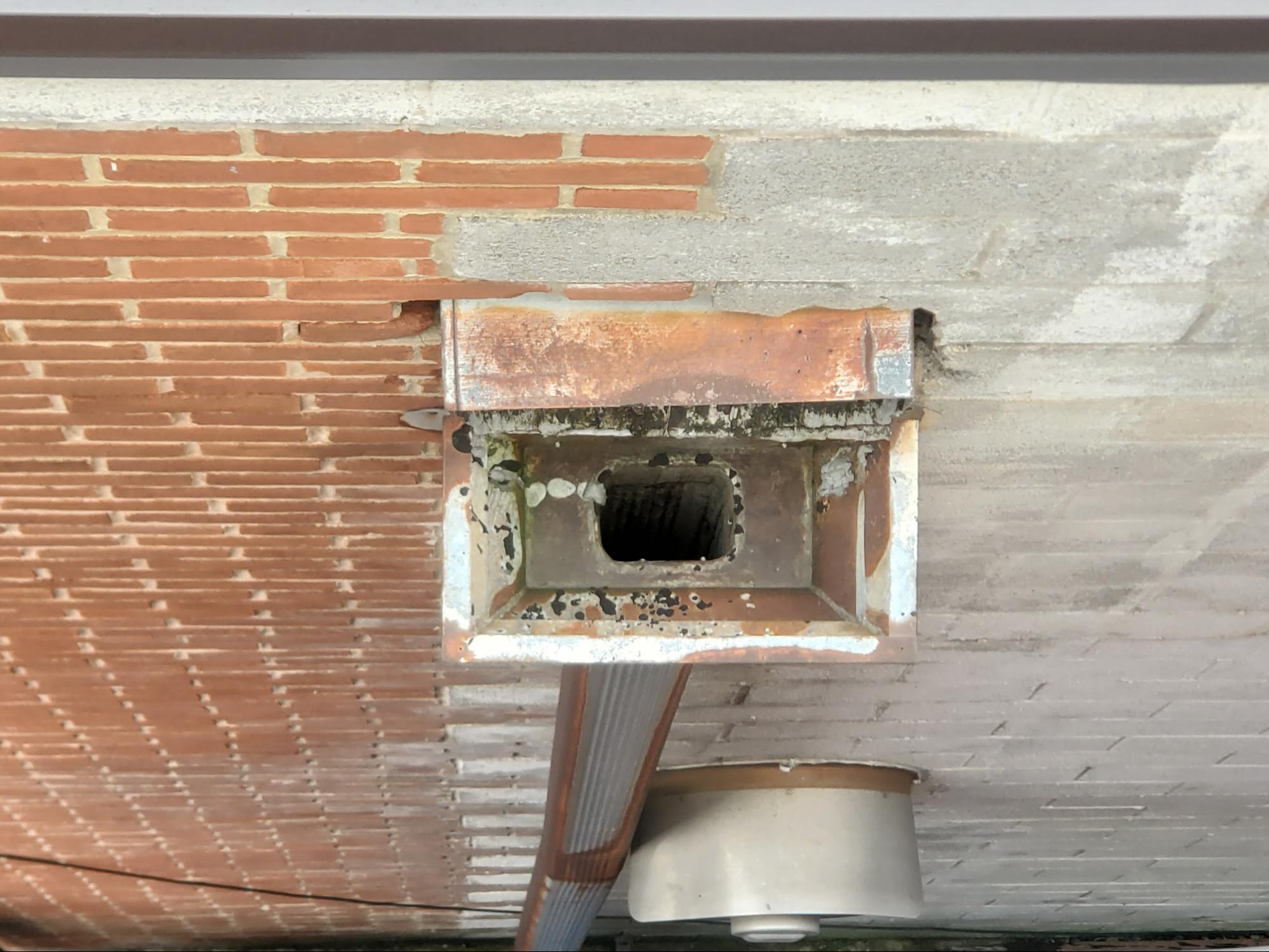
Internal drains, scuppers, and gutters are the components most consistently damaged in Mid-South ice events, because they aren't sized or insulated for sustained freeze the way a northern building's drainage system is. We document blocked, cracked, or displaced drainage components separately from membrane damage, since drainage repair is often a distinct line item in the claim.
Timing the Inspection
Ice damage is frequently invisible until thaw, when water intrusion, ponding, or a compromised seam becomes apparent. We recommend a documented inspection both immediately after an ice event, to capture any visible impact or structural concern, and again after full thaw, to catch drainage and water-intrusion damage that only shows up once the ice is gone.
Our Role, Stated Plainly
We're your roofing contractor, not a public adjuster - we document and substantiate the ice and cold-weather damage so you and your adjuster work from an accurate scope. We don't file claims, negotiate with carriers, or represent policyholders in coverage disputes.
Assessing ice or cold-weather damage on a Memphis commercial roof?
We will inspect drains, flashing, and structural indicators after an ice event and produce a written damage assessment.